REVIEW · KYOTO PREFECTURE
Shibori Fukusa Course at Kyoto Shibori Museum
Book on GetYourGuide →Operated by KYOTO SHIBORI MUSEUM · Bookable on GetYourGuide
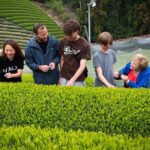
Kyoto shibori turns patience into art. This one-hour Shibori Fukusa class teaches you two real techniques, Kasamaki (winding) and Nuishime (sewing), on a shibori stand, then lets you wander the museum while your silk sets. I like the hands-on pace, because you’re not just watching dye magic happen.
What really impressed me is how the museum setting supports the workshop. You can study displayed shibori samples, tool displays, and even masterpieces while your piece dries, then finish with a look at the shop for original fabrics and souvenirs. One possible drawback: you’ll need to plan for drying time, so your full experience is better treated as a museum visit plus a short class, not just a quick photo stop.
In This Review
- Key Highlights You’ll Care About
- Kyoto Shibori Museum: Why This Workshop Feels Like the Real Stuff
- The 1-Hour Flow: What Happens Before and After Dyeing
- Kasamaki and Nuishime: The Hands-On Part That Makes the Patterns Make Sense
- Kasamaki shibori (winding technique)
- Nuishime shibori (sewing technique)
- Why the shibori stand matters
- What You Can Do While Your Silk Dries
- Museum Details: Masterpieces, Tools, and the Point of a Dedicated Shibori Place
- Museum Shop: What to Browse for (and How to Avoid Impulse Buying)
- Price and Value: Is $70 Worth One Hour?
- Who This Shibori Course Suits Best
- Should You Book This One-Hour Shibori Class?
- FAQ
- How long is the Shibori Fukusa course?
- Where is the Kyoto Shibori Museum located?
- How much does the workshop cost?
- How big is the group?
- What shibori techniques will I learn?
- What will I make?
- What do I do while my piece dries?
- Which languages are available for instruction?
- Is museum admission included?
- Can I cancel or pay later?
Key Highlights You’ll Care About
- Kasamaki (winding) plus Nuishime (sewing): two core shibori methods in one session
- Small group (up to 8): more room for questions with an instructor in English or Japanese
- Shibori stand work: the class centers on how the cloth is controlled and shaped before dye
- Explore while your silk dries: museum galleries and samples are part of the experience
- Museum admission included: you normally get free entry to the Kyoto Shibori Museum with the workshop
- Shop time: original items, souvenirs, and fabrics to take home
Kyoto Shibori Museum: Why This Workshop Feels Like the Real Stuff
Kyoto Shibori Museum is exactly what you want for a shibori class: it’s a museum that specializes in shibori, not a one-off demo tucked inside a bigger attraction. It opened in 2001, and the whole place is built around spreading shibori knowledge through works, tools, and examples.
That matters for you because it changes the tone of the day. You’re learning techniques that you can then compare to actual completed pieces. You’ll see shibori works and display pieces that help you understand why certain folds, seams, or winding styles create specific patterns after dyeing.
Also, it’s located a 5-minute walk from Nijo Castle, which is a big help if you’re building a Kyoto day around a famous landmark. You can make this a focused stop without burning half your day on transit.
You can also read our reviews of more museum experiences in Kyoto Prefecture
The 1-Hour Flow: What Happens Before and After Dyeing
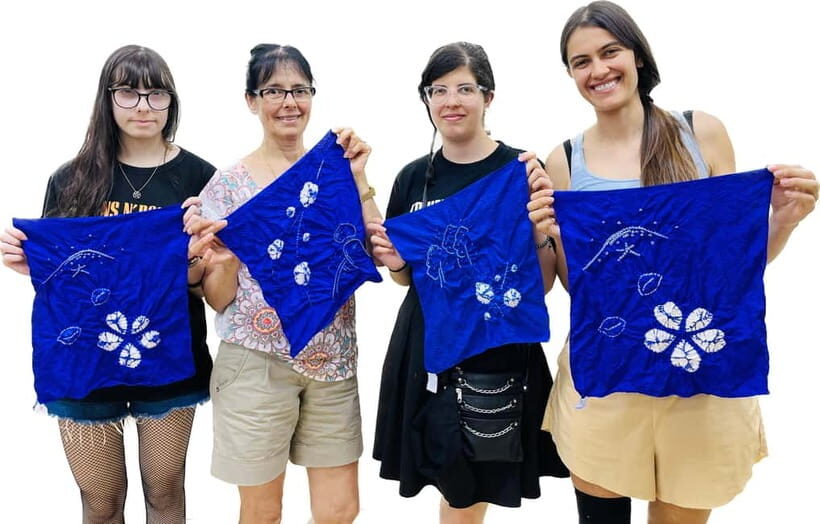
The total experience is listed as 1 hour, with the workshop class portion running 30 to 60 minutes. Plan your expectations like that: you’ll spend a chunk of time making, then you’ll spend time looking around while your piece dries.
Here’s the practical rhythm you should expect:
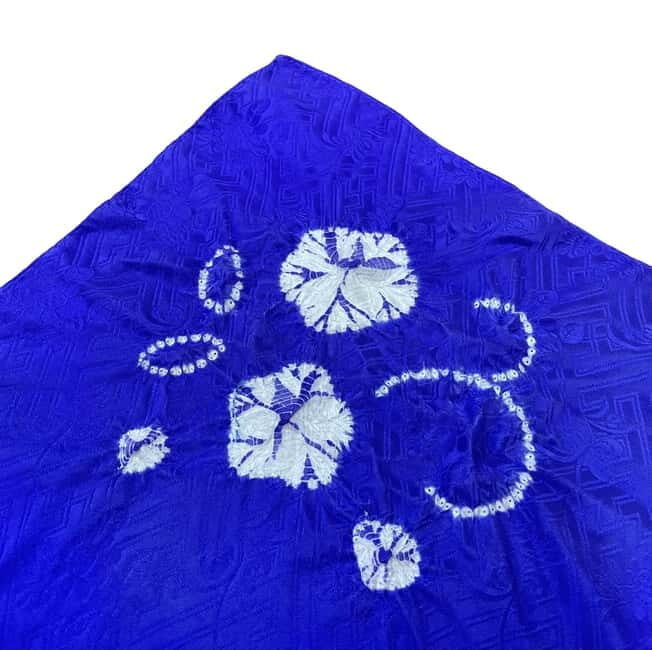
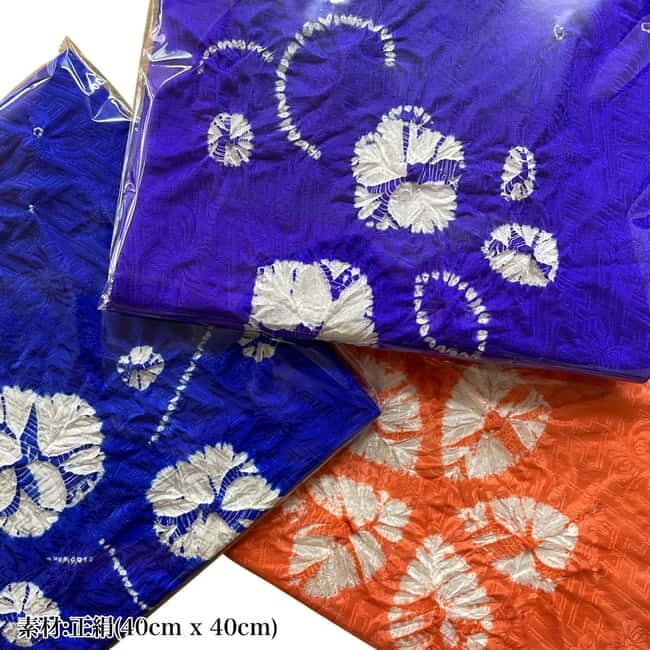
- You start with a silk fabric that has a background pattern (the setup is part of the course’s look).
- You apply shibori using a shibori stand.
- You create the pattern using two techniques: Kasamaki shibori (winding) and Nuishime shibori (sewing).
- Your silk is dyed after the shibori shaping.
- While it dries, you get to explore the museum displays and samples.
This flow is valuable because the drying window isn’t wasted time. Instead, it’s built into the visit, so you can connect what you did with what you’re seeing.
Kasamaki and Nuishime: The Hands-On Part That Makes the Patterns Make Sense
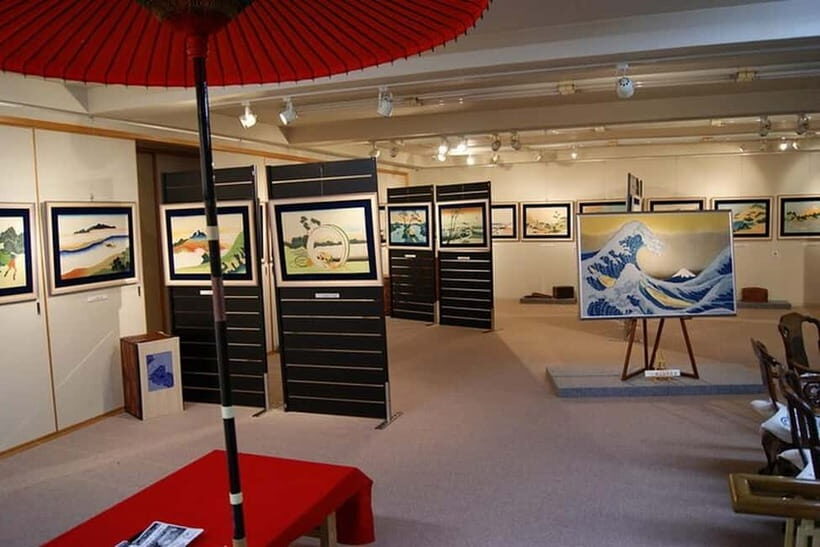
This course isn’t vague craft talk. It’s built around two named methods that shape the cloth before dye does its job.
Kasamaki shibori (winding technique)
In Kasamaki, you wind the silk in a way that controls where dye can and can’t penetrate. The key takeaway for you is that shibori patterns are not random. They come from how tightly and consistently you manage the winding, plus where the windings create resistance to dye flow.
Nuishime shibori (sewing technique)
With Nuishime, you use a sewing approach to gather or control sections of fabric. Again, the big idea is pattern creation through control. The course has you working on a shibori stand, which suggests they’re giving you a stable setup so your technique is consistent enough to produce the intended results.
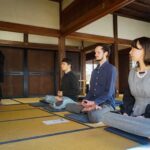


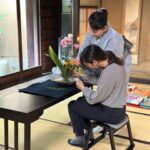

Why the shibori stand matters
A stand might not sound exciting on paper, but for you it’s practical: it helps you focus on the technique rather than fighting the setup. Shibori is all about tension, placement, and neatness before dyeing, and the stand gives you that structure.
And since the group is limited to 8 participants, you’re more likely to get help when your hands need a quick reset or when a step feels unclear.
What You Can Do While Your Silk Dries
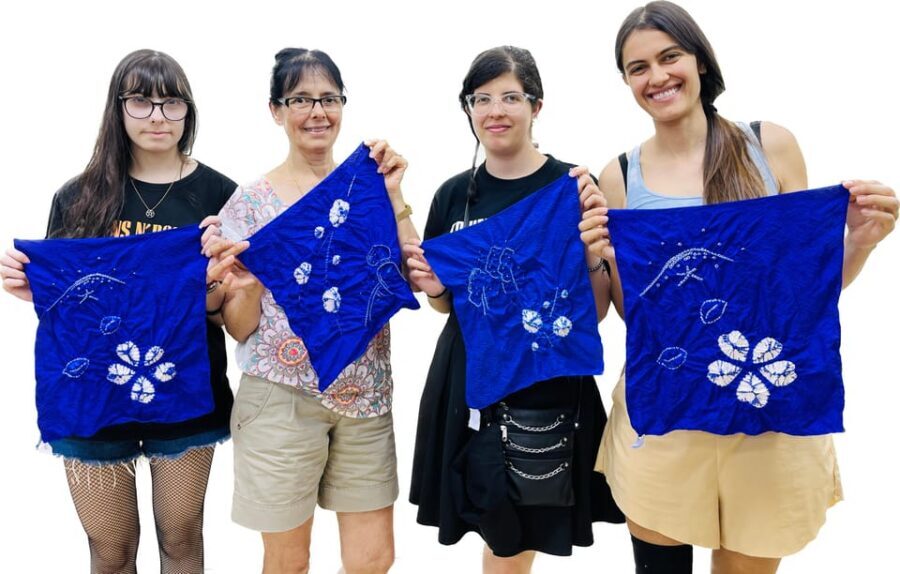
Once your piece is made and begins drying, the museum portion starts feeling like part of the lesson. The course encourages you to explore art pieces and samples displayed around the museum while you wait.
That waiting time is where your understanding grows. You can compare:
- the techniques you just tried,
- to the patterns you’re seeing on display,
- to the tool use that supports those results.
You’ll also find displays of valuable tools used in the shibori process. Even if you’re not planning to become a lifelong textile nerd (no judgment), it helps you see that shibori is craft engineering as much as it is art.
Museum Details: Masterpieces, Tools, and the Point of a Dedicated Shibori Place
Kyoto Shibori Museum isn’t just a backdrop. It’s the core context for the workshop. The museum explains shibori from multiple perspectives and shows a range of completed works, including what you might think of as masterpieces made with shibori.
One more thing I appreciate from a practical-travel standpoint: because it’s a museum dedicated to a single craft, you don’t have to work hard to connect the dots. Everything you look at ties back to the same materials and methods you’re using in class.
If you like cultural experiences that go beyond a single photo moment, this kind of museum pairing is a strong format. You get a maker experience, then you get the why-and-how through real displays.
Museum Shop: What to Browse for (and How to Avoid Impulse Buying)
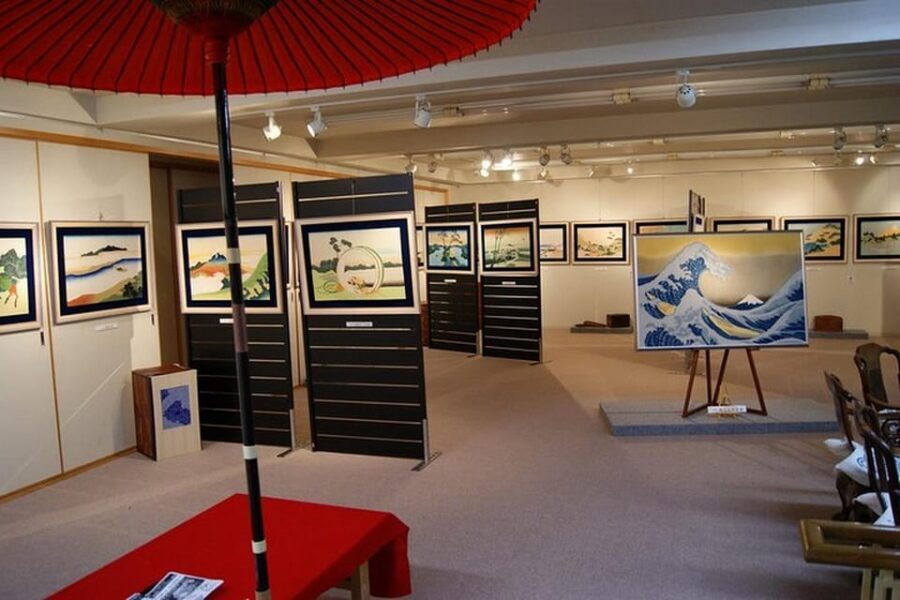
After the class, you can head into the museum shop. This is where you’ll find original items, souvenirs, and fabrics tied to the museum’s shibori focus.
When you browse, you’ll get the best value if you treat it like a textile viewing session:
- Look at items that clearly show pattern logic, not just pretty color.
- Compare how different shibori looks when it’s finished as fabric or a wearable piece.
- If you’re buying fabric, check the pattern style so you can recognize it in your own piece later.
Since you just worked on Kasamaki and Nuishime, you’ll likely notice details you would normally miss in a standard souvenir stall.
Price and Value: Is $70 Worth One Hour?
The price is $70 per person, and the workshop includes free admission to the Kyoto Shibori Museum, which is normally 1,000 yen.
Here’s how I think about the value for you:
- You’re paying for a guided, small-group class (limited to 8), plus instruction with an English/Japanese instructor.
- You’re also paying for access to a shibori-specialist museum experience during drying time, not just a quick craft activity.
- You get named, hands-on instruction for two techniques, plus the museum context that makes those techniques feel meaningful.
Is it a bargain compared to casual souvenir-making? No. But it’s also not trying to be. This is a structured craft class in a dedicated shibori museum, and that kind of setting costs money.
If you’re the type of traveler who likes to learn a technique you can explain afterward, this price can feel fair. If you only want a short cultural checkbox and don’t care about understanding the process, you might find it harder to justify.
Who This Shibori Course Suits Best
This course fits you best if:
- you want a hands-on Kyoto experience that stays connected to a real museum
- you like learning specific techniques, not just doing an activity
- you’re visiting around Nijo Castle and want an easy nearby add-on
- you prefer a calmer small-group setting (max 8 participants)
It’s less ideal if you’re only looking for something extremely fast, because the experience is designed around making and letting your piece dry while you explore.
Should You Book This One-Hour Shibori Class?
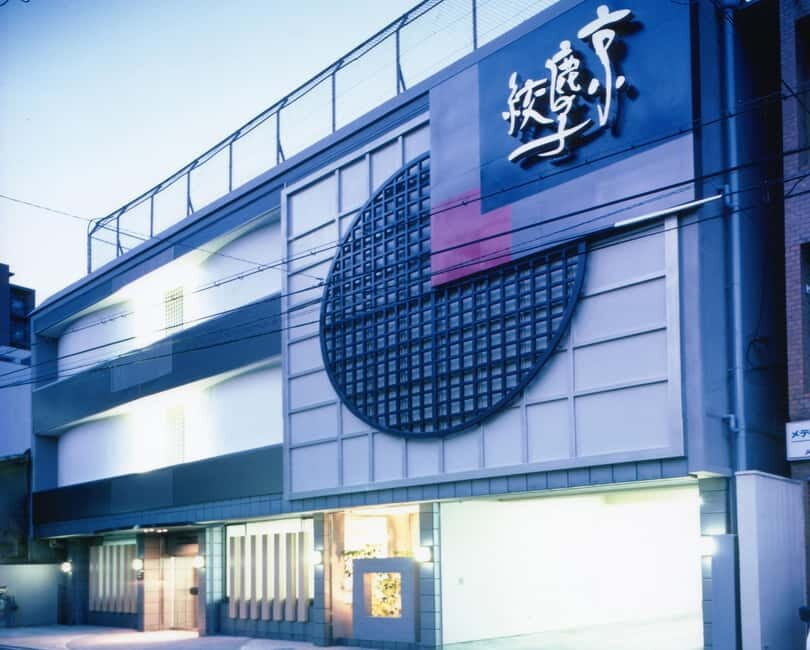
I’d book it if you want a short, focused craft class with real technique names (Kasamaki and Nuishime) and a museum that supports what you’re doing. The free museum admission adds value, and the shop gives you a smart way to keep learning after the class ends.
Skip it only if you’re mainly chasing quick sightseeing and you don’t care about the actual process behind the patterns.
If you’re curious about shibori as a craft, this is a solid way to understand it in just one hour, with plenty to look at while your silk dries.
FAQ
How long is the Shibori Fukusa course?
The total duration is 1 hour, and the class itself runs about 30 to 60 minutes.
Where is the Kyoto Shibori Museum located?
Kyoto Shibori Museum is a 5-minute walk from Nijo Castle.
How much does the workshop cost?
The price is $70 per person.
How big is the group?
It’s a small group limited to 8 participants.
What shibori techniques will I learn?
You’ll use Kasamaki shibori (winding technique) and Nuishime shibori (sewing technique).
What will I make?
You will dye a silk fabric and create your own shibori scarf as part of the class.
What do I do while my piece dries?
You can explore displayed art pieces and samples at the museum during the drying time.
Which languages are available for instruction?
The instructor teaches in English and Japanese.
Is museum admission included?
Yes. Workshop participants receive free admission to the Kyoto Shibori Museum, which is normally 1,000 yen.
Can I cancel or pay later?
You can cancel up to 24 hours in advance for a full refund, and you can reserve now and pay later to keep plans flexible.