REVIEW · KYOTO PREFECTURE
Kyo-arashi Shibori Scarf Class at Kyoto Shibori Museum
Book on GetYourGuide →Operated by KYOTO SHIBORI MUSEUM · Bookable on GetYourGuide
A scarf class can be surprisingly precise. This Kyo-arashi shibori experience turns a resist-dye technique (tube and string) into a stylish pattern you can wear, and you also get museum time while your scarf dries. I especially like the chance to learn a craft method with a clear visual payoff, and I like that the room isn’t just about your project.
One possible drawback to plan for: your total time is only 1 hour, so serious museum browsing and shopping will be more of a quick-and-smart scan than a slow weekend visit.
In This Review
- Key things to know before you go
- Kyoto Shibori Museum and why Kyo-arashi creates such sharp patterns
- Your 1-hour scarf class: what you’ll actually do
- Tube-and-string resist dyeing: the part that makes it feel different
- Exploring the museum while your scarf dries
- Museum shop browsing: original souvenirs and fabrics worth a look
- Location near Nijo Castle: how to fit this into a Kyoto day
- Price and value: is $49 for a shibori scarf class worth it
- Who should book this class, and who might not enjoy it
- Should you book the Kyo-arashi scarf class?
- FAQ
- How long is the Kyoto Shibori Museum Kyo-arashi scarf class?
- How long is the actual scarf-making part?
- What technique is taught in this class?
- What is the class group size?
- What languages does the instructor speak?
- What’s included with the workshop ticket?
- Is there time to look around the museum during the class?
- Is there shopping available after learning?
- Can I cancel and get a refund?
Key things to know before you go
- Kyo-arashi shibori uses tube + string resist dyeing, so your pattern is built during the wrapping step
- Small group up to 8 means more hands-on help if you get stuck
- Your scarf dries while you explore, so you are not stuck waiting in silence
- The museum shows tools, samples, and masterpieces, which helps you understand what you’re making
- The shop sells original items and fabric, so you can turn inspiration into a take-home souvenir
Kyoto Shibori Museum and why Kyo-arashi creates such sharp patterns
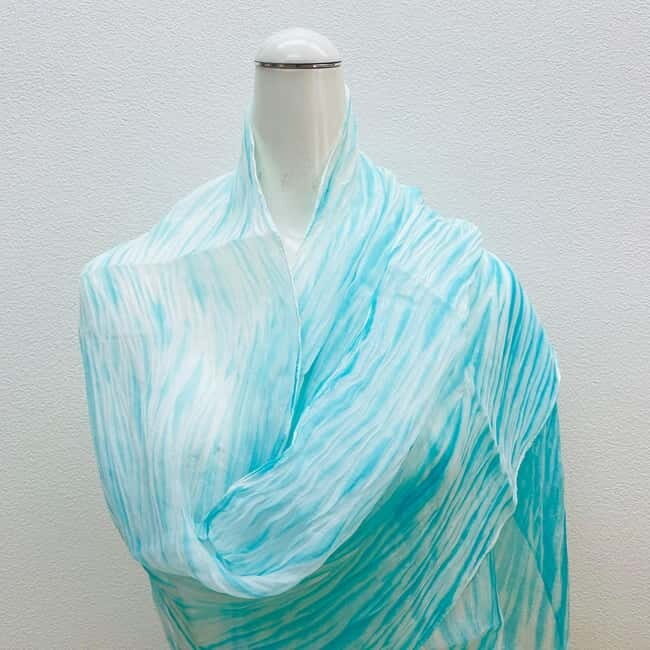
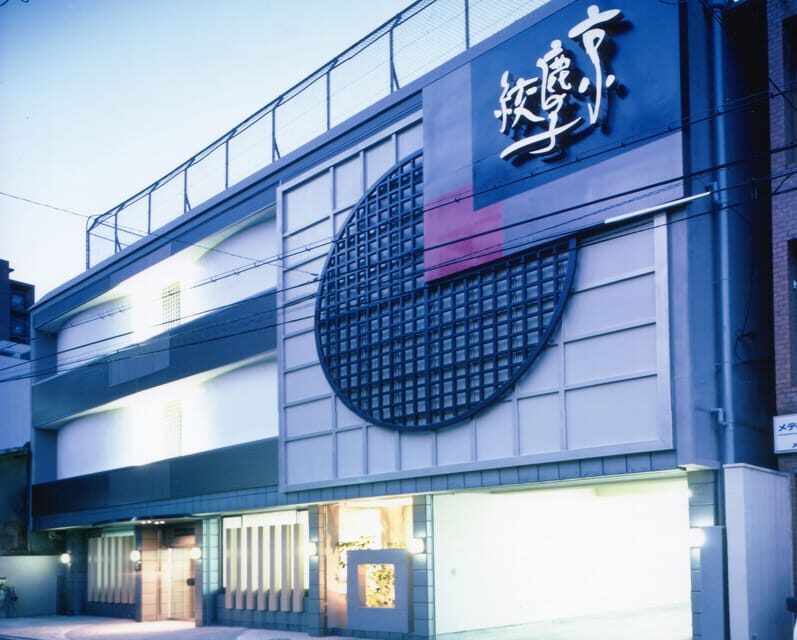
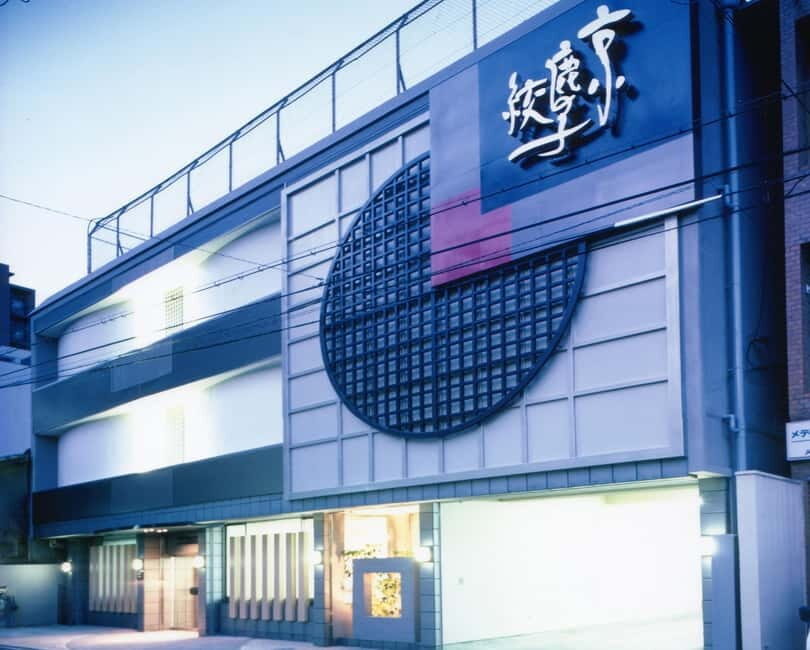
Kyoto Shibori Museum is exactly what it sounds like: a museum focused on shibori, the dye-resist textile craft that creates patterns by controlling where dye can and cannot go. The museum opened in 2001, and its whole mission feels practical—show shibori from multiple angles, using real works and real tools, so you can see how this method became a respected art form.
The specific technique here is Kyo-arashi shibori, which resists dyeing using a tube and string. In plain terms, the scarf’s pattern comes from the way the fabric is tied and pressed before dyeing. That’s why the results tend to look intentional rather than random. If you like crafts where you can trace the logic from step to outcome, this class is a good match.
Also, this is not a class happening in a corner of a big department store. The museum setting matters. You’re learning the craft in the same place where you can study examples—so you’re not just making a scarf. You’re learning how shibori design works in the real world.
You can also read our reviews of more museum experiences in Kyoto Prefecture



Your 1-hour scarf class: what you’ll actually do
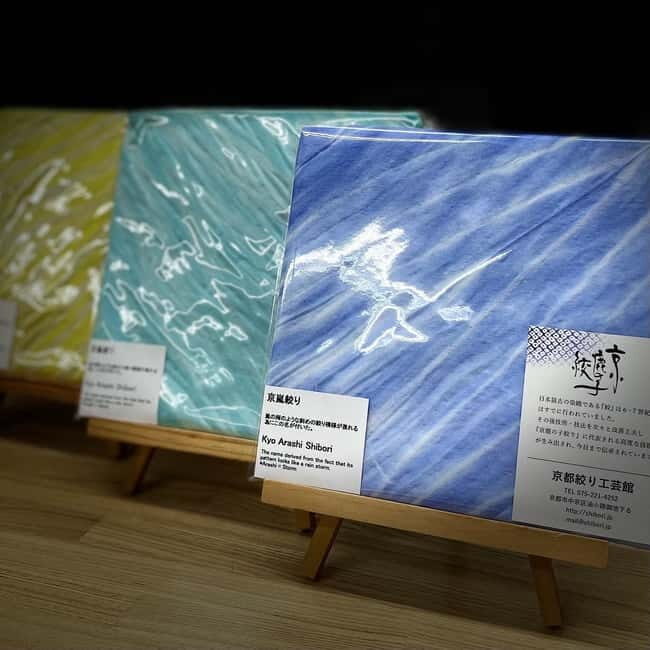
You’re looking at a 1-hour experience with a class session that runs roughly 30 to 60 minutes. The exact timing can vary, but the rhythm stays the same: you learn the method, create your own wrapped scarf, and then you let it dry.
Because the group is limited to 8 people, the instructor can actually keep an eye on what you’re doing. That small size is one of the clearest reasons this class gets high marks—it’s easier to get unstuck when you only share the room with a handful of people.
The instructor can work in English and Japanese, so you’re not forced into hand-waving if you’re not fluent. You’ll get clear guidance through the process, and there’s also a short video component on shibori art. That’s a nice layer of learning because it helps you connect what you’re wrapping to the kinds of designs shibori can produce.
One smart way to think about this class: it’s both a workshop and a mini lesson. Your scarf is the project, but your understanding grows while you compare your work to the museum’s examples.
Tube-and-string resist dyeing: the part that makes it feel different

A lot of dye crafts focus on color choices. Shibori flips that. In Kyo-arashi, the big decision is the resistance—how the fabric is shaped and bound. Using a tube and string means you’re creating controlled pathways for dye to hit (or avoid) the cloth.
Here’s why that matters for you as a visitor:
- If you like tactile tasks, you’ll be doing real handwork instead of only watching.
- If you like design, you’ll start seeing patterns as outcomes of structure, not luck.
- If you’re worried about being artistic, good news: shibori is guided. You’re following a method that has been tested and refined.
And yes, there’s a waiting piece. Your scarf needs time to dry, which is why the next part of the experience is so important: you don’t just sit there wondering what’s happening. You get to use the museum time.
Exploring the museum while your scarf dries
This is one of the most practical features of the class. While your piece dries, you can explore the museum upstairs and around the exhibit areas. That timing is built into the experience, so you’re not turning it into a schedule headache.
In the museum, you’ll see:
- Art pieces and samples that show shibori patterns in action
- Various valuable tools used in the shibori process
- A display approach that lets you understand shibori from different perspectives (not just one technique, but the wider craft world)
The museum’s design is helpful because it lets you look at examples with your hands still fresh in your mind. You just wrapped, you just learned the resist idea, and then you can walk up and compare what you made to what you see on display.
If you enjoy learning through context, this part adds value fast. It turns a scarf you made into a scarf you understand.
Museum shop browsing: original souvenirs and fabrics worth a look
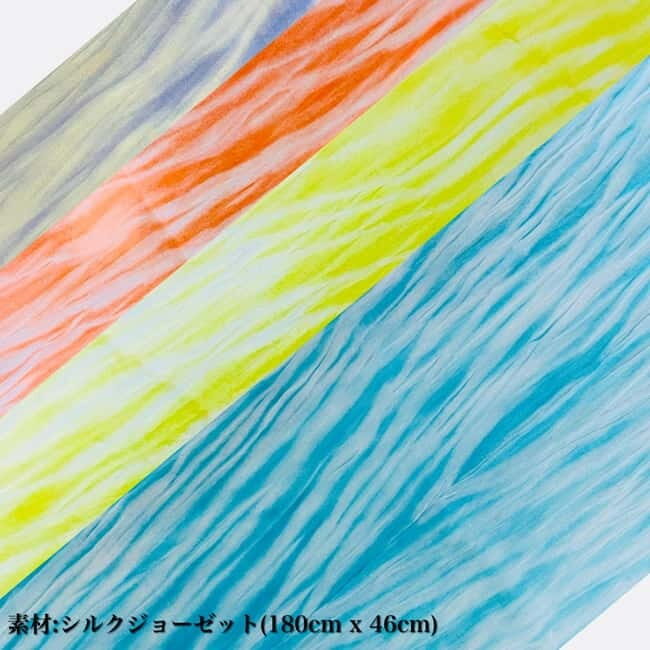
After (or alongside) your museum exploring, you’ll have time in the museum shop. It’s not just a place to grab a random post card. You can admire a variety of original items, souvenirs, and fabrics available for purchase.
What I like about this shop setup is that it gives you a reason to browse with intent. You’ve just learned how shibori patterns form, so you can spot the craft logic in what you’re looking at. If you end up buying something, it feels less like a tourist purchase and more like taking home a piece of the same world you just studied.
Practical tip: keep your shopping mindset light during the class itself. You’ll be focused on your scarf steps and then on drying time. Save the longer, comparison-shopping moment for after you’ve seen the displays.



Location near Nijo Castle: how to fit this into a Kyoto day

The Kyoto Shibori Museum is located about a 5-minute walk from Nijo Castle. That makes it a handy stop when you’re building a Kyoto itinerary.
In practice, it’s easiest to pair this with another nearby cultural visit. If you’re already planning around Nijo Castle, you can treat this class as the hands-on, creative counterweight. The castle gives you architecture and atmosphere; the shibori class gives you something you can take home and remember by touch.
Also, the short walking distance means you’re less likely to lose time to transit stress. That matters in Kyoto, where the day can feel long if you’re moving constantly.
Price and value: is $49 for a shibori scarf class worth it
The price is $49 per person, and that number matters because you’re not just paying for a simple craft demo. You’re paying for:
- A guided Kyo-arashi shibori scarf workshop (small group, instructor support)
- A museum experience component while your scarf dries
- Access to the museum that’s normally 1,000 yen (and included with workshop participation)
That included museum admission is a real value lever. Even if you don’t buy anything in the shop, you’re still getting structured time in a shibori-focused museum rather than only a brief workshop room experience. And because the class group is small, the per-person instruction feels more direct than many larger-batch craft sessions.
So, is it worth it? If you want an actual take-home textile and you’re curious about shibori beyond surface level, yes. If you only want a quick souvenir and you’re not interested in learning a technique, you might decide to skip the class and browse the museum shop instead.
Who should book this class, and who might not enjoy it
This class fits best if you:
- Like hands-on activities where you can see the steps connect to the final pattern
- Want a small group learning setting with English or Japanese support
- Enjoy mixing making something with museum time (instead of being stuck waiting)
You might not love it as much if:
- You want a long, unhurried visit. The overall duration is 1 hour, so it’s not built for deep, hour-by-hour museum wandering.
- You prefer open-ended art where you choose every detail yourself. Here, the value is in learning the tube-and-string Kyo-arashi method.
That said, the class format is friendly for couples and small groups, since the learning pace is guided and the museum time fills the wait period.
Should you book the Kyo-arashi scarf class?
Book it if you want a confident, structured workshop in a shibori-focused museum setting. The strongest reasons are practical: small group size, clear instruction, and the fact that your scarf drying time turns into museum learning time instead of idle waiting.
If you’re in Kyoto and you’re already near Nijo Castle, this is an efficient add-on. You leave with something wearable and you leave understanding a craft logic that you can keep noticing when you see shibori anywhere else.
If your idea of fun is pure free-form shopping or you only have time for a quick stop, you may prefer skipping the class and focusing on museum browsing on your own. But for most people who like craft and want a take-home result, this one is a solid bet.
FAQ
How long is the Kyoto Shibori Museum Kyo-arashi scarf class?
The experience lasts 1 hour.
How long is the actual scarf-making part?
The class portion runs about 30 to 60 minutes.
What technique is taught in this class?
It teaches Kyo-arashi shibori, a resist-dyeing method using a tube and string.
What is the class group size?
It is a small group limited to 8 participants.
What languages does the instructor speak?
The instructor provides instruction in English and Japanese.
What’s included with the workshop ticket?
Workshop participants get free admission to the Kyoto Shibori Museum, which is normally 1,000 yen.
Is there time to look around the museum during the class?
Yes. While your scarf is drying, you can explore the museum displays.
Is there shopping available after learning?
You can visit the museum shop, where original items, souvenirs, and fabrics are available.
Can I cancel and get a refund?
Free cancellation is available up to 24 hours in advance for a full refund.