REVIEW · KYOTO PREFECTURE
Amanohashidate Sand bar & culture e-bike tour
Book on Viator →Operated by Umino Kyoto E-Bikes · Bookable on Viator
Bike across a Kyoto sandbar. That simple idea leads to a surprisingly spiritual, very scenic ride along the coast at Amanohashidate, a natural sandbar treated like a bridge to the heavens. I love using latest electric bikes to glide through rice fields and older roads without frying your legs, and I also love the mix of shrines, beaches, and ocean views along the way. One thing to consider: the climb to Amanohashidate View Land costs extra and adds stairs, so plan your energy accordingly if you’re short on time or heat-tolerance.
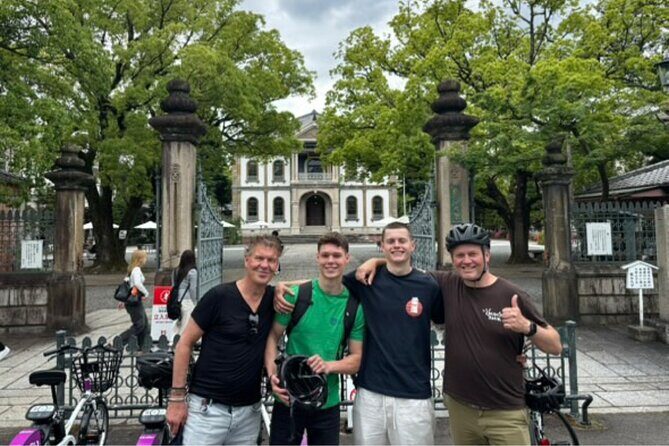
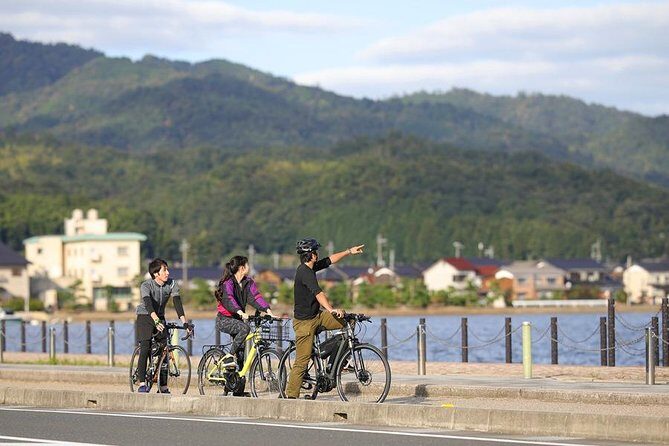
This is a guided, private-style experience (only your group rides together) that moves at a human pace. You’ll cross the sandbar area on bicycle, then hop through several sacred spots that give the landscape context beyond the postcard view.
As for the vibe, expect a lot of outdoors time. The tour runs only in good weather, and on hot days the route and breaks matter, so bring what you need to stay comfortable.
In This Review
- Key highlights you’ll feel right away
- Why Amanohashidate still feels like more than scenery
- E-bike riding over rice fields and historic roads
- Stop-by-stop: Amanohashidate Shrine and Chion-ji Temple
- Crossing the Amanohashidate sandbar by bike
- Amanohashidate View Land: the optional climb that changes the photo
- Manai Shrine and Motoise Konojinja: Shinto details worth slowing for
- Price and timing: what $97.73 really buys you
- Who this Amanohashidate e-bike tour fits best
- What to bring and how to plan your day
- Should you book this Amanohashidate Sandbar e-bike tour?
- FAQ
- How long is the Amanohashidate Sand bar & culture e-bike tour?
- Where does the tour take place?
- What are the main stops on the tour?
- Is admission included at each stop?
- Are the bikes for beginners, or is this physically demanding?
- Is this tour private?
- What happens if weather is bad?
Key highlights you’ll feel right away
- E-bikes that make the route doable even if you’re not a fitness machine
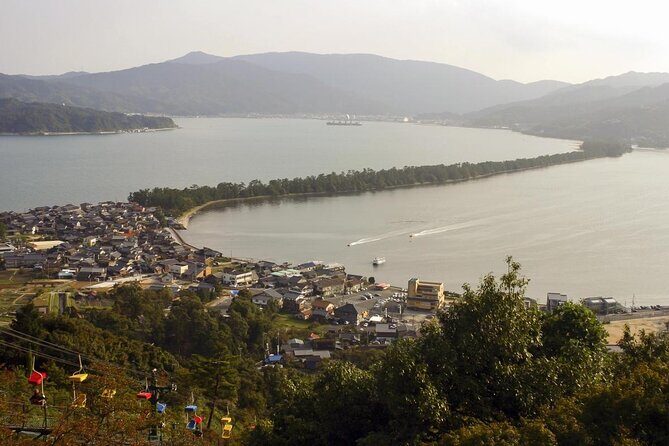
- A 3 km sandbar crossing by bike (pedestrians and bicycles can pass)
- Shrines and temples with quick, meaningful stops—free admissions at most places
- Ocean-and-beach sightlines mixed in with rural lanes and rice fields
- A view-from-above option at Amanohashidate View Land, with a separate entrance fee
Why Amanohashidate still feels like more than scenery
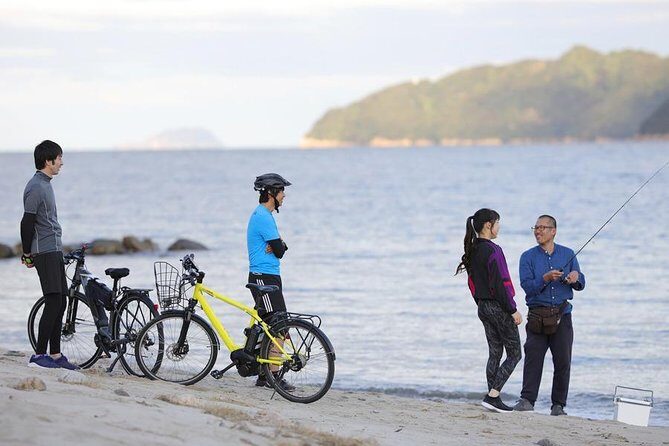
Amanohashidate (about 3 km long) is famous for being a natural sandbar that locals have respected since ancient times. The name itself is tied to the idea of a bridge to the heavens, which helps explain why the place isn’t just about views. You’ll feel that in the route: sacred stops are placed along the landscape, not stuck at the end like an afterthought.
What I like about Amanohashidate is that it gives you two kinds of beauty at once. There’s the big “wow” from the sandbar and ocean, sure. But there’s also the quieter rhythm: the bike ride through countryside lanes, the temples and shrines tucked near the shoreline, and the sense that people have been coming here for generations.
Also, it’s one of Japan’s Three Most Scenic Spots, so you’re going to see why that label gets repeated. The difference on this tour is that you’re not just standing and photographing—you’re moving through the place at a pace that makes the setting click.
You can also read our reviews of more cycling tours in Kyoto Prefecture

E-bike riding over rice fields and historic roads
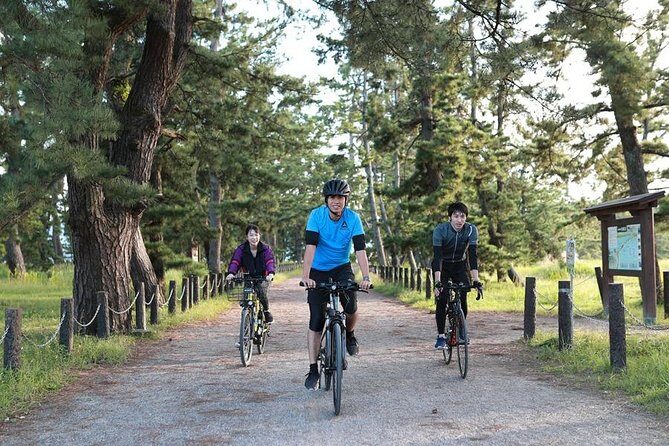
This tour is built around electric bikes, and that choice changes the whole day. You can enjoy the scenery without turning the experience into a workout you regret later. Even if your legs aren’t strong, the e-bike support helps you keep a steady pace, which matters because you’re stopping often.
The ride itself is part of the attraction: rice fields and historic road sections come into view, plus ocean air as you get closer to the coast. You’re not rushing through everything on a bus. Instead, you’re gliding—close enough to notice small details, but not straining your body just to keep up.
One practical benefit: the guide can adjust your path when it’s hot. In past experiences, the ride has included a flatter, shadier route on very warm days. If you know Kyoto in summer can feel relentless, that flexibility is a big deal. It means you spend time seeing, not just powering through heat.
Stop-by-stop: Amanohashidate Shrine and Chion-ji Temple
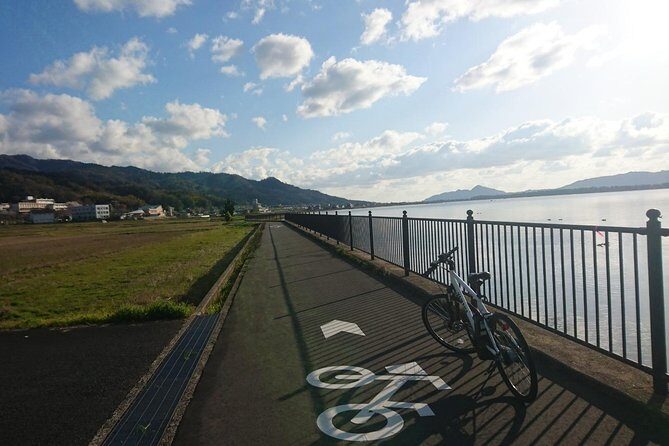
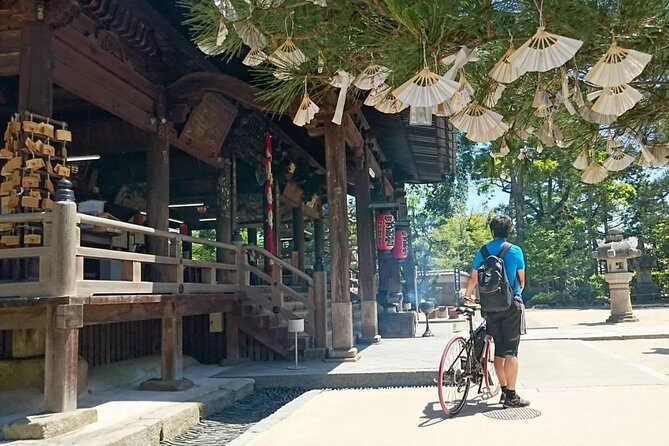
Your first stop is Amanohashidate Shrine, right on the sandbar area. You’ll only be there briefly, but those first minutes set the tone. Since the area is treated as sacred, starting here helps you understand why people make a point of coming at all—not just to look, but to feel the place’s significance.
Admission is free, so there’s no awkward budget moment right away.
Next up is Chion-ji Temple. Another quick visit (about five minutes), again with free admission. This isn’t a long temple meditation session type of stop. It’s more like a “get your bearings and learn the meaning of what you’re seeing” stop. For many people, it’s the best kind of short cultural stop during an outdoor day: you get context without losing your entire afternoon to crowds and detours.
Crossing the Amanohashidate sandbar by bike
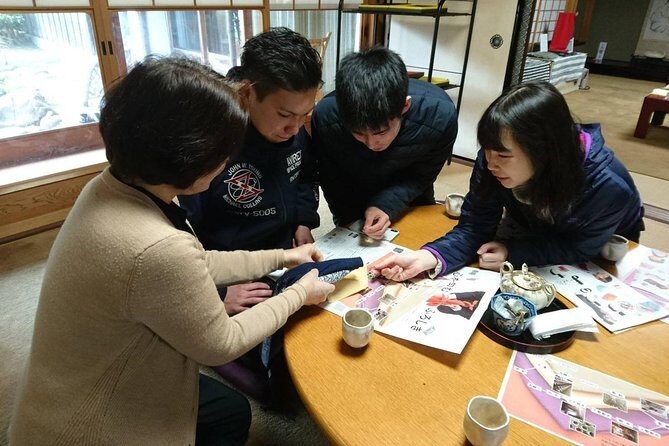
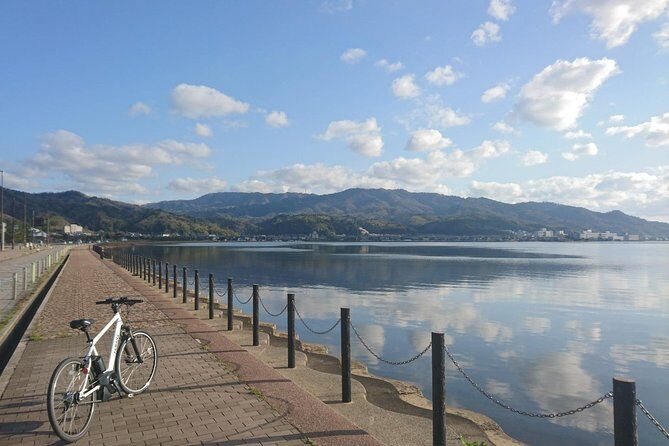
Now for the main event: you cycle across the sandbar area. Amanohashidate’s sandbar is known for being a place where only pedestrians and bicycles can pass, which makes the bike component special. You’re not just walking along the edges—you’re crossing through the defining feature of the landscape.
The crossing is allotted time (around 20 minutes), which feels right. Long enough for the view to really register, short enough that you’re still fresh for the later shrines and the optional climb. And because it’s a bike, you can keep moving while still taking in the ocean presence around you.
What you’ll likely notice most is how the sandbar feels like an in-between space. It’s not “land” in the usual sense. It’s a thin, temporary-looking link between worlds—dry enough to ride, open enough to feel exposed to the sea. That contrast is part of the sandbar’s myth-and-mood.
Amanohashidate View Land: the optional climb that changes the photo
After the sandbar crossing, you can climb up to Amanohashidate View Land for a higher viewpoint. This is a separate entrance fee (not included), so it’s an easy choice to skip if you’re budget-tight or if your legs are done for the day.
But if you like a bigger vantage point, this is where your perspective can shift. From above, the sandbar’s length (and the way it meets the ocean) becomes easier to understand. From ground level, the beauty can feel more intimate. From higher up, the structure and scale become obvious.
If you’ve visited the area before, you might decide to skip it. That’s perfectly reasonable—your day still includes the sandbar crossing and the shrine circuit, which are the heart of the experience.
My practical advice: if you’re going to do the climb, treat it like a decision, not an assumption. Bring water, pace yourself, and don’t let it steal energy from the shrines later in the loop.

Manai Shrine and Motoise Konojinja: Shinto details worth slowing for
The tour continues with two Shinto shrines that add a different kind of meaning to the scenery.
First is Manai Shrine. It’s said to be the place where the gods first descended from heaven. You’ll see elements tied to that belief, including holy water, a bamboo forest, and even the idea of the gods’ boats. Even on a short stop, these details help explain why the landscape feels like more than a nature attraction.
Then you visit Motoise Konojinja Shrine. Again, this is connected to the belief about the gods’ first descent from heaven. Here the visual focus can be on the thatched-roof style shrine area, plus turtles that are associated with what you can see at the site.
These stops are short (about 10 minutes each), and that’s on purpose. You get a meaningful snapshot without turning the day into a checklist of long walks inside compounds. The value is in connecting the symbols—water, bamboo, boats, the shrine style—to the place you’re moving through.
Price and timing: what $97.73 really buys you
At about $97.73 per person for roughly 2 hours and 30 minutes, the price sits in the “worth it if you care about guidance and time” category. You’re paying for more than just the bike. You’re paying for a guided route that hits multiple spots efficiently and keeps the ride smooth.
A few value points that matter:
- It’s private for your group, which helps if you want a less chaotic experience than a large open-group ride.
- E-bike support lowers the barrier, so you’re less likely to waste the day forcing through fatigue.
- Many stops have free admission, so you’re not constantly paying entry fees for each segment.
- The itinerary includes an optional paid add-on (View Land), which lets you control costs.
One more detail: this tour is commonly booked about 52 days in advance on average. That’s a sign it’s a popular way to do Amanohashidate without planning every micro-step yourself. If you’re traveling in peak season or on a limited schedule, I’d treat that as your hint to lock it in sooner.
Who this Amanohashidate e-bike tour fits best
This is a strong choice if you want a guided Amanohashidate day that feels active but not punishing.
You’ll likely enjoy it if:
- you like riding and want the sandbar crossing as the centerpiece
- you want shrines and coastal views, but not a day-long march
- you’re with a group and prefer a more private setup
- you’re not super fit but still want to see more than one or two sights
It’s also a good match if weather and heat are factors for you. On very hot days, the guide has been known to shift toward a flatter, shadier route. That kind of real-time adjustment is the difference between a “cool experience on paper” and one that still feels good on the ground.
What to bring and how to plan your day
Because this is outdoors-focused, keep your prep simple and practical.
- Bring water and something to cool down. Coastal Japan can feel humid fast.
- If you want to linger near beach areas, pack bathers and a towel. In previous experiences, people specifically recommended getting swim-ready.
- Wear shoes that work for short walks inside shrine areas. You’ll be on and off the bike.
- If you think you might climb View Land, plan for some steps. Even if you don’t, the option still exists.
One more small planning note: the ride can include a bonus like a cable car stop, depending on how your day and guide flow. Don’t treat it as guaranteed, but do keep room in your schedule and energy for an extra transport moment if it comes up.
Should you book this Amanohashidate Sandbar e-bike tour?
Yes, you should book it if your ideal Kyoto day includes a guided ride, a real sandbar crossing, and a string of shrines that explain why Amanohashidate matters. The e-bike approach is the key: it makes the experience accessible without turning it into an all-day slog, and it keeps the scenery coming from multiple angles.
I’d reconsider if:
- you know you don’t like climbs (since View Land is optional but costs extra), or
- your schedule is strict enough that you can’t shift dates if weather cancels the ride.
If you’re flexible and you want a fun, meaningful way to experience Amanohashidate beyond standing still, this tour is a strong bet.
FAQ
How long is the Amanohashidate Sand bar & culture e-bike tour?
The tour is about 2 hours 30 minutes.
Where does the tour take place?
It takes place in Kyoto Prefecture, Japan, near public transportation.
What are the main stops on the tour?
You’ll visit Amanohashidate Shrine, Chion-ji Temple, the Amanohashidate sandbar crossing area, Amanohashidate View Land (optional, extra fee), Manai Shrine, and Motoise Konojinja Shrine.
Is admission included at each stop?
Admission is free at several stops, including the shrine and temples. Amanohashidate View Land has an entrance fee that is charged separately.
Are the bikes for beginners, or is this physically demanding?
The tour uses the latest e-bikes, and most travelers can participate. It’s designed so even people who are not very physically fit can enjoy it.
Is this tour private?
Yes. Only your group participates.
What happens if weather is bad?
The experience requires good weather. If it’s canceled due to poor weather, you’ll be offered a different date or a full refund.