REVIEW · KYOTO PREFECTURE
Kyoto Satoyama Cycling with Lunch and English Guide
Book on Viator →Operated by Kyoto Satoyama cycling tour · Bookable on Viator
Four hours in Sonobe feels like a reset.
This Kyoto Satoyama cycling tour uses an e-bike to connect quiet rural roads with real shrine culture, old-school Japan, and countryside meals. You start with morning stops in Sonobe and end back where you began, with time built in for photos, short walks, and eating well.
I really like the hands-on soba making when you choose Course A. In the closed elementary school stop, you get to use locally harvested buckwheat and then eat the soba you help prepare, plus tempura and rice balls. I also like that the guide is local and personal—Maki, and on some tours her husband and Yasu help set the tone with clear explanations and warm guidance.
The main thing to consider is timing: the tour is about 4 to 5 hours, and added options can push you past 2 PM. Also, it’s planned for good weather, since biking in rain is not the plan.
In This Review
- Key things that make this tour worth your time
- Why Sonobe feels like another Kyoto (without leaving Kyoto behind)
- Getting going at 10:00 and keeping the pace easy
- Stop 1: Ikimi Tenmangu Shrine and the learning-prayer vibe
- Stop 2: Sonobe Castle ruins, last castle built in Japan
- Stop 3 (Course A): Making soba at a closed elementary school
- Stop 4: A shrine tied to Tanba agriculture and a thatched roof
- Lunch choices: soba set meal vs traditional-house local produce
- Course A: soba set meal
- Course B: local produce in a traditional Japanese house
- Optional add-ons (2 to 3 included) for extra fun and photos
- Riding with safety gear and a guide who explains what you’re seeing
- Price and value: what you’re really paying for at about $78.83
- Who this Kyoto Satoyama cycling tour is best for
- Should you book this Kyoto Satoyama cycling day?
- FAQ
- What does the tour include?
- How long is the Kyoto Satoyama cycling experience?
- What time does the tour start and where does it meet?
- Are the shrine and castle stops ticketed?
- Can I choose extra experiences during the tour?
- Are meals available for special diets?
- What happens if weather is bad?
Key things that make this tour worth your time
- English guide from Sonobe: You get explanations tied to daily life here, not generic facts.
- E-bike riding, short transfers: Between stops you’re typically looking at 10 to 20 minutes of cycling, so it stays relaxed.
- Ikimi Tenmangu’s exam-prayer tradition: You visit a Tenmangu shrine associated with Sugawara no Michizane.
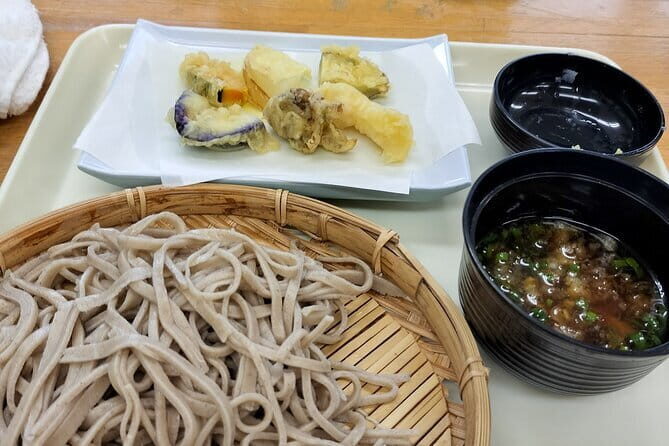
- Soba at a closed school: Course A includes making noodles on-site, then eating what you made.
- Thatched-roof agriculture shrine: You visit a shrine connected to Tanba’s long food-supply role.
- Extras included: Kimono photo time, koto playing, spring water, castle/shrine add-ons, and even Mario Mountain exploration can be added.
Why Sonobe feels like another Kyoto (without leaving Kyoto behind)
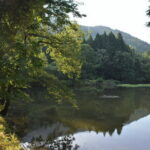
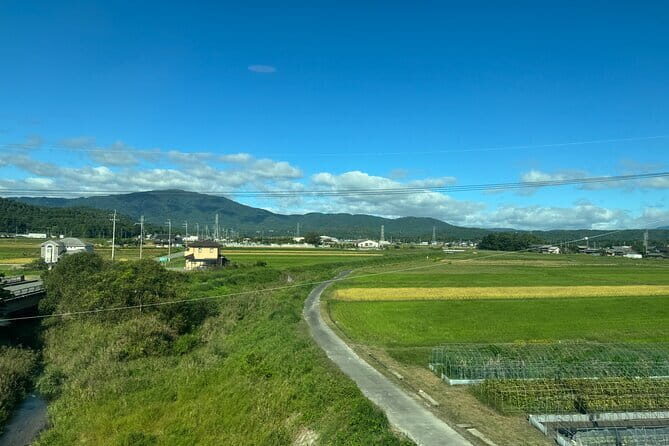
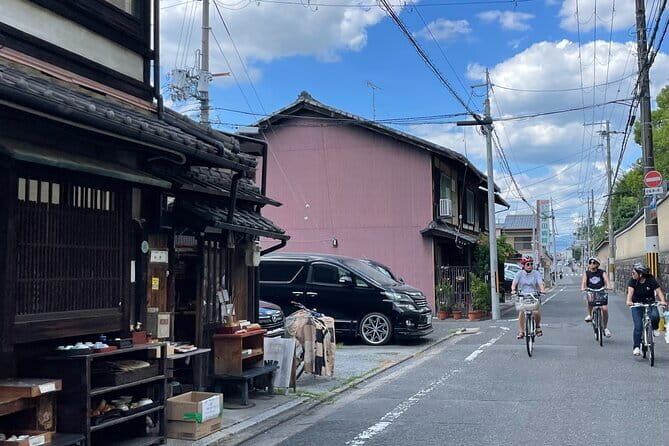
Kyoto city is famous for temples. This tour gives you the version of Kyoto that most day-trippers miss: Sonobe’s countryside rhythm. It’s part of what Japan calls satoyama—human-shaped rural areas where villages, fields, and small waterways sit side by side. You don’t just see it from a window. You move through it on an e-bike, so the day feels like a slow drive… but with better views and more fresh air.
What makes this day work is balance. You get cultural stops—shrines and castle ruins—then you get hands-on food time. And the lunch isn’t an afterthought. It’s built into the experience, either as a soba set meal (Course A) or a local-produce meal in a traditional house (Course B).
Also, the location is practical. You’re only about a 30-minute train ride from Kyoto City, and the tour meets in Sonobe near public transportation. In other words, you don’t need a car to do something that feels rural and real.
You can also read our reviews of more cycling tours in Kyoto Prefecture

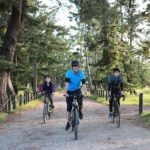
Getting going at 10:00 and keeping the pace easy
This is a private tour/activity, meaning only your group participates. That matters because it keeps the day calmer, with fewer waiting games and more time for questions—especially useful if you want to ask about local customs at a shrine.
You start at 10:00 am at Mizobe-6-21 Sonobechō Oyama Higashimachi, Nantan, Kyoto 622-0041, Japan, and you return to the same meeting point. The total duration (about 4 to 5 hours) includes bike travel time between stops, which is typically around 10 to 20 minutes. So you’re not spending the whole day pedaling hard or racing between locations. It’s more of a guided rolling route.
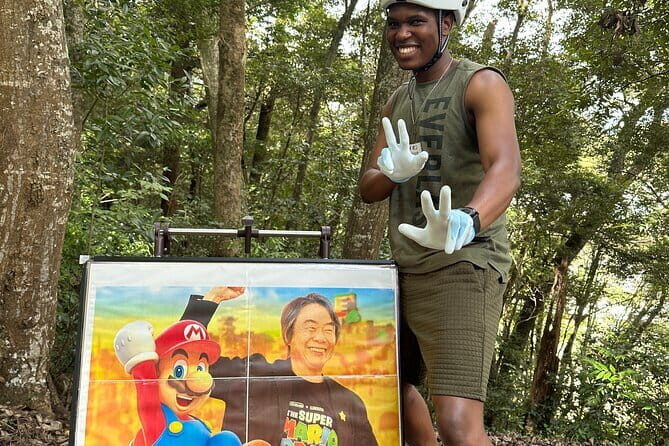
One smart detail: the tour can include extra experiences on top of the core route. The day is designed so you can add two or three options and still keep things moving. Just remember that adding a lot can stretch the schedule, especially with longer add-ons like the Mario Mountain exploration.
Stop 1: Ikimi Tenmangu Shrine and the learning-prayer vibe
Your first major stop is Ikimi Tenmangu Shrine, described as the oldest Tenmangu shrine in Japan. Tenmangu shrines are connected to Sugawara no Michizane, often associated with learning and academic success. That theme is why so many people come here to pray, particularly around exam seasons.
Even if you’re not chasing the prayer tradition, this stop sets the tone for the day. Shrines are where you learn how locals think about community and well-being. The best part is that it isn’t just a quick photo stop. You have time (about 10 minutes) to orient yourself, take in the shrine setting, and move on with context rather than just momentum.
If you’ve visited famous shrine complexes in Kyoto city, you’ll notice a difference here: smaller scale, more rural calm. That’s a good thing. You’ll feel less rushed, and it’s easier to talk with your guide about what the place means locally.
Stop 2: Sonobe Castle ruins, last castle built in Japan
Next up: the ruins of Sonobe Castle. This is the kind of stop you only really appreciate when you’re standing in the place. The castle ruins include the main gate, castle walls, turrets, and a guardhouse—and right now the surviving gate area is used as the main gate for Sonobe High School.
The description that it’s the last castle built in Japan gives this place a strong hook. But what makes it worth your time is the mix of old and everyday. You’re looking at structures that once had a military purpose, now folded into school life. It’s a reminder that Japan doesn’t treat the past like a museum display. It keeps working around it.
You also have a free visit time here (about 20 minutes). That’s enough time for you to walk the edges, spot what remains, and get your bearings before the food portion gets hands-on.
Stop 3 (Course A): Making soba at a closed elementary school
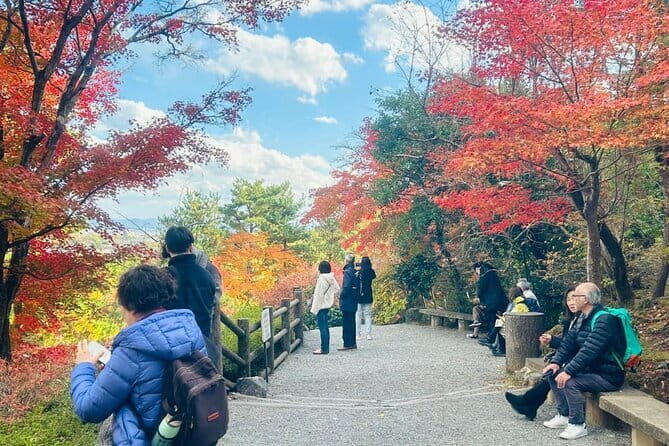
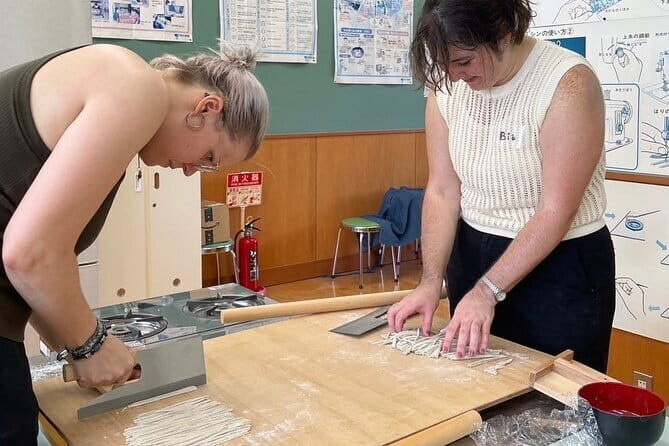
This is the main event for food-focused people. At the old elementary school site, the tour brings you into a working-style soba session. The setting is a closed school building—an unusual backdrop that instantly makes the experience feel specific to Sonobe.
Here’s what you do and eat:
- You make soba using buckwheat flour harvested locally.
- You get freshly boiled soba.
- Tempura and rice balls are also served.
And this stop has real time attached to it—about 1 hour 50 minutes. So don’t plan this tour if you want a strict “see everything in 90 minutes” day. Plan it if you like food steps: flour, boiling, and tasting.
Also, this is where you’ll feel the strength of having a local guide. Maki (and sometimes her team) doesn’t just point. She explains in plain terms—what you’re seeing, why it’s done that way, and how it connects to the area. In one of the most helpful review moments, the lunch theme at the guest house restaurant came up as frog-themed, which says a lot about the playful warmth you can expect during meal time here.

Stop 4: A shrine tied to Tanba agriculture and a thatched roof
The last core shrine stop is Make Shrine (linked in the tour description to agriculture from the Tanba region). You learn how agriculture supported Kyoto’s food supply historically, and you also see a main hall with a traditional thatched roof.
This stop is more than a quick cultural checkbox. It helps you understand the day as a theme: rural Sonobe isn’t only scenic. It’s functional. Shrines in Japan often explain local values—what people needed, what they respected, and what they wanted to protect.
The tour time here is about 30 minutes. You’ll likely get a short introduction to shrine etiquette, since the description notes learning proper ways of worship. Even if you’ve visited shrines before, it can still be useful—small behavior details can change how respectful you feel in the moment.
Lunch choices: soba set meal vs traditional-house local produce
Lunch is where this tour turns from sightseeing into a real experience.
Course A: soba set meal
If you’re on Course A, lunch centers on the soba experience. You’ll get freshly boiled soba and the set includes the other meal items served during the soba-making session. This course is best if you want to do something with your hands and taste a meal tied to a specific local ingredient chain: local buckwheat, your work, then the final bowl.
Course B: local produce in a traditional Japanese house
Course B shifts the focus to local produce, served at a restaurant in a traditional Japanese house. You don’t do the same soba-making session here, but you still get the “eat like the area eats” payoff.
One practical plus: you can request vegan, vegetarian, and allergy-friendly meals. That’s a big deal on food-based tours. You should still tell the operator your needs in advance at booking, but the key point is that they’re set up to handle it.
Optional add-ons (2 to 3 included) for extra fun and photos
This tour is flexible. Along the route, you can choose additional experiences included in the price. These aren’t random extras—they fit the rural Sonobe vibe.
Common add-on options include:
- Castle visit (beyond the core ruins stop, depending on schedule)
- Shinto shrine worship add-on (extra time for shrine-focused moments)
- Drinking spring water from a spot on a small mountain
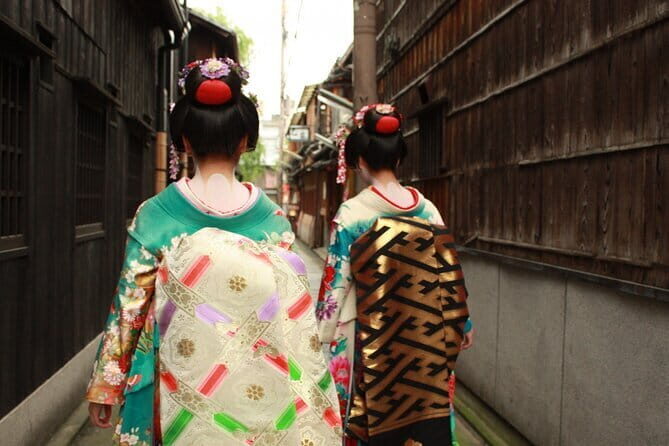
- Kimono photo time
- Playing the koto (Japanese traditional instrument)
- Mario Mountain exploration (Mt. Komugi, described as the birthplace of Mario)
Be aware of the schedule impact. The tour description notes that exploring Mt. Komugi may extend the day past 2 PM. That’s not a reason to skip it. It just helps to plan your next commitment (or keep it open).
If you like offbeat cultural things—like trying the koto or dressing for a photo—this is a great day to do it. If you’re more low-key, you can skip the add-ons and just enjoy the ride, the shrines, and the meal.
Riding with safety gear and a guide who explains what you’re seeing
Biking days can feel stressful if you don’t know the route or the pace. Here, the guidance is built into the experience. You get clear instructions at the start and explanations at each stop. Maki and her support team (her husband and Yasu showed up in one group’s account) help you understand what you’re looking at without making it feel like a lecture.
Safety matters too. In a wintertime visit, the guide team prepared disposable hand warmers and neck warmers for cold weather. They also had safety equipment ready. Even if you come in comfortable seasons, bring layers anyway. Rural mornings can cool down quickly once the sun shifts behind the hills.
Price and value: what you’re really paying for at about $78.83
The price listed is 15,000 yen per person (about $78.83). At first glance, that can feel like a lot for a half-day. But this tour stacks value in a few ways.
You’re paying for:
- An English guide (local, not just a generic interpreter)
- E-bikes, which turn a rural route into something accessible without exhausting yourself
- A structured route with multiple stops
- Included meal time (soba set for Course A, or lunch at a traditional house for Course B)
- Optional add-ons like kimono photo and koto playing, depending on what you choose
Also, key stops list free admission tickets (Ikimi Tenmangu Shrine and the Sonobe Castle ruins and the other shrine/stop admissions are marked free in the tour details). That doesn’t remove your costs, but it means you’re not paying extra on top for entrance fees.
If you’re trying to compare, treat it like an activity + meal + guided day out, not like a simple bike rental. You’re buying the route, the local context, and the food moment—especially if you pick Course A and actually make soba.
Who this Kyoto Satoyama cycling tour is best for
This is a strong fit if you want:
- A break from Kyoto city crowds while still staying close (about a 30-minute train ride)
- Rural Japan you can feel up close, not just look at
- A day with both culture and food
- An easier ride thanks to an e-bike
It also works well for larger groups because the tour is private for your group. One school group example included 16 people (high school students plus a couple adults and children), and they still made it feel organized.
If you’re the kind of traveler who loves quiet corners, shrine rituals, and hands-on eating, you’ll probably have a great time. If you hate structured schedules, the 4 to 5 hour commitment (plus optional add-ons) might feel a little busy, so choose your extras carefully.
Should you book this Kyoto Satoyama cycling day?
Yes, I’d book it if you want a real Sonobe day: e-bike riding, shrine stops with meaning, and lunch that’s tied to the area. Course A is a standout choice if you want the tactile satisfaction of making soba and then eating it hot.
I’d think twice if you’re trying to keep the day very short, since the soba-making portion runs long and extra options like Mario Mountain exploration can push the finish later than you expect. Also, if rain is a common issue for your travel dates, know that the tour requires good weather for biking plans.
If you like your Kyoto off the main temple grid, this is a smart way to get there—on wheels, with an English guide, and with a meal that tastes like the town you just rode through.
FAQ
What does the tour include?
The tour includes an English guide, e-bike cycling, multiple cultural stops, and lunch. Course A includes a hands-on soba noodle-making experience with a soba set meal. Course B focuses on local produce at a restaurant in a traditional Japanese house.
How long is the Kyoto Satoyama cycling experience?
The duration is about 4 to 5 hours. The total time includes travel time by bicycle between stops.
What time does the tour start and where does it meet?
The tour starts at 10:00 am. It meets at Mizobe-6-21 Sonobechō Oyama Higashimachi, Nantan, Kyoto 622-0041, Japan, and ends back at the meeting point.
Are the shrine and castle stops ticketed?
The listed stops have free admission tickets for the shrine and castle ruins.
Can I choose extra experiences during the tour?
Yes. You can choose two or three extra experiences from options listed by the tour, such as kimono photo, playing the koto, drinking spring water, and Mario Mountain exploration, along with other add-on shrine/castle time.
Are meals available for special diets?
Vegan, vegetarian, and allergy-friendly meals are available upon request.
What happens if weather is bad?
The tour requires good weather. If it’s canceled due to poor weather, you’ll be notified by 5:00 PM the day before and you can either reschedule for another date or cancel for a full refund.