REVIEW · TOKYO
Tokyo: Imperial Palace with Nostalgic Alley Kagurazaka tour
Book on GetYourGuide →Operated by Japan Wonder Travel · Bookable on GetYourGuide
Tokyo history, with snack breaks built in. This Imperial Palace to Kagurazaka tour is a smart way to see Tokyo’s most important sights without feeling like you’re stuck in a crowd. I like how the route links the Edo shogun era to what you still walk past today, plus you get a focused look at the alley side of Kagurazaka—where most people just don’t go.
What I really like is the attention to detail from the English-speaking guide. Guides like Shuntaro and Hiro are mentioned for answering questions well and tailoring their talk to what the group wants to know, so you actually understand what you’re standing in front of. Second, I like the pacing: you get photo stops, guided segments, and a real break with coffee or tea at Aomi Coffee Kudanshita.
One thing to consider: you won’t enter the inner Imperial Palace, since it’s not open to the public. If you were hoping for inside access, you’ll want to adjust expectations and enjoy the outer grounds and historic ruins instead.
In This Review
- Key highlights worth your time
- Imperial Palace first: a smooth start from Shin-Marunouchi and Tokyo Station
- Ote-Mon Gate and Ninomaru Garden: what the outer grounds can teach you
- Edo Castle ruins and the Tokugawa “world” you can actually walk through
- Quick coffee reset at Aomi Coffee Kudanshita
- Tokyo Daijingu: the shrine stop tied to relationships
- Remains of Ushigome Gate: seeing power in what’s left
- Kagurazaka starts to feel like a different Tokyo
- Hyogo Yokocho and かくれんぼ横丁: snack culture in the less-visited lanes
- Where the tour ends: Kagurazaka Three-Chome for an easy next step
- Price and what you actually get for about $51
- Who this tour suits best (and who should think twice)
- Practical tips so the day stays comfortable
- Should you book this Imperial Palace and Kagurazaka tour?
- FAQ
- Is the inner Imperial Palace included?
- How long is the Tokyo: Imperial Palace with Kagurazaka tour?
- What language is the guide?
- How big is the group?
- Where do you meet and where does the tour end?
- What should I bring, and what’s not allowed?
Key highlights worth your time
- Efficient Imperial Palace route with clear photo stops and guided explanations
- Small group (up to 8) so you can ask questions without shouting
- Edo Castle scale on foot, with gates, walls, gardens, and ruins to compare
- Kagurazaka back-street culture in less-visited lanes rather than the usual big-name areas
- A snack stop plus coffee/tea, timed into the walk so you don’t run out of energy
- Love-connection shrine visit explained in plain terms by a local guide
Imperial Palace first: a smooth start from Shin-Marunouchi and Tokyo Station
The tour begins at 新丸の内ビルディング (Shin-Marunouchi Building) near the cafe STAND T. You’ll meet outside, and the sign BEAMS is a helpful landmark on the second floor. From there, you walk through Tokyo Station for a photo stop and a short guided intro, which helps you get oriented before the history starts.
This station-to-palace opening is practical. Tokyo Station can feel like a maze when you’re on your own, and this route gives you a starting path that keeps things moving. It also sets expectations: the whole walk is designed to connect major points—rather than bouncing randomly around the city.
You can also read our reviews of more tours and experiences in Tokyo.



Ote-Mon Gate and Ninomaru Garden: what the outer grounds can teach you
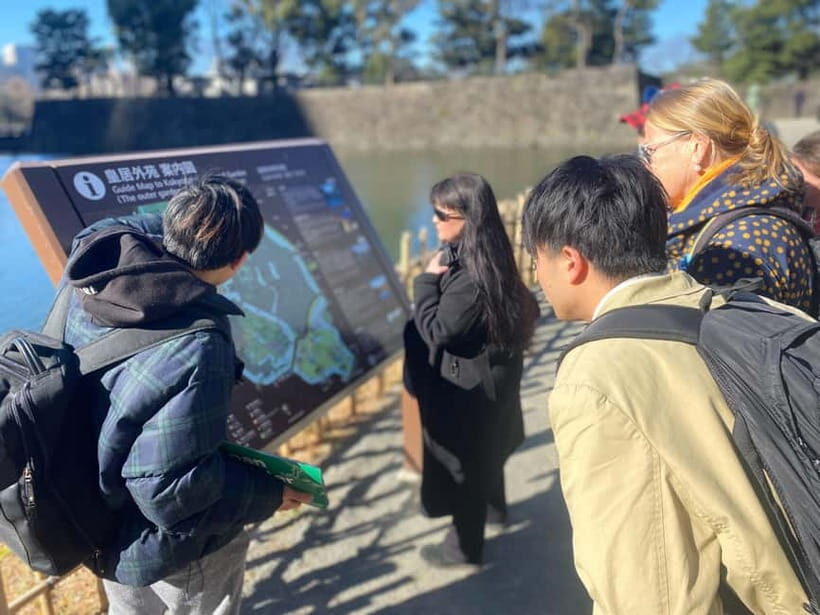
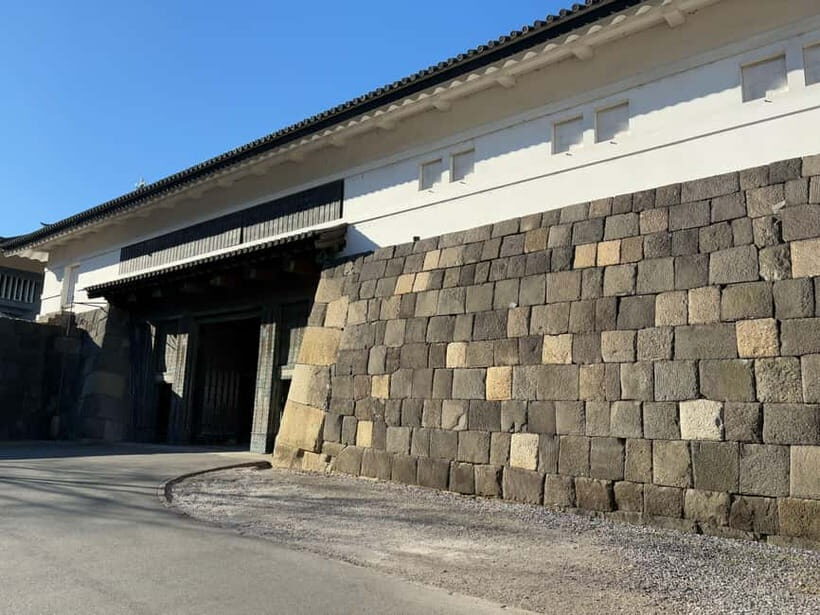
Your first big sightseeing block is the Imperial Palace area: you’ll have a guided visit at the Imperial Palace grounds for about an hour. Then you’ll stop at the Ote-Mon Gate for photos and continue through Ninomaru Garden with another guided segment.
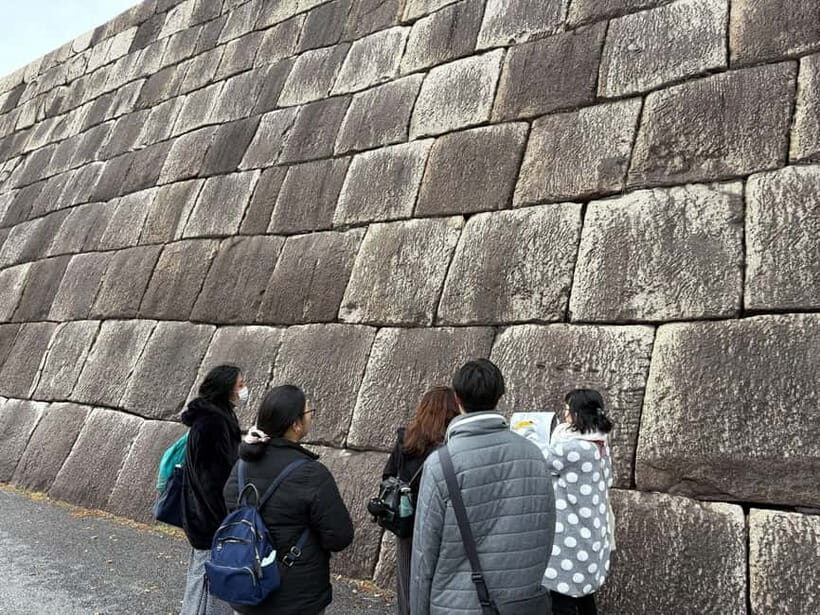
Even without inner access, the outer grounds tell you a lot. The walls, gate structure, and garden layout give you a sense of how power was organized in Edo-era Tokyo. You’re not just looking at pretty spots—you’re learning how the place functioned and how the environment guided movement.
If you like learning while walking, this part is a win. The guide can explain why certain layouts mattered, and you’ll notice details you might otherwise miss—like how the architecture and landscaping control sightlines.
Edo Castle ruins and the Tokugawa “world” you can actually walk through
This is where the tour’s storytelling becomes physical. You’ll walk through areas that once belonged to the vast Edo Castle grounds, with guided photo stops along the way. The goal is simple: help you feel the scale, not just memorize dates.
You’ll also get a quick peak at Nippon Budokan. Even though it’s a modern landmark, it’s part of the same broader neighborhood story. The guide’s job here is to connect what you see today with how the area used to function when the Tokugawa shogunate was shaping Japan’s political and cultural center.
If you’re the kind of person who likes to know why something exists in the first place, this section will click. You’ll start comparing the modern city grid to the older power center logic—how people, guards, and authority would have moved through the same general area.
Quick coffee reset at Aomi Coffee Kudanshita
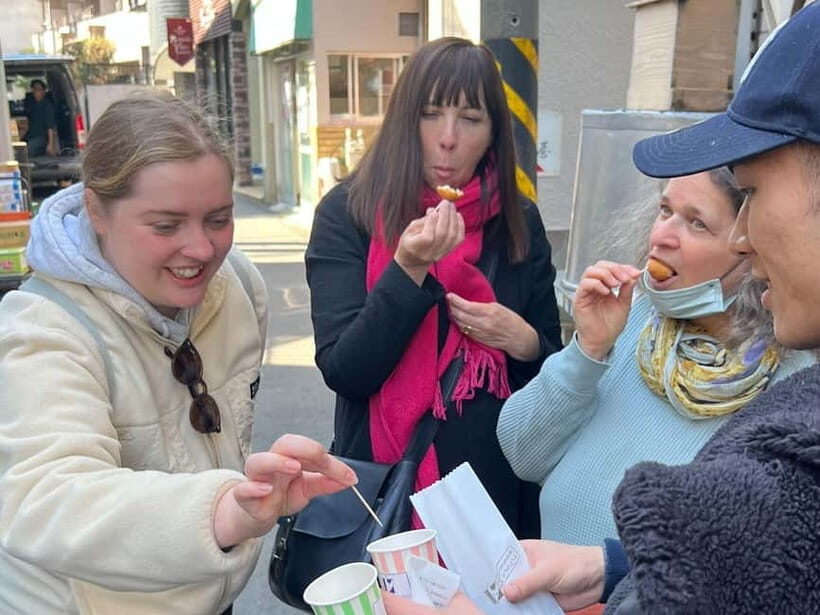
Midway, you get a planned break: Aomi Coffee Kudanshita for about 25 minutes. You’ll also have your included coffee or tea here. This pause matters because the route is mostly walking and standing, and you’ll be happier if you take energy seriously.
I also like that this isn’t treated like a random stop. If you have questions—about what you saw at the gates, what Edo life likely looked like, or how to connect the next day’s neighborhoods—this is a good moment to ask. The guides mentioned in feedback (including Shuntaro and Hiro) are known for taking questions and adjusting based on what the group cares about.
Tokyo Daijingu: the shrine stop tied to relationships
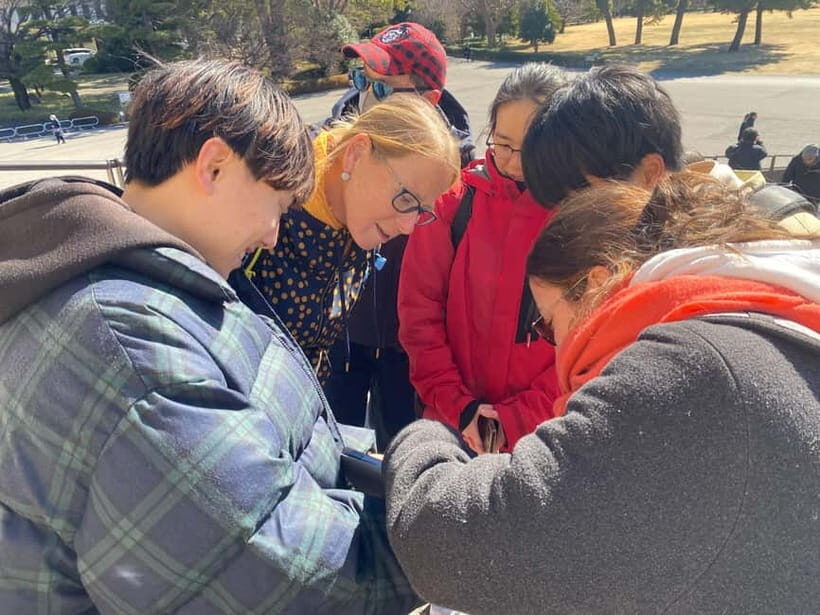
After the break, you head to Tokyo Daijingu for about 20 minutes. This segment is paired with the tour’s relationship-focused spiritual theme—the stop where the guide explains a shrine associated with the worship of love and good relationships.
The practical value here is that your guide doesn’t just point. You get context for what you’re seeing and why people go there, which turns a photo moment into a meaningful stop. If shrine visits are usually “check the box” for you, this one has a better chance of sticking.





Remains of Ushigome Gate: seeing power in what’s left
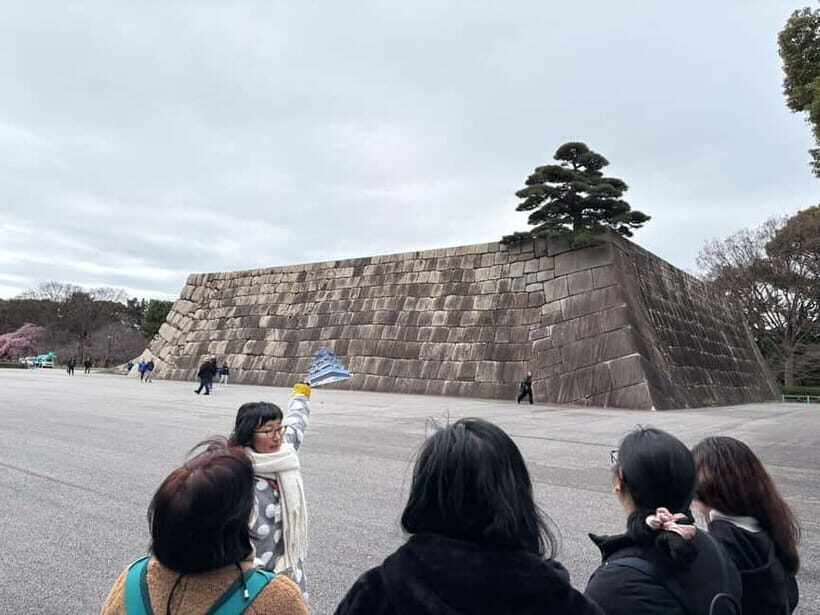
Next is the remains of Ushigome Gate with a guided photo stop. Ruins can be tricky to enjoy when you don’t know what you’re looking for. The guide helps you map the idea of the original structure onto the fragments you can still see.
This is a solid reminder that Tokyo isn’t just a collection of new buildings. The city still carries trace elements of older systems, and you can understand them better when someone gives you a frame. You’ll likely find yourself looking at stonework and layout more carefully after this.
Kagurazaka starts to feel like a different Tokyo
Then you shift from the palace-and-ruins zone into the older-street atmosphere of Kagurazaka. Historically, this area was known as a red-light district, and it held many tea houses where maiko and geisha performed. Today, you’ll see traditional-style shops and restaurants that keep the mood but with a more local flow.
Your first Kagurazaka photo stop is Geisya Komichi Alley. The name alone hints at the artistic heritage, and the guide’s explanation makes it more than just a lane for pictures. This is the first time the tour starts to feel like you’re moving through everyday neighborhood Tokyo, not a museum route.
Hyogo Yokocho and かくれんぼ横丁: snack culture in the less-visited lanes
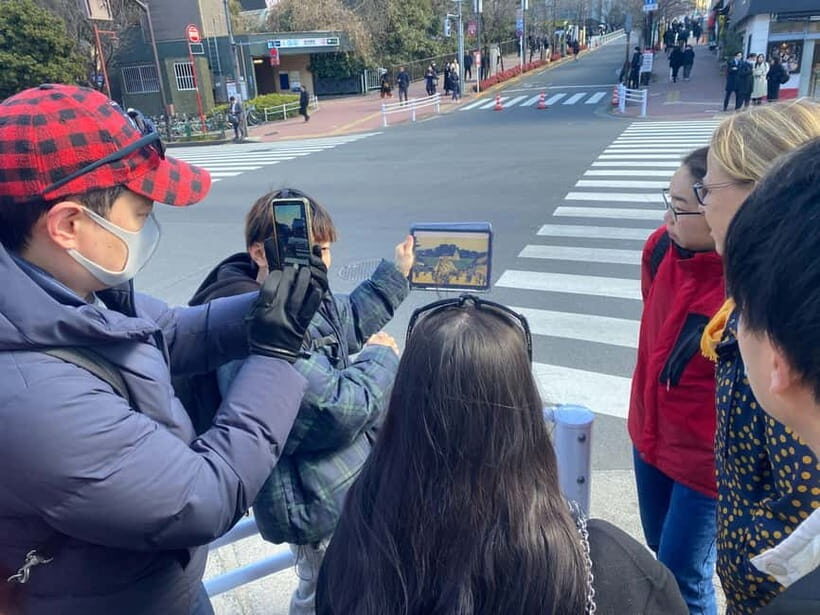
From there, the walking continues through Hyogo Yokocho Alley and then かくれんぼ横丁. These stops are built for atmosphere. The idea is to show you the kind of narrow streets and small-food culture that you can’t easily find when you only target places like Asakusa or Shibuya.
You’ll also have a snack stop in a smaller, less touristy alley setting. The exact shop can vary depending on operating days, but the point stays the same: you get to taste local snack culture while the guide explains what you’re eating and where the tradition fits.
This is also why the small group size matters. In tight alleys, it’s easier to move, easier to hear the guide, and less likely that you’ll feel like you’re fighting for space. Kagurazaka is best experienced at walking speed.
Where the tour ends: Kagurazaka Three-Chome for an easy next step
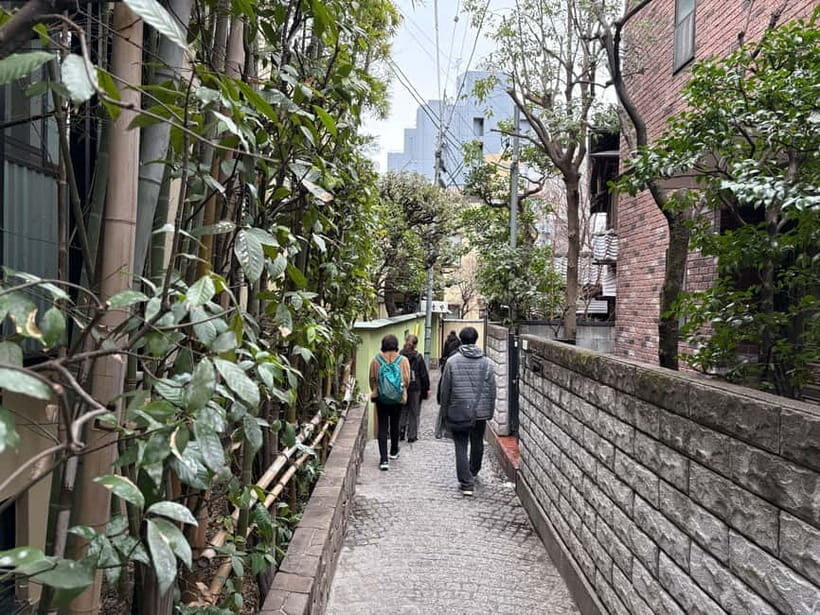
The tour finishes at ファミリーマート 神楽坂三丁目店 (FamilyMart Kagurazaka 3-chome). That’s helpful because it puts you near onward options without trapping you back at a major station. If you want to keep exploring on your own after the tour ends, Kagurazaka is a good place to do it—quiet enough to feel local, but connected enough that you can still move around.
Price and what you actually get for about $51
At about $51 per person for roughly 210 minutes, this tour is priced like a guided, structured route—one that’s focused rather than spread out. What you get that helps justify the cost is:
- Guided time at the Imperial Palace area and key historic points
- A coffee or tea break, plus a snack
- A small group (up to 8), which is rare for full-city walking itineraries
- English live guidance that helps you interpret gates, gardens, ruins, and alley culture
If you’re the type who enjoys learning as you walk—and you want more than just photos—this is strong value. If you mainly want independent sightseeing with minimal talking, you may feel the guide time is more than you need.
Who this tour suits best (and who should think twice)
This works well for first-time visitors who want a focused introduction to Tokyo’s historic core and one of its older neighborhood vibes. It also suits you if you like asking questions, because the smaller group format makes conversations feel natural.
But it’s not for everyone. The tour notes it’s not suitable for pregnant women, and it’s clearly built around comfortable-shoes walking. If you have mobility limits, you’ll want to consider alternatives with less walking or shorter segments.
Practical tips so the day stays comfortable
A few simple prep items make this day easier:
- Wear comfortable shoes and comfortable clothes. The route involves a lot of walking and standing.
- Expect the pace to stay efficient. Photo stops are part of the plan, not optional add-ons.
- Plan for possible timing variation: the end time can run about 15 minutes late due to traffic or other tour courses.
- The tour does not include the inner Imperial Palace, since it isn’t open to the public.
Also note what’s not allowed: no smoking, no drones, and no weapons or sharp objects.
Should you book this Imperial Palace and Kagurazaka tour?
I’d book it if you want two different Tokyo sides in one morning-to-afternoon block: the Imperial Palace area connected to the Edo Castle story, plus Kagurazaka’s alley culture and snack stops. The best part is the guidance—local explanations that turn ruins and gates into something you can actually understand while you’re standing there.
Skip it if your main goal is inner-palace access or if you prefer long, unstructured wandering with no schedule. In that case, you can still do a DIY Imperial Palace day and then stroll Kagurazaka, but you’ll miss the “connect-the-dots” explanations that make this route more meaningful.
If you like your Tokyo tours small, organized, and question-friendly, this one is an easy yes.
FAQ
Is the inner Imperial Palace included?
No. The tour does not include visiting the inner palace because it is not open to the public.
How long is the Tokyo: Imperial Palace with Kagurazaka tour?
It lasts about 210 minutes.
What language is the guide?
The live tour guide speaks English.
How big is the group?
The group is limited to 8 participants.
Where do you meet and where does the tour end?
You meet outside Shin-Marunouchi Building in front of STAND T (look for the BEAMS sign on the second floor). The tour ends at ファミリーマート 神楽坂三丁目店.
What should I bring, and what’s not allowed?
Bring comfortable shoes and comfortable clothes. Smoking, drones, alcohol and drugs, and weapons or sharp objects are not allowed.
![[Okinawa Blue Cave] Snorkeling with Private Guide+ Free Photos - Cape Maeda stop: the warm-up where fish spotting starts](https://images.thejapantraveler.com/wp-content/uploads/okinawa-blue-cave-snorkeling-with-private-guide-free-photos.jpg)