REVIEW · KYOTO
Kyoto & Nara Day Tour: Golden Pavilion, Fushimi Inari & Deer Park
Book on Viator →Operated by TREVOPEDIA · Bookable on Viator
Golden buildings, red gates, and deer—great combo. This Kyoto and Nara day tour strings together the big-hitters with guaranteed entry where it counts. I like how it keeps the day moving without forcing you to play transit roulette.
I also like the mix of sights with a real sense of place. You get Kinkakuji Golden Pavilion and the calm Zen feel around it, then you head straight into the red torii world of Fushimi Inari Taisha.
One thing to consider: some stops can change due to conditions, and the schedule is tight. During year-end and New Year’s traffic restrictions, you may not be able to stop at Fushimi Inari, and that can change the feel of the whole day.
In This Review
- Key Things That Make This Tour Feel Worth It
- First Stop: VIP Lounge Pickup and a 9:00 AM Start
- Kinkakuji Temple: Golden Pavilion Without the Waiting Game
- Fushimi Inari Taisha: Red Torii Gates and a Midway View Break
- Arashiyama Bamboo Forest: A Fast Stroll Through Quiet
- Tenryū-ji: Zen Gardens That Let You Exhale
- Togetsu-kyo Bridge: River Views and Seasonal Color
- Nara Park: Deer Park Time, shika senbei, and Todaiji Area Energy
- The Real Schedule: How 10–11 Hours Likely Feels on the Ground
- Ticket Value and the $93 Price: What You’re Really Paying For
- Guide Quality: One Detail Worth Paying Attention To
- Who This Tour Fits Best
- Should You Book This Kyoto & Nara Day Tour?
- FAQ
- How long is the Kyoto & Nara day tour?
- What time does the tour depart?
- What’s included in the price?
- What should I budget for since meals aren’t included?
- Are there any situations where stops might be skipped?
- Is this tour okay for kids?
- What’s the cancellation window?
Key Things That Make This Tour Feel Worth It
- Guaranteed ticket entry for Kinkakuji Temple and Fushimi Inari Taisha, so you spend less time waiting
- A morning start at 9:00 AM with organized pick-up at the VIP Lounge and a clear, timed route
- Golden Pavilion + Zen gardens with time to stroll and a chance to pause at the small tea house
- Fushimi Inari’s torii tunnel walk plus a built-in halfway point with city views
- Arashiyama’s bamboo forest and Tenryū-ji for a calmer Kyoto pace before heading to Nara
- Nara Deer Park time with shika senbei (deer crackers) and views toward the Todaiji Great Buddha area
First Stop: VIP Lounge Pickup and a 9:00 AM Start
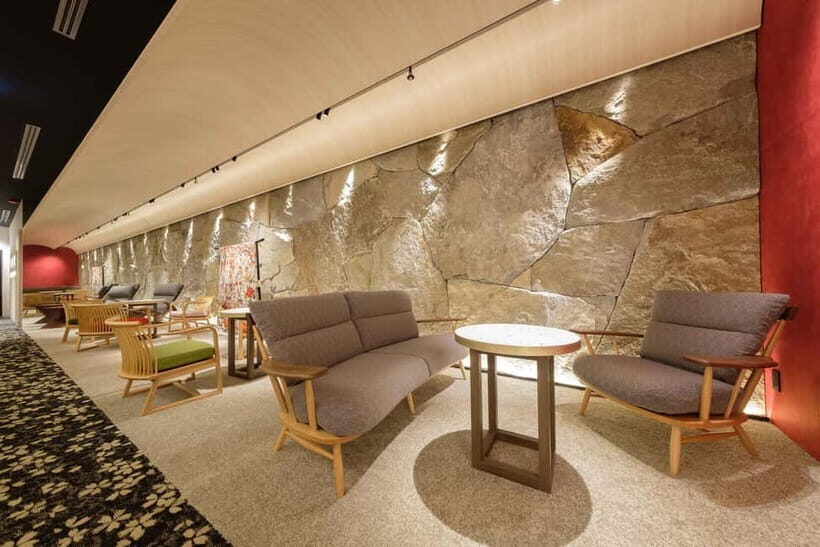
The day begins with a proper meeting setup. You’re greeted at the Kyoto VIP Lounge if you’re coming from the Kyoto area, and then you depart at 9:00 AM from VIP Villa Namba.
This timing matters. In Kyoto, crowds pile up fast. A prompt start helps you see more and photograph with fewer interruptions, especially at the popular temples.
Plan to arrive about 10 minutes early. It’s one of those rules that makes the whole group’s flow work.
You can also read our reviews of more tours and experiences in Kyoto.


Kinkakuji Temple: Golden Pavilion Without the Waiting Game
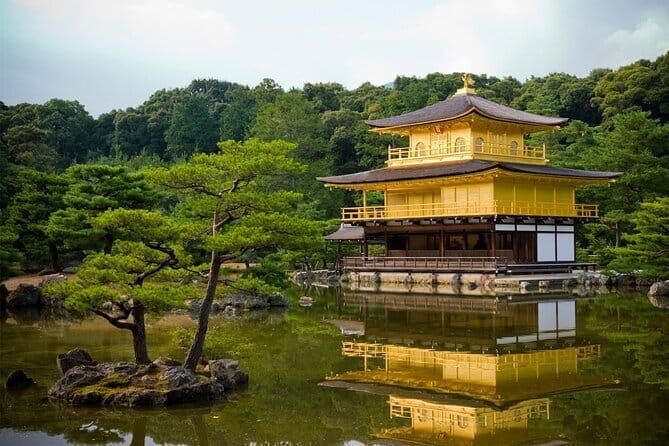
At Kinkakuji Temple, you get about 40 minutes—enough time to see the famous golden upper floors and still wander the grounds. The temple’s upper floors are covered in gold leaf, which reflects in the mirror-like pond nearby. In photos, it looks unreal; in person, the contrast between gold, greenery, and the pond is the moment.
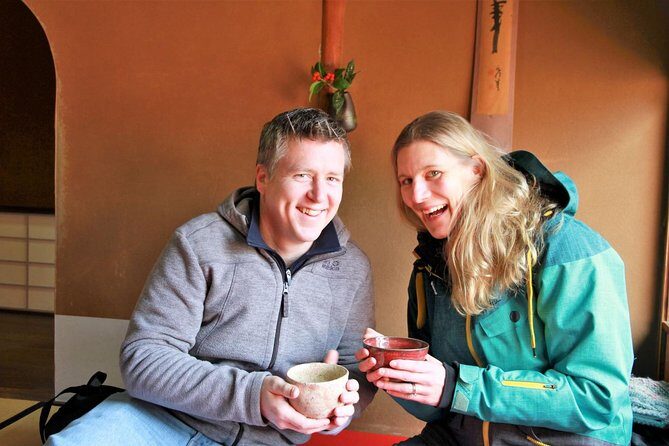
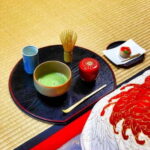
What I like here is that you also get time for the “in-between” parts. You can take a slow stroll through the surrounding Zen-inspired gardens, where stone features and koi-filled ponds keep the area feeling composed rather than hectic. There’s also mention of a small tea house where you can reset for a few minutes.
A practical consideration: 40 minutes sounds short, but it’s built for a guided flow and crowd control. If you’re the type who loves long garden wandering, you’ll want to linger after your group finishes—but keep an eye on the next departure time.
Fushimi Inari Taisha: Red Torii Gates and a Midway View Break
Fushimi Inari Taisha Shrine is one of Kyoto’s most photographed places, and it lives up to that reputation. You spend about 1 hour 20 minutes, walking through the vivid red torii gates that form a tunnel-like pathway.
This stop is also where your guide’s timing and routing can make the difference. The shrine is famous for fox statues (Inari’s messengers) and smaller shrines along the route, plus calmer forested sections that let you catch your breath even inside a busy site.
Here’s the smart detail: the hike to the halfway point is where the day turns from “look at gates” into “get a real city view.” That’s your built-in reward. It breaks the walk into something you can actually pace.
One heads-up: the tour notes that traffic restrictions during year-end and New Year’s holidays may prevent a stop at this location. If you’re traveling during that window, treat this as a potential swap risk and don’t plan your entire trip around one last perfect photo here.
Arashiyama Bamboo Forest: A Fast Stroll Through Quiet
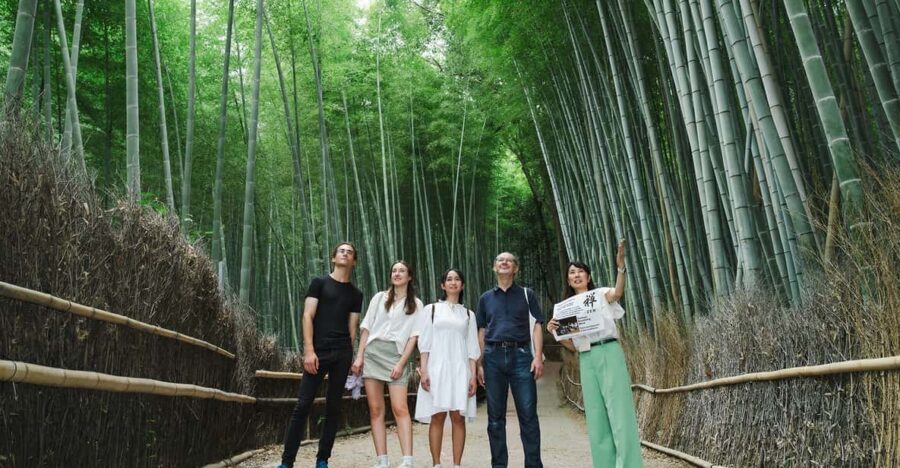
Next comes a brief but memorable reset: Arashiyama Bamboo Forest, about 40 minutes. You walk along winding paths surrounded by tall bamboo stalks that sway in the breeze. Even for people who think they’ve seen bamboo photos already, the shifting light through the stalks creates a different feeling in person.
This is also a good time for slower photography. The crowd pattern here often moves in waves, so a timed visit helps you catch the path when it’s not maxed out.
If you want to connect Arashiyama with the wider area, this stop sits inside the larger Arashiyama district. The Katsura River and the famous Togetsu-kyo Bridge are just a short walk away, so even a quick bamboo hit pairs nicely with what comes next.
Tenryū-ji: Zen Gardens That Let You Exhale
After the bamboo, you head to Tenryū-ji Temple for about 40 minutes. This is a Zen Buddhist temple and a UNESCO World Heritage site, known especially for its landscape garden design and the way it ties into the Arashiyama mountains around it.
The standout here is the garden pond, rock arrangements, and carefully maintained plants. Even with a limited time window, Tenryū-ji gives you a change of pace from gates and crowds. It’s the kind of place where you can stand still, look around, and feel your body slow down.
Practical note: the garden is the main event, but there’s also traditional temple architecture to notice. If your camera is ready, this is a good stop for “less frantic, more composed” shots.

Togetsu-kyo Bridge: River Views and Seasonal Color
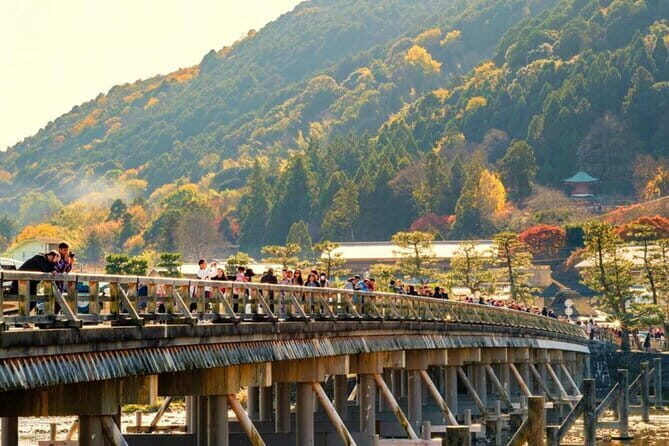
You get about 20 minutes at Togetsu-kyo Bridge. This is a historic wooden bridge spanning the Katsura River, and it’s a favorite spot for seasonal views.
The bridge works best as a breather stop. You’ve been walking through gates and shrine grounds, then bamboo paths, then a temple garden. Here you can just cross, look out, and enjoy the river and mountains for a few frames.
The best part is that the views shift by season: spring cherry blossoms, autumn reds and oranges, all look different here. The tour keeps the time short, but it’s enough to get the classic bridge perspective without turning this into a half-day detour.
Nara Park: Deer Park Time, shika senbei, and Todaiji Area Energy
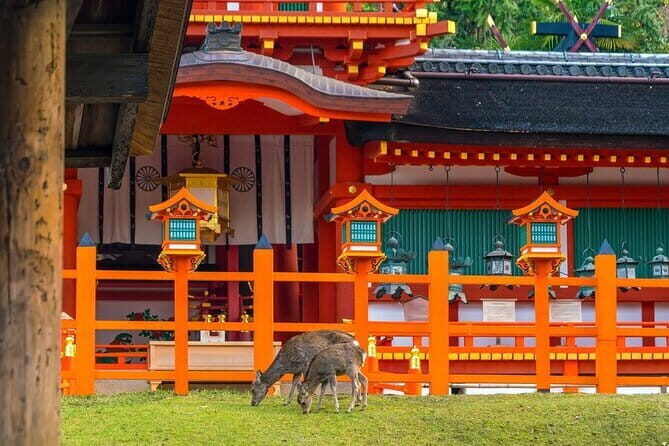
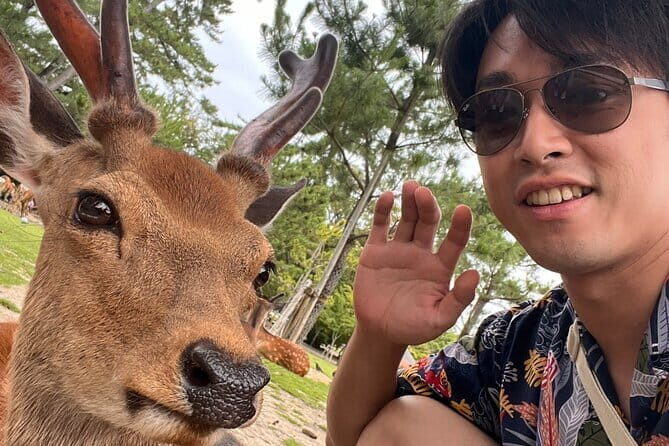
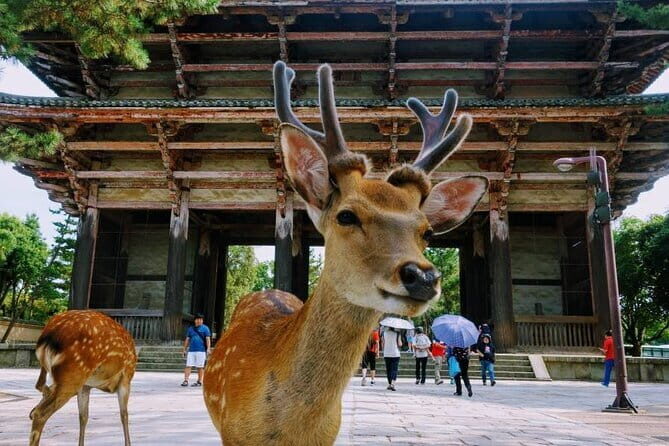
Then the tour moves to Nara Deer Park for about 1 hour 20 minutes. This is a joyful stop. There are over 1,000 free-roaming deer, and they’re considered sacred messengers in Shinto belief.
You’re encouraged to buy shika senbei (deer crackers) and feed them. The behavior is memorable: deer can bow politely before they take the treat. It’s silly in the best way, and it works for kids and adults alike because it feels less like a performance and more like a ritual of interaction.
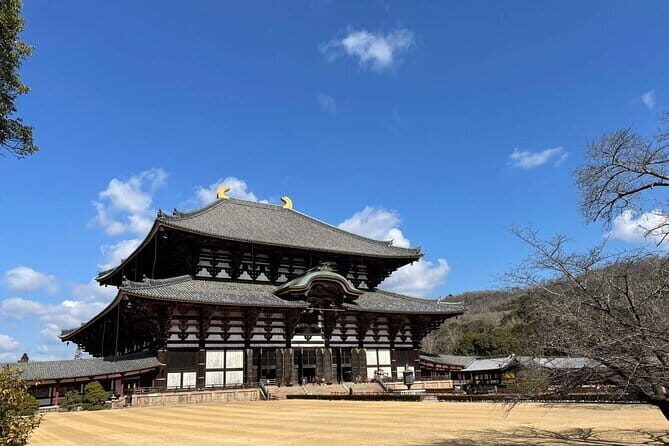
This stop is also where the day’s spiritual theme starts to widen. From the park area, you’ll have views near the Todaiji Temple region, including the Great Buddha. The tour description specifically calls out Todaiji as home to the world’s largest bronze Buddha, and that context makes the Nara visit feel bigger than just deer.
One consideration: deer parks can get busy. If you’re hoping for quiet photos, position yourself slightly away from the main feeding clusters so you’re not always stepping around people holding crackers.
The Real Schedule: How 10–11 Hours Likely Feels on the Ground

The tour runs about 10 to 11 hours, including transfer time. That means your sightseeing windows are real, but they’re not endless. You’re getting strong coverage: Kinkakuji, Fushimi Inari, Arashiyama (bamboo + Tenryū-ji + bridge), then Nara deer and the Todaiji area.
The tour also notes the remaining hours go toward transfers from the meeting point and between each attraction. So even if the stop times look even on paper, you’ll feel the rhythm of moving all day in your feet and schedule.
Group size is capped at 40 travelers. That’s usually workable for guided pacing, especially with air-conditioned transport. Still, you should expect a guided flow: listen when your guide speaks, move when your guide moves, and save your longest staring for the stops where you really want it.
Ticket Value and the $93 Price: What You’re Really Paying For
At $93 per person, this tour sits in a mid-range day-trip zone. The value comes from what’s included, especially ticket handling.
Included items:
- Round-trip transportation in an air-conditioned vehicle
- Professional English-speaking guide
- Kinkakuji Temple admission ticket
And the itinerary lists admission/ticket inclusions for:
- Kinkakuji (ticket included)
- Fushimi Inari (ticket included)
- Nara Deer Park (ticket included)
Also, some major stops are listed as free admission, including the Arashiyama Bamboo Forest, Tenryū-ji, and Togetsu-kyo Bridge.
The biggest value lever is the tour’s promise of skip-the-line / hassle-free entry for Kinkakuji and Fushimi Inari. In Kyoto, waiting in peak lines can eat a good chunk of a day. If you hate wasting time, this is where you feel the difference.
What’s not included is the everyday stuff: drinks and meal, plus personal expenses. You’ll want to budget for lunch on your own, or bring a snack if you’re the kind who gets hungry fast when walking all day.
Guide Quality: One Detail Worth Paying Attention To
The tour relies heavily on the guide. You’re getting context and pacing across multiple iconic stops, so the guide’s tone affects the day.
I’ll be honest about what to watch for: there have been reports tied to guide behavior, including issues at the start of the tour and communication style. That doesn’t mean every departure is like that, but it does mean you should set your expectations for a firm schedule and also pay attention to how you’re treated right away.
If you care about seating, ask early and keep it simple. If something feels off, address it immediately with the tour staff. Once the day is underway, your best strategy is to focus on the stops that matter most to you: Golden Pavilion, Fushimi Inari, and Nara’s deer.
Who This Tour Fits Best
This is a strong pick if:
- you want the Kyoto highlights in one day without juggling trains and transfers
- you care about guaranteed entry at the biggest crowd magnets
- you’re okay with short, focused stop times and guided pacing
It may not be the best match if:
- you love long stays in gardens or temples and want unstructured time
- you’re extremely sensitive to schedule changes (for example, weather or holiday traffic that can affect where you stop)
- you’re hoping for a slow, solo wandering style day
It can work well for most ages since the route is doable for typical visitors and the tour is organized with transportation and tickets handled. Just know you’ll be on the move.
Should You Book This Kyoto & Nara Day Tour?
Yes, I’d book it if your goal is a high-value hit list with less waiting. The combination of Kinkakuji and Fushimi Inari, plus bamboo and Zen time in Arashiyama, then the fun of Nara Deer Park and the Todaiji Great Buddha area context, is a smart one-day mix.
Book with a realistic mindset: this is not a slow travel day. It’s a packed, timed route where the guide and timing are the real ingredients. If you’re traveling around year-end and New Year’s, also expect that Fushimi Inari might be skipped due to traffic restrictions, and decide if that would still leave you happy with the rest of the itinerary.
If you want a day where you get a lot done and you don’t want to fight lines and transit, this one makes sense.
FAQ
How long is the Kyoto & Nara day tour?
It runs about 10 to 11 hours, including transfer time between stops.
What time does the tour depart?
It departs at 9:00 AM from VIP Villa Namba, after you’re greeted at the Kyoto VIP Lounge.
What’s included in the price?
Round-trip air-conditioned transportation, a professional English-speaking guide, and admission for Kinkakuji Temple. The itinerary also lists admission tickets for Fushimi Inari Taisha and Nara Deer Park.
What should I budget for since meals aren’t included?
Drinks and meal costs are not included, along with personal expenses.
Are there any situations where stops might be skipped?
Yes. Due to traffic restrictions during year-end and New Year’s holidays, you may not be able to stop by Fushimi Inari Taisha.
Is this tour okay for kids?
Children under 3 have free admission, but they must not occupy a seat. You should notify the provider when booking.
What’s the cancellation window?
You can cancel for a full refund if you cancel at least 24 hours before the experience start time.