REVIEW · KYOTO
Kyoto: Arashiyama Walking Tour with Local Guide
Book on GetYourGuide →Operated by KYOTO CITY TOURISM ASSOCIATION · Bookable on GetYourGuide
Arashiyama slows everything down. This Kyoto walking tour strings together bamboo shadows, Hogon-in Temple’s calm Zen gardens, and a relaxing ending at Togetsu-kyo Bridge. It’s a simple plan that feels special because the guide helps you notice what you might otherwise rush past.
I love the low-stress structure: about two hours of walking, guided by a certified city guide from Kyoto City Tourism Association. I also like that Hogon-in Temple entry is included, so you can focus on the scenery instead of timing and tickets.
The main consideration is pacing: it’s a walking tour, so plan for a steady stroll and comfortable shoes. Also, it runs October dates that exclude weekends, so check the calendar before you get attached to a specific day.
In This Review
- Quick Hits: What Makes This Arashiyama Walk Worth It
- From Kyoto Station to Arashiyama: Getting There Without Stress
- Bamboo Forest Walking: Shade, Sound, and the Kind of Photos You’ll Get
- Hogon-in Temple: Zen Gardens Explained in Plain English
- A Hidden Zen Garden Moment at Hogon-in
- Togetsu-kyo Bridge Stroll: Ending With River Views
- Guides on This Tour: Why Their Stories Matter
- Price and Value: Is $34 a Good Deal?
- When You Should Book This Arashiyama Walk
- Should You Book This Kyoto Arashiyama Walking Tour?
- FAQ
- How long is the Arashiyama walking tour?
- What language is the tour offered in?
- Where do I meet the guide?
- Is Hogon-in Temple entry included?
- Do I need to pay for the train to Arashiyama?
- Is hotel pickup or drop-off included?
- Are children allowed?
- What dates does the tour run in October 2025?
- FAQ
- Can I cancel for a refund?
- What about luggage during the tour?
Quick Hits: What Makes This Arashiyama Walk Worth It
- English-only guidance so you can actually follow the meaning behind temples and gardens
- Bamboo forest light and photo stops in a shaded “tunnel of green” feel
- Hogon-in Temple entry included, which saves time and hassle
- Zen garden explanations that help you understand what you’re looking at
- Togetsu-kyo Bridge river views to close out the walk on a calm note
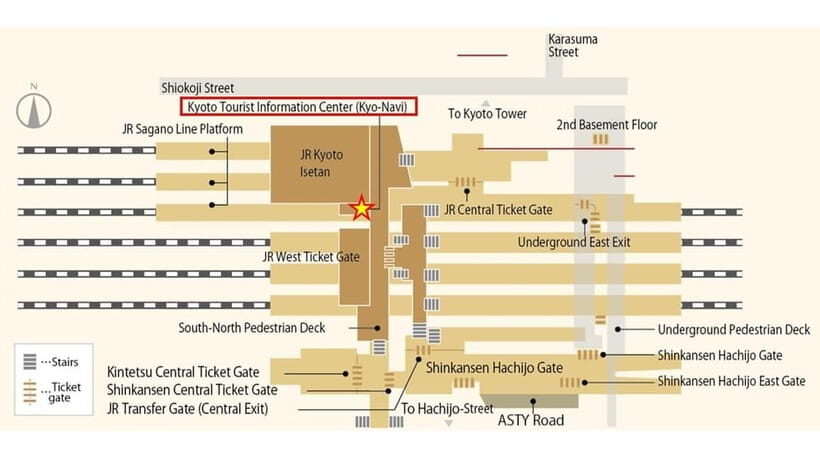
- Meet at Kyo-Navi (Kyoto Station) with a clear plan that keeps the day from feeling chaotic
From Kyoto Station to Arashiyama: Getting There Without Stress
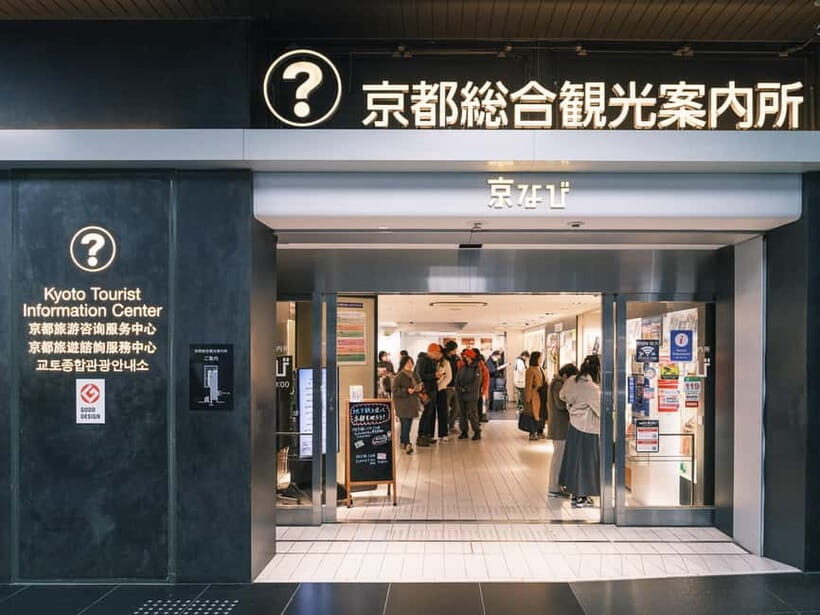
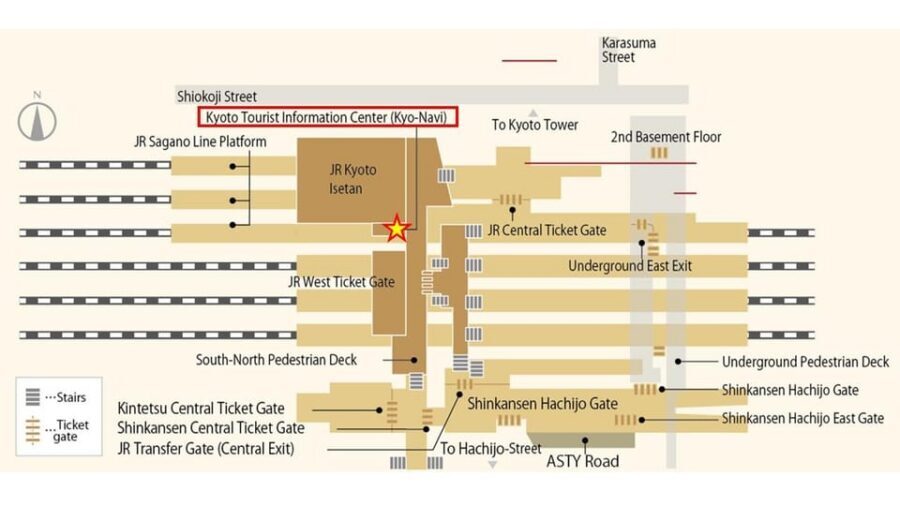
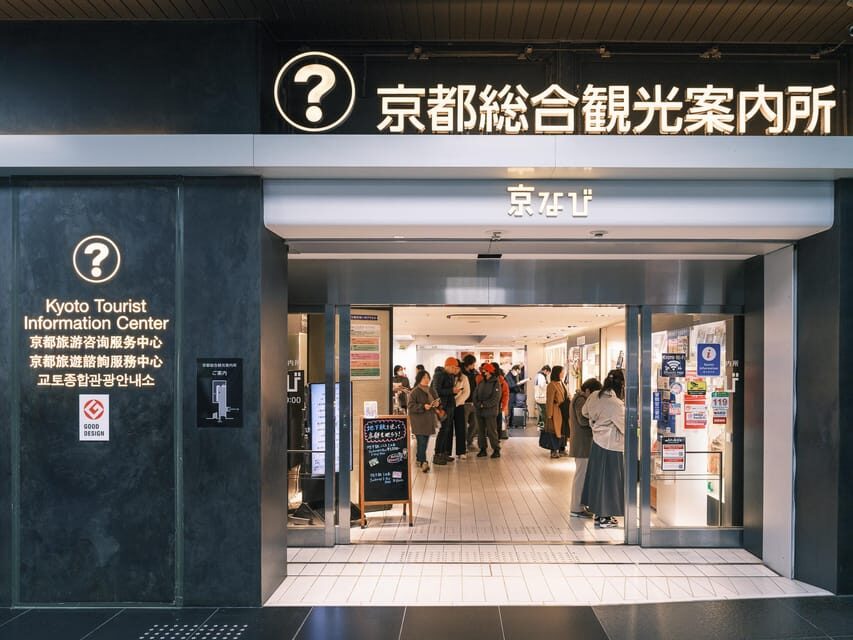
You start at the Kyo-Navi Kyoto Tourist Information Center inside Kyoto Station, on the north side. It’s on the pedestrian walkway level on the 2nd floor, next to Kyoto JR Isetan—if you’re hunting, just ask for Kyo-Navi (京なび).
Before you head out, you can leave your luggage at Crosta Kyoto. That’s a small detail, but it matters: fewer bags means you actually enjoy the walk instead of dragging your daypack like a second backpack.
The tour includes the guide and the walking parts, and it’s built around public transport between Kyoto Station and Arashiyama. Train fare isn’t included, so budget that separately. Practically, you’ll feel like you’re doing the trip the way locals do, not like you’re being whisked around.
You can also read our reviews of more walking tours in Kyoto


Bamboo Forest Walking: Shade, Sound, and the Kind of Photos You’ll Get
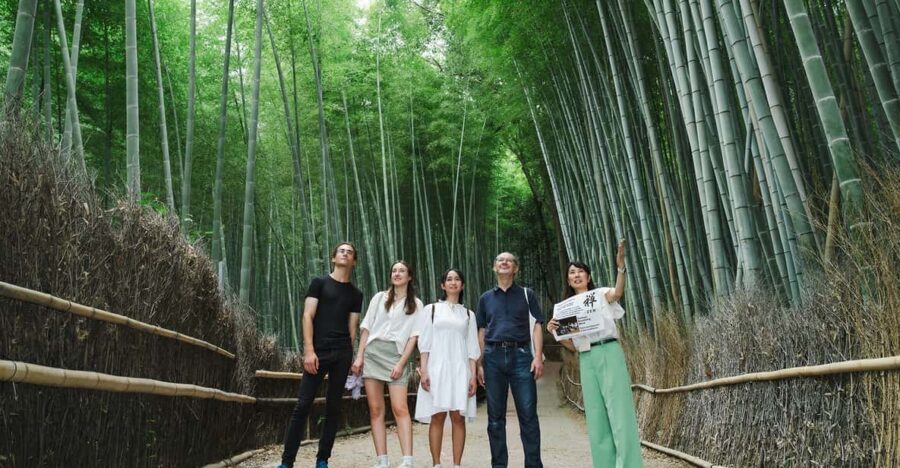
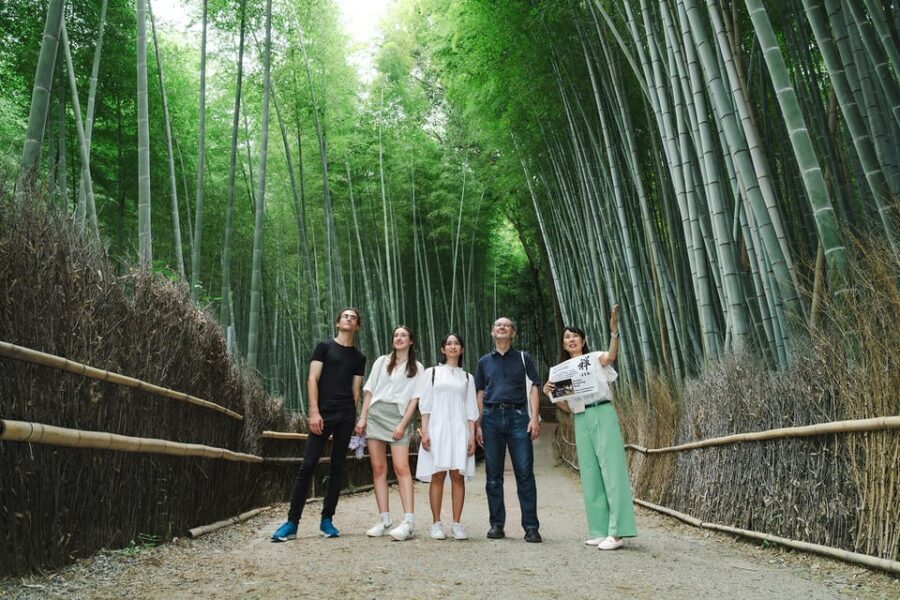
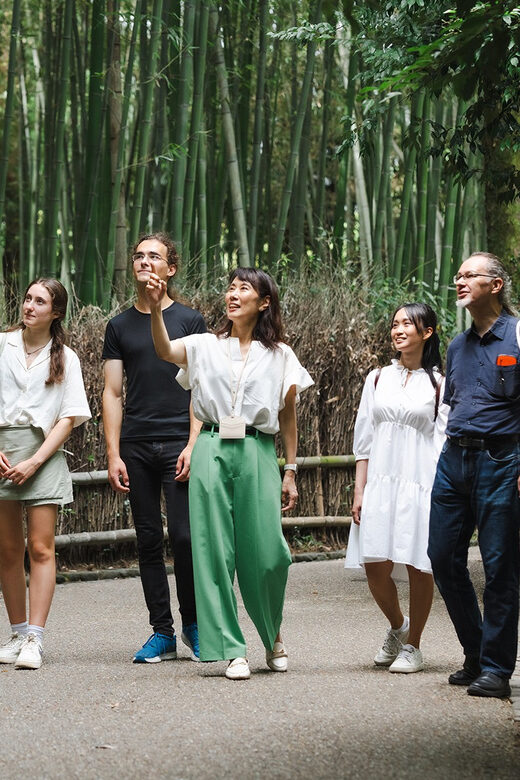
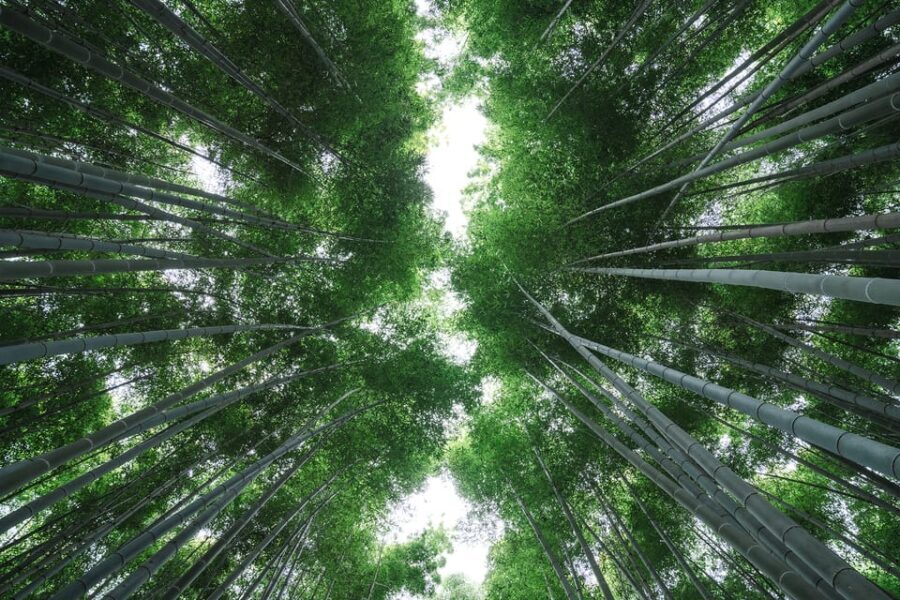
Arashiyama’s bamboo forest is famous for a reason, but the trick is how you experience it. This tour guides you through the green corridor, where sunlight filters through the trees and the paths feel enclosed rather than open.
I like that you’re not left to figure it out alone. An English guide helps you slow down just enough to notice how the space changes as you walk—light levels, crowd flow, and the quiet rhythm of the area.
For photos, think of this as a “composition walk,” not a rapid sightseeing sprint. The bamboo creates natural frames, and the changing angles give you variety without you needing fancy equipment. If you want pictures that don’t look like generic bamboo snaps, this pace helps.
One practical tip: bring a phone with a charged battery and consider a light layer. Even in comfortable seasons, bamboo areas can feel cooler and damp, especially in the shade.
Hogon-in Temple: Zen Gardens Explained in Plain English
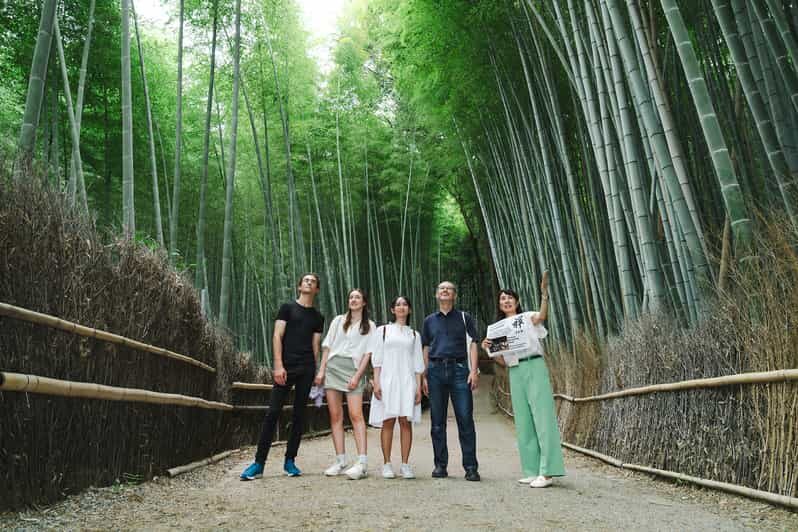
The heart of the tour is Hogon-in Temple, where your guide brings the place to life with story and context. You’ll learn what to look for and why the garden layouts matter in Kyoto’s temple culture.
What makes this stop feel high-value is the way the guide connects the garden to tradition instead of only pointing at rocks and water. In past groups on this program, I’ve heard guides like Yuko, Yoriko, and Charlie focus on how temple gardens work, including the different garden styles you’ll run into around shrines and temples.
You’re also paying attention to the physical experience: you move through the garden area slowly enough to understand the sightlines. Zen gardens are designed to be read with your eyes, not just photographed once.
The other big plus: Hogon-in Temple entry tickets are included. That reduces the small friction that usually piles up on popular Kyoto days. More looking, less queue math.
A Hidden Zen Garden Moment at Hogon-in
The tour includes time for a special Zen garden experience at Hogon-in. The walk is paced so you reach these calmer corners without feeling like you’re being hurried through a checklist.
This is the kind of stop that benefits from a guide, because the calm doesn’t automatically explain itself. Your guide helps you notice the garden’s composition and how it’s meant to be experienced in motion—your viewpoint shifts as you move, and the garden “reads” differently at each angle.
It’s also where the tour’s mood changes. Arashiyama can feel busy near the main attractions, but this part gives you quiet space to reset. If you enjoy thoughtful travel—the kind where you leave a place with a clearer understanding—this garden section is a highlight.
The only thing to keep in mind is simple: gardens are peaceful, but they still involve walking. Wear shoes you trust for uneven ground and take your time rather than trying to match fast-moving people ahead of you.
Togetsu-kyo Bridge Stroll: Ending With River Views
After Hogon-in, the tour winds down with a serene walk to Togetsu-kyo Bridge. This part is less about temples and more about atmosphere—air, river views, and that “okay, I get it now” feeling that Arashiyama can be both scenic and spiritual.
I like bridge endings because they give you perspective. You get height and distance, which helps you understand how the temple and bamboo areas fit into the wider landscape.
It’s also a great place to linger briefly if your timing is kind. The tour ends back at the meeting point after the group farewell, so you can continue on your own with ideas from your guide.
You can also read our reviews of more guided tours in Kyoto



Guides on This Tour: Why Their Stories Matter
This tour runs only in English, and that’s a real quality upgrade here. Temple and garden symbolism can be hard to decode on your own, so an English explanation helps you see patterns that you’d otherwise miss.
The most praised aspect of this experience is how attentive and thoughtful the guides are. They don’t just recite facts; they guide your attention. That’s why people leave feeling they learned something beyond the postcard basics.
If your guide is Yuko, Yoriko, or Charlie (names that have led groups on this program), expect an approach that blends history and practical observation. You’ll hear background that makes the gardens feel intentional, and you’ll get help understanding what you’re looking at while you’re looking at it.
A fun detail to remember: groups often have a good dynamic. When the guide keeps the pace smooth and the explanations clear, even a simple two-hour walk feels like a complete experience, not a rushed transfer between sights.
Price and Value: Is $34 a Good Deal?
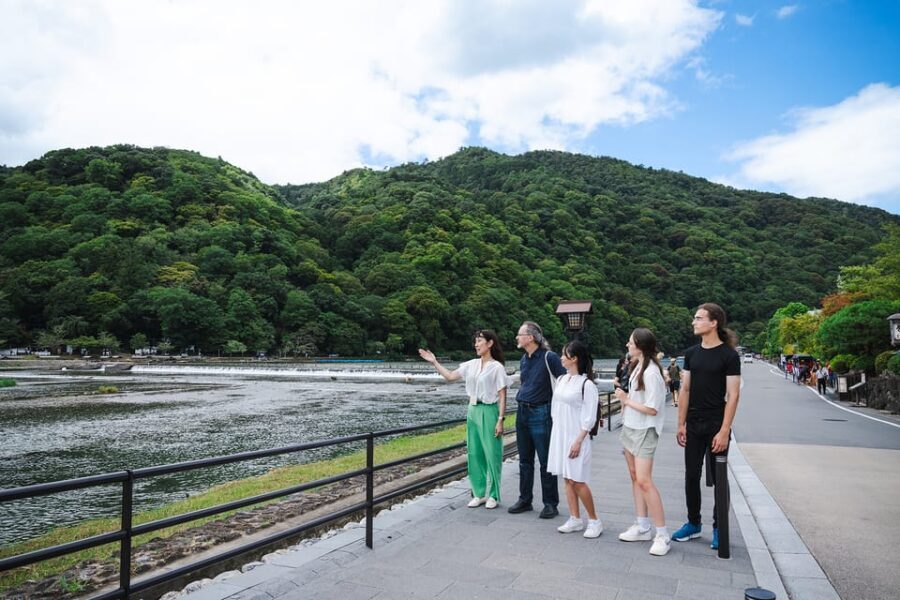
At $34 per person, this is priced like a focused sightseeing add-on rather than a full-day tour. You’re paying for a guided, English-led route plus certified guidance and included Hogon-in Temple entry.
Here’s why I think it’s good value:
- You don’t have to pay separately for Hogon-in entry.
- You get an organized start point (Kyo-Navi at Kyoto Station) and a plan that avoids wandering.
- The guide adds meaning to the bamboo and garden areas, which is often the difference between “I saw it” and “I understood it.”
What’s not included matters for your budget:
- Train fare to Arashiyama
- Hotel pickup and drop-off
- No unaccompanied minors
If you’re staying near Kyoto Station or you’re comfortable using transit, the tour price is easier to justify. If you’re far from Kyoto Station, factor in getting to the meeting point before you decide.
One more practical note: reserving is flexible (reserve now, pay later), which is helpful in October when weather and plans can shift.
When You Should Book This Arashiyama Walk
This is a great fit if you:
- enjoy walking and want a manageable plan (about two hours)
- want English guidance that explains temples and gardens
- like photography but don’t want to sprint from spot to spot
- prefer public transport over private transfers
It may not be the best match if you:
- don’t enjoy walking routes with a temple-garden pace
- want a longer, multi-hour Arashiyama day
- need a tour that runs on weekends only (this one excludes Saturdays and Sundays in the listed period)
Also, there’s a clear rule for families: unaccompanied minors aren’t allowed. If you’re bringing kids, you’ll want to review the child policy so the day stays smooth.
Should You Book This Kyoto Arashiyama Walking Tour?
If your goal is Arashiyama with context, not just crowd-timed sightseeing, I’d book this. The combination of bamboo forest walking, Hogon-in Temple (with entry included), and a Zen garden focus gives you a calmer, more meaningful version of the area.
The guide-led explanations are the difference-maker here. At this price, you’re really buying time well spent and attention guided in English—especially at Hogon-in, where understanding what you’re seeing changes the whole experience.
If you’re willing to do two hours of walking and you can work around the October dates (excluding weekends), this is a smart, efficient way to enjoy Arashiyama without wasting half your day figuring things out.
FAQ
How long is the Arashiyama walking tour?
The tour is a walking route recommended for people who love to walk and takes about two hours.
What language is the tour offered in?
The tour is conducted only in English.
Where do I meet the guide?
Meet at the Kyo-Navi Kyoto Tourist Information Center in Kyoto Station.
Is Hogon-in Temple entry included?
Yes. Entry tickets to Hogon-in Temple are included in the tour price.
Do I need to pay for the train to Arashiyama?
Yes. Train fare to Arashiyama is not included.
Is hotel pickup or drop-off included?
No. Hotel pickup and drop-off are not included.
Are children allowed?
Unaccompanied minors aren’t allowed. Each paid guest can bring one child aged 0–6 for free. Additional children must purchase adult tickets.
What dates does the tour run in October 2025?
It runs October 6 to October 31, 2025, except Saturdays and Sundays.
FAQ
Can I cancel for a refund?
You can cancel up to 24 hours in advance for a full refund.
What about luggage during the tour?
After meeting at Kyoto Station, you can leave your luggage at Crosta Kyoto. If a free child participant wants to use the luggage service, there is a service fee.