REVIEW · BEPPU
Cooking Class: Make a Local Delicacy in a Japanese House
Book on Viator →Operated by Space Beppu · Bookable on Viator
You come for noodle-making, but you leave with a better sense of Oita food culture. In Beppu, you’ll cook dango-jiru, a hearty noodle soup known for chewy dough, seasonal vegetables, and a punchy finish of local yuzukosho. It’s one of the few classes in Beppu that happens inside a 100+ year-old Japanese house, so the setting matches the food.
I like two things most about this experience: you get real hands-on guidance (not just watching), and you eat what you make right after, so the flavors land immediately. I also like that the class can include an English interpreter on request, which makes the whole process easier to follow without slowing you down.
One possible drawback: if you’re expecting a long, multi-course meal or a huge sightseeing program, this is a compact 1 hour 30 minutes class. You’ll get a lot in that window, but it’s focused on cooking, not wandering.
In This Review
- Key highlights you can count on
- Entering the old house: why the setting matters
- What you’ll cook: dango-jiru (and smart swaps)
- Getting there: meet at Space Beppu, then head into cooking mode
- The teaching style: step-by-step, with room for questions
- Kneading, resting, stretching: the hands-on part that feels surprisingly satisfying
- Your meal: relax, eat together, and actually taste the work
- Price and value in Beppu: what you’re really paying for
- Who should book (and who might not want soup class today)
- Should you book this dango-jiru cooking class in Beppu?
- FAQ
- Do I need any cooking experience to join this class?
- What is the main dish in the class?
- Can I choose an alternative to dango noodle soup?
- Is there help if I don’t speak Japanese?
- Where does the experience start and end?
- How long is the class, and can I cancel if my plans change?
Key highlights you can count on
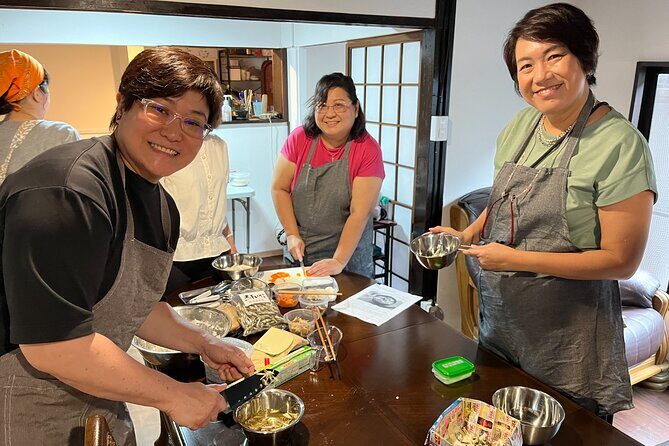
- 100+ year-old Japanese house setting that feels local, not staged
- Hands-on dango-jiru dough work, from kneading to shaping
- Yuzukosho at the end, adding a recognizable Beppu/Oita-style kick
- Optional ramen noodles or onigiri with miso soup if you prefer a different format
- Small private group with step-by-step support from your host
- English interpreter available on request, with no extra fee
Entering the old house: why the setting matters
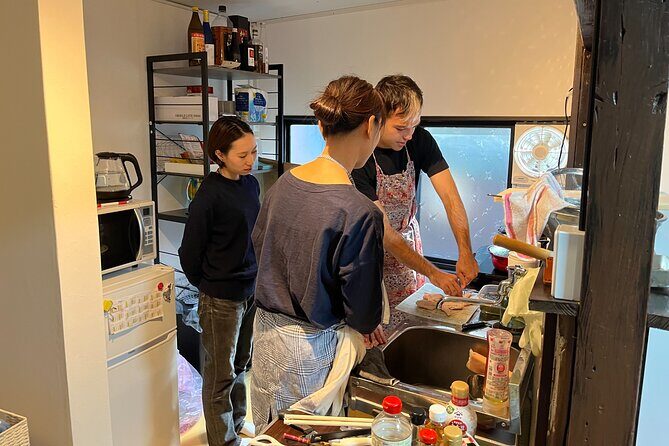
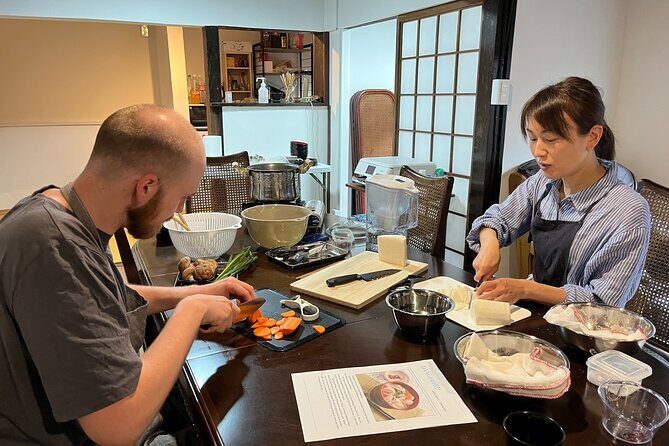
This class is held in a century-old Japanese house, and that changes the tone right away. You’re not in a bright classroom where everything feels uniform and rushed. Instead, the room feels like it belongs to local daily life—quiet, cozy, and built for conversation and food.
That matters because dango-jiru isn’t just a dish; it’s a process. You’ll work with dough, rest it, stretch it by hand, and watch how texture changes as you go. In a setting like this, the pace feels natural, and you’re more likely to ask questions instead of just copying steps.
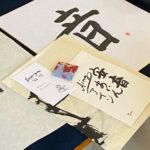
There’s also the small “extra” that people tend to remember: a little local crafts area. It’s not the main event, but it adds that helpful sense of place. When a class includes the room, the tools, and the atmosphere, it’s easier to understand why the food fits this region in the first place.
You can also read our reviews of more tours and experiences in Beppu.

What you’ll cook: dango-jiru (and smart swaps)
The main dish is dango-jiru, a traditional noodle soup from Oita Prefecture. The basic idea is simple, which is what makes it fun: you knead flour (wheat or rice flour), let it rest, and then stretch and shape the dough by hand before it goes into broth.
The broth part is where you start noticing seasonal logic. You’ll make it with local, seasonal vegetables such as taro potato and burdock. And the soup is seasoned with either miso or soy sauce, depending on how the class is set up.
If you’re not craving soup, or you want to compare textures, you can request an alternative: ramen noodles or onigiri (rice balls) served with miso soup. The class notes that you should ask at booking time for the substitution. That’s a small detail, but it matters—plan ahead so you don’t waste time figuring it out once you arrive.
One more flavor note that people specifically rave about is the final seasoning: yuzukosho (yuzu pepper). It’s the kind of ingredient that turns a good soup into a memorable one. Even if you’ve had yuzu flavors before, this is the chance to experience it in a dish that fits the region’s comfort-food style.
Getting there: meet at Space Beppu, then head into cooking mode
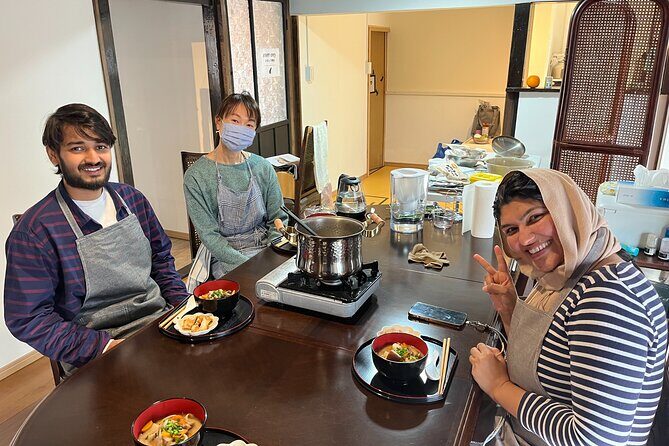
Your experience starts at Space Beppu in Chiyomachi, Beppu. It’s near public transportation, which is helpful because this is a class, not a whole-day train mission. Since the activity ends back at the meeting point, you won’t need to plan a long return journey.
After you check in, you’ll move from the meeting point into the cooking space. The key is that you’re not just “arriving and eating.” You’re arriving at a kitchen rhythm, with aprons on and ingredients already there.
This format matters for your schedule. With only 1 hour 30 minutes, you don’t want delays. If you’re coming from Beppu Station or another busy area, give yourself time to get to Space Beppu before your start so you can settle in instead of rushing through the first steps.
The teaching style: step-by-step, with room for questions
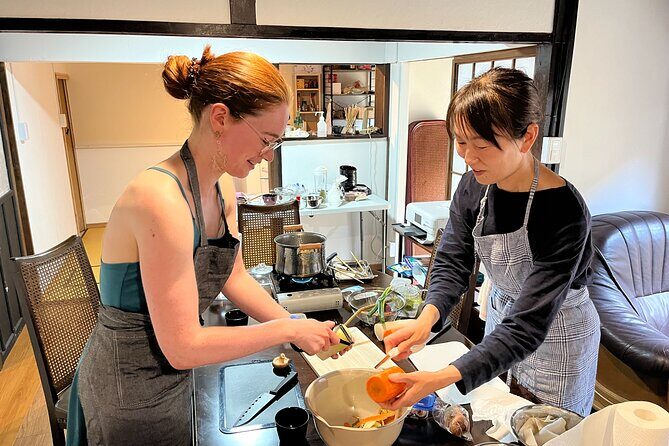
This is a cozy private cooking class with an experienced local teacher. Ingredients are provided, and you’re given an apron before you start, so you won’t be hunting for supplies or learning from a printed worksheet.
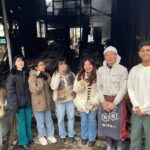
In recent sessions, hosts with names like Masa-san and assistants such as Mari-san and Aya-san have helped keep things friendly and flexible. Even one detail like adjusting when a group has already been to a certain market shows you the teaching isn’t rigid for the sake of it. It’s about tailoring the experience to the people in front of them.
What you should expect from the teaching itself:
- A short introduction to what dango-jiru is and why it matters locally
- Clear step-by-step instructions for handling dough and shaping noodles
- Time to cook while the teacher checks your progress
That structure is great for beginners. You don’t need to know Japanese cooking technique ahead of time. You also don’t have to translate every word to follow along—especially since an English interpreter is available on request at no additional fee.
Kneading, resting, stretching: the hands-on part that feels surprisingly satisfying
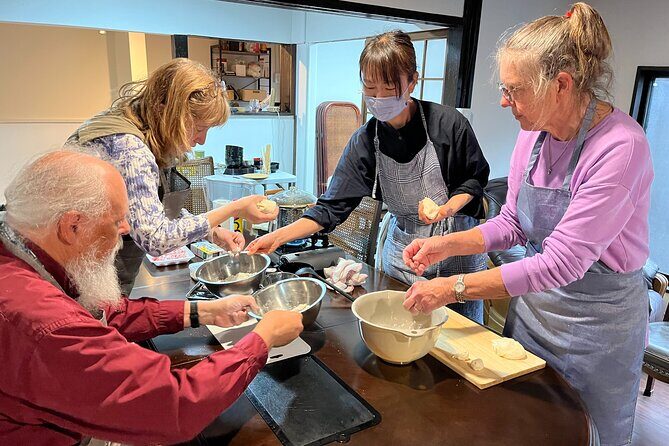
The heart of the class is the dough work. You’ll learn how dango is made by kneading flour with water, then resting it so the dough can relax. After that, you’ll stretch and shape it by hand before cooking it in broth.
If you’ve never worked with dough this way, that stretching and shaping step is the moment where it becomes real. It stops being a “cooking show” and becomes something you control with your own hands. And because the teacher guides you, you won’t be stuck guessing whether you’re doing it right.
The class also makes the ingredients part easy to understand. You’re not only learning what goes in—you’re learning why the dish uses local produce like taro potato and burdock. Those are the kinds of vegetables that make sense in a regional comfort-food bowl: hearty, warming, and built for soup.
Then comes the seasoning logic. You’ll see how miso or soy sauce changes the flavor direction. Even if you’re not a food nerd, you’ll notice the difference in how salty, savory, and mellow the broth tastes.
And yes, you’ll use yuzukosho as the finishing touch. Expect a bright, peppery hit with citrus character. It’s not just heat; it’s aroma. That’s why it’s such a memorable final step.
A few more Beppu tours and experiences worth a look
Your meal: relax, eat together, and actually taste the work
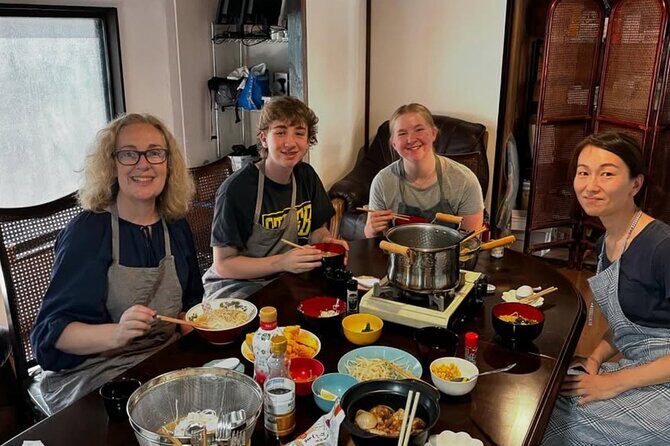
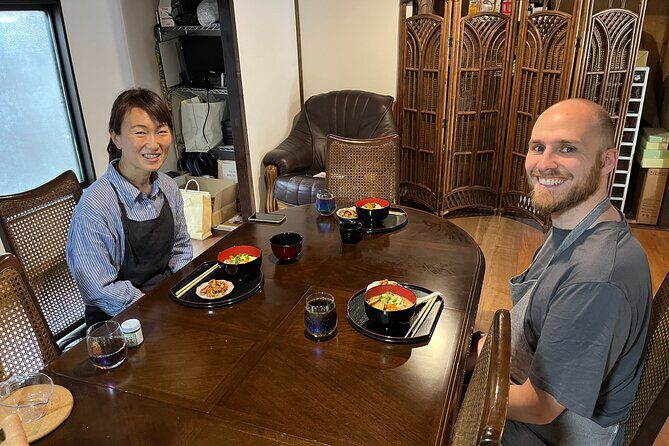
Once you finish cooking, you sit down and enjoy the soup you made. This part is important: it’s not a “cook, pose for photos, leave” setup. You get to relax, taste, and decide what you’d do differently next time.
Also, because you made the noodles and shaped the dough yourself, you’ll be paying attention to texture. Dango noodle soup isn’t only about flavor; it’s about chew and comfort. When the texture matches what you were taught, the result feels like a win.
If you choose the alternative—ramen noodles or onigiri with miso soup—you’ll still get that same payoff: you made the core component, and you get to eat it right away. That tends to be the sweet spot for cooking classes. The lesson sticks because your stomach supports the memory.
One practical tip: if you’re sensitive to spicy flavors, mention it in advance when you’re adding yuzukosho. The class mentions adding it locally, but it doesn’t spell out heat levels. You’ll still get the citrus aroma, but you might want a lighter hand.
Price and value in Beppu: what you’re really paying for
The price is $61.90 per person for about 1 hour 30 minutes. On paper, that’s not “cheap,” but for a cooking class in a local house, it often works out well because you get more than a meal.
You’re paying for:
- A guided, step-by-step experience
- All ingredients provided
- Dough shaping instruction (the part that usually takes time to learn)
- The fact that you eat what you cook in that same session
Also, the tour includes group discounts, which helps if you’re traveling with friends or family. And it’s booked about 59 days in advance on average, which usually signals demand for this kind of hands-on local class.
One booking-related note: confirmation is received within 48 hours of booking (subject to availability), and you use a mobile ticket. In practice, that means less paperwork and fewer day-of headaches.
And if your plans change, free cancellation is offered up to 24 hours in advance for a full refund. That’s a good safety net when you’re juggling multiple Beppu activities.
Who should book (and who might not want soup class today)
This class is a strong fit if you:
- Want a hands-on food experience in Beppu that feels genuinely local
- Enjoy learning by doing, not by watching
- Like comfort food and regional flavors like miso/soy soup, taro, and burdock
- Want a small-group setup where you can actually talk
You might consider a different activity if you:
- Only want a quick bite and prefer not to work with dough
- Want a long cultural tour that includes lots of stops and walking
- Are unsure about eating soup, even though you can request alternatives like ramen noodles or onigiri
Because English support is available on request and the class is private for your group, it’s also a good option for mixed-language groups who still want to keep things simple.
Should you book this dango-jiru cooking class in Beppu?
I’d book it if you care about food that comes from a place, not just food that’s popular. The combination of a century-old house, a focused recipe lesson, and a finishing ingredient like yuzukosho makes it feel like more than a cooking workshop.
It’s also a good value choice because you get both the process and the meal. Many food experiences stop at tasting. Here, you learn the mechanics—kneading, resting, stretching—then you eat the proof.
If you’re still on the fence, decide based on one question: do you want to leave with a bowl story you can recreate? If yes, this is the kind of class that gives you a real takeaway, not just a photo.
FAQ
Do I need any cooking experience to join this class?
No. The class provides ingredients and gives step-by-step guidance for making dango noodle soup, including the key dough steps like kneading, resting, and shaping.
What is the main dish in the class?
The main dish is dango noodle soup, also described as dango-jiru. It’s made with dough shaped by hand and served in broth seasoned with either miso or soy sauce.
Can I choose an alternative to dango noodle soup?
Yes. You can request an alternative at the time of booking, such as ramen noodles or onigiri with miso soup, instead of dango soup.
Is there help if I don’t speak Japanese?
An English-speaking interpreter is available on request for no additional fee.
Where does the experience start and end?
It starts at Space Beppu in Beppu and ends back at the same meeting point.
How long is the class, and can I cancel if my plans change?
The duration is about 1 hour 30 minutes. Free cancellation is available up to 24 hours before the experience start time for a full refund.