REVIEW · HIMEJI
Discover Every Bit of Himeji Castle – World Heritage near Osaka
Book on Viator →Operated by DeepExperience · Bookable on Viator
Before you even buy a ticket, you’ll feel history.
This private tour takes you through Himeji Castle, Japan’s first World Heritage Site, with a guide who explains how the fortress was built to defend and impress. I love the way the walk turns into a story you can follow, step by step, and I especially like the stop at Nishi-no-Maru, where the everyday life of the castle’s princesses and attendants comes through.
The main consideration is simple: you’ll spend about 2 hours 30 minutes moving through gates, corridors, and levels, so plan for a fair bit of standing and walking on uneven castle paths.
In This Review
- Key Highlights You’ll Care About
- Entering Himeji Castle Like You Mean Business
- Why Nishi-no-Maru Feels So Human (Keshō-yagura and Hyakkendōrōka)
- The White Fortress: How the Main Keep’s Design Works
- Maze Paths, Hidden Traps, and Battlements (What to Watch For)
- Reaching the Tenshu: Views That Make the Climb Worth It
- What Makes This Tour a Good Value at $117.28
- Practical Tips So You Get the Most From Your 2.5 Hours
- Who This Tour Suits Best (And Who Might Skip It)
- Should You Book This Himeji Castle Tour?
- FAQ
- What is the meeting point for the tour?
- How long is the Himeji Castle tour?
- Is admission included?
- Is this tour private?
- What stops are included during the tour?
- What’s included in the price?
Key Highlights You’ll Care About

- Nishi-no-Maru gives context, not just scenery, including the Keshō-yagura and Hyakkendōrōka corridor.
- Defensive design becomes easy to see, from maze-like routes to gate and corridor strategy.
- You reach the tenshu area for city views, so your effort pays off near the top.
- Private group pacing keeps the tour focused on what you want to understand.
- Admission and guide are included, so you’re not juggling extra costs mid-day.
Entering Himeji Castle Like You Mean Business
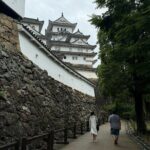
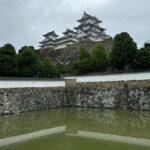
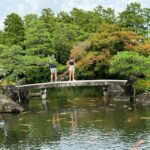
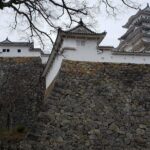
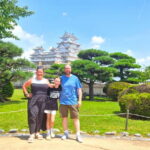
Himeji Castle looks calm from a distance, all white and elegant. Up close, you get a different idea: this place was made to resist attackers, with defensive planning baked into its shape.
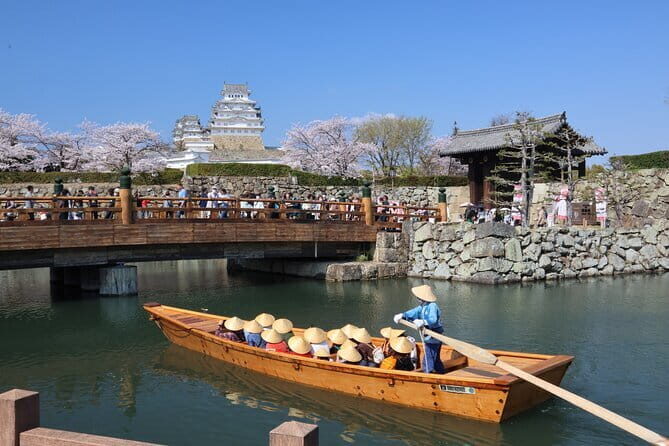
The tour starts at Himeji Station, where the castle’s size and presence already set the mood. Then you move toward the grounds, crossing moats and passing gates that were designed to slow, confuse, and control movement. It’s not just photo stops. You’re following a route that was meant to be hard for an enemy to navigate.
One of the best parts is how quickly you start seeing patterns. The guide helps you read the building like a system. Where you expect a simple hallway, you learn to look for how space can turn into a trap, a choke point, or a detour.
You can also read our reviews of more historical tours in Himeji

Why Nishi-no-Maru Feels So Human (Keshō-yagura and Hyakkendōrōka)
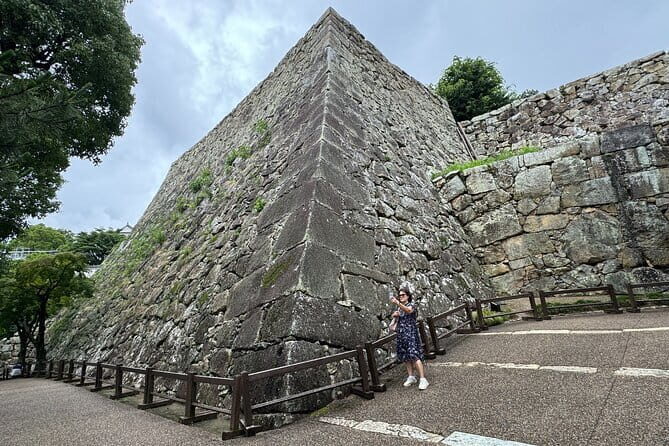
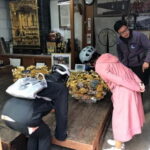
The first main stop focuses on Nishi-no-Maru, the castle’s living area. This is where Himeji shifts from fortress to household. You’re not just looking at architecture—you’re seeing how people actually used parts of the castle.
The Keshō-yagura is a highlight because it was designed as private quarters for the castle’s princesses. The style is quieter and more refined, and it helps you understand that nobility didn’t live here as soldiers first. They lived with routines, privacy, and comfort—inside a structure that still had to serve as a fortification.
Then you move to the Hyakkendōrōka, a long, straight corridor used by female attendants. It’s a practical space, and that practical feel matters. You start to notice how daily movement in the castle was shaped by design. The corridor isn’t just a corridor; it’s part of how the household functioned.
This stop is also a smart pace-break. It gives your brain a different entry point than the hardest defensive sections later on. If you like understanding the culture behind the walls, this is the moment that clicks.
The White Fortress: How the Main Keep’s Design Works
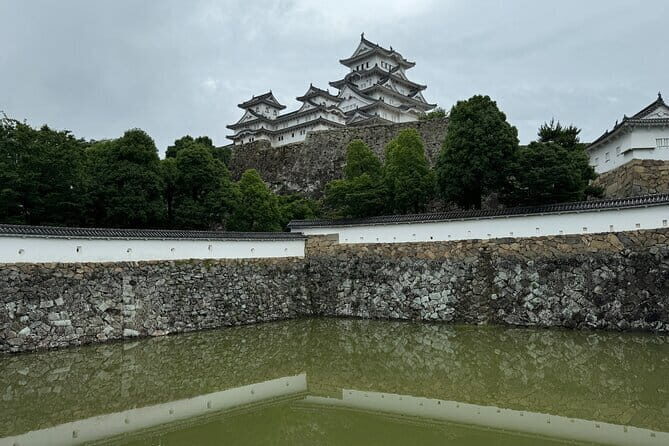
After Nishi-no-Maru, the tour moves through the core of the castle experience. Here, you get the architecture at its most impressive and functional.
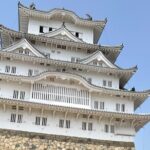
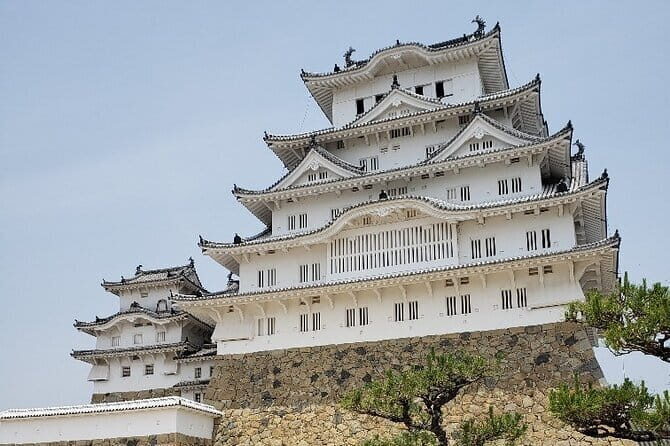
Himeji Castle is known for its wooden construction and its iconic white exterior made from white clay. That detail isn’t just aesthetic. The white clay also helps protect against fire, which connects the beauty to real survival needs.
Inside, the pathways are winding, and you’re encouraged to see them the way an attacker might. The route is designed to confuse and outmaneuver invaders through planning that uses turning paths, shifting directions, and controlled entry points. You’re essentially being taught how to “read” the castle as a defensive machine.
As you keep moving upward and inward, the guide points out features you might otherwise miss—things like the way the castle channels movement and how higher-level structures relate to lower-level approaches. This is where the tour earns its keep. Instead of wandering, you’re learning what each part was supposed to do.
Maze Paths, Hidden Traps, and Battlements (What to Watch For)
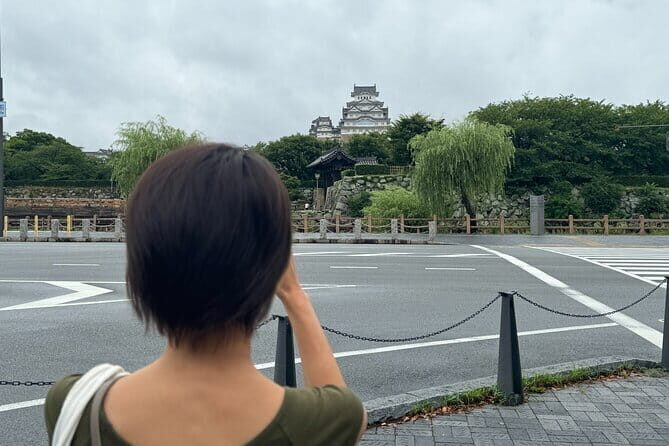
Himeji is famous for being a fortress, but what makes it special on this tour is that you don’t just hear the words defensive systems. You’re shown what they mean in physical space.
You’ll encounter maze-like routes on the way to the main keep. The idea is simple: attackers shouldn’t be able to move straight toward advantage. The castle creates complexity, slowing decisions and forcing wrong turns.
You also learn about hidden trap concepts and the role of elevated positions. Even without trying to picture every scenario, you can start noticing how sightlines and height differences matter. Battlements aren’t just for drama. They’re part of how defenders controlled what was happening below.
When you’re walking these sections, do yourself a favor: pause and look at how you entered the space. Then look for where the route forces you next. The guide’s explanations make that pattern obvious, and once it is, the castle feels less like a museum and more like an operating defense system.
Reaching the Tenshu: Views That Make the Climb Worth It
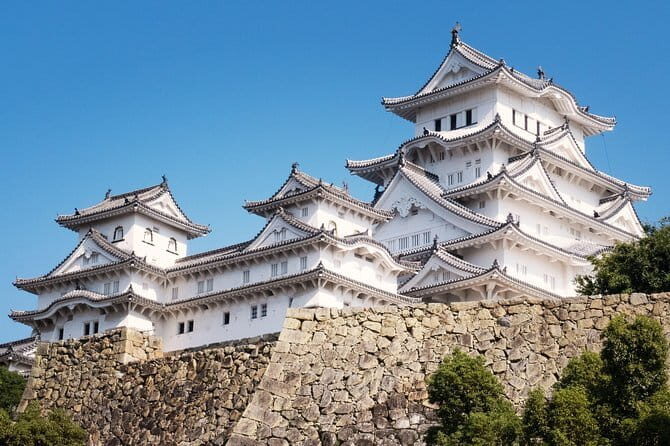
The top-level payoff is the tenshu area. This is where the tour changes gears from defense and design to reward and perspective.
As you approach the tenshu, you can feel the energy shift in the group. You’ve spent time tracing strategy, and now you’re stepping into a place designed for control and observation. Then—bingo—you’re rewarded with breathtaking views of the city.
This view is more than a postcard moment. It helps you understand why castles were built where they were. Height gives defenders an advantage, but it also gives you a sense of the landscape around the fortress.
If you’re a map person, this is a great time to orient yourself mentally. You’ll likely start connecting the castle’s layout to where movement and approaches would come from.



What Makes This Tour a Good Value at $117.28

At $117.28 per person, the price might look steep if you assume you’re just paying for entry. The real value is what’s included and how the guide helps you use that time.
You get:
- A tour guide
- All fees and taxes
- Admission ticket included
- A route that takes about 2 hours 30 minutes
That matters because admission plus a guided explanation often costs more when booked separately. Here, you’re paying for the combination of guided reading of the castle and the ticket, with a private group format.
You should also note group discounts are mentioned, and that can help if you’re traveling with friends or family. Add in the use of a mobile ticket, and you avoid the stress of scrambling for paperwork on arrival.
The tour is private, meaning only your group participates. That usually leads to a better pace for questions, and it also reduces the feeling of being swept along.
Practical Tips So You Get the Most From Your 2.5 Hours
Because you’re moving through multiple areas—Nishi-no-Maru, then the main keep route, then up to the tenshu—your best friend is a simple strategy: slow down at the moments the guide highlights.
A few practical things I recommend:
- Wear shoes you trust. Castle floors can be uneven, and the route is active.
- Keep your phone charged for the view moment at the tenshu. It’s the best place to quickly capture context shots.
- If you’re sensitive to stairs or steep sections, take it steady during transitions between levels.
- Bring a light layer. You’ll be outside for part of the experience, even if some corridors feel protected.
If your travel style is more about understanding than speed, this tour fits nicely. It’s the kind of guided visit where you leave with a model in your head: how the castle funneled movement, how different spaces served different people, and why the design made military sense.
Who This Tour Suits Best (And Who Might Skip It)
This experience is a strong match if you want to see the famous parts of Himeji Castle without turning it into a solo scavenger hunt.
You’ll likely enjoy it most if:
- You care about architecture and want the logic behind it explained
- You like cultural context, especially the lives connected to Nishi-no-Maru
- You prefer a guided route with time-focused stops rather than open-ended wandering
You might consider another option if you’re the type who wants total freedom, zero structure, and you’re happy piecing together the defensive history on your own. This tour is designed to guide you through a specific flow.
Should You Book This Himeji Castle Tour?
I’d book it if you want a guided, high-signal visit to Japan’s most famous white fortress. The combination of private pacing, admission included, and a guide who connects spaces to purpose makes the 2.5 hours feel purposeful instead of rushed.
On the other hand, if you’re traveling with very limited mobility or you’re hoping for a mostly flat, slow stroll, this may be more than you want. The route includes movement across castle areas and up to the tenshu.
If you like your sightseeing with clear explanations and a bit of story logic, this tour is a smart way to turn Himeji Castle from a landmark into something you understand.
FAQ
What is the meeting point for the tour?
The tour meets at Himeji Station (兵庫県姫路市駅前町1881). The tour ends at Himeji Castle (68 Honmachi, Himeji, Hyogo 670-0012, Japan).
How long is the Himeji Castle tour?
The experience runs for about 2 hours 30 minutes.
Is admission included?
Yes. Admission ticket included is listed for the tour.
Is this tour private?
Yes. It’s described as a private tour/activity, and only your group participates.
What stops are included during the tour?
The tour includes Nishi-no-Maru (including the Keshō-yagura and Hyakkendōrōka) and Himeji Castle leading through the main castle areas up to the tenshu for views.
What’s included in the price?
The price includes all fees and taxes and a tour guide. Brunch and transportation to the station are not included.
If you want, tell me what month you’re going and whether you’re visiting from Osaka—then I can help you plan a simple half-day schedule around this tour so you don’t get squeezed by crowd timing.