REVIEW · HIMEJI
Walking Tour in Himeji Castle Garden and Aizome Indigo Dyeing
Book on Viator →Operated by Snow Monkey Resorts Tours (Machinovate Japan Ltd.) · Bookable on Viator
A day in Himeji feels calmer than the big-city rush. This tour smartly combines Himeji Castle with a full garden visit, then caps it with hands-on Aizome Indigo Dyeing. You get a guided framework for seeing the sights, plus a real craft moment where you’ll leave with something more memorable than a photo.
The main drawback is simple: lunch isn’t included, so plan on budgeting time (and appetite) for food on your own during the day.
In This Review
- Key highlights you’ll actually care about
- Where the day starts: JR Himeji Station to Himeji Castle in quick steps
- Himeji Castle: what you get in two hours
- Koko-en garden: nine Edo-style strolls next to the castle
- Itatehyōzu Shrine: the rituals you’ll remember even if you don’t see them
- Wataya and Aizome Indigo Dyeing: a hands-on craft you can take home
- Price and value: $158 for a guided, admission-based day
- How the schedule feels in real life (and who will enjoy it most)
- Should you book this Himeji castle and indigo dyeing tour?
- FAQ
- How long is the Himeji Castle Garden and Aizome Dyeing tour?
- Where do I meet for the tour?
- Is lunch included?
- What’s included in the price?
- How big is the group?
- Can I get a full refund if I cancel?
Key highlights you’ll actually care about
- World Heritage + National Treasure in one timed visit at Himeji Castle, with admission handled for you
- Koko-en’s nine different Edo-period garden styles right next to the castle, and it’s free on this tour
- A short, meaningful stop at Itatehyōzu Shrine tied to the Ilsan and Samsan rituals (every 60 and 20 years)
- Wataya Aizome experience with the time and structure needed to make indigo part of your day, not just a demonstration
- Small group size (max 20) plus an English-speaking guide who keeps the day moving smoothly
- Mobile ticket and guided logistics so you’re not stuck figuring out what platform or entrance to use
Where the day starts: JR Himeji Station to Himeji Castle in quick steps
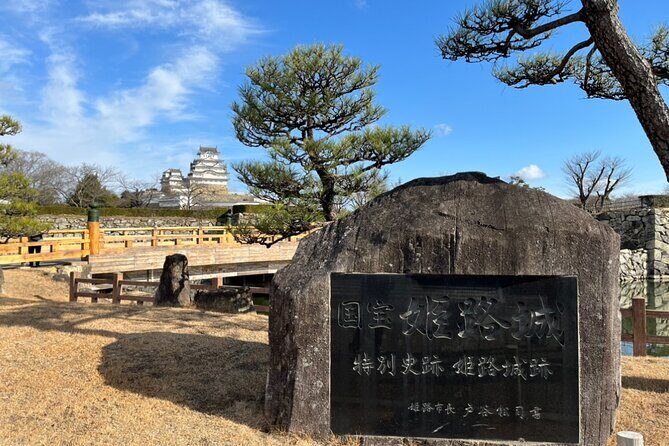
You begin at JR Himeji Station, meeting right after you exit the Central Gate. The start time is 9:30 am, and the pace is built for efficiency: you’ll reach Himeji Castle in about 15 minutes. That matters because it means you’re not spending your prime morning transit time watching screens and guessing bus routes.
This tour also uses practical tools to reduce friction: it’s guided in English, and you’ll have a mobile ticket. Bus tickets are included, which usually means fewer moments where you’re staring at a timetable trying to match your location to a route number.
Group size is capped at 20 travelers, which I like for Japan sightseeing days. Big tour buses can feel like you’re being processed; a smaller group usually means quicker regrouping and fewer waiting gaps.
You can also read our reviews of more walking tours in Himeji
Himeji Castle: what you get in two hours
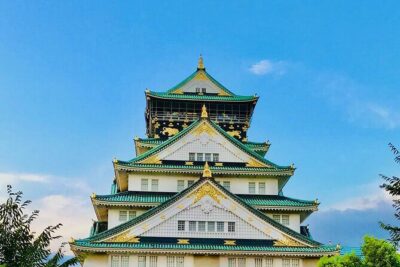
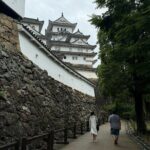
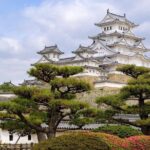
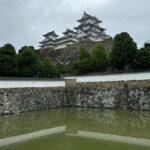
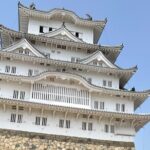
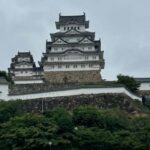
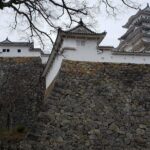
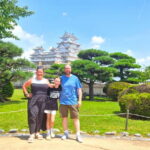
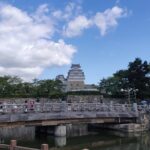
Himeji Castle is the star for a reason: it’s the largest existing castle in Japan, and it’s listed as a World Heritage Site and a National Treasure. Even if you’ve seen photos before, it helps to have time boxed into a guided visit, because the castle complex is exactly the kind of place where it’s easy to drift without noticing what to look for.
You’ll have about two hours with the admission ticket included. In that time, you’re not trying to “see everything forever.” You’re getting the big-picture understanding of what makes Himeji Castle famous, plus a sense of how the site works as a whole. A guided visit is especially useful here because it turns wandering into a story: why this castle matters, and what you’re looking at when you look.
One consideration: two hours can feel like plenty until you hit the parts where you naturally slow down—stairs, viewpoints, and areas where you’ll want photos. If you’re the kind of person who stops for every angle, you might wish you had more time. On the other hand, if you prefer focused sightseeing without burnout, this timing is a good fit.
Koko-en garden: nine Edo-style strolls next to the castle
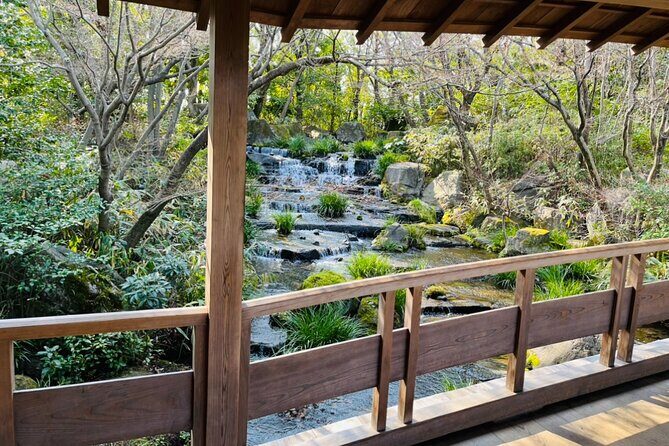
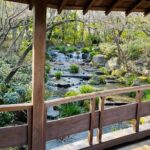
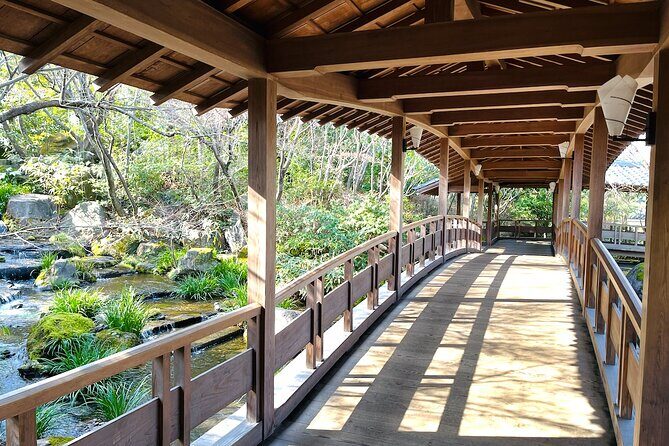
After the castle, you’ll walk over to Koko-en, the Japanese garden next to Himeji Castle. You get about two hours, and admission is free on this tour—one of those small-but-meaningful value adds that makes the whole package feel fairer.
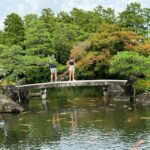
Koko-en is laid out as nine strolling gardens, each with a different Edo-period (1603–1868) style and landscaping theme. That’s the key: this isn’t just one pretty garden. It’s a set of designed moods. If you like garden variety, this stop is built for you. You’re not trapped in the same composition for an hour.
What I love about this kind of garden time is that it changes your rhythm. Castle days can be energetic—eyes up, walking, photographing. Gardens bring your pace down on purpose. You’ll likely find yourself paying closer attention to how paths, views, and planted areas guide your movement.
Potential drawback: gardens are calm, but they still involve walking. If it rains, or if you’re sensitive to weather, you’ll want comfortable shoes and a light layer.
Itatehyōzu Shrine: the rituals you’ll remember even if you don’t see them
On the way back toward the shopping district, the tour includes a stop at Itatehyōzu Shrine. This is one of those places that can feel small compared to the castle, but it carries weight through tradition.
It’s famous for two rituals:
- Ilsan, held every 60 years
- Samsan, held every 20 years
You’re not here to wait for the next ritual (the timing is naturally much longer than a typical day trip). But you are here to understand why the shrine is notable. Having context makes a shrine visit more satisfying than just checking off a photo stop.
This stop being free also helps the overall value. And it’s a nice way to rebalance the day: after visual architecture (castle) and designed nature (Koko-en), a shrine adds a different kind of meaning—one rooted in timing, tradition, and long cycles.
Wataya and Aizome Indigo Dyeing: a hands-on craft you can take home

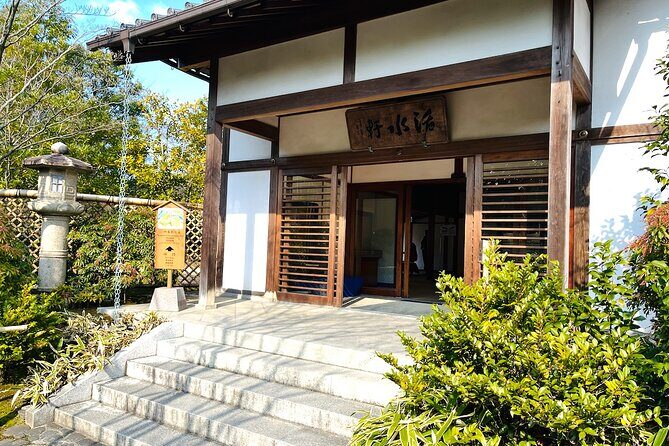
The afternoon is where the tour becomes truly memorable: Aizome (Indigo Dyeing) at Wataya. Indigo is one of the oldest vegetable dyes, with roots in the Middle East, and that historical thread is part of why this experience feels bigger than a souvenir workshop.
You’ll get about two hours for the dyeing experience, and the experience fee is included. You’re not just watching a process from the side. Aizome is designed so you can participate, which is the difference between learning about a craft and actually feeling how it works.
From the tone of the experience, the guide and the dyeing master focus on connection, humor, and keeping things lively. In particular, the Aizome master is described as extremely interesting, charming, and funny—someone eager to talk with you through the workshop. That kind of personality matters. It turns a “do this, then that” activity into a conversation, and conversations are where learning sticks.
And if you’re curious about what to expect emotionally: indigo dyeing can feel slow and precise, which is a nice contrast to sightseeing speed. You’ll likely finish with a stronger memory of the day because your hands were involved.

Price and value: $158 for a guided, admission-based day
At $158.02 per person for an 8-hour day, this isn’t a bargain tour. But it’s also not overpriced when you look at what’s actually covered.
Included costs include:
- Entrance fees for each stop
- Bus tickets needed for the tour
- Aizome experience fee
- An English-speaking guided tour
Also note the practical trade-off: lunch isn’t included. That’s the main way you’ll spend extra. The “value math” is that you’re paying more upfront for guided access and hands-on craft, and you’re left to handle food on your own.
So who is this best value for? People who want:
- a guided day that takes care of admissions and transport
- a small-group feel (max 20)
- both big historic sights and a tactile cultural activity in the same outing
If you prefer completely self-guided travel and you’re comfortable buying tickets and finding your own places, you might find cheaper options. But if you want a smooth one-day storyline—from castle to garden to dyeing—this package is designed for that.
How the schedule feels in real life (and who will enjoy it most)

This is a structured day: castle first, then Koko-en, then a shrine stop, then the Aizome workshop. That sequence works well. You front-load the “must-see” landmark, then use calmer moments (garden and shrine) to pace you, and you finish with an interactive craft that makes the day feel satisfying.
I think it’s a great fit if you:
- like having an English-speaking guide guide your attention
- want to see more than just the castle without rushing
- enjoy hands-on experiences, especially craft activities
- prefer a smaller group size rather than a crowd
It’s probably less ideal if you hate scheduled time blocks or you want long unplanned shopping wandering. The stops are timed, and the tour ends back at the meeting point.
Should you book this Himeji castle and indigo dyeing tour?
Book it if you want a single day in Himeji that mixes the big historic headline with a real cultural workshop—without doing the logistics work yourself. The best reasons to choose it are the combination of Himeji Castle + Koko-en (with meaningful garden variety) and the Aizome Indigo Dyeing at Wataya, which adds a hands-on payoff rather than just another photo stop.
Skip it or look for a different option if you strongly need lunch included, or if you know you don’t like walking in a full 8-hour day.
If your travel style is “good structure, authentic experiences, and time-saving guidance,” this is the kind of day that tends to land well.
FAQ
How long is the Himeji Castle Garden and Aizome Dyeing tour?
It runs for about 8 hours.
Where do I meet for the tour?
You meet at HIMEJI STATION in Japan, near the exit immediately after the Central Gate. The tour ends back at the same meeting point.
Is lunch included?
No. Lunch isn’t included.
What’s included in the price?
The tour price includes entrance fees, bus tickets required for the tour, the Aizome (Indigo Dyeing) experience fee, and an English-speaking guided tour.
How big is the group?
The tour has a maximum of 20 travelers.
Can I get a full refund if I cancel?
Yes. You can cancel for a full refund if you cancel at least 24 hours before the experience starts. If you cancel less than 24 hours before, the paid amount won’t be refunded.