REVIEW · OSAKA
Osaka Castle Admission Ticket
Book on Viator →Operated by Trevopedia Wonders · Bookable on Viator
Osaka Castle hits different in Japan. This admission ticket gives you a full day’s worth of history, gardens, and big city views, all wrapped around one of Osaka’s most recognizable landmarks. I like the straightforward way it gets you into the castle area quickly, so you can spend more time walking and less time waiting.
I also like what you get once you’re inside the main tower: a museum-style look at the castle and the samurai world, with displays that explain Toyotomi Hideyoshi’s role and the kind of armor and weapons people actually used. It’s not just photos from the outside—there’s real context under your feet.
One consideration: this is a top attraction, so you should expect crowds, especially around the main tower and inside rooms with exhibits. And once you leave, re-entry isn’t allowed, so you’ll want to plan your breaks and food before you step back out.
In This Review
- Key things to know before you go
- Osaka Castle Ticket: What You Get for $15.30
- How to Skip the Ticket Line and Start Smarter
- Inside the Main Tower Museum: Samurai Displays That Make the Castle Make Sense
- Observation Deck Views: Climb Smart, Not Exhausted
- Nishinomaru Garden and Castle Grounds: The Part You’ll Want Extra Time For
- Timing a 7–8 Hour Castle Day Without Rushing
- Crowds, Rules, and the Stuff That Can Make or Break Your Day
- Who This Ticket Suits Best (And Who Might Want a Different Plan)
- The Booking Value vs. Paying on Arrival
- Should You Book This Osaka Castle Admission Ticket?
- FAQ
- What are the opening hours for Osaka Castle?
- How much does the Osaka Castle admission ticket cost?
- Is the admission ticket included in the tour?
- Can I re-enter after I leave the venue?
- Are children allowed for free?
- Do children aged 12–15 need identification?
- What items are not allowed inside the castle?
- How soon will I receive the ticket details?
Key things to know before you go
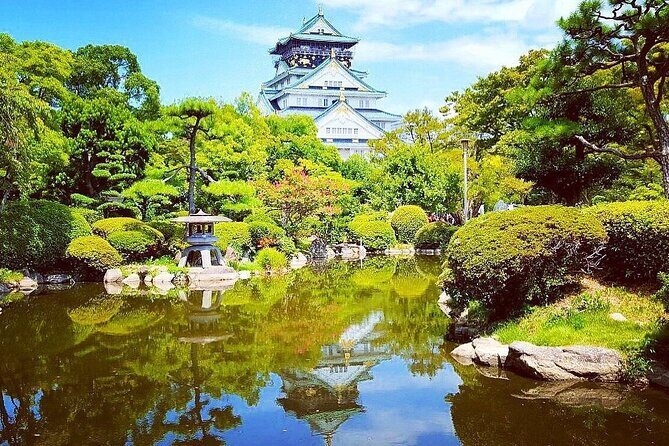
- Skip-the-line entry: your admission is handled in advance so you can head straight to the castle area
- Big views from the lookout: panoramic Osaka skyline views are part of the payoff
- Samurai museum inside the tower: armor, weaponry, and castle history displays help you connect the dots
- Nishinomaru Garden for scenery: especially pretty during cherry blossom season
- Crowd levels can spike: getting around can feel tight on busy days
- Rules are strict: no food/drinks except water, and no large luggage or sharp items
Osaka Castle Ticket: What You Get for $15.30
At about $15.30 per person, this ticket feels like a practical spend if you actually plan to linger. You’re paying for three things that usually cost time and stress on their own: access to Osaka Castle’s main tower museum, the higher-level observation experience, and the chance to wander the surrounding grounds and gardens.
The value comes from the combination. Many people come for the skyline views, but the museum adds substance. Once you’ve seen the armor displays and learned the story threads tied to the castle, the outside stone walls and moats make more sense. It’s easier to look at the castle and understand why it mattered, not just admire it.
Also, this one ticket covers the core of a castle visit. The grounds are part of the experience, so you’re not just stepping into a building and leaving. If you enjoy slow walking and photography stops, the price-to-time ratio tends to feel fair.
A few more Osaka tours and experiences worth a look

How to Skip the Ticket Line and Start Smarter
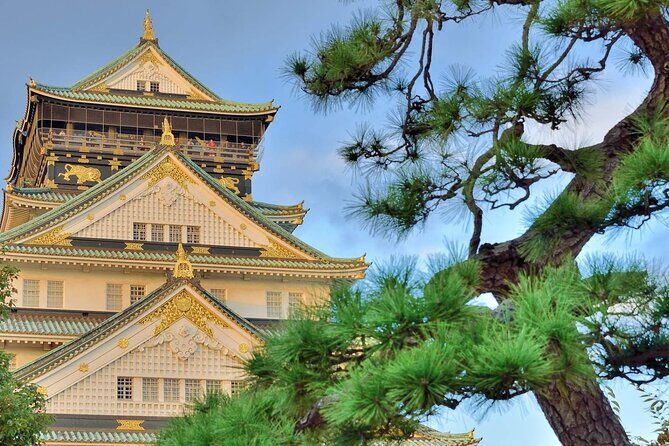
The biggest practical win here is that your admission is handled ahead of time. In real life that means you can avoid the queue for buying tickets on-site. One review note called out that the process let them head straight in, which is exactly what you want when Japan’s summer heat or rainy days push crowds into tighter lanes.
Timing-wise, the attraction is open daily from 9:00 AM to 5:00 PM during the listed validity window (with the schedule running Monday through Sunday). The listing also says tickets can be confirmed at booking time, but you may still receive the QR code by email/message later rather than instantly—so don’t wait until the last minute to check your inbox.
Two small logistics points that can save you headaches:
- No re-entry after you leave. If you step out to grab food or reset your plans, know that you won’t be able to come back in.
- Bring what fits the rules. Large luggage and restricted items can be a dealbreaker if you arrive with too much.
If you want the smoothest start, aim to arrive early in the day. On busy days, the lines and movement bottlenecks aren’t just a nuisance—they can cut into the time you’d rather spend viewing the exhibits and taking photos.
Inside the Main Tower Museum: Samurai Displays That Make the Castle Make Sense
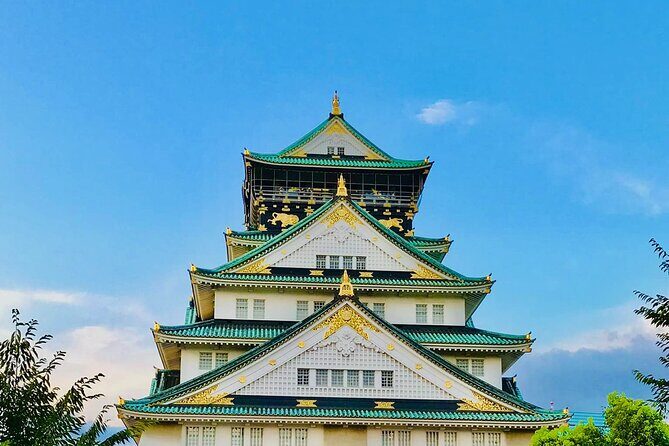
The main tower is the heart of your visit. You’ll see a museum with exhibits tied to the castle’s story and the samurai era. The key theme is connection: the castle isn’t presented as a stand-alone landmark, but as a piece of political and military history.
In particular, you’ll get context around Toyotomi Hideyoshi, including exhibits about the founder’s influence. Then the museum shifts into tangible artifacts and displays—samurai armor, weaponry, and the kind of details that help you picture how power was projected in that period.
I like this approach because it changes how you look at the architecture outside. When you understand what the castle represented, the stone walls and tower height feel less like scenery and more like strategy.
Practical tip: the exhibits can be busy. If you care about details, don’t rush straight through the first rooms. Take a lap that’s slower, then come back for a second look at anything that caught your attention.
Observation Deck Views: Climb Smart, Not Exhausted
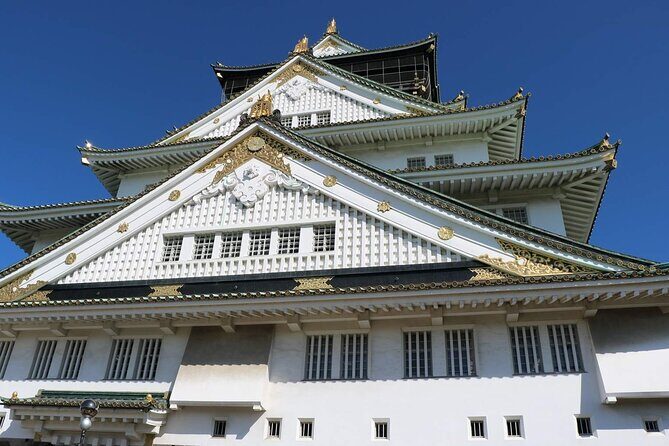
The payoff for most people is the view from the observation deck. It’s panoramic Osaka scenery, and it’s one of those moments where you stop and think, ok, this was worth the walking.
The trick is deciding how you’ll reach the higher levels. You’ll see two common strategies:
- Take the stairs up to the upper levels first, then work your way down.
- Use an express lift to a mid level and then walk up the remaining floors toward the lookout.
Either strategy can work; the best one depends on your energy level and how crowded the stair/lift routes feel when you arrive. If you want fewer moving distractions later, starting at the top and coming down can help you get the lookout done before the busiest waves fully build. If you’d rather preserve your legs, taking the lift first then walking up is a good middle path.
One more reason to plan this: movement inside the tower and museum can get tight. If you’re prone to getting flustered in crowds, having a simple route plan helps your brain stay calm while the flow of people moves around you.
Nishinomaru Garden and Castle Grounds: The Part You’ll Want Extra Time For
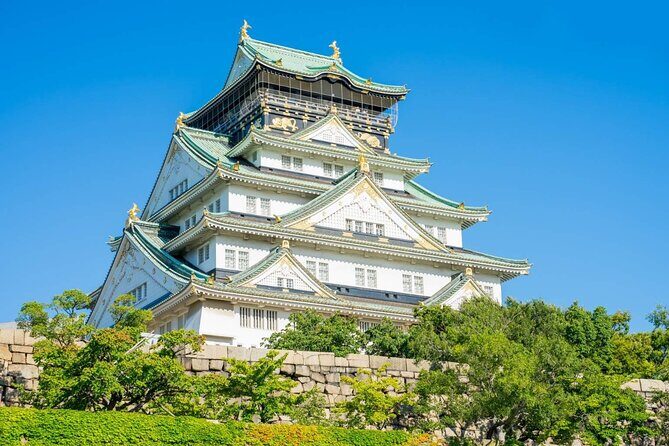
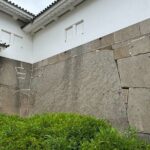
The castle isn’t only the tower. A big part of the experience is the surrounding grounds—moats, stone walls, and walking paths that give you breathing room after indoor exhibits.
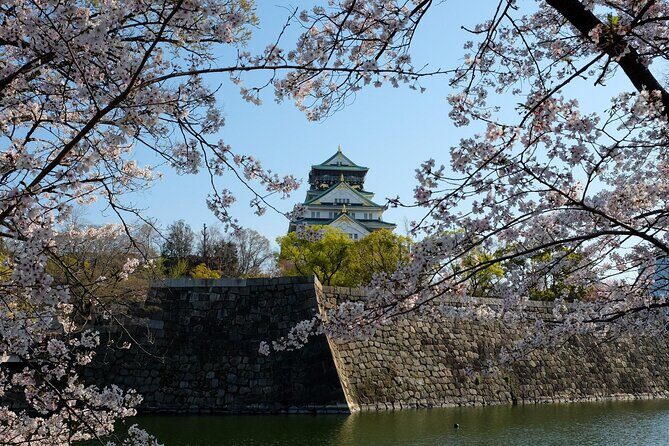
A highlight is Nishinomaru Garden, which is described as especially stunning during cherry blossom season. Even if you’re not there in spring, this garden setting is still one of the better places to reset your pace. After a museum, you’ll likely appreciate the open air and slower rhythm for photos.
Also, the grounds are where you can stretch the day into something that feels complete. If you only plan for the tower, you might leave thinking you saw the major stuff—but you’ll miss the calmer, scenic side that makes the castle feel like a place, not a stop.
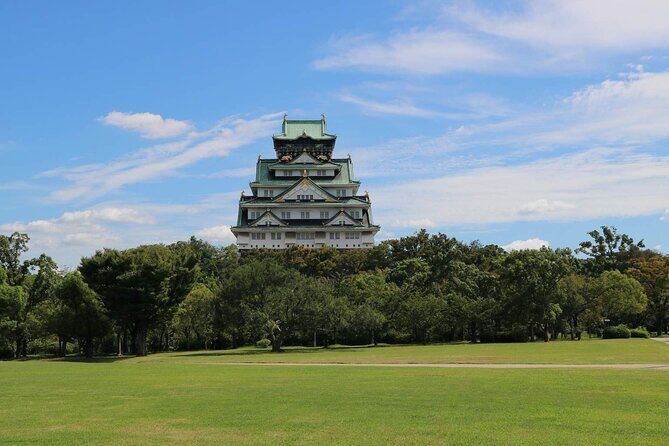
Photography tip: give yourself a couple of short pauses outside. Osaka Castle’s form is dramatic, and the light changes as clouds roll in or the day shifts. Even a few minutes of waiting can improve your shots.






Timing a 7–8 Hour Castle Day Without Rushing

The experience duration is listed at about 7 to 8 hours, so this is not a quick in-and-out ticket unless you love speed. I’d treat it as a flexible half-to-full day: tower first, then grounds and garden, with time for rest.
Here’s a realistic flow that keeps you from feeling like you’re chasing your own schedule:
- Start with the tower so you get exhibits and the lookout while you still have momentum.
- Then slow down with the grounds and Nishinomaru Garden once you’ve seen the main museum content.
- Leave a little buffer for walking back to stations and settling your timing, since you won’t be able to exit and re-enter.
Food matters here. One review noted they ate lunch at a rooftop bar and didn’t recommend it because it felt overpriced and didn’t deliver much food value. That doesn’t mean there’s no good option on-site—but it’s a reminder to think of meals as a potential weak spot. If you’re trying to keep costs controlled, plan ahead for what you’ll do during breaks.
Also, follow the rules about what you can bring inside: no food and drinks except water. If you like to snack during your walk, plan to stop outside and eat, then come back with a bottle of water only.
Crowds, Rules, and the Stuff That Can Make or Break Your Day
This ticket is popular, and crowds are the main downside. On busy days, it can feel almost impossible to move around smoothly, especially around exhibitions and indoor circulation points. That’s not a reason to avoid the castle; it’s a reason to be smart about your timing and pacing.
Rules are also part of the experience. The ticket info lists prohibited items, including:
- large luggage
- sharp metals
- flammable and poisonous items
- food and drinks (except water)
If you travel light, your day feels easier. If you show up with a lot of baggage, expect delays and frustration.
Another crowd-related tip: pick a route that you can stick to. When you get disoriented in a crowded landmark, you start double-walking and losing the good moments—like reaching a lookout area at the right time or finding a calmer corner in the garden.
Finally, be aware of the kid policy. Children 0–15 enter free of charge, but children 12–15 must present a valid passport with age and birthdate information when entering the castle. If you’re traveling with teenagers, that’s worth double-checking before you head over.
Who This Ticket Suits Best (And Who Might Want a Different Plan)
This ticket is ideal if you want a classic Osaka landmark day with both indoor learning and outdoor scenery. I’d especially recommend it if you:
- like history that has objects (armor and weapon displays) attached to it
- want a viewpoint payoff, not just walking around
- enjoy gardens and seasonal scenery, like cherry blossoms
- want a streamlined entry that avoids on-site ticket buying
On the other hand, if you’re easily bored by museum-style exhibits, you may find the tower rooms feel slower than you expected. One review feedback described the visit as a little boring for them personally, even though the castle grounds still looked beautiful. That’s not a guarantee for you, but it’s a useful signal: bring curiosity, or focus heavily on the views and the gardens.
The Booking Value vs. Paying on Arrival
Buying the ticket ahead is mostly about time and stress. The most convincing reason is simple: skipping the queue for ticket purchase can save you time, and time is what you lose first at the castle. If you show up midday when crowds peak, that saved time can be the difference between enjoying the lookout calmly and getting stuck in slow moving lines.
The $15.30 price also makes sense because the visit is a full-day-style experience. You’re not paying $15 to look at a castle from outside—you’re paying for a museum tower experience plus observation and garden walking.
And if plans change, cancellation is free up to 24 hours in advance for a full refund. That gives you flexibility if the weather turns or you need to rework your Osaka schedule.
Should You Book This Osaka Castle Admission Ticket?
Book it if you want the best version of an Osaka castle day: main tower exhibits, samurai-themed displays, big skyline views, and time to wander Nishinomaru Garden. The ticket is a solid value because it protects your time with skip-the-line entry and lets you structure your own 7–8 hour visit.
Skip it or adjust your expectations if:
- you hate crowds and only want quiet experiences
- you’re planning a super short visit (this is really designed for a full day)
- you don’t care much about indoor exhibits
My call: if Osaka Castle is on your list, this ticket is the practical way to do it. Arrive early, plan your climb route, and give the gardens real time. You’ll leave with more than a photo—you’ll have the story behind the stone walls too.
FAQ
What are the opening hours for Osaka Castle?
The castle is open daily from 9:00 AM to 5:00 PM during the listed validity period (Monday through Sunday).
How much does the Osaka Castle admission ticket cost?
The ticket price is listed as $15.30 per person.
Is the admission ticket included in the tour?
Yes. The Osaka Castle admission ticket is included.
Can I re-enter after I leave the venue?
No. Re-entry is not allowed after you leave the venue.
Are children allowed for free?
Children aged 0–15 can enter free of charge.
Do children aged 12–15 need identification?
Yes. Children aged 12–15 are required to present a valid passport with age and birthdate information when entering the castle.
What items are not allowed inside the castle?
Large luggage, sharp metals, flammable or poisonous items, and food or drinks (except water) are not allowed.
How soon will I receive the ticket details?
Confirmation is received at booking time, and QR code tickets are provided by email/message, but they may not be instant.