REVIEW · TOKYO
Shibuya: Pachinko Gaming Experience
Book on Viator →Operated by HORIZON (JORAEMON) · Bookable on Viator
Pinball meets slots, and the rules get explained. In Shibuya, you get a private sit-down with a guide so you’re not stuck guessing what each button does in a pachinko parlor. The setting is classic Tokyo arcade energy, but the real value is the one-to-one guidance that makes this local pastime readable fast with HORIZON (JORAEMON) helping with language.
I especially like how the session is built around learning, not just watching. You’ll get expert tips on how to play, plus practical guidance on things like how to choose a game and what to do during play, with translation so questions don’t get lost.
One consideration: the tour price covers the guide, not the money you spend playing. The pachinko gaming fee depends on how much you decide to put in, so your total can rise quickly if you keep trying different machines.
In This Review
- Key things I’d plan for
- Shibuya Pachinko: Why This Game Feels Confusing Until Someone Shows You
- The 1-Hour Flow in Shibuya (And What You’ll Do First)
- How the Guide Turns Pachinko Into Something You Can Actually Follow
- Buttons, Balls, and Ball Exchange: The Most Valuable Part for First-Timers
- The History Lesson: Short, Useful, and Tied to What You’re Doing
- No Language Barrier: Translation That Makes Questions Possible
- Optional Add-On: Heading to a Game Arcade Center After Pachinko
- Price and Value: What $22.76 Actually Buys You
- Who This Shibuya Pachinko Experience Fits Best
- Quick Prep Tips So You Don’t Feel Rushed
- Should You Book This Shibuya Pachinko Tour?
- FAQ
- What is included in the Shibuya pachinko experience?
- How long does the tour take?
- Where do we meet for the tour?
- Is this a group tour or private?
- Do I need to speak Japanese to enjoy it?
- Is the pachinko gaming fee included in the price?
- Is free cancellation available?
Key things I’d plan for
- 1-on-1 instruction so you can ask questions without feeling rushed
- Guide translation to remove the language barrier in the arcade setting
- How to play basics like which games to pick and what each control does
- Strategy talk that turns random shots into a more intentional approach
- Ball exchange explained so you know what’s happening when you cash out
- Optional arcade time right after, if you want to keep gaming
Shibuya Pachinko: Why This Game Feels Confusing Until Someone Shows You
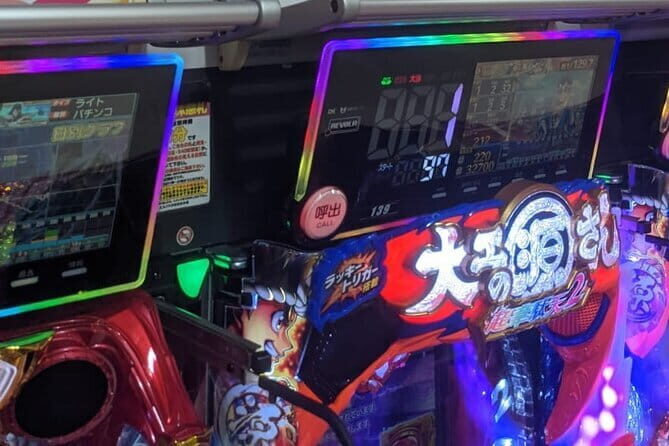
Pachinko has a reputation for being tricky. The machines look approachable at first glance, but once you’re standing in front of one, you quickly realize the rules and workflow are not the same as standard arcade games. In Shibuya, that confusion is extra stressful because parlors can feel fast-paced and busy.
What I like here is that the experience is set up to reduce that stress. You’re not left to figure it out by trial and error while you try to guess what the buttons are for. With HORIZON (JORAEMON) and interpretation support, the game becomes something you can actually follow.
And yes, this is also a fun way to experience Japanese entertainment up close. Pachinko blends arcade play with a distinct rhythm, from choosing your setup to reacting in real time. When you understand what you’re doing, it stops being just flashing lights and starts being a game you can participate in.
You can also read our reviews of more tours and experiences in Tokyo.



The 1-Hour Flow in Shibuya (And What You’ll Do First)
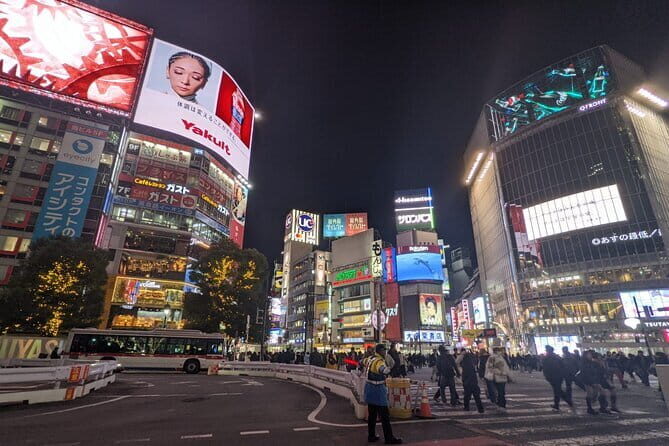
Your session centers on Shibuya, starting at the Hachiko Statue area (2 Chome-1 Dogenzaka, Shibuya). From there, you’ll walk into the pachinko shop together and get your introduction on-site. The total time is about 1 hour, which is perfect if you want local flavor without burning half a day.
Here’s the core of what happens during that hour:
- You meet your guide and head to a pachinko shop.
- You get a clear explanation of how to play before you start.
- After you play, the tour ends back at the meeting point.
The tour also offers a small bonus: after pachinko, you can ask the guide to bring you to a game arcade center. That’s optional and based on request, so it’s a good add-on if you want more arcade time without planning your route.
One small trade-off to keep in mind: since the session is short, the goal is practical fluency, not mastering every trick. If you’re hoping for a deep, long workshop, you might want another visit or longer private instruction. For a first taste, though, this time window is strong.
How the Guide Turns Pachinko Into Something You Can Actually Follow
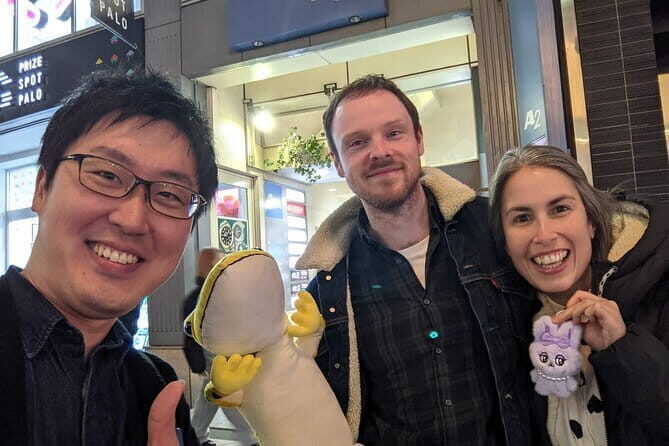
The tour is built around the exact problem most first-timers hit: you don’t know what to do, so you feel stuck. The guide’s job is to make the machine’s logic click quickly.
Based on what’s emphasized in the experience, you’ll focus on four practical areas:
- How to choose a game or setup so you’re not wasting time with a machine you don’t understand.
- What each button does, so you aren’t guessing mid-game.
- Playing strategies at a level that helps you stay intentional.
- Exchanging pachinko balls for cash, so the end-of-play step makes sense.
That last part matters more than people think. When you’re new, you may not understand what the flow is from start to finish. If you only learn how to push buttons, you can still feel lost when it’s time to wrap up. This experience includes guidance on that exchange process, and the tone is practical.
I also like that the tour doesn’t treat this like a one-way lecture. The guide can answer questions as they come up, which is how you learn faster. You’ll be able to clarify the parts that are confusing in real time, instead of trying to remember what you read later.
Buttons, Balls, and Ball Exchange: The Most Valuable Part for First-Timers
Pachinko can feel like a maze if you don’t understand the physical flow. The experience highlights learning the controls and what you’re interacting with. That’s huge value because you’re not wasting your first attempt on random button presses.
What you should watch for during your session is the transition from play to payout. You’ll learn what to do when you finish your play and need to handle your balls. The experience specifically frames this as exchanging your pachinko balls for cash, with the honest note that luck plays a role.
That’s a good approach for planning your expectations. You can treat the session as a real introduction to the mechanics, while accepting that outcomes aren’t guaranteed. This keeps the experience enjoyable instead of frustrating.
Also, if you’re coming from arcade-style games in the US, it helps to know this is closer to a hybrid between action and systems. The guide’s explanation of the buttons and the workflow makes it feel more like a game you understand, not a machine you’re hoping works out.
The History Lesson: Short, Useful, and Tied to What You’re Doing
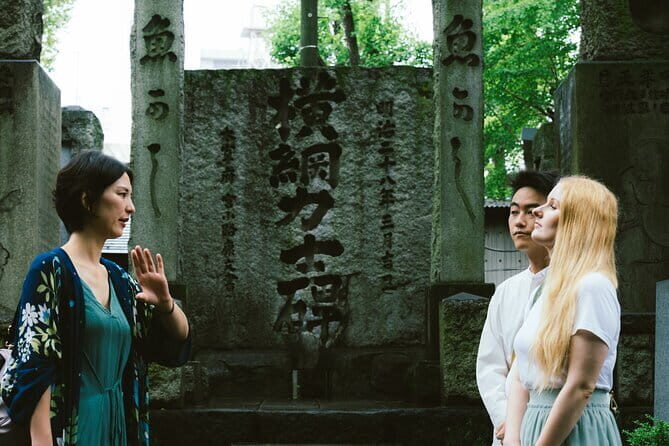
You’re not getting history trivia dumped on you. The experience includes insights into the history of pachinko, and the point is to make the machines and the culture around them make sense.
Why that matters: when you understand how a local entertainment form evolved, you’re less likely to treat it like a gimmick. Instead, it becomes something you can respect as a real part of everyday Tokyo life. In practical terms, a bit of context helps you read what’s going on in the parlor: how people act, why they’re playing, and what makes this entertainment familiar to locals.
You’ll still be focused on learning how to play during the session. Think of the history as glue, not homework.






No Language Barrier: Translation That Makes Questions Possible
The difference between getting through an arcade activity and enjoying it is whether you can ask what you need to ask. This experience is designed with translation and interpretation included, so you aren’t stuck using gestures and guessing.
That matters for two reasons:
- You can get real-time help when something doesn’t make sense.
- You can get answers that match your exact machine and your exact stage of play.
When you’re in a busy Shibuya pachinko shop, those questions are time-sensitive. A guide who can translate prevents your session from turning into stress management.
With private one-on-one time, you also get a calmer pace. It’s easier to learn when someone is focused on you, not a mixed group.
Optional Add-On: Heading to a Game Arcade Center After Pachinko
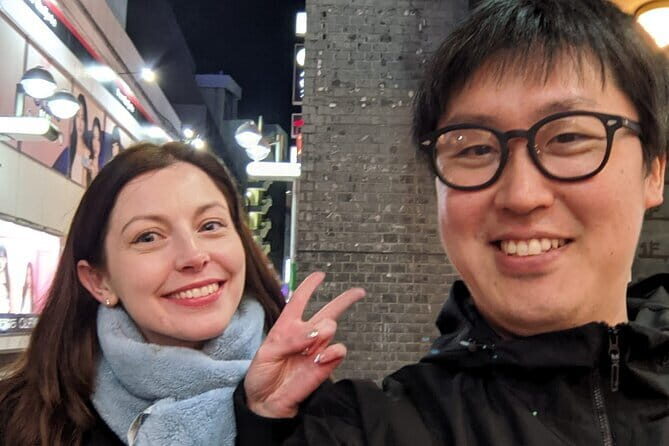
After your pachinko time, you can request a stop at a game arcade center. This is a nice option if you want to extend the fun without switching travel plans.
Since the main experience is already tightly planned for about an hour, the arcade add-on gives you control. If you feel you’ve gotten your pachinko fill, you can stay done. If you want more typical arcade variety, you can keep the energy going.
It’s especially useful in Shibuya because arcade-style entertainment is everywhere, and this gives you a straightforward path from one game world to another.
Price and Value: What $22.76 Actually Buys You
At $22.76 per person, the pricing is straightforward: you’re paying for the guide service, interpretation, and the instruction that makes pachinko usable for a beginner. The pachinko parlor gaming fee is not included, and that fee depends on how much you spend.
So how do you judge value?
- If you’re the kind of person who would otherwise wander into a parlor, panic at the controls, and leave, the guide time is worth it.
- If you already know pachinko rules and controls well, this might feel expensive for just translation and context. But most first-timers don’t have that advantage.
Also, the tour mentions that group discounts may apply, and it uses a mobile ticket. That can make it easier to plan if you’re traveling with friends and want the same learning support without extra complications.
One more point: the tour is private, so you’re not paying for a big group format where some people learn slower and some people dominate. For a skill like reading controls and handling the ball exchange step, a one-on-one setup is usually a smarter use of time than a group demo.
Who This Shibuya Pachinko Experience Fits Best
This is a great fit if you want a local entertainment experience that’s real, not touristy. It also works well if you’re curious but worried about not understanding the rules.
I’d especially recommend it if you:
- Want to learn how to play rather than just observe.
- Prefer a private setup with translation and Q&A.
- Have a short window in Tokyo and want one focused activity in about an hour.
- Like arcade culture and want a taste of a very Japanese form of gaming.
It may be less ideal if you strongly want to avoid spending any money beyond the tour fee. Because the gaming fee isn’t included, your total cost depends on your play. If you’re fine controlling your spend, that’s manageable. If you want a fixed all-in price for gambling-style play, you’ll want to plan your budget carefully.
Quick Prep Tips So You Don’t Feel Rushed
Because the session is short and practical, a little prep helps you get more out of it:
- Wear comfortable shoes. You’ll walk to the pachinko shop and be on your feet while learning.
- Bring a curious attitude. The guide’s explanations work best when you ask when something is unclear.
- Decide your spending comfort ahead of time. Since the play fee depends on what you put in, having a personal limit makes the experience calmer.
One more tip: arrive with a willingness to start learning before you feel fully confident. Pachinko rewards momentum, and a guide helps you gain that momentum fast.
Should You Book This Shibuya Pachinko Tour?
If you’re a first-timer who wants to understand pachinko instead of guessing, I’d book it. The biggest reason is the focus on practical learning: how to choose a game, what the buttons do, strategy basics, and how the ball exchange works at the end.
It’s also a good choice for people who value language support. In a pachinko parlor, the ability to ask questions in your own language can turn a confusing experience into a genuinely fun one.
One caution: check your budget mindset before you go. The tour price covers instruction, but pachinko play costs extra based on your spending.
If you can handle that trade-off, this is an efficient way to experience Shibuya’s arcade culture with real guidance—and walk out understanding what you just played.
FAQ
What is included in the Shibuya pachinko experience?
The experience includes a guide plus translation and interpretation. You also get a ticket for entry to the activity area, while the pachinko gaming fee is not included.
How long does the tour take?
It’s about 1 hour.
Where do we meet for the tour?
You start at the Hachiko Statue at 2 Chome-1 Dogenzaka, Shibuya, Tokyo 150-0043, Japan.
Is this a group tour or private?
This is a private tour/activity, so only your group participates.
Do I need to speak Japanese to enjoy it?
No. The guide provides translation and interpretation, so you won’t have a language barrier.
Is the pachinko gaming fee included in the price?
No. The pachinko gaming fee depends on how much you spend during your play.
Is free cancellation available?
Yes, free cancellation is available up to 24 hours in advance for a full refund.