REVIEW · OSAKA
Osaka/Kyoto: Hiroshima Miyajima Bus Tour & Shinkansen Ticket
Book on GetYourGuide →Operated by H.I.S. Co Ltd(TIC) · Bookable on GetYourGuide
Two worlds, one long day. This Hiroshima and Miyajima tour balances the seriousness of Peace Memorial Park with the view-ready calm of Itsukushima Shrine, all powered by a round-trip shinkansen day. I love how the day is guided from station to station, and I love that your included lunch is real Hiroshima-style okonomiyaki. The main drawback is the schedule is full and you’ll walk a lot in hot, crowded areas.
You also get helpful tech for the group—earphone guides—so you can actually catch the story even when the museum crowds thicken. If you want to see Hiroshima’s must-dos plus Miyajima without fighting train timing on your own, this is a strong way to spend your daylight.
In This Review
- Key Things That Make This Tour Worth It
- The Big Picture: Hiroshima and Miyajima in One 12-Hour Sweep
- Getting There Right: Shinkansen from Shin-Osaka or Kyoto
- Hiroshima Peace Memorial Park: Atomic Bomb Dome First
- The Museum and Crowd Reality: How to Make the Most of 1 Hour
- Hiroshima Castle Pass-By and Scenic Driving
- Lunch in Hiroshima: Okonomiyaki Built for a Group Tour
- The Ferry Jump: From Hiroshima to Miyajima
- Itsukushima Shrine: A UNESCO Stop You Feel in Your Photos
- Miyajima Free Time: Use It for One Good Walk
- How the Timing Actually Feels: A Packed Day With Real Walking
- Earphone Guides and Group Flow: Why You’ll Hear the Story
- Luggage and Comfort: A Day Trip Without the Stress
- Price and Value: What You’re Really Paying For
- Should You Book This Hiroshima and Miyajima Day Trip?
- FAQ
- What are the starting locations for this tour?
- How long is the tour?
- Is lunch included, and what kind of okonomiyaki do you get?
- Do I need to buy tickets for the shinkansen and ferry?
- What does the Hiroshima part of the tour include?
- Is there time to explore Miyajima on your own?
- Are earphone guides provided?
- Can you change the lunch menu on the day of the tour?
- Is this tour suitable for wheelchair users?
Key Things That Make This Tour Worth It
- Shinkansen + bus + ferry done in one package so you don’t burn time figuring out connections
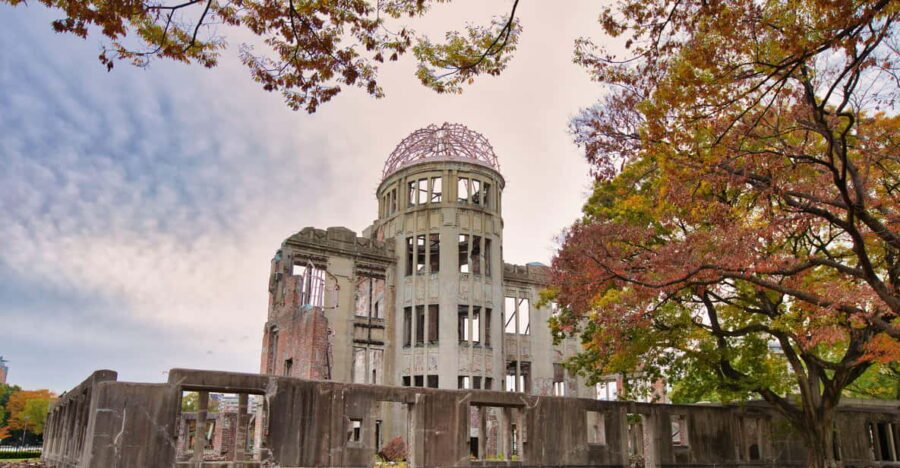
- Atomic Bomb Dome + Peace Memorial Museum for a structured, guided understanding (and emotional impact)
- Hiroshima okonomiyaki lunch is included with specific options for pork and egg-free needs
- Miyajima’s Itsukushima Shrine visit with UNESCO-level photo spots and a full shrine stroll
- About an hour of free time on Miyajima to shop, wander, and decide your own pace
- Earphone guides make the talking parts far easier in busy places
The Big Picture: Hiroshima and Miyajima in One 12-Hour Sweep
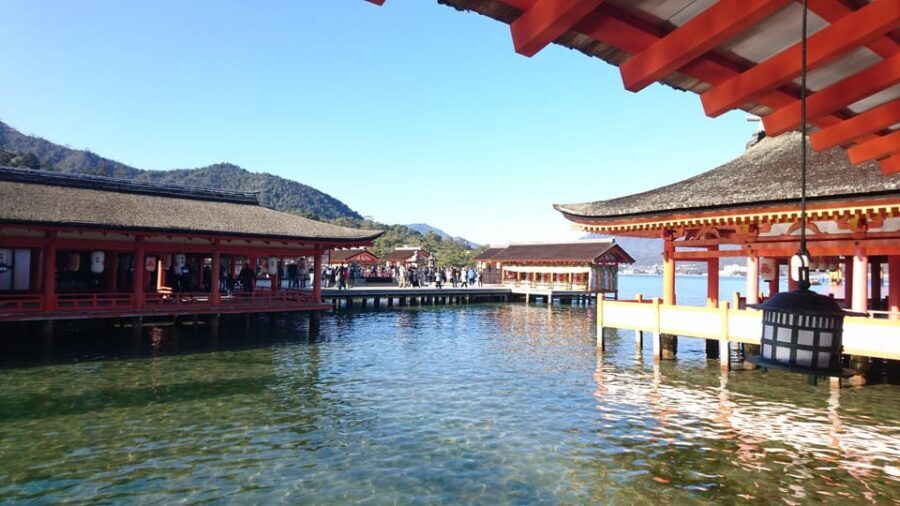
This is a classic “get the highlights” day trip from either Osaka or Kyoto: you ride a shinkansen to Hiroshima, shift to a city bus, then hop the ferry over to Miyajima Island. The flow matters because Hiroshima sets a heavy tone early, and Miyajima gives you breathing room afterward.
What makes this tour feel worthwhile is the pairing. You’re not just chasing landmarks; you’re moving from the Atomic Bomb Dome to the museum (memory and documentation), then to Itsukushima Shrine (faith, nature, and a very different pace). That contrast is part of why the day sticks with you.
A few more Osaka tours and experiences worth a look
Getting There Right: Shinkansen from Shin-Osaka or Kyoto
You start from Shin-Osaka Station or Kyoto Station (depending on the option you book). The tour staff give you your round-trip shinkansen tickets at the meeting point, and from there you’re guided to your train.
The ride time is about 1.5 hours each way, which is a big reason this tour works at all. You get the speed of Japan’s rail without spending your day searching for platforms, recalculating routes, or losing time to transfers.
One more practical note: because this is a group tour (not private), you’ll be moving on a set timetable. That’s great for saving mental energy, but it also means you won’t be able to linger for an extra train if you fall behind.
Hiroshima Peace Memorial Park: Atomic Bomb Dome First
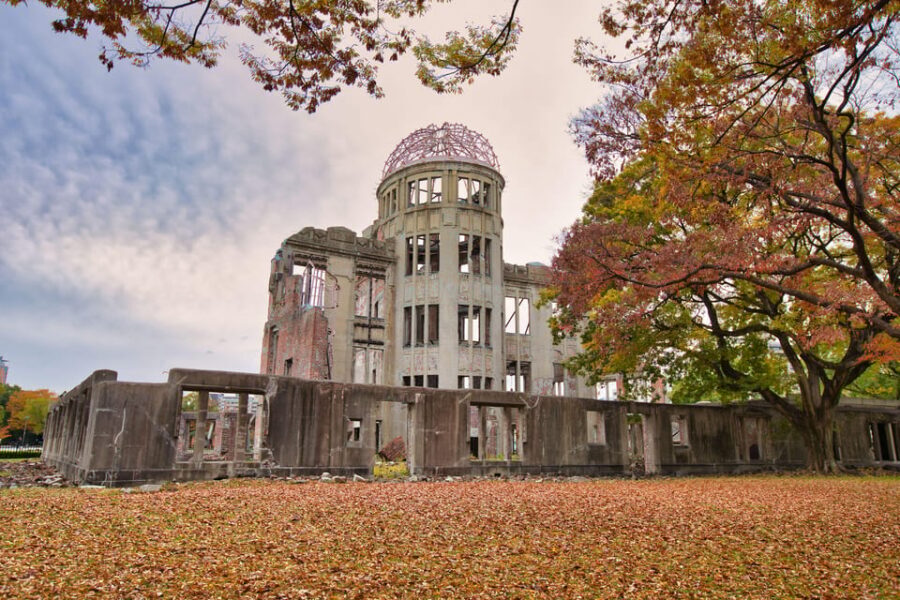
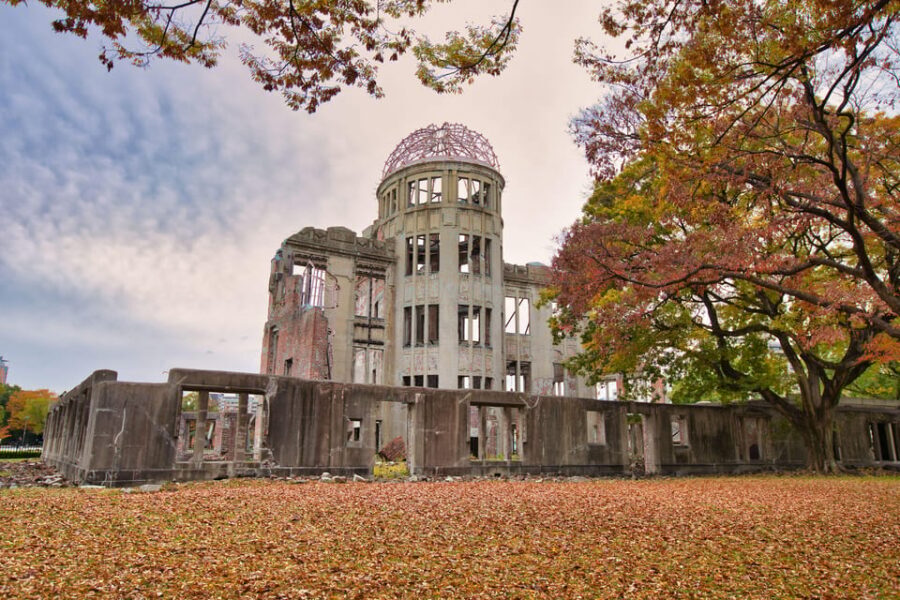
Your Hiroshima portion begins with a trip to Hiroshima Peace Memorial Park, including time at the Atomic Bomb Dome. Seeing the derelict dome in person hits differently than photos. The blown-out windows and the exposed, standing structure make the scale feel immediate and personal.
This stop is scheduled for about 30 minutes. That’s enough time to see the dome from key viewpoints and absorb your guide’s context, but it’s not built for slow, hour-long lingering. If you prefer to circle a site again and again with silence and space, you’ll feel a bit rushed.
After the dome, you move into Hiroshima Peace Memorial Museum for about 1 hour. The museum can be very crowded and emotionally intense, but the guidance keeps you pointed at what matters most and helps you connect details across exhibits. If the museum is closed, the plan swaps in Hiroshima National Peace Memorial Hall for Atomic Bomb victims instead.
The Museum and Crowd Reality: How to Make the Most of 1 Hour
One of the most common realities with Hiroshima’s Peace sites is simple: people show up in large numbers. When it’s busy, you’ll move faster through certain areas, and you may not be able to read everything at a deep pace.
That’s not a flaw in the tour so much as a reality of the place. With only about an hour, your best strategy is to treat it like a guided orientation rather than a full study session. Let the guide set the storyline, then use your own time to notice what emotionally lands with you.
If you’re the type who wants to spend a half-day in a museum, consider pairing this tour with one extra day in Hiroshima later. This day trip is designed to give you impact fast, not to replace a longer stay.
Hiroshima Castle Pass-By and Scenic Driving
Between stops you also get a short bus/coach ride, plus a pass-by of Hiroshima Castle and scenic driving time. This is the gentler rhythm of the day—little pockets where you can sit, cool down, and reset before the next emotionally heavy moment.
It’s also a useful way to get your bearings. Even if you don’t stop at the castle grounds, the drive helps you understand how Hiroshima’s city layout connects to the key heritage sites you’ll later visit on foot.


Lunch in Hiroshima: Okonomiyaki Built for a Group Tour
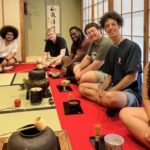
Lunch is Hiroshima-style okonomiyaki, and it’s one of the best parts of the day for pure practicality. You’ll be topped with items like pork, cabbage, bean sprouts, fish powder, noodles, and eggs, depending on the option you chose.
What I like here is that the tour doesn’t treat lunch as an afterthought. It’s scheduled for about 45 minutes, which is usually enough time to eat without turning the meal into a rushed scramble.
They also offer options if you need dietary adjustments:
- Regular okonomiyaki (pork included)
- No pork with eggs
- No pork, no fish powder, no eggs
You need to tell the operator about allergies and dietary restrictions when you book, and they note they can’t accommodate menu changes on the day of the tour. Also, you’re asked not to bring your own food and drinks into the restaurant.
The Ferry Jump: From Hiroshima to Miyajima
After lunch and more bus time, you catch the ferry to Miyajima Island. The ferry ride is short—about 10 minutes each way in this plan—but it still does something important: it physically moves you from city energy to island calm.
Miyajima is the kind of place where the scenery arrives fast. Even with limited time, you feel like you’ve left Hiroshima behind. And because the guide has you on a timetable, you’re not worrying about ferry schedules or making sure you buy the right ticket.
Itsukushima Shrine: A UNESCO Stop You Feel in Your Photos
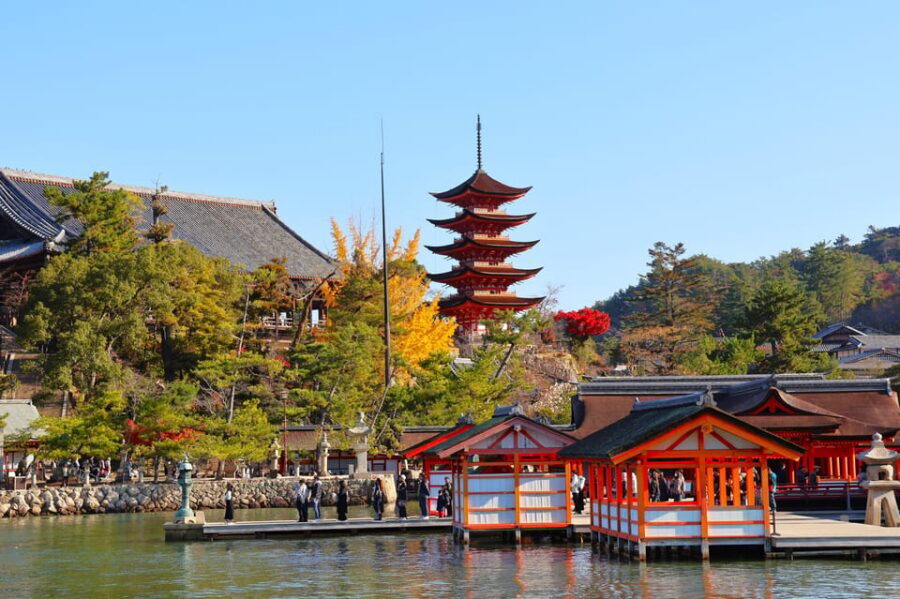
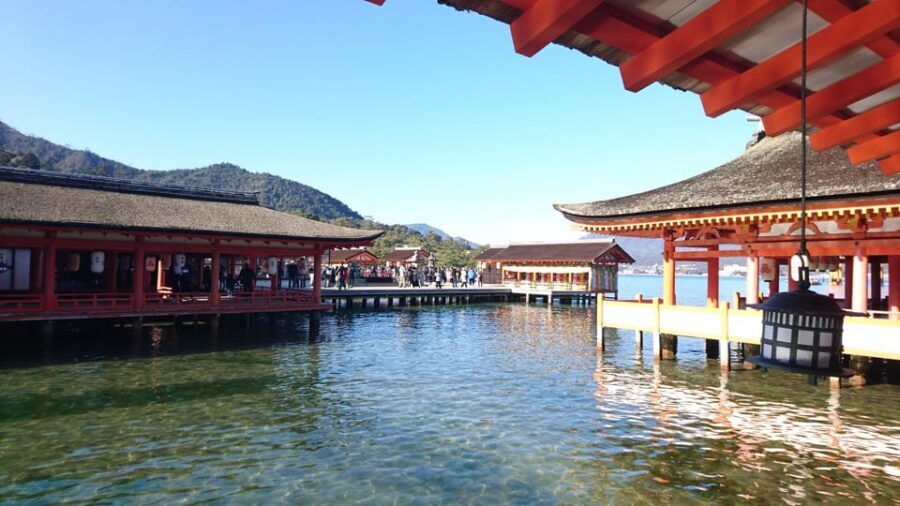
Once you arrive on Miyajima, the tour includes Itsukushima Shrine entry and about 1 hour of sightseeing. This is the landmark most people come for, and it’s one of those places where the famous views actually make sense in person.
You’ll stroll the shrine area, and the experience is designed to give you that “where the gods come to be” feeling—Itsukushima Shrine is closely tied to Shinto traditions, and the tour frames it that way. This isn’t just a photo stop; it’s a walking visit with context so the architecture and setting don’t feel like random scenery.
Crowds can be heavy, especially around peak times, but the guide keeps the group organized so you’re not constantly playing catch-up.
Miyajima Free Time: Use It for One Good Walk
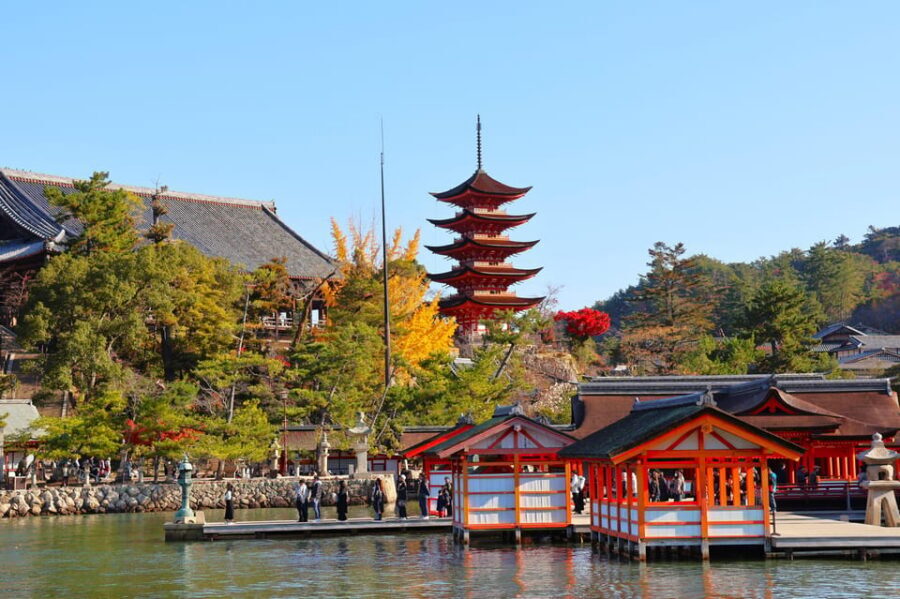
After Itsukushima, you get about 1 hour of free time on Miyajima. That’s a fair amount for wandering, shopping, and grabbing local snacks—but it’s not long enough to do big hikes.
The smartest way to use this hour is to decide what you want most:
- If you love views and photos, focus on the shrine approaches and waterfront areas while you’re already in the zone.
- If you like temples and side-streets, pick one or two small areas rather than trying to cover everything.
From what people share after the tour, the free time is often the part that makes the day feel complete: you get to absorb the island at your own pace and then end the tour without feeling like you never got to “just be there.”
How the Timing Actually Feels: A Packed Day With Real Walking
This tour runs about 12 hours, and the operator warns it involves a lot of walking. That’s the big consideration for your comfort and energy.
Even though each stop is carefully scheduled, you’re stacking multiple “active” areas:
- Hiroshima Peace sites on foot
- Museum walking in crowds
- Shrine walking plus island strolling
- Ferry time that still involves getting on and off with the group
If walking is hard for you, this is likely not the day trip to force. It’s also not suitable for wheelchair users, based on the tour’s stated limitations.
If you are generally mobile, the day is very doable, but you’ll want to dress for heat, wear supportive shoes, and plan to move at a group pace for hours at a time.
Earphone Guides and Group Flow: Why You’ll Hear the Story
You’ll receive earphone guides for convenience during the tour. These help a lot in crowded areas, and they make the guide’s explanations clearer while you’re walking.
Please handle them carefully and return them after use. If something is lost or damaged, participants may be required to cover a replacement fee of up to 18,000 yen.
This small detail is worth caring about because it affects your enjoyment. When you can hear the explanation without craning your neck, the day feels more connected instead of just hopping between sites.
Luggage and Comfort: A Day Trip Without the Stress
You can bring luggage, and the tour notes you’ll be able to keep it in the bus luggage compartment during the day. That’s a relief because Hiroshima and Miyajima can feel like you’re always in motion and carrying too much is annoying.
Still, pack smart. You’ll be moving between different transportation modes and walking inside busy areas, so keep essentials easy to grab: water, a light layer, and anything you need for sun.
Price and Value: What You’re Really Paying For
At $277 per person, this isn’t cheap in the way a basic bus ride is cheap. But the pricing reflects a lot of included logistics:
- round-trip shinkansen from Kyoto or Osaka
- air-conditioned bus transportation
- entry tickets for Itsukushima Shrine
- entry tickets for Hiroshima Peace Memorial Museum
- round-trip Miyajima ferry
- a local English-speaking guide
- Hiroshima okonomiyaki lunch
So the value question becomes: do you want the coordination handled for you? If you’re traveling independently, you’d need to piece together rail tickets, ferry timing, and on-the-ground navigation while managing crowds. This tour reduces that stress and gives you built-in explanations to make the stops meaningful.
Where the price can feel less attractive is if you end up wishing for more time in the museum or around the dome. People often note the museum is powerful but crowded, and the scheduled time doesn’t allow for reading every exhibit. Still, if you’re working with limited days in Japan, having a structured, high-impact day can be exactly what you need.
Should You Book This Hiroshima and Miyajima Day Trip?
I think this tour makes sense if you want:
- one-day access to Hiroshima’s Peace Memorial sites and Miyajima’s Itsukushima Shrine
- the shinkansen experience without researching trains and connections all day
- a guide-led story that helps you understand what you’re seeing
- included lunch that keeps you fueled for walking
I’d skip it if:
- walking a lot is hard for you (it’s also not wheelchair-friendly)
- you know you want slow, deep museum time
- you’d be upset by a rigid timetable when crowds spike
If you’re choosing between doing this as a day trip versus staying longer in Hiroshima, pick based on your travel rhythm. This tour is best for visitors on a tight schedule who still want the emotional weight of Hiroshima and the beauty of Miyajima, in one guided, low-stress package.
FAQ
What are the starting locations for this tour?
You can choose either Kyoto Station or Shin-Osaka Station as your starting point.
How long is the tour?
The duration is listed as 12 hours.
Is lunch included, and what kind of okonomiyaki do you get?
Yes. Lunch is included and is Hiroshima-style okonomiyaki. Options depend on the menu choice you select, including regular (pork), no pork with eggs, or no pork with no fish powder and no eggs.
Do I need to buy tickets for the shinkansen and ferry?
No. The tour includes round-trip shinkansen tickets from your chosen starting city and round-trip Miyajima ferry rides. The shinkansen tickets are provided at the meeting point.
What does the Hiroshima part of the tour include?
You visit the Atomic Bomb Dome in Hiroshima Peace Memorial Park and you also visit the Hiroshima Peace Memorial Museum. If the museum is closed, the tour takes you to Hiroshima National Peace Memorial Hall for the Atomic Bomb victims instead.
Is there time to explore Miyajima on your own?
Yes. You get about 1 hour of free time on Miyajima after your Itsukushima Shrine sightseeing.
Are earphone guides provided?
Yes. Earphone guides are provided during the tour, and you should handle them with care and return them after use. If lost or damaged, you may be asked to pay a replacement fee of up to 18,000 yen.
Can you change the lunch menu on the day of the tour?
No. The tour states they cannot accommodate menu changes on the day of the tour, so you need to inform them in advance about allergies and dietary restrictions when you book.
Is this tour suitable for wheelchair users?
No. The tour is stated as not suitable for wheelchair users.