REVIEW · TOKYO
Private Tokyo with Exceptional Guide Tailored to Your Needs
Book on Viator →Operated by OMAKASE · Bookable on Viator
Tokyo can feel huge fast.
This private tour gives you a plan that fits your interests, not a one-size-fits-all route. You can pick a half-day or full-day, choose about 2–3 stops for 4 hours or 4–5 stops for 8 hours, and let your guide shape the day around what you actually want to see—plus they help you move like a local.
I particularly like the practical combo of hotel pickup and an English-speaking guide. Names you may hear in recent experiences include Hitomi, Miyuki, Kaz, and Miho, and the common theme is clear: they meet you where you are and then keep the day moving without feeling rushed. I also like the way the tour can work on public transport, with real tips so you can repeat it on your own after the tour ends.
One drawback to plan for: Tokyo stops can be spread out, so cramming too many priorities into a half-day can make the day feel like transit time with a few photos. If you have a long must-see list, think fewer stops and longer time on the ones that matter most.
In This Review
- Key things to know before you go
- How this private Tokyo tour actually works (and why it’s worth it)
- Hotel pickup and your guide: what you’re really paying for
- Public transport vs private car: choose based on your day, not your ego
- A stop-by-stop Tokyo sampler you can shape to your taste
- Tsukiji Fish Market: seafood energy without the fluff
- Senso-ji Temple in Asakusa: tradition you can feel
- Meiji Jingu Shrine: city noise goes quiet
- Shibuya Crossing (with Hachiko nearby): the camera-worthy chaos
- Imperial Palace area: Edo-era footprint, modern city edges
- Akihabara: anime, games, and the dedicated side of Tokyo
- Yanaka Ginza Shopping Street: older Tokyo in walkable form
- Omotesando: architecture with attitude (and people-watching)
- Takeshita Street: playful, cute, and picture-ready
- Optional add-ons you can request: art stops and fortune-cat moments
- Building the right itinerary: mix the icons with the neighborhoods
- Food and shopping: how to make stops actually pay off
- Price and value: is $151.54 a good deal?
- Who should book this Tokyo private tour?
- Should you book it? My take
- FAQ
- How long is the private Tokyo tour?
- What stops are included in the highlights?
- Can I choose which places to visit?
- Is the tour private?
- Does lunch come with the tour?
- Do I need to pay entrance fees?
- How do we travel during the tour?
- Are tickets mobile?
- What’s included in the price?
- What if the weather is bad?
- When will I get confirmation?
Key things to know before you go
- Custom stop selection: Pick 2–3 places for a 4-hour tour or 4–5 places for an 8-hour tour.
- Hotel pickup included: It removes the hardest part of day-one navigation.
- Transit coaching option: Ride subways like a local, or upgrade to a private car.
- Hands-on Tokyo atmosphere: Markets, shrines, neighborhoods, and shopping streets in one day.
- Most major sights have free entry: Many stops are admission-free, but entrance fees can apply if a guide needs to accompany you inside specific facilities.
- Mobile ticket: You get a mobile ticket for smoother check-in.
How this private Tokyo tour actually works (and why it’s worth it)
The big idea here is simple: you control the outline of the day. Tokyo has enough famous landmarks for ten trips, so a fixed group schedule can feel like you’re chasing checkboxes. With this private format, you can ask your guide for recommendations and then lock in the number of stops that matches your energy level.
For a 4-hour option, you’re looking at 2–3 places. That’s the sweet spot if it’s your first day and you mainly want a strong start—one big cultural stop, one high-energy neighborhood, and a quick finale. For the 8-hour option, 4–5 stops gives room for walking, photo pauses, and those unplanned moments that make Tokyo fun (like discovering a snack stand you didn’t know you needed).
You also get a built-in planning advantage. The guide doesn’t just show you places; they give advice on future plans for your stay, which means you leave with a clearer map of where to go next without guessing.
You can also read our reviews of more guided tours in Tokyo

Hotel pickup and your guide: what you’re really paying for
Yes, hotel pickup sounds like a small convenience. In Tokyo, it’s actually a big deal.
First, it saves you time. Second, it saves you stress. Finding the right train from the wrong station in a city that runs like a science project can turn a “quick start” into a five-act saga. Pickup means you start with momentum, and your first ride is guided instead of improvised.
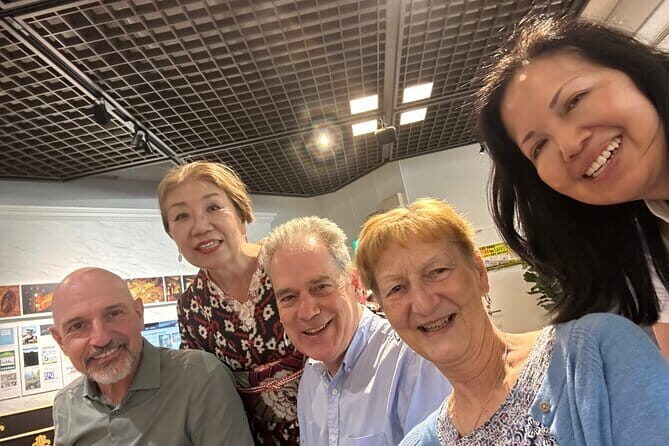
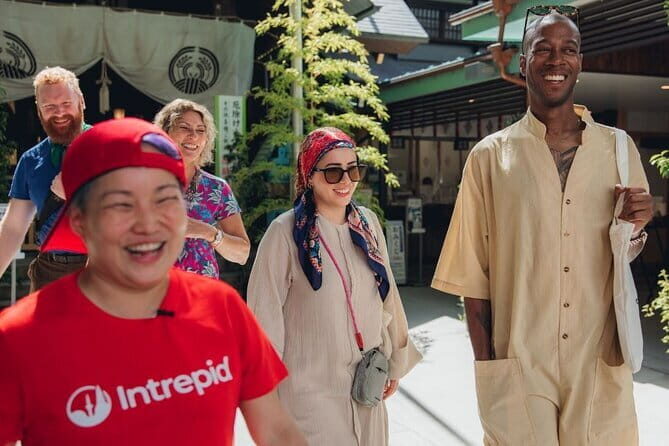
The other value is the human part. Recent experiences reflect guides who are attentive and quick to adjust. People describe guides as engaging and funny, but also organized—asking in advance what you want to see and then shaping the day so it fits your pace. If you communicate in advance (WhatsApp is mentioned in experiences), the tour feels less like a surprise and more like day-one collaboration.
If you’re traveling with family, this kind of structure is especially useful. One parent-and-child experience highlights how helpful it was to get history and context on the spots they visited, which turned major temples and shrines into more than just scenery.
Public transport vs private car: choose based on your day, not your ego
This tour can run on public transport or you can upgrade to a private car. That choice changes the vibe of your day.
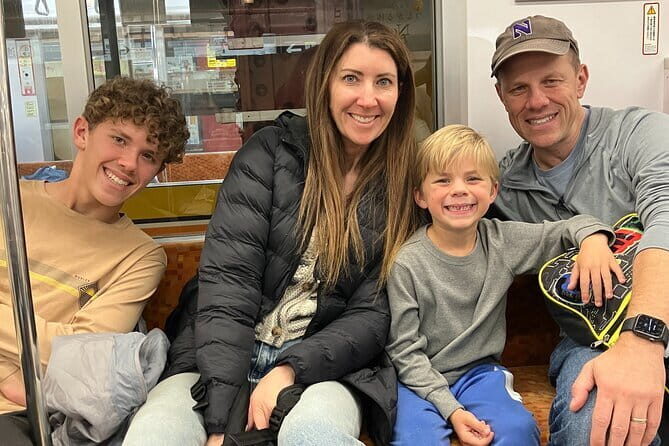
If you pick public transport, you’ll likely spend more time walking between stations and stops. The advantage is that you learn the real Tokyo flow. One experience specifically praises the fact that the guide taught them how to use the subway system—so they could keep navigating after the tour ended. The tour also recommends you purchase Tokyo Subway tickets in advance (24, 48, or 72 hours), which can save time and hassle.
If you upgrade to a private car, you’ll trade that learning moment for comfort and reduced transit friction—useful on rainy days, with mobility constraints, or when your itinerary includes far-flung neighborhoods.
Either way, I’d make the decision based on your tolerance for logistics. Tokyo is easy once you’re set up, but a first day is when guidance pays off most.
A stop-by-stop Tokyo sampler you can shape to your taste
Here’s how the included highlights work when you’re building a personalized day. Some are big-ticket landmarks. Others are neighborhoods and street-level Tokyo that you might miss without a guide.
Tsukiji Fish Market: seafood energy without the fluff
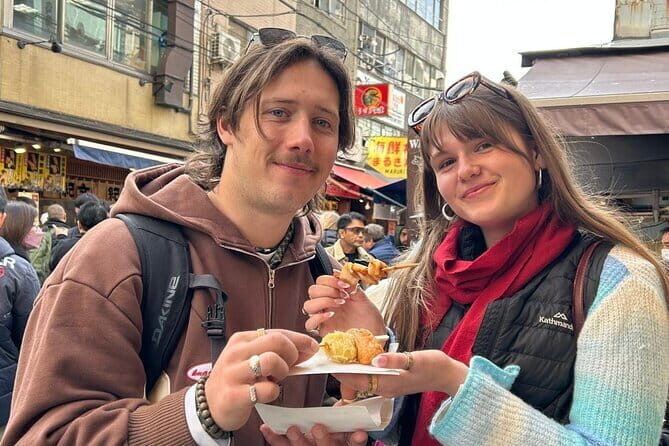
Tsukiji is a sensory stop. You’ll see fresh seafood, and you’ll also notice how locals actually shop—fast, focused, and hungry. Expect snack-style wandering more than museum pacing.
Even though the visit time is about 1 hour, it’s a strong way to understand Tokyo food culture in a single stop. If you love eating as you travel, this is the kind of place where you can win the day with small purchases.
You can also read our reviews of more private tours in Tokyo


Senso-ji Temple in Asakusa: tradition you can feel
Senso-ji is one of those Tokyo icons that still works because it’s not just a photo-op. The area around it gives you that classic temple approach: crowds moving through incense-and-ritual atmosphere, and the huge red lanterns that make orientation easy.
Plan for about 1 hour here. It’s a great anchor stop for first-timers, and it pairs well with a neighborhood wander afterward if your time allows.
Meiji Jingu Shrine: city noise goes quiet
Meiji Jingu feels like you stepped out of Tokyo’s gear-changes and into stillness. Expect trees, a sacred atmosphere, and a sense that time slows down.
This is a 1-hour stop and it balances the day. If your itinerary is loaded with shopping streets and crossings, Meiji Jingu gives you that reset between high-energy moments.
Shibuya Crossing (with Hachiko nearby): the camera-worthy chaos
Shibuya Crossing is Tokyo’s most famous intersection for a reason: it’s instantly readable, instantly iconic, and always full of motion. You’ll also have time to see the Hachiko bronze statue.
This stop is shorter—about 30 minutes—so treat it like a quick snapshot mission. If you want more than photos, ask your guide how to time it so you still feel the buzz without feeling swallowed by it.
Imperial Palace area: Edo-era footprint, modern city edges
The Imperial Palace is located on the former site of Edo Castle, and the park-like setting with moats and big stone walls gives you a different Tokyo angle. Plan around 1 hour.
If your goal is to balance culture with open space, this is a solid choice. It can also work well after a temple day, because the pace here is calmer even when the city stays close by.
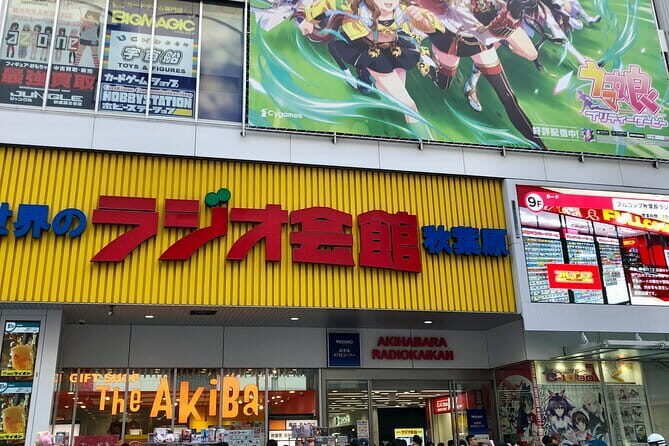
Akihabara: anime, games, and the dedicated side of Tokyo
Akihabara is the place for otaku energy—anime, games, manga, and tech-shop browsing. Expect about 30 minutes if you’re using it as one piece of a larger day.
This is also a great option if you want your Tokyo to reflect what young people actually enjoy. If you’d rather escape the electronics overload, you can swap this for a quieter old-street neighborhood (like Yanaka, below).
Yanaka Ginza Shopping Street: older Tokyo in walkable form
Yanaka Ginza is the kind of shopping street where time seems less aggressive. You’ll stroll narrow lanes with traces of older Tokyo, and you’ll see locals mixing shopping and eating standing around.
This stop takes about 1 hour, which is a good chunk of time to snack, browse, and slow down.
Omotesando: architecture with attitude (and people-watching)
Omotesando is known for distinctive buildings by famous architects, with a street vibe that’s fashionable and young. Expect a 30-minute walk—enough to appreciate the architecture and do quick browsing.
If you like modern design and fashion, this is a nice contrast to older shrine areas.
Takeshita Street: playful, cute, and picture-ready
Takeshita Street is famous for its youthful, cute shopping culture. There’s a lot happening visually, and it can feel like sensory speed.
This stop is about 30 minutes, so keep your expectations aligned: it’s best as a short burst, not an all-day obsession.
Optional add-ons you can request: art stops and fortune-cat moments
Your itinerary isn’t limited to just the numbered highlights. If you want variety, you can ask about other specific experiences that match your interests, such as:
- a temple stop tied to Maneki Neko (beckoning cats) with a story about their origins
- a break at Takashi Murakami’s Cafe if you like contemporary art culture
- Teishakuten Temple, known for sculptures and a Japanese garden vibe, plus a stop for dumplings
Also, some experiences include temple-ritual style moments like fortune telling, with people buying omikuji slips and hoping for good luck. If that sounds fun to you, tell the guide early so they can build time for it.
Building the right itinerary: mix the icons with the neighborhoods
Here’s how I’d put together a smart day in Tokyo using these stops.
If it’s your first day, try this logic:
- One anchor temple/shrine (Senso-ji or Meiji Jingu)
- One landmark photo stop (Shibuya Crossing)
- One neighborhood street (Yanaka Ginza, or Omotesando, or Takeshita depending on your mood)
This keeps you from spending the whole day “waiting for the next thing.” It also creates natural rhythm: awe, energy, then wandering.
If you love food, start with Tsukiji Fish Market, then add Asakusa or Yanaka to keep the eating theme going. If you’re more into pop culture, pair Akihabara with one modern shopping street like Omotesando.
And if you’re traveling with limited patience for crowds, keep Shibuya as your short, controlled stop—then shift the rest of your day to calmer parks or street-level shopping.
Food and shopping: how to make stops actually pay off
A private guide matters most when it changes what you do inside the stop. You don’t just arrive—you get help finding the right order, the right snack style, and the right pace.
Tsukiji is ideal for quick bites. Yanaka Ginza is ideal for strolling snacks and small buys. And shopping streets like Takeshita and Omotesando are best when you treat them like browsing sessions, not shopping marathons.
One experience also emphasizes that guides recommend what to do next based on your travel goals, so you can turn today’s shopping finds into tomorrow’s plans.
A small practical note: lunch isn’t included. You’ll either choose something nearby or pay for lunch together with your guide’s portion. If you tell your guide what you want to eat (or what you want to avoid), they can steer you toward places that match.
Price and value: is $151.54 a good deal?
At $151.54 per person, this is not the cheapest way to see Tokyo. But it can be excellent value depending on how you travel.
You’re paying for:
- a private experience (only your group participates)
- English-speaking guidance
- hotel pickup
- flexibility to choose stops and timing (half-day or full-day)
- optional private car or public-transport-based travel
For many first-timers, the biggest hidden cost is time lost to figuring out routes and deciding what to cut. This tour helps you cut smarter. If you use it on a day when you’re still learning the city, you’re buying back stress and saving energy for the rest of your trip.
If you already know exactly what you want and you’re comfortable planning transit on your own, the value drops. If you’re juggling multiple interests—temples plus neighborhoods plus food plus pop culture—this tour often earns its price quickly.
Who should book this Tokyo private tour?
This tour is a great fit if:
- it’s your first time in Tokyo and you want a smooth start
- you want custom stop selection instead of a fixed group checklist
- you want to learn public transport basics so you can fly solo afterward
- you’re traveling as a family and want pace control
- you have specific interests like shrine culture, anime culture, or classic shopping streets
It might be less ideal if:
- you already have a tightly planned route and don’t need pickup or guidance
- you expect every stop to be long and slow (many highlights here are shorter segments)
Should you book it? My take
If you’re planning a Tokyo trip and want your first day (or one key day) to feel organized, this is an easy yes. The best part isn’t just the famous sights—it’s the ability to shape the day around your priorities, then learn how to move through Tokyo without guesswork.
I’d book it when you can give your guide a clear list of what matters. That could be a mix like Senso-ji + a modern neighborhood + one pop-culture stop. Then let the guide handle the order and pacing.
If weather turns bad, the experience may be rescheduled or refunded, so stay flexible and keep your day structure realistic.
FAQ
How long is the private Tokyo tour?
You can choose a 4-hour or 8-hour style tour, with time on selected stops during that window.
What stops are included in the highlights?
Common included highlights include Tsukiji Fish Market, Senso-ji Temple, Meiji Jingu Shrine, Shibuya Crossing, Imperial Palace, Akihabara, Yanaka Ginza Shopping Street, Omotesando, and Takeshita Street, plus additional options you can ask your guide about.
Can I choose which places to visit?
Yes. You choose 2–3 places for a 4-hour tour or 4–5 places for an 8-hour tour, and you can ask your guide for recommendations.
Is the tour private?
Yes. It’s a private tour/activity, and only your group will participate.
Does lunch come with the tour?
No. Lunch is not included, and you’ll pay for lunch together with the guide’s portion.
Do I need to pay entrance fees?
Entrance fees aren’t included. Many stops listed are free to visit, but if you want a guide to accompany you inside a facility, you may also need to pay for the guide’s entry as well.
How do we travel during the tour?
You can travel by public transport, or upgrade to a private car option. The tour recommends purchasing Tokyo Subway tickets in advance (24/48/72 hours).
Are tickets mobile?
Yes. The experience includes a mobile ticket.
What’s included in the price?
Included items are an English speaking guide, bottled water, private car if you choose that option, and advice on future plans for your stay.
What if the weather is bad?
This experience requires good weather. If it’s canceled due to poor weather, you’ll be offered a different date or a full refund.
When will I get confirmation?
Confirmation is received within 48 hours of booking, subject to availability.