REVIEW · OSAKA
From Osaka: 10-hour Private Custom Tour to Kyoto
Book on GetYourGuide →Operated by EverTravel · Bookable on GetYourGuide
Kyoto without the hassle starts with one call. This 10-hour private custom car day turns Osaka-to-Kyoto logistics into something simple, with flexible pick-up and drop-off so you’re not hunting trains or wrestling directions. I love the comfort of an air-conditioned car with a professional driver, and I love that you can tailor the pacing around your interests instead of marching on a fixed schedule. One thing to double-check: whether you actually selected the driver and guide option, because the guide isn’t automatically included in every booking.
The itinerary is built around Kyoto’s big-picture classics—Kinkaku-ji, Kiyomizu-dera, Yasaka Shrine, and the walking streets near Hanami-koji and Sannenzaka—then leaves room for real-life timing like traffic and queue lengths. It’s ideal when you want a full Kyoto day but don’t want the day to be all transit, translation, and timing math.
In This Review
- Key things I’d zero in on before you book
- A private Osaka-to-Kyoto day you can actually control
- Stop 1: Kinkaku-ji (Golden Pavilion) and a smarter start
- Stop 2: Kiyomizu-dera for views and the vibe of old Kyoto
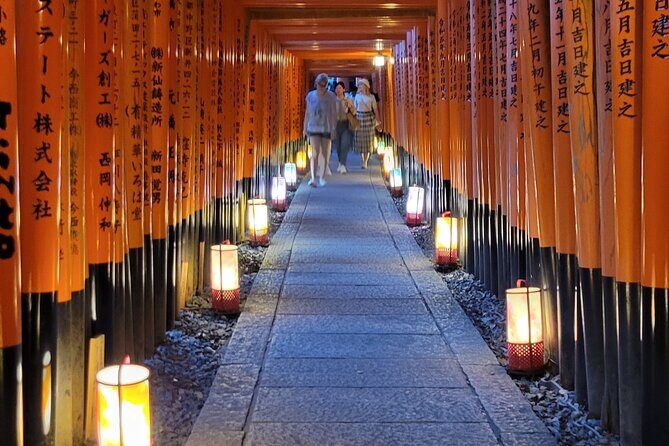
- Stop 3: Yasaka Shrine for a quieter, more personal moment
- Stop 4: Hanami-koji and Sannenzaka—walking Kyoto at human speed
- What the driver and guide actually do all day
- Timing reality: traffic, crowds, and why the schedule is a reference
- Budget and value: what you pay for (and what you should plan for)
- Who this tour suits best
- Quick advice to make your day smoother
- Should you book this Osaka to Kyoto private car tour?
- FAQ
- What does the tour include from Osaka?
- Is a guide included automatically?
- Which major Kyoto stops are included in the plan?
- Are admission tickets and lunch included?
- How long is the tour, and can it run longer?
- How much is overtime?
- How many people can join, and do children count?
Key things I’d zero in on before you book

- Private car from Osaka to Kyoto: You control the start point and the finish point, and the car handles the long “getting there” part.
- Optional guide changes the experience: A driver handles logistics; a guide adds stories, local context, and smoother navigation on-site.
- Stops are Kyoto’s top layers: A temple-and-gardens start, a hillside viewpoint stop, a shrine blessing moment, then traditional streets for slower browsing.
- You can adjust on the fly: The schedule is a reference, not a contract; traffic and crowds can shift timing.
- Lunch and admission are on you: You’ll need to budget extra for tickets and food.
- Overtime is real: If you run long, the pricing structure changes by whether a guide is included.
A private Osaka-to-Kyoto day you can actually control
A common Kyoto problem is the math. You look at a map, add train time, add walking time, add crowd time, and suddenly the whole day feels like a spreadsheet. This tour solves that by handling the heavy lifting: you’re picked up in Osaka, driven to Kyoto, and dropped back when you’re ready to call it a day.
I like that the day is structured but not rigid. You get a solid order of highlights, which matters when you only have 10 hours, but you still have breathing room to slow down at the places you care about. That’s the big value of a private car—you’re not choosing between seeing fewer things or spending your whole day traveling.
The pricing is for a private group up to 3 people. That can be a surprisingly good deal compared with paying for multiple taxis or multiple small tours—especially if you’re a couple with one extra friend, or a family where everyone wants to move together. If you split across three people, the math works out to roughly $217 per person for the vehicle and driver service for the full day (admissions and meals are extra).
You can also read our reviews of more private tours in Osaka
Stop 1: Kinkaku-ji (Golden Pavilion) and a smarter start
Kinkaku-ji is the kind of place that benefits from timing. In a fixed tour schedule, you often arrive at the wrong moment—either too early when the day feels cold and slow, or too late when lines are already swelling. With a private car, you can aim for a calmer rhythm.
In this tour’s example timing, you arrive around late morning. That’s a good window for appreciating the temple and gardens without the whole day shrinking around it. Even if you’ve seen photos, being there in person changes the feel. The temple is built for viewing from different angles, and the surrounding grounds give you places to pause, look, and take in details at your own pace.
Practical note: you’ll still need to handle admission tickets yourself since they’re not included. Also, wear shoes you can walk in comfortably—temple areas usually mean a bit of up-and-down walking.
Stop 2: Kiyomizu-dera for views and the vibe of old Kyoto
After Kinkaku-ji, you go to Kiyomizu-dera, which is famous for its dramatic setting. The big advantage of doing it this way isn’t just convenience—it’s pacing. You’re not rushing from one station to another while your family or group tries to keep up.
The example schedule places you there right around late morning to early afternoon. That timing often works well because you can settle into the area, take photos without feeling like you’re sprinting, and still have enough day left for the next stops.
What makes Kiyomizu-dera special is how the setting shapes your experience. You’re not only seeing a building—you’re moving through a zone where viewpoints matter and the atmosphere changes as you walk. It’s one of the Kyoto sites where it helps to slow down rather than do a speed-run.
Another practical point: lunch isn’t included, so plan on either finding something near your next walking areas or taking a break when your guide and driver think the timing fits. If you’re sensitive to long waits, keep a snack on hand and treat lunch as a flexible target.
Stop 3: Yasaka Shrine for a quieter, more personal moment
Next up is Yasaka Shrine. This is one of those stops that adds texture to the day. After temples and big viewpoints, the shrine area feels more human-scale and ritual-focused, which can be a welcome change.
In the tour plan, you spend time here mid-afternoon. That’s often a good time to shift energy from sightseeing to “slow watching,” especially if you enjoy seeing how people behave in a place of worship. If your group likes to take photos, remember that religious spaces usually come with etiquette rules, so keep it respectful and follow what staff indicate on-site.
This is also where an English or Japanese guide can really help. A guide can explain what you’re seeing—what the prayers mean, why people behave a certain way, and how Yasaka fits into Kyoto’s calendar and culture. If you didn’t book the guide option, you’ll still be fine. You just may rely more on what you can read or ask on your own.
Stop 4: Hanami-koji and Sannenzaka—walking Kyoto at human speed
Then comes the part many people remember the most: the traditional streets around Hanami-koji and Sannenzaka. These are the zones where you go from seeing landmarks to experiencing everyday Kyoto—small storefronts, old-styled buildings, and side streets that make the city feel layered.
The example itinerary sets aside time for this late afternoon into early evening. That’s smart. You’re not spending the last half-hour stressed about being back at the car, and you’re not burning all your energy before your main photos. You can browse, snack, and do the fun stuff like picking up small souvenirs that won’t survive a long train ride.
I like that this tour doesn’t treat the walking streets as a “pass-through.” You get time to wander, which is where Kyoto starts to feel like a place instead of a list.
One more practical tip: this is the day you want comfortable footwear. You’ll be on foot through traditional streets, and the pace should match your legs, not your schedule.

What the driver and guide actually do all day
The tour includes a professional driver and a private air-conditioned vehicle. That matters more than people expect. In Kyoto, even when you know the general route, traffic patterns and parking logistics can be a headache. A pro driver keeps your day moving with less time lost to problem-solving.
If you book the “driver and guide” option, you also get a guide who can provide local insights and stories. That story layer is what turns a checklist into an experience. In particular, the guide’s language support (English and Japanese) can help you ask questions, understand what to look for, and move with less guesswork.
It also helps with small practical moments. Based on experiences shared by other customers, guides like Kaniel and Lei (with drivers including Yuki and Tei) have been praised for being helpful, professional, and accommodating—especially when people want to adjust the day for shopping time or personal interests.
The one caution I’d give: if your listing details didn’t clearly match what you selected at checkout, you could end up with only a driver and no guide. A short message before the day starts is worth it. Make sure your booking matches what you want.
Timing reality: traffic, crowds, and why the schedule is a reference
The tour itinerary is listed as a guide, not a fixed script. That’s a good thing. Kyoto can shift by the minute because of crowds and traffic. Your driver can respond by adjusting order or timing within the day so you still cover the key stops.
A typical day runs like this in the example:
- Morning pickup in Osaka
- Travel to Kyoto
- Temple and shrine time
- Lunch break (not included)
- Traditional streets time
- Return to Osaka
Total duration is 10 hours of service. If you want extra time, it’s extendable with an additional charge. Overtime fees are higher if you have a guide, so if you’re thinking about going long, it’s smart to decide how important the guide’s presence is for those extra hours.
Budget and value: what you pay for (and what you should plan for)
Here’s how the costs break down in plain terms:
Included:
- Hotel pickup and drop-off in Osaka
- Air-conditioned private vehicle
- Professional driver
- All fees and taxes, including parking
- 10 hours of services (extendable for extra charges)
- Guide only if you book the “driver and guide” option
Not included:
- Admission tickets
- Food and drinks
- Overtime fees (prices depend on whether you have the guide)
This structure is pretty common for private cultural tours: the big-ticket costs (vehicle, driver, and time) are handled, while you pay the variable items (tickets and meals) directly. The value comes from not wasting your Kyoto day on logistics. For many groups, that’s worth more than saving a few dollars by going DIY.
If you’re cost-conscious, you can still make the math work by picking a lunch plan you like and buying tickets with a little planning. If you’re a family with kids, the private format often pays off because you lose less time to “where are we?” moments.
Who this tour suits best
This tour fits best when you:
- Want a full Kyoto day but don’t want transit stress
- Travel with someone who hates navigating trains or reading maps on the fly
- Prefer flexible pacing rather than strict time slots
- Want to hit top Kyoto highlights plus time to wander on your own
It’s also a strong fit for couples and small families. The group limit is up to 3 people, and baby or child counts as one participant, so it’s important to plan your headcount correctly.
Quick advice to make your day smoother
You’ll get more out of the day if you treat it like a “guided day with room,” not an all-out photo mission.
- Decide your priorities before pickup (two must-sees and one optional stop you’d swap in).
- Bring a snack or two since lunch isn’t included.
- Confirm your add-ons in advance, especially whether you booked a guide or driver-only.
- Wear comfortable shoes for the walking streets near Hanami-koji and Sannenzaka.
A small bit of prep can turn this from a good day into a relaxed, memorable one.
Should you book this Osaka to Kyoto private car tour?
Book it if you want Kyoto highlights with minimal friction, and you’re okay paying extra for private comfort and time. It’s especially worth it if you’d otherwise burn hours figuring out transit, parking, and navigation.
Skip it (or at least be extra careful) if you’re trying to keep the day ultra-budget by avoiding any private premium—or if you’re likely to be disappointed by extra costs you’ll need to pay separately (admission tickets and meals). Also, if you care deeply about having commentary and cultural context, make sure you choose the option that includes the guide.
If you can line up your must-sees, confirm guide details, and plan for tickets and lunch, this is the kind of day trip that feels like Kyoto is actually yours—not just a place you passed through.
FAQ
What does the tour include from Osaka?
Hotel pickup and drop-off in Osaka, an air-conditioned private car, a professional driver, and 10 hours of service. Parking fees are included too. A guide is included only if you book the driver and guide option.
Is a guide included automatically?
No. The guide is included only when you book the “driver and guide” option. If you book driver-only, you’ll have the driver but not the guide.
Which major Kyoto stops are included in the plan?
The example schedule includes Kinkaku-ji, Kiyomizu-dera, Yasaka Shrine, and walking time in the Hanami-koji and Sannenzaka area.
Are admission tickets and lunch included?
No. Admission tickets and food and drinks are not included in the package.
How long is the tour, and can it run longer?
The tour provides 10 hours of service. It can be extended with an extra charge for overtime.
How much is overtime?
Overtime is listed as 30 USD per hour without a guide, and 50 USD per hour with a guide.
How many people can join, and do children count?
This is a private group up to 3 people. Baby or child also counts as one participant.