REVIEW · TOKYO
Zen Buddhist Vegetarian(Shojin Ryori): Cooking Experience
Book on Viator →Operated by True Japan Tour · Bookable on Viator
Zen vegetarian cooking feels quiet, not basic. This shojin ryori class is built around the Zen Buddhist idea of mindful, cruelty-free eating, plus hands-on practice with classic dishes like sesame tofu and dashi-based soup. It is the kind of Tokyo experience that goes beyond sushi and ramen.
I especially love the small group size and the way it makes the lesson feel personal. I also like that the focus is on recipes you can actually recreate at home, not just watching someone else cook. One consideration: because it is a hands-on workshop, you’ll want to have the energy to stand and cook for a full 2.5 hours.
In This Review
- Key Things You’ll Notice
- Shojin Ryori Basics: The Zen Idea Behind the Food
- Meeting at Kikai Shinkō Kaikan: A Calm Start in Minato
- What Happens in the Cooking Lesson (From Intro to Apron Time)
- Sesame Tofu and Dashi Broth Soup: Building Flavor Without Meat
- Sesame tofu
- Dashi broth soup
- Vegetable Tempura: The Technique You’ll Actually Reuse
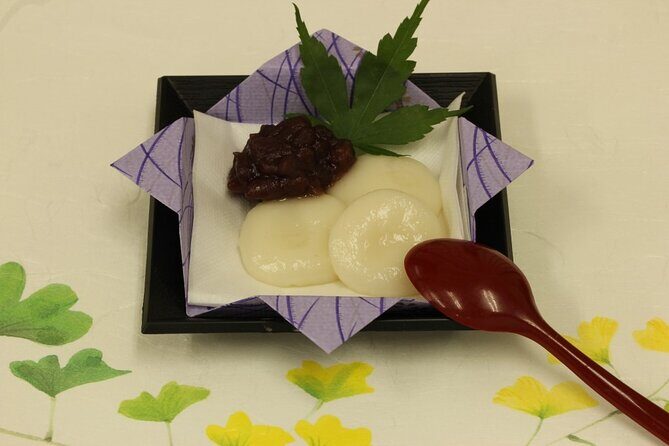
- Time to Eat: Your Fresh Meal, Served Calmly
- Optional Upgrade: Japanese Tea Pairings With Your Meal
- Why the Small Group Matters (And Why You Should Care)
- Price and Value: What $114.67 Actually Buys You
- Who This Fits Best (And Who Might Feel Unsure)
- Practical Tips for Getting the Most Out of Your Class
- Should You Book This Shojin Ryori Cooking Experience?
- FAQ
- Where is the meeting point for the cooking experience?
- What time does the experience start?
- How long is the experience?
- How big is the group?
- What’s included in the price?
- Is transportation included?
- Is a Japanese tea pairing available?
- Do I need to confirm soon after booking?
- Can I request dietary requirements?
- What’s the cancellation approach if my plans change?
Key Things You’ll Notice
- Shojin ryori philosophy made practical, not just a lecture
- Group limited to eight, so you can get real help
- Recipes built for home cooking, including sesame tofu and dashi broth soup
- Vegetable tempura as a teachable technique, not a mystery
- Optional Japanese tea pairings while you eat
- Instructors Masue and Hiro, praised for patience and clear steps
Shojin Ryori Basics: The Zen Idea Behind the Food
If you’ve ever wondered why Japanese vegetarian cooking can taste so satisfying, shojin ryori is a big answer. It comes from Zen Buddhist food traditions, where the goal is more than taste. You’re learning to cook in a way that respects ingredients and keeps things simple and intentional.
The philosophy shows up in what you cook and how you cook it. Rather than heavy reliance on meat or seafood, you build flavor using careful seasoning, plant-based ingredients, and classic Japanese methods. Expect an emphasis on balance and restraint—food that feels comforting without being loud.
The best part for a traveler: this isn’t just cultural trivia. You’ll leave with techniques you can use again, and a sense of why these dishes work in the first place.
You can also read our reviews of more cooking classes in Tokyo


Meeting at Kikai Shinkō Kaikan: A Calm Start in Minato
The class starts at 11:00 am at Kikai Shinkō Kaikan, 3-chōme-5-8 Shibakōen, Minato City. It’s a straightforward meeting point and you return there at the end, which makes your day easy to plan. The area is in central Tokyo, and it’s close to public transportation—handy if you’re juggling multiple activities.
Since the workshop lasts about 2 hours 30 minutes, you’ll want to keep your schedule tidy afterward. This is not a quick stop; it’s a full cooking block followed by the meal you make. The overall vibe is quiet and slower-paced, which many people find refreshing compared with Tokyo’s on-the-go energy.
You’ll also be in a group capped at eight travelers, so you should expect a more guided experience than the big, crowded-style classes.
What Happens in the Cooking Lesson (From Intro to Apron Time)
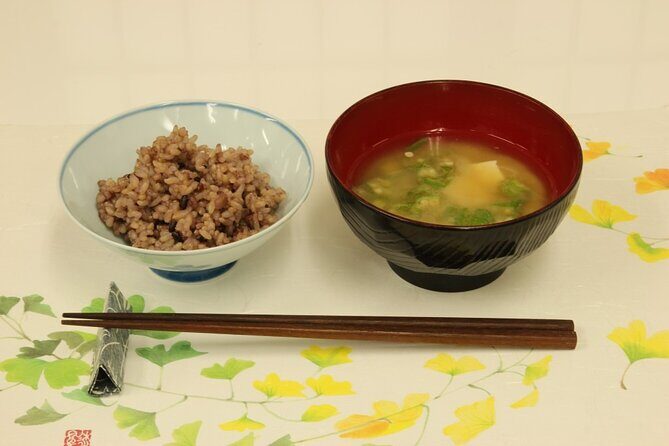
At the beginning, the instructor-guide team sets the stage with the ideas behind shojin ryori—especially the Zen Buddhist connection and the “cruelty-free” mindset. You’ll get enough context to understand what you’re doing, without turning the class into a long history lesson.
Then the real work begins: learning the vegetarian cooking approaches that have been used for centuries by Zen Buddhist monks. The class is designed so even if you don’t cook much at home, you can follow along with clear directions and demonstrations.
A standout from past participants: the instructors Masue and Hiro are described as friendly, patient, and kind, with detailed instructions that make the steps feel doable. That matters. Japanese cooking can be precise, and clear coaching turns precision into confidence instead of stress.
Sesame Tofu and Dashi Broth Soup: Building Flavor Without Meat
The dishes you’ll cook are classic shojin ryori staples, and two of the most important flavors-to-learn are sesame tofu and dashi broth soup.
Sesame tofu
Sesame tofu is a great intro dish because it teaches how to create richness without relying on meat or seafood. You’ll focus on getting the texture right and mixing seasonings in a way that tastes balanced. Even if you’ve eaten sesame tofu in Japan before, cooking it yourself helps you understand why it tastes so satisfying.






Dashi broth soup
Then comes dashi broth soup, which is where you learn the foundation of Japanese savory flavor. You are building a broth-style base using a vegetarian approach. The technique matters more than memorizing a single recipe—this is the kind of foundation you can reuse in future cooking when you want a gentle umami taste.
The broader takeaway for you: once you understand how flavor is built in broth and sesame-based dishes, you’ll be able to adapt other vegetarian meals at home with far less guesswork.
Vegetable Tempura: The Technique You’ll Actually Reuse
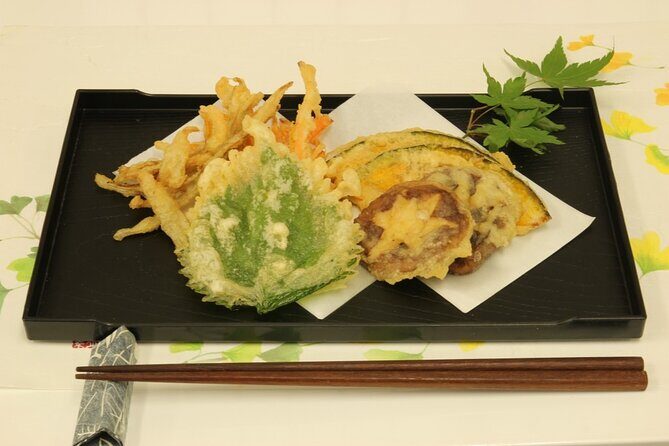
Vegetable tempura is listed as part of the workshop, and it’s a smart inclusion. Tempura sounds simple until you try it. The class format gives you a chance to learn tempura technique in a controlled setting, where you can correct issues quickly.
Even without a long list of special gear, tempura teaches three practical things:
- how to prep vegetables so they cook well
- how batter behaves during frying
- how to aim for crisp texture without making it heavy
This is one of those skills that can feel like a “black box” if you only ever order it. But once you’ve seen and practiced the steps, you get a clearer sense of why tempura tastes the way it does—and how to avoid common home-cooking problems.
Time to Eat: Your Fresh Meal, Served Calmly
After cooking comes the best part: you sit down and enjoy what you made. This is not a rush-through meal. Several people mention the class as a quiet break in their trip, and that matches the experience’s overall tone.
The meal is your reward and also a lesson. You taste the results, notice the balance between the sesame richness, broth-style comfort, and the crisp element of tempura, and it all clicks as one coherent style of cooking.
If you tend to travel fast, this can feel like a reset. In a city full of bright food stalls, it’s a different kind of satisfaction: slower, more thoughtful, and very filling.
Optional Upgrade: Japanese Tea Pairings With Your Meal
There’s an optional upgrade that adds Japanese tea pairings while you eat. If you’re curious about how tea changes the feeling of a meal, this is the part that turns the experience from just cooking into a full dining moment.
Tea also fits the shojin ryori mindset: gentle, clean, and meant to complement rather than overpower. Even if you’re not a tea expert, you’ll likely appreciate the contrast—especially with sesame-based dishes and broth soup, where tea can help reset your palate between bites.
If you love food pairings, this upgrade is worth considering. If you’re traveling with a strict budget, you can still get the core value from the cooking and meal without it.
Why the Small Group Matters (And Why You Should Care)
The class caps at eight travelers, and that affects everything. In a kitchen, you can’t hide behind watching. Smaller groups mean the instructor can check your steps, guide you when things go off track, and help you understand what matters most in each recipe.
This group size also explains why participants highlight patience and clarity. When you can ask questions without waiting, the whole experience feels smoother. You spend less time feeling lost and more time actually learning.
For your planning, it also means you’ll likely leave feeling confident rather than overwhelmed. That’s the difference between a souvenir activity and something you can repeat at home.
Price and Value: What $114.67 Actually Buys You
The price is $114.67 per person for about 2.5 hours, and it’s typically booked around 24 days in advance. On paper, that can look steep compared with a casual restaurant meal. But the value comes from what’s included.
Here’s what you get:
- a nationally accredited tour guide-interpreter
- a vegetarian cooking lesson
- ingredients
- the meal you cook, plus optional tea pairings
And importantly, transportation to the venue is not included, so you’ll likely budget for that separately. Still, compared with paying for a class plus buying ingredients yourself, this can work out reasonably—especially if you’re the kind of traveler who wants to bring skills home, not just photos.
For me, the clearest “value signal” is this: the class is designed to teach time-tested recipes you can recreate. If you cook at home even a few times a month, you’ll probably feel the cost was more practical than it looked at first glance.
Who This Fits Best (And Who Might Feel Unsure)
This shojin ryori cooking experience fits best if you:
- eat vegetarian and want Japanese techniques that don’t rely on meat-based flavor
- want a hands-on activity that feels culturally grounded
- like smaller classes where you can actually get help
- want recipes beyond the common tourist food circuit
It may feel less ideal if you:
- want a quick snack-style activity (this is a full lesson + meal)
- don’t enjoy cooking or standing for a couple of hours
- need very specific accommodations that weren’t discussed in advance (you should tell the operator your dietary needs before the class)
Most people can participate, but it’s smart to communicate dietary requirements ahead of time. Vegetarian cooking can still involve specific ingredients, and you’ll get the best result when expectations are clear.
Practical Tips for Getting the Most Out of Your Class
A few things will help you learn faster and enjoy more:
- Ask questions early. If you don’t understand a step, waiting usually makes the next one harder.
- Watch for technique cues, not just the final dish. Tempura and broth flavor are full of small details.
- Plan to eat what you make. The timing is built for you to sit down and enjoy your meal right after cooking.
- If you’re considering the tea pairing upgrade, decide before you start cooking so you don’t lose time later.
You’ll probably enjoy it most if you approach the class with a patient mindset. Think of it as a calm Tokyo break where you learn by doing.
Should You Book This Shojin Ryori Cooking Experience?
I’d book it if you want a Tokyo experience that’s hands-on, genuinely different from the usual food stops, and rooted in a centuries-old eating philosophy. The strongest reasons are the small group size, the structured lesson, and the fact that you get recipes you can recreate—plus friendly coaching from Masue and Hiro that keeps the class approachable.
I’d hesitate only if you’re expecting a fast, casual outing. This is a real cooking session with a full meal at the end, so it works best when you give it the time and attention it deserves.
If you’re looking for an authentic way to understand Japanese vegetarian cuisine beyond stereotypes, this is one of the better bets in Tokyo.
FAQ
Where is the meeting point for the cooking experience?
You’ll meet at Kikai Shinkō Kaikan, 3-chōme-5-8 Shibakōen, Minato City, Tokyo 105-0011, Japan.
What time does the experience start?
The start time is 11:00 am.
How long is the experience?
It runs for about 2 hours 30 minutes.
How big is the group?
The experience has a maximum group size of eight travelers.
What’s included in the price?
Included items are a nationally accredited tour guide-interpreter, the vegetarian cooking lesson, and ingredients.
Is transportation included?
No, transportation to the venue is not included.
Is a Japanese tea pairing available?
Yes, there is an optional upgrade that includes pairings of Japanese tea while you eat.
Do I need to confirm soon after booking?
You should receive confirmation within 48 hours of booking, subject to availability.
Can I request dietary requirements?
Yes. The operator asks you to let them know in advance if you have dietary requirements or requests.
What’s the cancellation approach if my plans change?
You can cancel for a full refund up to 24 hours before the experience’s start time.