REVIEW · KYOTO
Kyoto Cultural IKEBANA Experience@SEKKA FLOWERS
Book on Viator →Operated by Japanese flower arrangements · Bookable on Viator
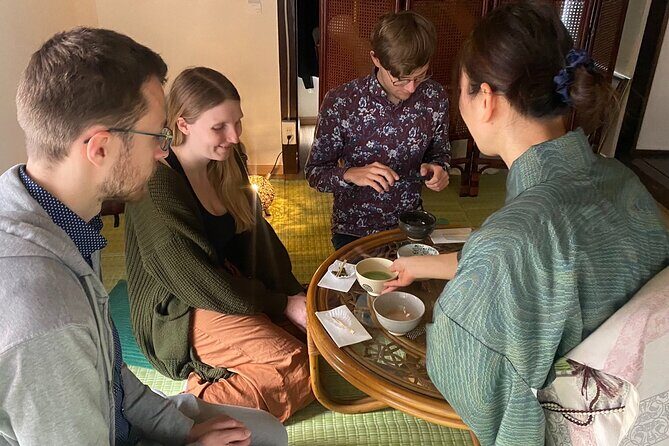
Fresh flowers, quiet focus, and a tokonoma-ready result. This Kyoto ikebana workshop takes place in a renovated traditional townhouse near Kinkaku-ji and Daitoku-ji, and it’s designed around classical forms plus the wabi-sabi idea of honoring a flower’s natural state. I especially liked how the instructors keep things calm and welcoming, so you’re not stuck copying a perfect picture.
I also liked the payoff: your arrangement is showcased in a tokonoma (alcove) in a traditional room, then you may be able to bring it back more easily with delivery afterward. The main drawback to consider is the time—about 40 minutes—so this is a great first arrangement, but it’s not a long, multi-hour deep study.
In This Review
- Key highlights
- Where You Do Ikebana: A Traditional Kyoto Townhouse Setting
- The Wabi-Sabi Teaching Style: Learning Without Chasing Perfection
- Your Workshop Flow: History, Materials, Then a Finished Piece
- The Tokonoma Moment: When Your Arrangement Becomes Part of the Room
- Meet the Instructors: Hands-On Guidance With Real Warmth
- Materials, Seasonal Mood, and Why That Changes Everything
- Getting Your Arrangement Back: Display First, Then Ease Later
- Price and Value: Is $65.15 Worth It?
- Logistics That Actually Matter: Ticket, Timing, and Getting There
- Who Should Book This Ikebana Workshop?
- Should You Book Kyoto Cultural Ikebana at SEKKA Flowers?
- FAQ
- How long is the Kyoto Ikebana workshop?
- Where does the workshop take place?
- What will I create in the class?
- Will my arrangement be displayed?
- Is this workshop beginner-friendly?
- What is the group size?
- Can I get my arrangement delivered after the workshop?
- Is the price per person?
- What ticket format do I receive?
- What’s the cancellation window?
- Is the activity accessible for most people?
Key highlights
- Renovated townhouse setting, around 100 years old, near major Zen temple areas
- Small group (maximum 6), which makes hands-on guidance feel personal
- Classical form + wabi-sabi approach, focused on natural beauty rather than perfection
- Tokonoma display for your finished creation in a traditional room
- Seasonal materials, so the workshop feels linked to Kyoto’s changing atmosphere
- You can get your arrangement displayed and delivered afterward based on recent participant experiences
Where You Do Ikebana: A Traditional Kyoto Townhouse Setting
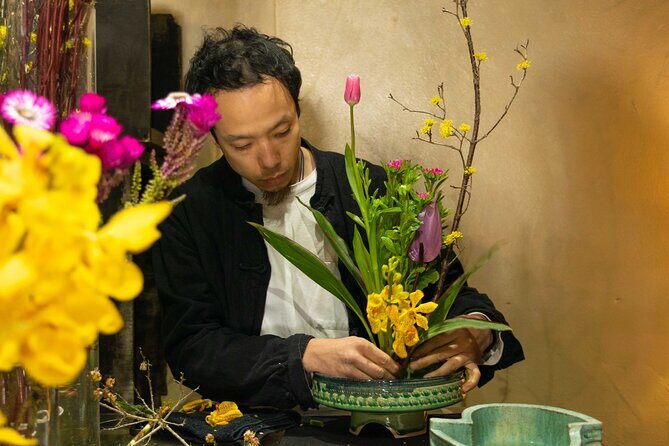
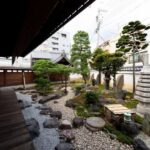
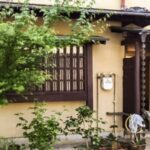
The meeting point is at 44-4 Murasakino Kamimonzenchō, Kita Ward, Kyoto, and from there you’ll go to a flower shop housed in a renovated traditional townhouse. The shop space is about 100 years old, and that matters more than you might think.
Ikebana isn’t just “make a bouquet.” It’s a way of thinking in a room that respects quiet. In a plain modern classroom, you can still learn the rules. But in this kind of traditional townhouse—especially near the temple neighborhoods—your brain naturally slows down. That sets you up to actually notice lines, shapes, and the quiet dignity of plant material.
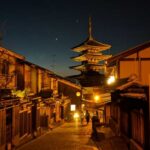
This location is also practical for planning. Since it’s near Kinkaku-ji and Daitoku-ji, you can build a day that blends Zen landscapes outside with a slower art session indoors. Think of it as a useful counterweight to Kyoto’s temple crowds and photo stops.
You can also read our reviews of more tours and experiences in Kyoto.


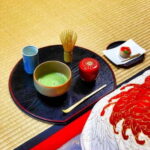
The Wabi-Sabi Teaching Style: Learning Without Chasing Perfection
The workshop’s philosophy is pretty clear: it’s based on classical ikebana forms, but it focuses on bringing out the beauty of flowers and branches while respecting how they naturally look. That’s where wabi-sabi comes in.
If you’ve never done ikebana before, the biggest mental hurdle is usually the fear of doing it wrong. Here, the teaching approach is explicitly beginner-friendly, and you’re guided through the history and art of ikebana while you work. One recent highlight from participants was how instructors encouraged the idea that there’s no right or wrong answer—so you can relax and make choices.
I like this approach because it turns ikebana into something you can repeat later. When you understand the principles (line, balance, and natural shape), you’re not dependent on one exact method. You’ll know what to look for next time you’re arranging flowers back home.
Your Workshop Flow: History, Materials, Then a Finished Piece
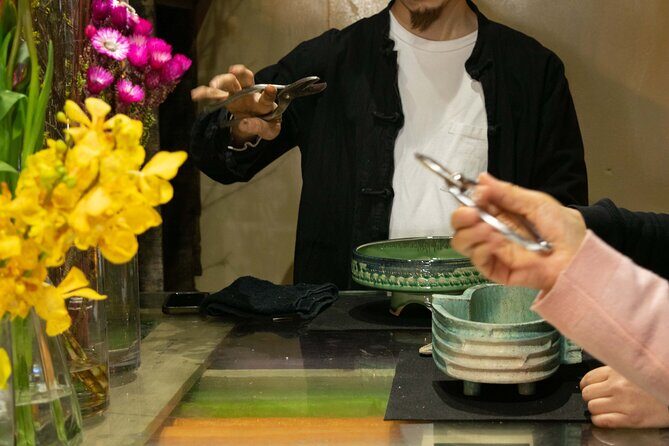
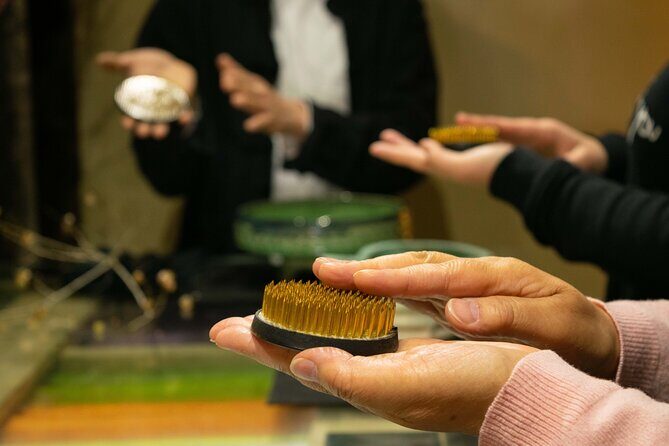
The experience runs about 40 minutes. That length is important. It’s long enough for you to learn key ideas and make a real arrangement, but short enough that it doesn’t swallow your Kyoto day.
Here’s what you can expect in the flow:
- You start with an introduction to ikebana’s history and art, so the rules don’t feel random.
- Then you move into the making part, working with seasonal flowers and branches. The idea is to match the seasonal mood of Japan, not just assemble anything that looks pretty.
- Your instructor guides you using classical forms, while still honoring the plant’s natural state.
Because the workshop emphasizes respecting natural form, you’ll likely find that the “best” arrangement isn’t the one that looks most polished. It’s the one that looks like it belongs—like the flowers and branches are having a quiet conversation.
The Tokonoma Moment: When Your Arrangement Becomes Part of the Room
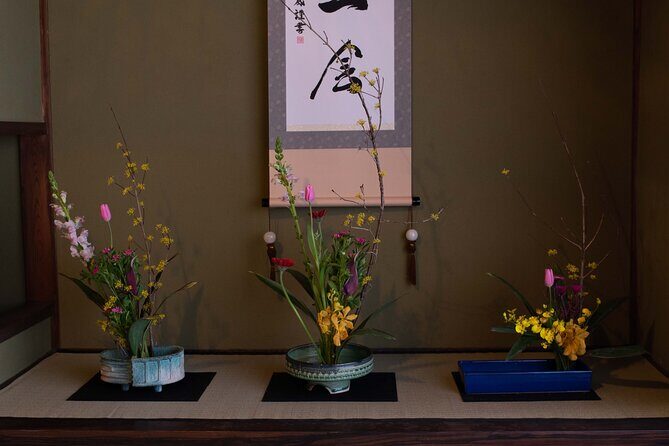
One of the best features is the presentation. Your artwork will be displayed in a tokonoma (alcove) in a traditional Japanese room. This is the moment where ikebana stops being a craft project and becomes a small cultural performance.
Why it’s valuable: tokonoma are designed for focused appreciation. It’s not a random shelf display. It’s a place that gives your work a clear “this matters” spotlight. Even if you’re a first-timer, seeing your arrangement positioned this way helps you understand what ikebana is aiming for: simplicity with intention.
Also, this is where the workshop’s wabi-sabi idea feels real. Your arrangement isn’t competing with bright decorations. It’s holding its own with shape and restraint.
Meet the Instructors: Hands-On Guidance With Real Warmth
The experience is run by instructors (and in participant feedback, the names Taro-san and Chiaki-san come up). What stands out is the tone: welcoming, knowledgeable, and encouraging.
In practice, that means you’re not left with a vague “good luck.” You get instruction, but you also get room to make choices. One strong comment emphasized a balance between being instructive and hands-off, which is exactly what you want. If someone does everything for you, you’ll admire the result but you won’t learn how to recreate it.
I’d frame the teaching like this: you’re getting the principles and the safety rails, then you’re building your own arrangement within that structure. That’s the sweet spot for a 40-minute class.


Materials, Seasonal Mood, and Why That Changes Everything
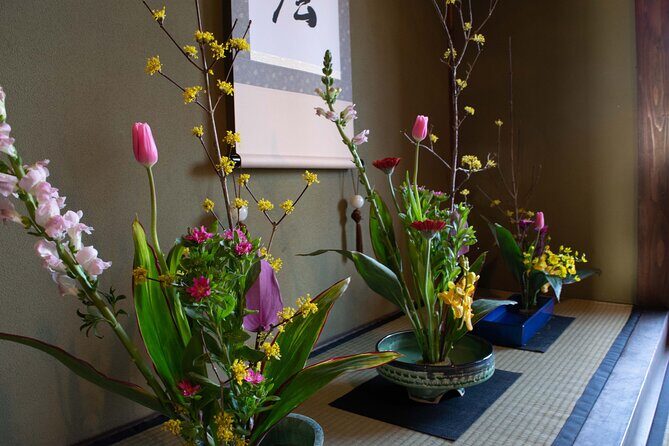
The workshop highlights “flowers that adorn Japan’s seasons.” That phrase is doing real work. Seasonal material selection affects:
- color mood
- texture and weight
- how tall or expressive certain branches can be
- what “natural state” looks like in the moment
So even if you’ve arranged flowers before, you might notice that working with seasonal branches changes how you plan your lines. In ikebana, lines matter. A branch that bends one way in one season can push your arrangement into a different feeling than the same flower family would do later.
This is why a short class can still feel meaningful. You’re not repeating a generic bouquet recipe. You’re making a composition tied to a specific time and place.
Getting Your Arrangement Back: Display First, Then Ease Later
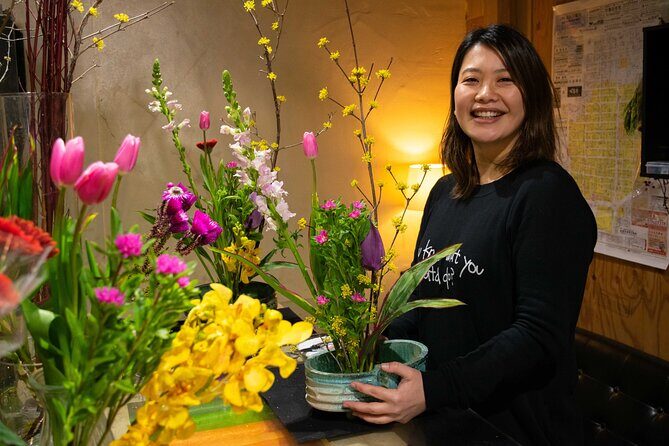
You’ll have your arrangement showcased in the tokonoma, which is already a big win. But another participant highlight was that their ikebana was delivered to their accommodation afterward.
That detail matters for practical travelers. Kyoto days can be long. You don’t want to carry fragile stems through crowds or worry about arranging it again in your hotel room. If delivery is available for your booking, it’s an underrated value add.
One note for your planning: even if delivery is offered, ask (at booking or confirmation) what the process is for your specific session. The good news is that the idea of delivery has shown up in recent feedback, so it’s not just a theoretical perk.
Price and Value: Is $65.15 Worth It?
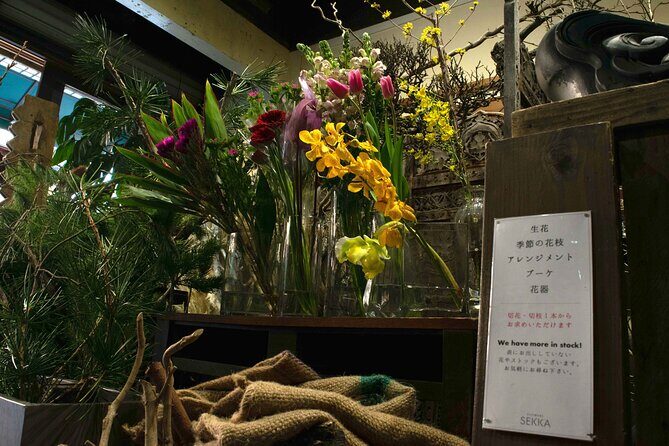
At $65.15 per person for about 40 minutes, the price is right in the “paid cultural activity” range. The key question is what you’re actually buying.
You’re not just paying for materials. You’re paying for:
- a trained instructor guiding classical forms
- a calm, traditional setting (not a generic studio)
- the tokonoma presentation moment
- and, for many people based on feedback, delivery to accommodation afterward
Also, the class size is capped at 6 travelers, which usually improves the quality of attention. In a small group, you’re more likely to get specific corrections or reassurance. That makes the lesson stick.
Now the honest consideration: if you only want a casual souvenir with no real instruction, you might feel you could do something simpler. But if you want a structured cultural skill you can use again, this is a solid value.
If you’re comparing costs, remember that this is a hands-on art experience in Kyoto with a traditional space and a tangible final outcome. That combination adds up.
Logistics That Actually Matter: Ticket, Timing, and Getting There
This activity uses a mobile ticket, and confirmation happens at booking. The workshop is near public transportation, so you’re not stuck planning complicated transfers.
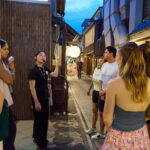
The meeting point is specific, so make sure you start from the exact address: 44-4 Murasakino Kamimonzenchō, Kita Ward, Kyoto. In a city like Kyoto, one wrong turn can add time fast.
Timing-wise, because it’s about 40 minutes, I suggest fitting it between temple blocks or planning it as a calm reset. If you try to stack it back-to-back with multiple major stops, you might rush the experience. The whole point here is to slow down enough to actually see what you’re doing.
Who Should Book This Ikebana Workshop?
This is a great match if you:
- want a calm, hands-on activity that feels distinctly Kyoto
- are a beginner and want structured guidance without pressure
- like cultural experiences where the setting and etiquette matter
- want something small and memorable that doesn’t require a long time commitment
It’s especially nice for couples and small groups, since the class size is limited. Families can also enjoy it, and one recent comment highlighted that a wife and kids all loved it.
Who might hesitate:
- If you want a long, detailed, multi-session art course, 40 minutes may feel too short.
- If you’re the type who needs your hands free for minimal instructions, you might prefer a different craft style. Here, the principles guide your choices.
Should You Book Kyoto Cultural Ikebana at SEKKA Flowers?
I think you should book if you want something real and calm—something that teaches you a cultural way of looking at flowers, not just a photo moment. The strongest reasons are the small group setting, the wabi-sabi mindset, the tokonoma display, and the fact that instructors like Taro-san and Chiaki-san set a welcoming tone for first-timers.
If you do like short, high-quality lessons, this one hits that target. It also pairs well with temple-area sightseeing because of where it’s located.
Before you go, quick check for yourself: are you okay with a 40-minute window? If yes, you’ll leave with a finished arrangement and a new way to think about line, shape, and natural beauty.
FAQ
How long is the Kyoto Ikebana workshop?
The experience is approximately 40 minutes.
Where does the workshop take place?
It’s at a flower shop in a renovated traditional townhouse in Kyoto. The meeting point address is 44-4 Murasakino Kamimonzenchō, Kita Ward, Kyoto, 603-8217, Japan.
What will I create in the class?
You’ll create your own ikebana arrangement with guidance from the instructors.
Will my arrangement be displayed?
Yes. Your artwork will be displayed in a tokonoma (alcove) in a traditional Japanese room.
Is this workshop beginner-friendly?
Yes. Beginners are welcome, and the class focuses on learning ikebana’s history and art while you make your arrangement.
What is the group size?
The workshop has a maximum of 6 travelers.
Can I get my arrangement delivered after the workshop?
Recent participant feedback indicates the arrangement can be delivered to accommodation afterward, so it may be offered for your session.
Is the price per person?
Yes. The price is listed as $65.15 per person.
What ticket format do I receive?
You get a mobile ticket.
What’s the cancellation window?
Cancellation is free up to 24 hours in advance for a full refund.
Is the activity accessible for most people?
The information states that most travelers can participate, and service animals are allowed.