REVIEW · BEPPU
Tea Ceremony in a Century-old Japanese Town House
Book on Viator →Operated by Space Beppu · Bookable on Viator
Matcha gets serious fast. In Beppu, this tea ceremony experience in a modernized century-old town house turns Japanese etiquette into something you can actually do, not just watch. I love the patient, step-by-step instruction (with an interpreter guiding you through each moment), and I love that you make and taste your own matcha along with a local sweet. The main drawback to consider is that the setting can feel more modern inside than you might picture from photos, and the experience is built around matcha rather than a full tasting flight of multiple teas.
You’ll meet at Space Beppu, where an English-speaking interpreter helps translate the history and cultural meaning while a local instructor in traditional kimono demonstrates proper form. It runs about an hour and feels private to your group, which matters when you want time to ask questions and not just rush through the motions.
In This Review
- Key highlights to decide quickly
- A century-old Japanese house, with modern inside manners
- How the ceremony actually runs in one focused hour
- Why the English interpreter changes everything for beginners
- Enter the etiquette: what you learn beyond matcha
- Matcha making: the hands-on moment you’ll remember
- The setting: what century-old means when it’s been modernised
- Space Beppu and timing: where to meet and how to plan your hour
- Price and value: is $45.61 worth it?
- Who should book this tea ceremony in Beppu
- The practical tips that make your session smoother
- Should you book this tea ceremony at Space Beppu?
- FAQ
- How long is the tea ceremony experience?
- Is the experience available in English?
- Will I get to make matcha, or is it only a demonstration?
- Is there food included?
- Is this activity private or shared with other groups?
- Where is the meeting point in Beppu?
- What happens if I’m late or need to cancel?
Key highlights to decide quickly
- One-hour, do-it-yourself format: you practice the steps, not just observe.
- English guidance throughout: history, etiquette, and what to do next are translated as you go.
- Instructor in kimono: you get the ceremony from someone trained in the style.
- Hands-on matcha + sweet pairing: your cup comes with a local snack, not just empty plates.
- Century-old home, modern feel: it’s old in spirit and age, but updated inside.
A century-old Japanese house, with modern inside manners
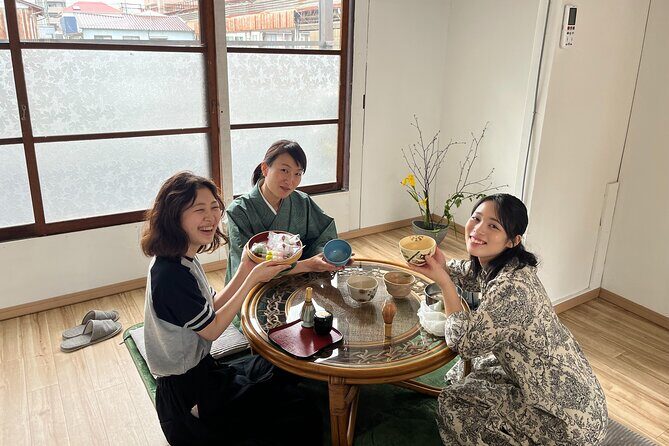
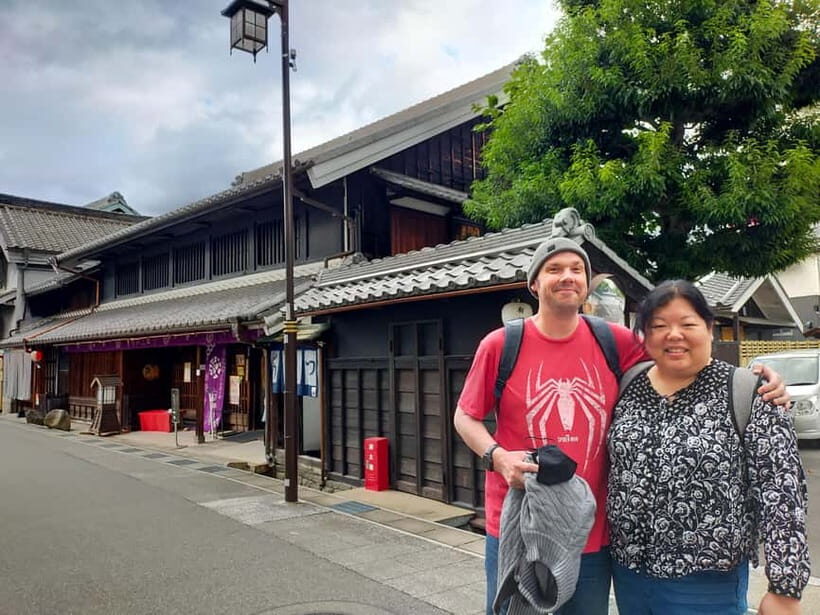
This tea ceremony experience takes place in a century-old Japanese town house that’s been recently modernised and used as a community space. That mix is part of the charm, but it also explains why expectations can split: if you want a perfectly traditional, photo-straight tea room, the upgraded interior may not scratch that itch.
Still, the atmosphere works for learning. You’re not stuck in a lecture hall. You’re in a place that has real Japanese domestic bones—woody textures, lived-in scale, and the sense that this kind of cultural routine belongs in daily life, not just museums.
I also like the pace. A lot of tea ceremony experiences either move too fast or assume you already know what to do. Here, the flow is built for beginners: you’re guided through history and etiquette first, then you get hands-on time to try.
You can also read our reviews of more tours and experiences in Beppu.


How the ceremony actually runs in one focused hour
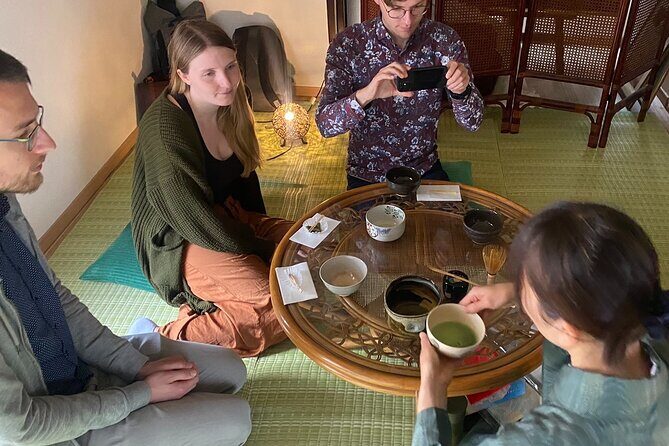
Plan for a short, concentrated experience—about an hour—so it helps to arrive with a little curiosity and a little flexibility. The rhythm goes like this: you’ll get step-by-step instruction, you’ll watch a demonstration, and then you’ll make matcha yourself.
First comes context. An English-speaking interpreter walks you through the history, etiquette, and cultural importance of the tea ceremony. That matters because the movements aren’t random. Each step is a social signal—respect, timing, cleanliness, attention to others—even when you’re the one learning.
Then you’ll see the real thing up close. A local professional dressed in kimono demonstrates how to handle everything properly: how to prepare, how to present, and how to move with calm precision. After that, it’s your turn to follow the steps and create your own cup.
Why the English interpreter changes everything for beginners
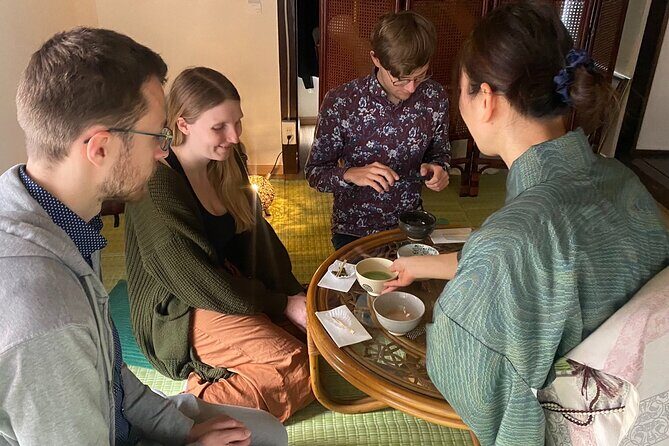
Tea ceremony etiquette can feel like a secret code—until someone translates it in plain terms. The presence of an English-speaking interpreter means you’re not left guessing why you’re bowing, pausing, or holding a bowl a certain way.
One thing I’d highlight: the teaching style is patient. Past participants praised how the instructor stayed calm even when people made mistakes, and how the interpreter helped guide you through doing the steps yourself. That’s exactly what you want in a short experience. You don’t need perfection—you need feedback.
If you’re traveling in Japan and you want cultural experiences that actually make sense, this setup is a strong match. You’ll be able to connect the gestures to the meaning, not just copy the motions.
Enter the etiquette: what you learn beyond matcha
Even though the final goal is drinking matcha, the best part is the etiquette lesson. You’ll learn how the ceremony treats time and attention like part of the performance. It’s not about speed. It’s about being present and showing care for both the host and the guests.
In practice, you’ll notice how much the ceremony values preparation and respect for tools. It’s the kind of lesson that makes you slow down naturally. Your hands have to learn manners before your mouth does.
This is also where you may see extra cultural elements during the session. Some people mention that calligraphy or a noodle element can appear as part of what you experience alongside tea. I can’t promise it will be included in every run, but the fact that these additions show up in past experiences suggests the host may sometimes make the lesson broader and more fun.
Matcha making: the hands-on moment you’ll remember
The ceremony doesn’t end at watching. After the demonstration, you’ll be invited to make your own matcha. That’s the moment that turns this from “interesting” into “I actually did something.”
Matcha is served with a Japanese sweet local delicacy on the side. This matters more than it sounds. The sweet softens the experience and makes it easier to taste the bitterness and character of matcha properly. It also adds variety to the one-hour timeline so you’re not just repeating steps and staring at the bowl.
Don’t expect multiple kinds of tea tasting. One of the mixed notes from past participants was the feeling that it wasn’t a full tea variety experience for the cost. The reality of traditional style is that you usually focus on matcha—one tea, one proper serving rhythm—rather than a buffet of cups.



The setting: what century-old means when it’s been modernised
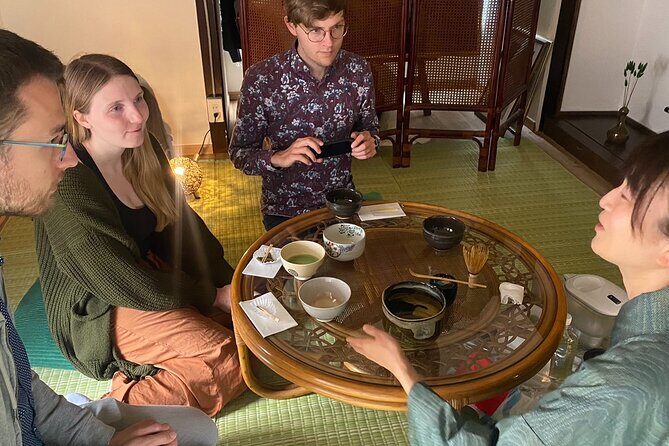
Let’s talk honestly about the room. The building is over a century old, which is a rarity, but it’s also described as recently modernised. In other words, it may not look like the most old-school, candlelit, tatami-only tea room you imagined.
This is the tradeoff. The advantage is comfort and a space that’s ready to host an English-led lesson without feeling crammed or unsafe. The drawback is visual expectations. If you book specifically for a purely traditional-looking interior, you might feel a disconnect.
My advice: let the authenticity be about the lesson and the etiquette, not the décor. You’re paying for guidance on Japanese ceremony culture and the chance to handle the process yourself.
Space Beppu and timing: where to meet and how to plan your hour
You’ll meet at Space Beppu, located at Japan, 874-0942 Oita, Beppu, Chiyomachi, 12 12番9号. The site is noted as being near public transportation, so you’re not stuck relying on a taxi every time you want to move around Beppu.
The activity runs for about one hour, so treat it like a scheduled appointment rather than a flexible stop. This is especially important because there’s a late-arrival policy: if you arrive late without prior notice, a cancellation fee may apply (up to 50% of the total activity fee). Show up on time, grab your bearings fast, and you’ll avoid stress.
Also, confirmation happens after booking (within 48 hours, subject to availability). With a one-hour experience, getting the schedule right matters.
Price and value: is $45.61 worth it?
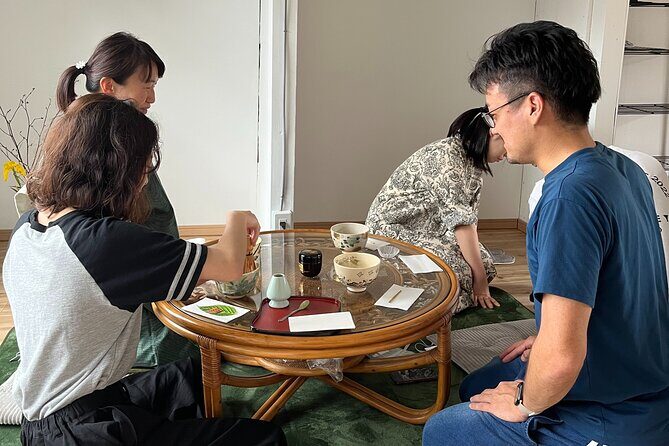
At $45.61 per person for about an hour, the value question comes down to what you want from a tea ceremony.
If you want a quick photo stop, this probably won’t feel like enough. If you want a real cultural lesson with instruction in your language and the chance to practice the steps, it starts to make sense quickly. You’re not just watching someone pour tea. You’re learning etiquette, getting guided correction, and making a cup that you’ll taste.
It’s also positioned as a private activity for your group, with mobile ticket use and group discounts. Private feel matters: it reduces the pressure of performing in front of strangers and gives you more room for questions, especially if your group includes beginners.
If your priority is tasting several types of tea or experiencing a highly traditional room aesthetic, you may find the matcha-only structure a mismatch. But if you’re there for etiquette + hands-on matcha, the cost is easier to justify.
Who should book this tea ceremony in Beppu
This experience is a great fit if you’re:
- new to Japanese tea ceremony and want clear guidance in English
- the type of person who likes hands-on cultural activities over museum-style observation
- traveling with a small group and want a private session instead of a crowded schedule
- curious about how etiquette shapes everyday arts in Japan
It’s less of a match if you’re:
- hunting for a multi-tea tasting flight or multiple cup variations
- expecting the room to look like a fully traditional, untouched historical tea space
- sensitive to losing time, since it’s a focused one-hour format
The best mindset going in: treat it like a mini class. You’re learning a sequence, not collecting souvenirs.
The practical tips that make your session smoother
A few small choices will make this feel better from start to finish.
- Go in ready to sit still and follow instructions. Tea ceremony isn’t a quick walk-through.
- Arrive early. If the schedule gets tight, you don’t want to play chicken with the late-arrival policy.
- Don’t overthink mistakes. The teaching style is designed for normal human errors, and the interpreter/instructor approach is built around helping you correct in real time.
- Take your tasting seriously. The sweet on the side is there for a reason—use it to notice how matcha changes as you shift from snack to tea.
- If you love Japanese culture, pay attention to what you’re being told about the meaning behind etiquette. That’s where the ceremony becomes more than a performance.
Should you book this tea ceremony at Space Beppu?
Book it if you want a proper matcha ceremony lesson with English support and hands-on participation, in a private group setting, in Beppu’s Space Beppu area. It’s especially worth it if you’re a beginner who’d benefit from patient guidance and a structured one-hour format.
Pass or adjust expectations if you’re mainly chasing a highly traditional-looking tea room, or if you’re hoping for multiple tea varieties. The experience centers on matcha, and the setting is old in age but modern in presentation.
If you’re the kind of traveler who likes learning how things work—then drinking the result—this is the kind of cultural stop you’ll feel good about later, even when the rest of your trip is loud and fast.
FAQ
How long is the tea ceremony experience?
It lasts about 1 hour.
Is the experience available in English?
Yes. An English-speaking interpreter guides you step by step through the history, etiquette, and cultural importance of the tea ceremony.
Will I get to make matcha, or is it only a demonstration?
You’ll be invited to try making your own cup of matcha after the demonstration.
Is there food included?
Yes. A Japanese sweet local delicacy is served alongside your matcha tea.
Is this activity private or shared with other groups?
It’s private for your group only.
Where is the meeting point in Beppu?
You meet at Space Beppu, located at 12 12番9号, Chiyomachi, Beppu, Oita, Japan (874-0942).
What happens if I’m late or need to cancel?
Late arrivals: if you arrive late without prior notice, up to 50% of the activity fee may be charged as a cancellation fee. Cancellation: you can cancel for a full refund up to 24 hours in advance; if you cancel less than 24 hours before, the amount paid is not refunded.