REVIEW · NAGOYA
Nagoya 6hr Private Tour with Government-Licensed Guide
Book on GetYourGuide →Operated by JGA Inc. · Bookable on GetYourGuide
Nagoya is a city of neighborhoods, not checklists, so this private walking tour is a smart way to see the essentials without wasting time. You choose 3–4 stops from major highlights like Nagoya Castle and Atsuta Jingu, then your guide maps a route around your interests. It’s private, walk-based, and designed for an efficient half-day in Honshu’s Nagoya.
Two things I really like: first, the tour is led by a government-licensed, experienced English-speaking guide who can explain what you’re actually looking at (not just recite facts). Second, you get real customization—guides plan ahead based on your preferences and will adjust the route on the fly when your timing or interests shift.
The main thing to consider is that it’s a walking tour with extra costs. Entrance fees, meals, and transit between stops aren’t included, so you’ll want comfortable shoes and some cash (yen) ready.
In This Review
- Quick reasons this tour works so well
- Why Nagoya Makes More Sense as a Private Walking Tour
- Site Selection: How to Choose 2–3 or 3–4 Stops Without Rushing
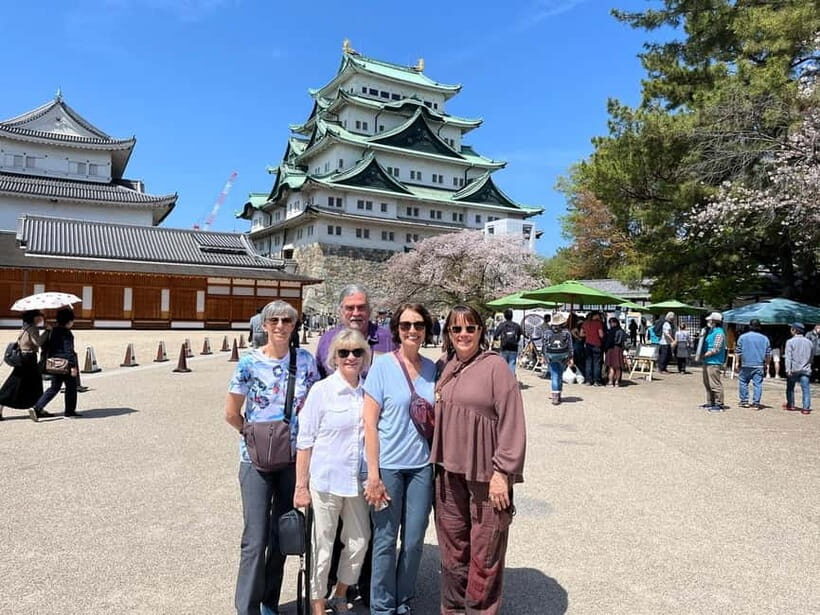
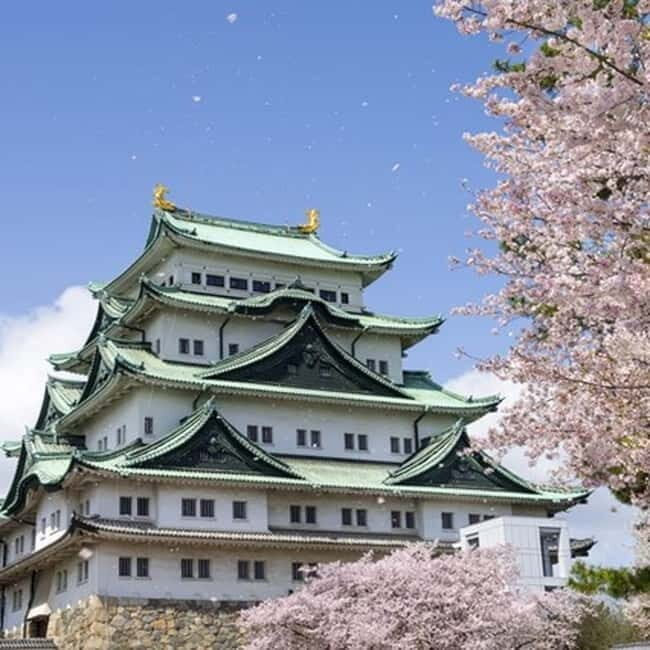
- Nagoya Castle: A Strong Anchor for First-Time Orientation
- Atsuta Jingu and Other Shrines: Slower, Smarter, More Personal
- Museums That Fit Real Interests: Meiji-mura, Science, Art, and More
- Gardens, Shopping Streets, and Neighborhood Walking That Feels Like Nagoya
- Views From the City: MIRAI TOWER and Midland Square’s Sky Promenade
- Price and Value: Is $106 Fair for a Half-Day Private Guide?
- How Your Guide Turns Planning Into a Real Day
- Logistics That Can Make or Break a Walking Day
- Who Should Book This Nagoya Private Walking Tour
- Should You Book It
- FAQ
- How long is the Nagoya private walking tour?
- How many sites can I see during a 4-hour tour vs a 6-hour tour?
- What sites are available to choose from?
- Is transportation included?
- Are entrance fees included?
- What’s included in the tour price?
- Do I need cash for the tour?
- How does pickup work?
- Can I hire a private vehicle for the tour?
Quick reasons this tour works so well
- Government-licensed English guidance that keeps you oriented and helps you connect the dots at each stop
- Pick your sites: 2–3 for 4 hours, 3–4 for 6 hours, using a clear list of Nagoya-area favorites
- Hotel or station-area pickup on foot with the guide meeting you about 10 minutes early
- Route flexibility when your group’s energy or curiosity changes during the day
- No waiting in lines for a large group since it’s private and focused on your pace
Why Nagoya Makes More Sense as a Private Walking Tour
Nagoya is one of those cities where a little local context changes everything. A private walking tour helps you avoid the common trap of hopping between famous spots with no clue how they connect.
Here, you’re not just walking from one landmark to another. You’re following a plan built around your interests, with a guide who can shift emphasis depending on whether you care more about castles, shrines, museums, gardens, or shopping streets. If you like structure but hate rigid schedules, this is the sweet spot.
And because it’s a walking day, the tour naturally pushes you to experience the city’s rhythm at human scale. You’re moving on foot, seeing what’s nearby, and getting fewer “transport delays” that can happen when you rely on fixed bus routes or big group schedules.
You can also read our reviews of more guided tours in Nagoya

Site Selection: How to Choose 2–3 or 3–4 Stops Without Rushing
The timing rules are clear, and that’s a good thing. For a 4-hour tour, plan for 2–3 sites. For a 6-hour tour, aim for 3–4 sites. That keeps the day from turning into a sprint.
Your guide can help you pick the right mix, but you’ll have an easier time if you think in themes:
- Castle + shrine combo: Nagoya Castle plus Atsuta Jingu is a classic structure for history and tradition.
- Museums + craft/industry: Nagoya City Science Museum or Nagoya City Art Museum pairs well with Toyota-focused or craft-related stops.
- Gardens + shopping: Tokugawa Garden or Shirotori Garden plus Osu Shopping Street gives you a pleasant change of pace.
- Views + modern Nagoya: Tokyo-style city views translate well to towers like Chubu Denryoku MIRAI TOWER or Sky Promenade at Midland Square.
One practical note: this is a private tour, and you can’t combine groups or reservations. So you’ll want to communicate preferences clearly after booking—what you want to see and roughly what time you want to start.
Nagoya Castle: A Strong Anchor for First-Time Orientation
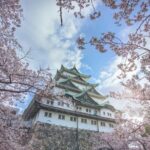
If you choose Nagoya Castle, it works well as a first anchor because it gives you a big-picture start. You can treat it like a “map in physical form,” and then build the rest of your day around whatever angle you care about most.
A private guide matters here because you can ask better questions. In past tour conversations, guides have explained the background behind the castle and the dynastic connections visitors usually struggle to untangle on their own. That turns a castle stop from just photos into something you can actually process.
A drawback to watch for: castle time can grow quickly if you’re interested in history details. For a 4-hour tour, keep your second site aligned (a nearby theme, not something wildly far). For a 6-hour tour, you’ll have breathing room to add another major stop without feeling crushed.
Atsuta Jingu and Other Shrines: Slower, Smarter, More Personal
Choosing Atsuta Jingu is a great move if you want a distinctly Nagoya flavor. Shrines set a different pace than castles and museums, and with a private guide you’ll spend less time wondering what you’re looking at and more time enjoying the atmosphere.
Your guide can tailor the shrine portion based on interest level—whether you want straightforward explanations or deeper context for what’s important inside. One reason this tour gets high marks is the way the guide keeps explanations clear while staying flexible if your route needs adjustment during the walk.
If you’re pairing a shrine with something else, think about contrast. A shrine plus a museum stop often feels balanced: tradition first, then modern culture or industry. A shrine plus shopping is also a good combo, especially if you want a break afterward for snacks or browsing.
Museums That Fit Real Interests: Meiji-mura, Science, Art, and More
The tour’s museum options are a smart way to handle rainy weather or simply to add variety without burning too much energy.
From your available site choices, you can build a museum-focused day with stops like:
- Nagoya City Science Museum
- Nagoya City Art Museum
- Toyota Commemorative Museum of Industry and Technology
- The Museum Meiji-mura
If you’re the type who likes to understand how a city thinks, museums do that fast. And because this is private, you can control the pace: spend longer at the exhibits that catch your attention and skip what doesn’t.
One drawback: museum entrance fees are not included. So if you’re planning multiple ticketed stops, your final day cost will rise. I’d treat the walking guide as the main value, then budget yen for admissions and any transit between sites.
You can also read our reviews of more private tours in Nagoya



Gardens, Shopping Streets, and Neighborhood Walking That Feels Like Nagoya
Not every great moment in Nagoya is a ticketed museum. The tour list includes places that help you feel the city’s texture—gardens for calm and shopping streets for everyday life.
Good garden pairings include:
- Tokugawa Garden
- Shirotori Garden
And for a more street-level Nagoya vibe:
- Osu Shopping Street
- Shikemichi
There’s also Noritake no Mori, which tends to appeal when you want something “Nagoya-specific” without it being purely shrine or purely museum. Pair it with a garden if you want a day that alternates between quiet and lively.
Here’s the practical tip: because this is walking-based, these stops work best when you choose shoes you don’t regret. You’ll also want water ready, since you’re on foot for hours and the weather can change your comfort faster than you expect.
Views From the City: MIRAI TOWER and Midland Square’s Sky Promenade
If your group likes skyline views, the tower options are exactly what you want. The tour can include Chubu Denryoku MIRAI TOWER and Sky Promenade (Midland Square), depending on which sites you choose.
The value here is not just the view itself. It’s the way a guide can help you connect what you see from above with what you’ll explore at street level. Even a short explanation can make a skyline feel less like a photo background and more like a “how this city is organized” lesson.
Downside to consider: viewpoints can take extra time if you linger. For a 4-hour tour, I’d keep your plan to one major viewpoint plus one other strong anchor. For a 6-hour tour, you can add a museum or shrine around it.
Price and Value: Is $106 Fair for a Half-Day Private Guide?
At $106 per person, the tour price is mostly paying for two things: a licensed local English-speaking guide and the flexibility to choose your own 2–4 stops.
That’s where the math gets interesting. This isn’t a cheap group bus experience. But you also aren’t stuck with fixed stops, and you aren’t left to figure things out alone. For many visitors, that’s worth real money—especially if your Japanese is limited and you want your time to feel organized.
What’s not included matters for budgeting:
- Entrance fees
- Lunch
- Transportation costs between sites
- Any personal expenses
So the true cost can climb depending on which attractions you choose. Still, I like this pricing model because you control how ticket-heavy your day becomes. If you pick fewer paid museums and plan one or two major sights, you keep the total in check while still getting the guide’s planning and pacing.
How Your Guide Turns Planning Into a Real Day
What makes this tour stand out in practice is the guide’s role as a day-shaper, not just a translator.
You might be guided by someone like Hisato, who has been praised for putting real effort into pre-planning the route around visitors’ preferences and for explaining venue details clearly. Another example is Todd Miura, who has been noted as friendly and flexible, with explanations that make the castle and its historical setting easier to understand.
What I find especially useful is the “you can adjust” factor. Route flexibility is valuable when:
- your group moves slower than expected
- you spot something you want to add
- weather changes your comfort
- you want more time at one stop and less at another
And yes, there’s a social side too. In past conversations, guides have shared interesting topics during lunch—like differences in school and work culture between East and West. That kind of exchange can make the walking time feel less like sightseeing and more like learning how people actually live.
Logistics That Can Make or Break a Walking Day
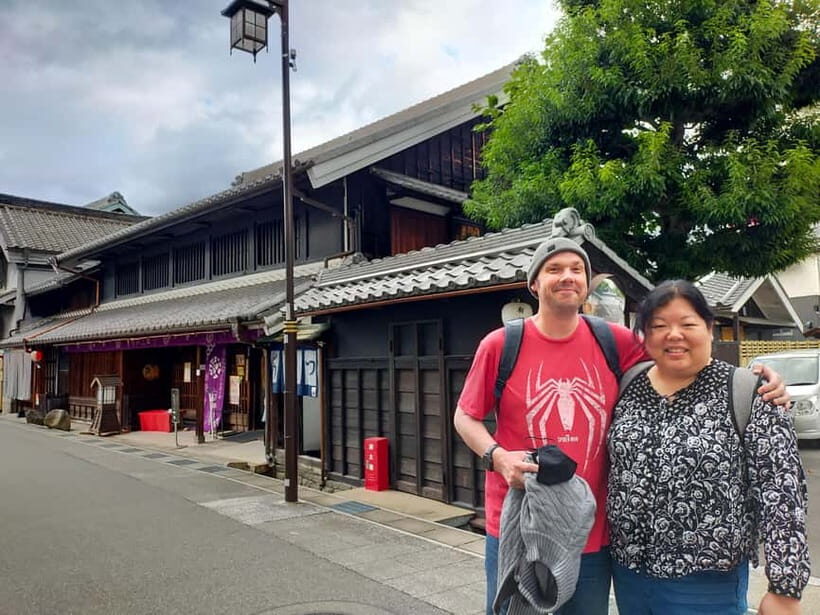
This tour includes meet-up and pickup in a simple way: your guide waits at your requested hotel lobby or train station area and will be there about 10 minutes early. The pickup itself is on foot, meaning you’re starting from a designated nearby area rather than being driven by a private vehicle to each stop.
Transportation between sites may use public transit or local taxis, and you’ll want Japanese yen on hand for those costs. If you prefer a private vehicle, it’s possible but must be booked in advance (5 days) and has a smaller group size limit.
Also plan for walking time. You’ll want:
- comfortable shoes
- water
- a camera
- cash
Wheelchair access is listed, which is a plus for planning, but because this is a walking route, you should still think through how much distance your group can handle.
Who Should Book This Nagoya Private Walking Tour
This tour is a good fit if you want:
- a private, licensed guide who can explain what you’re seeing
- a walking day with custom stops instead of a fixed checklist
- a practical schedule for 4 to 6 hours when you don’t want to waste half a day figuring out transit and ordering chaos
I’d also strongly consider it for first-timers who feel comfortable choosing what they’re interested in, but want the guide to handle sequencing and on-the-ground adjustments.
If your group wants everything arranged start-to-finish with a car and tickets handled for you, this may feel a bit “DIY on the margins,” since transport and entrances are not included.
Should You Book It
If you value time, clarity, and a route built around your interests, I’d book it. The private walking format plus customization is a strong combination, and the guide-driven explanations are clearly a highlight in how the experience lands for people.
But book with your budget and stamina in mind. Bring yen for transit and entrances, wear shoes that can handle hours of walking, and choose sites that fit your pace. If you do that, you’ll end up with a Nagoya day that feels planned, not stressful—and that’s the real vacation win.
FAQ
How long is the Nagoya private walking tour?
It runs for 4–6 hours, depending on the option you choose.
How many sites can I see during a 4-hour tour vs a 6-hour tour?
For 4 hours, plan for 2–3 sites. For 6 hours, you can see 3–4 sites.
What sites are available to choose from?
You can choose from options including Nagoya Castle, Atsuta Jingu Shrine, Chubu Denryoku MIRAI TOWER, Nagoya City Science Museum, Nagoya City Art Museum, Tokugawa Garden, Tokugawa Art Museum, Toyota Commemorative Museum of Industry and Technology, Noritake no Mori, Osu Shopping Street, Shirotori Garden, Sky Promenade (Midland Square), Shikemichi, Wakamiya Hachimansha Shrine, and Nagoya Sword Museum.
Is transportation included?
No. Transportation fees aren’t included. Public transportation or local taxis may be used between sites, and you should have Japanese yen available for those costs.
Are entrance fees included?
No. Entrance fees aren’t included.
What’s included in the tour price?
You get a licensed local English-speaking guide and a customizable tour of your chosen 3–4 sites from the available options. The guide will meet you on foot in the designated area.
Do I need cash for the tour?
Yes. It’s recommended to have Japanese yen for transportation costs and any entrances or personal expenses.
How does pickup work?
Your guide will wait in the hotel lobby or requested train station area about 10 minutes before the scheduled pickup time. Pickup is on foot, within the designated area.
Can I hire a private vehicle for the tour?
Private vehicles are not included by default. If you want one, you must contact the provider directly and book it in advance (5 days).