REVIEW · NAGOYA
From Nagoya: Samurai Swords and Inuyama Castle Private Tour
Book on Viator →Operated by Snow Monkey Resorts Tours (Machinovate Japan Ltd.) · Bookable on Viator
Steel has a story here. This private full-day tour links Seki swordcraft to Inuyama Castle and Urakuen’s tea garden, in a clean, organized route. I especially like the hands-on knife sharpening experience and the calm matcha stop at Joan Tea House.
You’re also guided by a real pro who can make every site feel connected. In the past, guides such as Kim and Emily have shared the kind of detail that turns photos into understanding, and the driver (Asano-san) has kept things smooth and patient. One thing to plan for: lunch isn’t included, so you’ll want to budget time to eat in Inuyama during the free period.
In This Review
- Key Highlights You Should Know
- From Nagoya: How This Day-Trip Stays Meaningful
- Seki: Where Swordmaking Turns Into a Skill
- Inuyama Townscape: Classic Streets and Real Free Time
- Inuyama Castle and Sanko Inari Jinja: Views With Meaning
- Urakuen Garden and Joan Tea House: Matcha in a Designed Space
- Price and Value: What $312.08 Is Really Paying For
- Timing and Getting Around: A Day That Runs Like a Plan
- What the Guides and Driver Actually Make Better
- Who Should Book This Tour (and Who Might Skip It)
- Quick Checklist for Your Day
- Should You Book This Tour?
- FAQ
- How long is the tour?
- What does the tour include?
- Is pickup available?
- Do I need to pay for the castle and garden visits?
- Is lunch included in the price?
- Where does the tour start and end?
- Is this a private tour?
- What is the cancellation policy?
- Can most people participate?
Key Highlights You Should Know

- Seki’s swordmaking world, plus knife sharpening: You learn proper technique, not just sword facts.
- Inuyama townscape time: You get a guided stroll and then breathing room for lunch and exploring.
- Inuyama Castle visit: A National Treasure stronghold tied to the Oda clan era.
- Sanko Inari Jinja wish legend: A short shrine stop adds a fun local tradition element.
- Urakuen Garden and Joan Tea House: National Treasure tea architecture with matcha tasting.
From Nagoya: How This Day-Trip Stays Meaningful
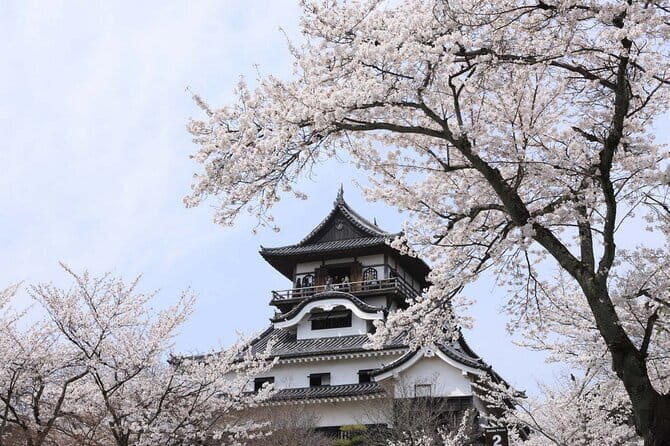
If you only have one day to see central Japan’s craft culture and historic towns, this route is a strong pick. You start from Nagoya Station, then spend the day bouncing between three themes: metalwork (Seki), preserved small-town atmosphere (Inuyama), and tea culture in a designed garden (Urakuen).
What makes it work is that you don’t just look at sights. You get to practice skills and slow down at the right moments. The knife sharpening experience is the most practical memory you’ll take home. And Urakuen’s tea stop is the kind of calm pause that makes the rest of the day feel intentional, not rushed.
Because this is a private tour, you’re not competing for attention. A guide can pace the day around your questions, and the driver can focus on getting you where you need to be on time.
You can also read our reviews of more private tours in Nagoya



Seki: Where Swordmaking Turns Into a Skill
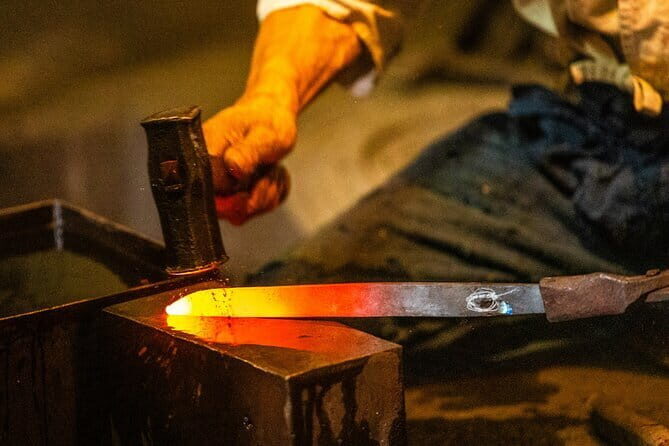
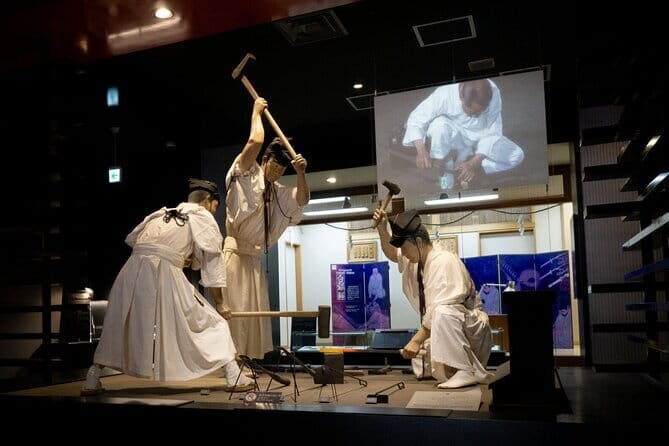
The day starts in Seki, a place famous for blade craftsmanship. Your stop centers on the Seki Swordsmith Museum, and it begins with a small shrine dedicated to blacksmithing. That matters more than it sounds. In Japan, the work isn’t only technical. It’s treated as something with respect, routine, and tradition.
Inside the museum area, the tour focuses on the swordmaking process and how blades are created. This is where you’ll learn how a bladesmith thinks about the material and the steps involved. Then you shift from watching to doing with the knife sharpening experience.
This is one of the highest-value parts of the day for two reasons:
- It’s hands-on, so the learning sticks.
- You leave with a useful skill you can actually use back home.
You’ll want to pay attention to technique and motion, even if your knife looks normal at home. Good sharpening is not just about making an edge. It’s also about maintaining it. Even basic habits can change how your kitchen tools perform.
If you’re the type who thinks sword culture is only for movie fans, this stop changes your mind fast. It frames swords as serious craft.
Time tip: This portion takes about 2 hours 30 minutes, which is long enough for real process learning. Pace yourself before you head into Inuyama so you have energy for walking and photos.
Inuyama Townscape: Classic Streets and Real Free Time
After Seki, you head to Inuyama. The tour includes a guided walkthrough of the townscape, then a period of free time. This is where the day gives you a chance to be independent for a bit—rare on tightly scheduled tours.
Inuyama is one of those places where strolling is the point. You’ll get a short orientation from your guide, then you can go find your own lunch spot or wander at your own pace. Admission isn’t required for the town portion, so your time there is mostly about atmosphere and choices.
This is the moment to think like a local:
- Pick a lunch place that’s busy (usually a good sign).
- If you’re into small souvenirs, use your free time for browsing, not just eating.
The one caution is simple: lunch isn’t included, and the day is long overall. If you wait too long inside the castle or teahouse area later, you may arrive hungry and have less flexibility. Use the free time well.
Inuyama Castle and Sanko Inari Jinja: Views With Meaning

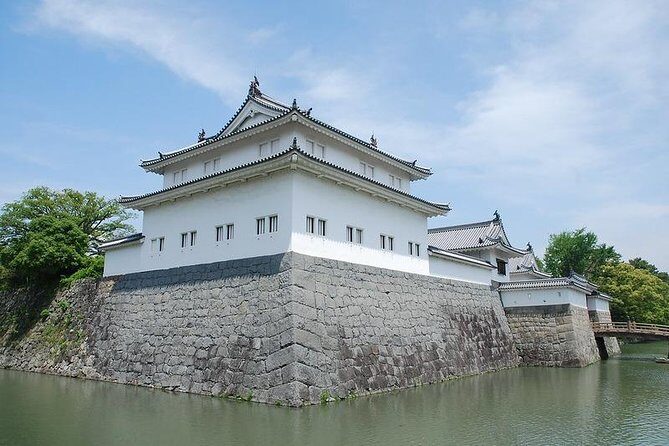
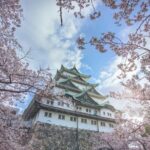
Next up is Inuyama Castle, the National Treasure on the itinerary. You’ll get a guided tour of the castle and also visit Sanko Inari Jinja Shrine and its wish-granting stone.
This is a nice combination because it balances “structure” and “story.”
- The castle visit gives you the historic stronghold context and the feel of what the site protected.
- The shrine stop gives you a local legend flavor, and it’s quick enough that it doesn’t drain time.
Inuyama Castle is often described as Japan’s oldest castle, which makes it an especially worthwhile anchor point for this day. It’s not just a place to take pictures; the guide can explain how the stronghold connects to the Oda clan period and why the site has lasted.
One practical note: castles mean stairs and walking. Even if you move at an easy pace, plan for a bit of uphill effort and give yourself time to look slowly at details rather than only scanning for postcard angles.
If you like history, this portion feels satisfying because the guide can explain more than dates. You start to understand why the layout matters.
Urakuen Garden and Joan Tea House: Matcha in a Designed Space
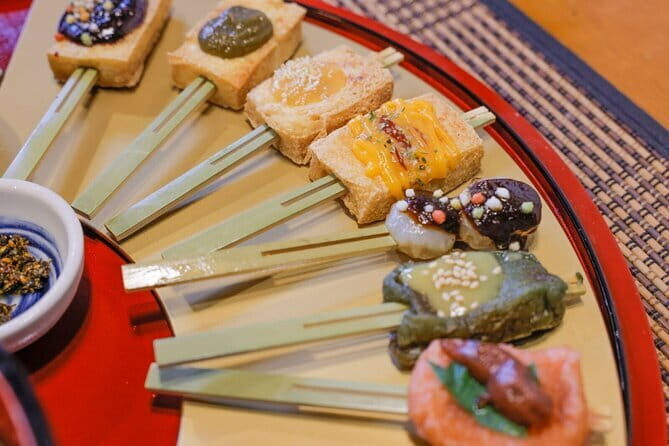
The final major stop is Uraku(en) Garden, where the tour focuses on the Joan Tea House, also listed as a National Treasure. This is the “soft landing” of the day.
Here’s what I find smart about ending with tea:
- You’ve been learning about metalwork and fortifications for hours.
- Tea gives you a different rhythm—quiet, sensory, and centered.
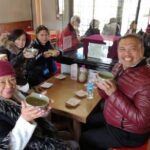
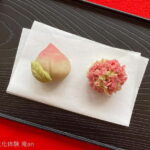
You’ll taste matcha along with a traditional Japanese sweet, guided by your tour leader. The pacing at this stage is usually gentler, which helps if you’ve been on the move since morning.
Also, if you’re the type who enjoys design and space, Urakuen is a reminder that Japanese culture often treats everyday rituals like art. Even when you don’t know the tea ceremony background yet, the experience nudges you to pay attention to forms, steps, and timing.

Price and Value: What $312.08 Is Really Paying For
At $312.08 per person, this isn’t a bargain-basement outing. It’s priced like a full private experience, and that price makes sense only if you take advantage of what’s included.
What you’re paying for, in practical terms:
- An English-speaking guide for the day
- Transportation during the tour
- Admissions for the listed stops
- Matcha experience
- Knife sharpening experience
When you add it up, you’re not just buying transit and tickets. You’re paying for a guided day that bundles skill-based learning with National Treasure sites and structured time in Inuyama.
A fair way to think about the value: if you tried to reproduce this day on your own, you’d spend time figuring out routes, entry costs, and how to join something like knife sharpening. Here, it’s handled for you.
There’s also a booking advantage: this tour is commonly booked well in advance (around 81 days on average). If you’re traveling in peak seasons, booking early is a good move.
Timing and Getting Around: A Day That Runs Like a Plan
This is about 8 hours total. The start time is 9:00 am from Nagoya Station. The tour generally returns to Nagoya Station around 4:30 pm for guests ending in Nagoya, with some options to continue to Takayama, extending the return to around 6:30 pm.
For you, the main takeaway is pacing. You can’t treat this like a casual stroll-everywhere day. It’s structured, and it includes travel time between stops.
Pickup is offered, and the meeting point is near public transportation at Nagoya Station. If you’re staying close to major transit lines, this kind of start is easy to integrate into your itinerary.
One logistical note that matters for comfort: because this is a full day with multiple paid stops, wear shoes you can walk in for an hour or more at a time. Even if the walking feels manageable, you’ll still be on your feet.
What the Guides and Driver Actually Make Better
This day-trip shines when the guide can connect the dots. In past experiences, guides like Kim and Emily have been praised for caring about the premium feel of the day—plus for explaining the craft and history in a way that made the schedule feel worth it, not just busy.
The driver, Asano-san, has also been noted for being skilled and patient. That’s not a tiny detail. When you’re traveling between Seki, Inuyama, and Urakuen, a smooth ride reduces stress and keeps the day on track.
If you prefer tours where you can ask questions and get thoughtful answers, this style fits.
Who Should Book This Tour (and Who Might Skip It)
This tour is a great fit if:
- You want both craft culture and historic sites in one day
- You like hands-on learning, especially the knife sharpening portion
- You’d rather have a guide handle the transitions between places
- You enjoy tea culture and want matcha as more than a random snack
It may be less ideal if:
- You only want free time and no structured experiences
- You strongly prefer lunch included in the price
- You dislike walking around castles and towns
Also, it’s described as suitable for most travelers, so it’s not framed as a high-adventure day. Still, you should expect normal walking and time on your feet.
Quick Checklist for Your Day
Here’s what helps you get the most out of it:
- Eat a small breakfast so you’re ready for the Seki start
- Plan lunch during the Inuyama free time since it’s not included
- Bring a way to handle a long day (water if you typically use it)
- Wear comfortable shoes for castle steps and town walking
- Have curiosity ready—this tour works best when you ask questions
Should You Book This Tour?
If you’re looking for one organized day that covers Seki swordmaking craft, Inuyama Castle, and an end-stop matcha experience at Joan Tea House, I think you’ll like the balance. The biggest reason to book is that the tour doesn’t stop at viewing. It gives you skill practice with knife sharpening and a guided explanation that ties the day together.
If your budget is tight, the price might sting. But if you value an English-speaking guide, scheduled admissions, and hands-on experiences, this is one of those “pay once, enjoy the whole day” plans.
FAQ
How long is the tour?
The tour is about 8 hours (approx.), including travel time between destinations.
What does the tour include?
It includes an English-speaking guide, transportation during the tour, admissions to all facilities listed in the itinerary, a matcha experience, and a knife sharpening experience.
Is pickup available?
Pickup is offered, and the start point is Nagoya Station near the listed address.
Do I need to pay for the castle and garden visits?
Admissions for the listed facilities are included, including Inuyama Castle and Urakuen Garden/Joan Tea House.
Is lunch included in the price?
No. Lunch is not included, and you’ll have free time in Inuyama to grab it.
Where does the tour start and end?
It starts at Nagoya Station and ends at Nagoya Station. Some guests may continue to Takayama, with the tour concluding later.
Is this a private tour?
Yes. It’s described as private, meaning only your group will participate.
What is the cancellation policy?
Free cancellation is available up to 24 hours in advance of the experience start time for a full refund. Changes inside 24 hours aren’t accepted and late cancellations aren’t refunded.
Can most people participate?
The tour says most travelers can participate.