Nagoya clicks fast when you have a local guide with plans. I love the mix of big-hitter sights like Nagoya Castle and the calm stop at a traditional garden, and I also love how the host tailors your day so it fits your interests. One thing to consider: tickets and transport aren’t included, so you’ll want a little cash for entry fees and any rides between areas.
This is a private experience, so you’re not stuck pacing around with a crowd. After booking, you’ll fill out a short questionnaire about your personality and what you care about most, and that’s what shapes the route. Guides like Kumi and TK are the kind who share context as you walk, not just names on a sign.
You can also choose how long to go, with options from 2 to 8 hours, which makes it easier to match your Nagoya time. The price is about $62.67 per person, and while it can look modest for a whole day of attention, the real value shows up if you use your host for smart navigation and local recommendations (especially for shopping and food).
In This Review
- Key Things That Make This Nagoya Private Tour Worth Your Time
- How a Local Shapes Your Nagoya Day (Instead of You Guessing)
- A small, practical drawback
- Getting Started at Nagoya Station: Easy Meeting, Low Stress
- Sky Promenade: Use the Skyline to Understand Nagoya
- What to watch for
- Nagoya Castle: Power, Politics, and Stories You Can Feel
- Possible drawback: you may need ticket planning
- A Traditional Garden Reset: Calm in the Middle of the City
- What you’ll get from a host here
- Sugawara Shrine for Scholarship: The Meaning Changes by Season
- Practical consideration
- Nittaiji Temple: Finding Zen Where You Least Expect It
- Drawback to keep in mind
- Osu Kannon and Atsuta Shrine: Two Big-Nagoya Options Your Host May Add
- How to decide between them
- Shopping Like a Local: 1,200+ Options and Smart Food Stops
- Where Sakae fits in
- The biggest drawback here
- Price and Value: What About $62.67 Per Person Really Buys
- My advice on value
- Who This Nagoya Tour Is Best For
- People who might want to plan differently
- Should You Book This Nagoya Private Tour?
- FAQ
- How long is the Nagoya private tour?
- How much does the tour cost?
- Where do we meet for the tour?
- Is this tour private or shared?
- What’s included in the price?
- Do I need to pay for attraction tickets and transportation?
Key Things That Make This Nagoya Private Tour Worth Your Time
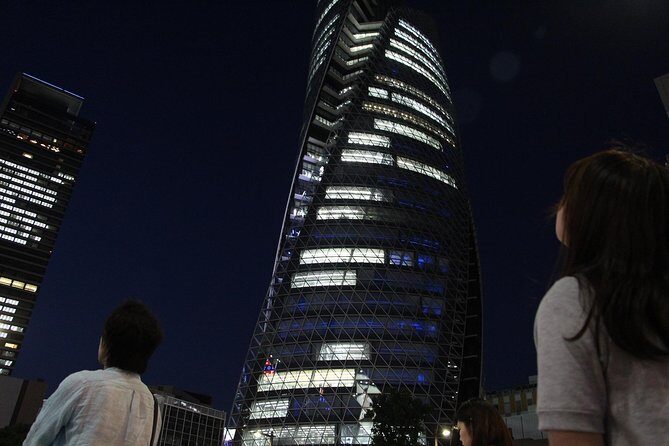
- Sky Promenade for orientation: You get skyline views early, so the rest of the city makes more sense.
- Nagoya Castle beyond photos: You’ll hear how ruling power shaped the city for centuries.
- Quiet breaks in the middle of urban Nagoya: A traditional garden and temple stops help you slow down.
- Scholarship-focused shrine timing: The Sugawara no Michizane connection matters, especially around exam season.
- Shopping with local direction: Your host can steer you to souvenirs and places to eat so you don’t wander hungry.
- Sakae for modern Nagoya energy: Department stores plus dining options make this a strong finish.
How a Local Shapes Your Nagoya Day (Instead of You Guessing)
Nagoya is one of those cities where you can plan a lot and still feel like you’re “just passing through.” A private guide changes that. You’re moving with someone who understands how neighborhoods connect, what’s worth your time, and what kind of details make a site feel real.
The big win is personalization. You’re not stuck on a rigid route where everyone does the same checklist. You’ll answer a questionnaire about what you like, and your host builds a plan around your interests. If you care about history, you’ll get that. If you care about culture and atmosphere, you’ll get that too. And if you want shopping and local snacks, the route can flex toward that.
You also get a walking-and-transport strategy. The experience includes walking, but if distances are awkward, your host can suggest public transport or private taxi options. That saves energy and prevents the common mistake of burning time figuring out how to get from A to B.
You can also read our reviews of more private tours in Nagoya



A small, practical drawback
Because it’s personalized, the exact places can change from person to person. That’s usually a good thing, but if you’re traveling with a strict must-see list, you’ll want to communicate that early so your host can prioritize it.
Getting Started at Nagoya Station: Easy Meeting, Low Stress
You meet at the Nagoya Station Tourist Information Center, located at 1-chōme-1-4 Meieki, Nakamura Ward, Nagoya, Aichi 450-0002. It’s a good starting point because it’s central and easy to reach, especially if your hotel is anywhere near major rail lines.
The tour ends back at the meeting point. That matters more than it sounds. It reduces the “how do I get back?” anxiety and lets you plan dinner without scrambling at the end of the day.
You’ll also receive a mobile ticket, so you’re not dealing with printouts. And if you’re staying somewhere central, hotel meet-up is available on request. Some hosts have even handled special timing needs for arrivals like cruises, which is a reminder that good communication can help you start on the right foot.
Sky Promenade: Use the Skyline to Understand Nagoya
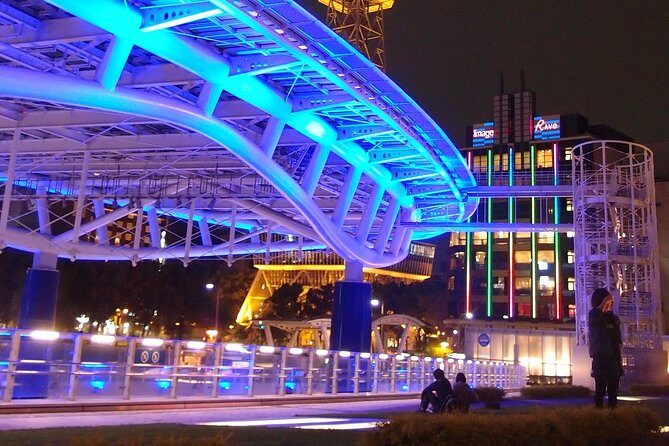
Most people think of observation decks as a one-time photo stop. This one works better because it sets the stage for everything after it.
From the top of Sky Promenade, you get a high, wide view of the city. That’s not just for looking. It helps you mentally map where things are. After you’ve seen Nagoya from above, later stops feel less scattered and more connected.
This is also a smart moment to ask your host questions. Even one or two good answers can prevent later confusion about which direction you’re headed and why certain neighborhoods feel different. I like starting with a view because it turns the day from random spots into a route that makes sense.
What to watch for
Observation decks can depend a lot on weather and time of day. If the sky is clear, it’s a strong first stop. If not, you might still get a useful layout view, but don’t count on dramatic visibility.



Nagoya Castle: Power, Politics, and Stories You Can Feel
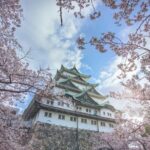
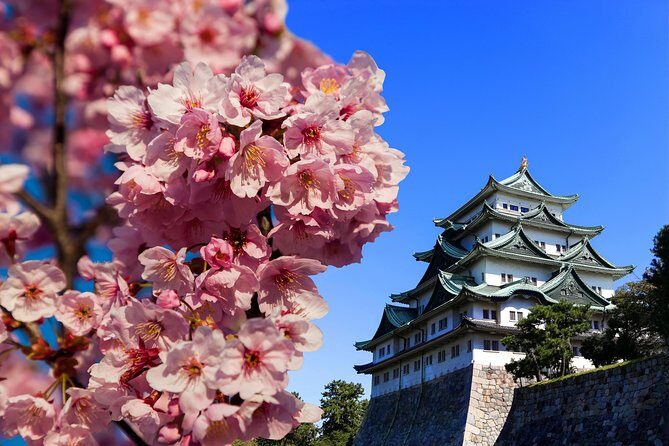
Next comes Nagoya Castle, and this isn’t presented as a quick photo wall. You’ll learn how the castle became a power center for the shogunal government for over 265 years.
That time period matters. When you understand that the ruling families ran the show from here, the castle doesn’t feel like a decorative landmark. It feels like a machine that shaped daily life in Nagoya—who had authority, where influence gathered, and why certain places developed the way they did.
There’s also a fun “if you’re lucky” element: you might catch a ninja demonstration. Even if you don’t, the context around the castle still gives you a reason to slow down and pay attention to details.
Possible drawback: you may need ticket planning
At least some attractions may require tickets that aren’t included in the tour price. So if you’re trying to hit a specific event schedule, confirm timing with your host so you don’t lose momentum.
A Traditional Garden Reset: Calm in the Middle of the City
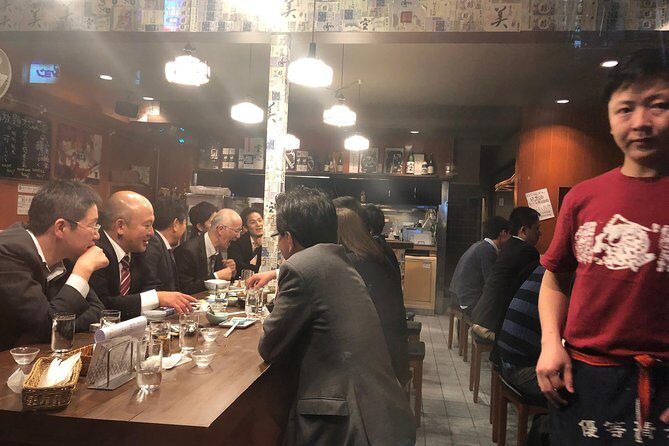
After the big landmark energy, you’ll hit a green break: a traditional Japanese garden tucked into the city. This stop is valuable because it changes your pace without wasting time.
Gardens in Japan aren’t just decoration. They’re arranged so you notice changes in perspective as you move. Your host can point out what to watch for—how the space is designed to feel balanced and serene even while you’re surrounded by urban Nagoya.
If your day is history-heavy, this kind of stop is what keeps everything from blending together. It gives you a mental reset and helps you take better photos too—because you’re calmer.
What you’ll get from a host here
The tour description doesn’t list specific garden features, but the core value is interpretation: you won’t just walk through. You’ll understand why it’s preserved and what the design is trying to do.
Sugawara Shrine for Scholarship: The Meaning Changes by Season

One of the more “you only get this on a local route” moments is the shrine dedicated to Sugawara no Michizane, known as the god of scholarship. During exam season, the shrine gets serious student attention from across the prefecture.
Even if you’re not traveling during exam season, this stop adds something different from temples that are mainly about aesthetics. It’s about hope and effort, and that gives the visit emotional weight.
Practical consideration
Seasonality can affect crowd levels. It can be calm or busy depending on timing. Either way, this is a good stop if you like cultural context over just landmarks.
Nittaiji Temple: Finding Zen Where You Least Expect It
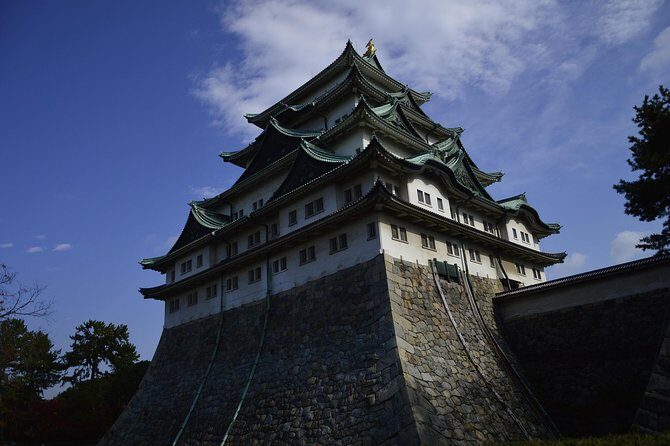
Then you’ll explore Nittaiji Temple, guided in a way that focuses on the sights and the feel of the place. This is the kind of stop that works well inside a personalized tour because it can be adjusted: if you want quiet and reflection, you can lean into that; if you want history, your host can bring the background into focus.
The name Nittaiji comes with a sense of depth, but what I like about this kind of temple visit is how it breaks up the day. Nagoya isn’t only castles and shops. A temple stop reminds you that daily life in Japan still has spiritual rhythms, right next to modern infrastructure.
Drawback to keep in mind
Temple grounds can mean more walking. If you’re booking the shorter end of the duration range (like 2 to 3 hours), your host may tighten the route. If you want time to wander slowly and sit, choose a longer duration.
Osu Kannon and Atsuta Shrine: Two Big-Nagoya Options Your Host May Add

Your route isn’t locked in. Depending on your interests, your host may include heavyweight spiritual highlights like:
- Osu Kannon Temple
- Atsuta Shrine, often described as 1900 years old and one of the most significant shrines in Japan
Both are excellent if you want a “Nagoya identity” day, not just a city sightseeing day.
How to decide between them
If you’re drawn to atmosphere and street-town energy, Osu Kannon can fit well. If you want a deep, longstanding spiritual landmark, Atsuta Shrine is a strong pick. Either way, having a host helps you get there efficiently so these stops don’t eat your whole day.
Shopping Like a Local: 1,200+ Options and Smart Food Stops
Then comes the part many people remember most: shopping and eating with a plan.
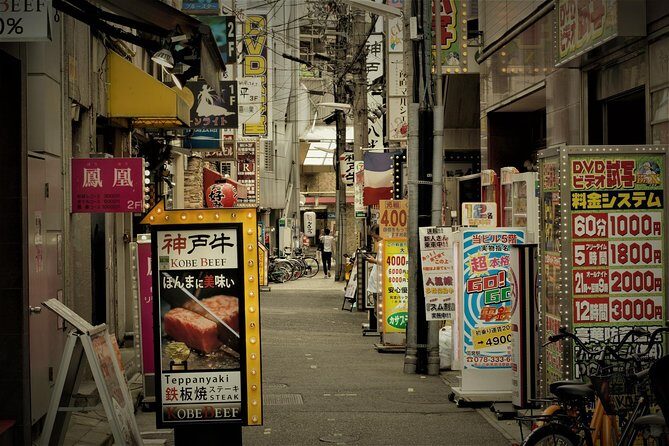
You’ll spend time in an area with over 1,200 shops and restaurants, which is exactly the kind of place where you can waste hours if you wander without guidance. Your host can recommend where to shop, what’s worth buying, and where to eat if you want local favorites.
This part of the day is practical value. Your guide isn’t just pointing at stores. They’re saving you from indecision, and they’re steering you toward things that fit what you actually like—souvenirs, snacks, and meals that feel local rather than generic.
Where Sakae fits in
Your itinerary also can include Sakae, Nagoya’s downtown district with multiple department stores and lots of dining. If you want modern Nagoya with easy indoor options, Sakae works well, especially if weather is mixed.
The biggest drawback here
Shopping districts are busy. If you’re sensitive to crowds or prefer quiet, ask your host to adjust the timing. You can also shorten the shopping portion and swap toward more temple or garden time.
Price and Value: What About $62.67 Per Person Really Buys
At $62.67 per person, this tour can feel like a small price for a private, personalized day. The key is understanding what’s included and what isn’t.
Included:
- A private and personalized experience
- Walking experience (with suggestions for public transport or taxis when needed)
- Hotel meet-up for central locations on request
Not included:
- Food and drinks
- Tickets to attractions
- Transportation costs
- Optional gratuities
So the money is paying for time, local guidance, and smart routing—not for entries, meals, or transit. If you plan to visit multiple ticket attractions anyway, that can balance out. If you don’t plan to pay for many sites, you may want to pick longer time blocks where your host can guide you through the parts that don’t require tickets, like gardens, neighborhoods, and shopping streets.
Also, you can sometimes benefit from group discounts, which can make the overall cost even more attractive if you’re traveling with friends or family.
My advice on value
If your goal is to see Nagoya but also to learn what matters, spend money on this. If your goal is only to check off a few famous photos quickly, you might find cheaper DIY options. The difference is context. A good host turns stops into a story you can repeat.
Who This Nagoya Tour Is Best For
This private tour style fits best if you want:
- A day that adapts to your interests (not a fixed script)
- Local advice for shopping and food
- Efficient routing between landmarks and quieter cultural stops
- Someone to explain what you’re seeing as you walk
It’s also a smart option for first-time visitors who feel overwhelmed by neighborhoods. Starting at Nagoya Station and building outward is an easy way to get your bearings fast.
People who might want to plan differently
If you hate walking or you only want one or two quick attractions, the flexibility may not help much. Also, since tickets and transportation aren’t included, you’ll want to budget for those separately.
Should You Book This Nagoya Private Tour?
If you’re visiting Nagoya and you want the city to make sense, I’d book it. The combination of skyline orientation, Nagoya Castle context, quiet stops like a traditional garden and temple time, and then local guidance through shopping and Sakae gives you a full “real day in Nagoya,” not just a sightseeing list.
Choose this especially if:
- You want a tailored route rather than a one-size plan
- You care about cultural meaning (like scholarship at Sugawara no Michizane)
- You want help finding good souvenirs and eating spots
- You value a guide’s storytelling, like Kumi’s cultural sharing or TK’s love of Japan and nature-focused explanations
Skip it (or scale down expectations) if:
- You’re trying to minimize extra spending beyond what you can do on your own
- You don’t want to handle tickets and transit costs separately
- You prefer a short, ultra-efficient itinerary with minimal walking
FAQ
How long is the Nagoya private tour?
It runs for about 2 to 8 hours, depending on your chosen duration and your personalized itinerary.
How much does the tour cost?
The price is $62.67 per person.
Where do we meet for the tour?
You start at the Nagoya Station Tourist Information Center at 1-chōme-1-4 Meieki, Nakamura Ward, Nagoya, Aichi 450-0002, Japan.
Is this tour private or shared?
It’s private. Only your group participates.
What’s included in the price?
The tour includes a private and personalized experience, a walking experience (with suggestions for public transport or taxi options if needed), and hotel meet-up for central locations on request.
Do I need to pay for attraction tickets and transportation?
Yes. Tickets to attractions, food and drinks, and transportation costs are not included.