REVIEW · KYOTO
Kyoto: 100% Private Custom Walking Tour (4/8 Hrs)
Book on GetYourGuide →Operated by DeepExperience, Inc. · Bookable on GetYourGuide
Four hours of Kyoto, fully tailored. This private 4–8 hour walking tour lets you steer the day, from the Fushimi Inari torii paths to calmer streets, with an English local guide shaping the pace to your style. You can go highlight-heavy or slow down for the quieter moments you’d usually miss.
I especially like the custom plan part. You can choose a leisurely stroll or a faster loop, and you can tell the guide what matters most: history, culture, photography stops, or simply wandering.
The biggest catch is simple: it’s a walking tour, so it’s not a good fit if you have low fitness or need mobility support.
In This Review
- Key highlights at a glance
- Why this Kyoto tour feels different than a fixed walking loop
- The pickup-and-dropoff setup that saves your brain cells
- Arashiyama: mountains, slower streets, and bamboo time
- Kinkaku-ji: seeing the Golden Pavilion without turning it into a race
- Kiyomizu-dera: a temple stop that works best at your pace
- Nijo Castle and Honmaru-goten: time for a proper look
- Fushimi Inari Taisha: torii walking with a crowd-smart plan
- Nishiki Market: where the tour becomes food you can trust
- The geisha-district style wandering and shrine stops
- Price and value: what $187 per person is really buying
- How guide quality can shape your day (and how to protect yourself)
- Tips to get your money’s worth on the ground
- Who should book this Kyoto private custom walking tour
- Should you book it?
- FAQ
- How long is the Kyoto private custom walking tour?
- Where does the tour start?
- Is the guide English-speaking?
- Is the itinerary fixed?
- Do I need to pay for public transportation?
- Are entrance fees included?
- Are meals included?
- What should I bring?
- What if I can’t find my guide at pickup?
- Is the tour suitable for people with mobility impairments or wheelchair users?
Key highlights at a glance
- Your route, your pace: adjust timing and focus based on how you want to spend the day
- Pickup with no guesswork: a guide meets you with a bright yellow DeepExperience logo sign
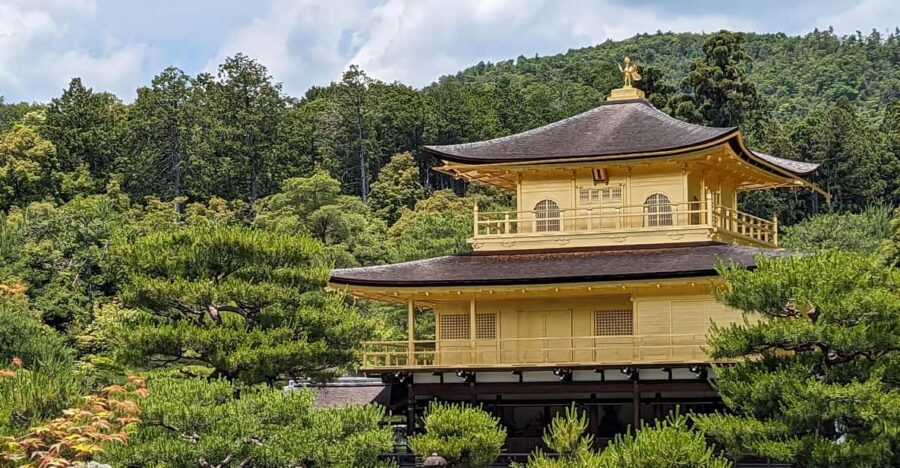
- Major sights plus side streets: mix big names like Kinkaku-ji with smaller stops your guide selects
- Photo-friendly, crowd-aware choices: you can ask your guide to help you avoid peak crush
- Food included in spirit: your guide selects authentic local cuisine that matches your needs
Why this Kyoto tour feels different than a fixed walking loop
Kyoto is the kind of city where the “best” route depends on you. Some people want icons and great photos. Others want quieter streets, practical pacing, and time to ask questions. This tour’s core promise is that you’re not stuck in someone else’s checklist.
That matters because Kyoto’s big-name areas can feel overwhelming fast—lines, crowds, and the constant temptation to rush. With a private guide, you can control the tempo: linger when something grabs you, and skip the parts that don’t. If you’re a foodie, you’ll get a plan that supports eating in the right places. If you’re more into culture and context, your guide can adjust what they emphasize as you walk.
The tour also has a human advantage: the guide isn’t just translating signs. You’re building a mini-program around what you care about.
You can also read our reviews of more walking tours in Kyoto


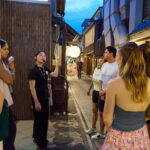
The pickup-and-dropoff setup that saves your brain cells
Getting started in Kyoto can be harder than it looks, especially if you’re hopping between areas. Here, pickup and dropoff are part of the deal, and you can arrange a custom location.
Your guide will hold a bright yellow DeepExperience logo sign. If you can’t find them, you’re told to contact the phone number provided. For me, that’s a big quality-of-life point: you’re not spending your first hour worrying about where to meet or which station is easiest.
One more practical plus: starting time can be adjusted to your preference. That lets you build your day around energy levels and what Kyoto does throughout the day (morning calm vs. later crowds, for example).
Arashiyama: mountains, slower streets, and bamboo time
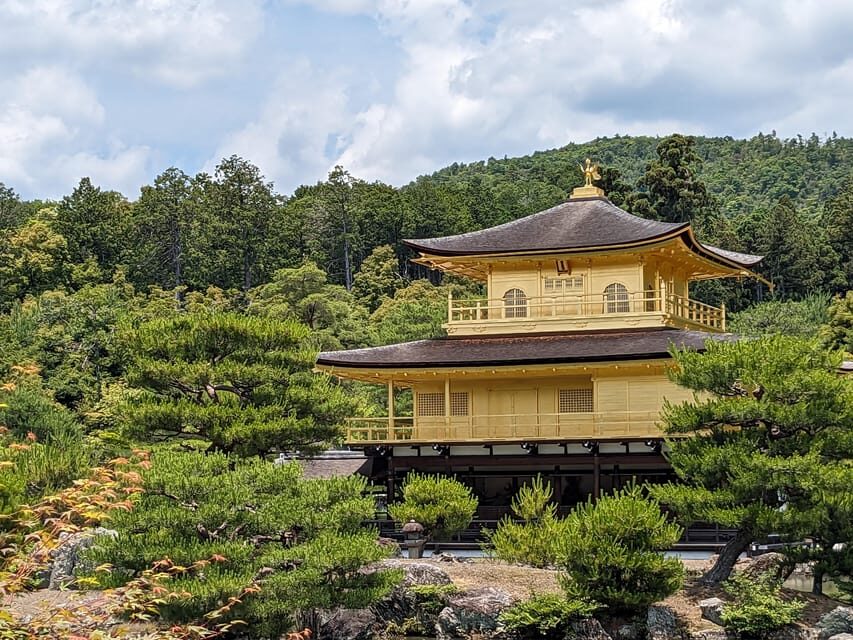
Arashiyama shows up twice in the tour flow—first as a guided walk in the area, and later for the Arashiyama Bamboo Forest stop. That’s useful because it gives you room for two different moods.
At the Arashiyama area portion, you’re walking with a guide through a part of Kyoto that feels like it’s set a little apart from the city center. The pacing tends to feel more like a “go take a walk and notice things” day, which helps if you don’t want every hour to be museum-speed.
Later, the Bamboo Forest experience is more focused: a guided stop that’s built around the iconic bamboo grove. If you care about photos, having a guide helps with timing and route choices—especially when the forest is packed. You’re not just arriving; you’re trying to make the most of the time you’re there.
Possible tradeoff: bamboo and big-name natural sights can attract crowds. The upside is that with a private guide, you can ask for crowd-aware timing and route tweaks instead of being stuck with whatever the group schedule is.
Kinkaku-ji: seeing the Golden Pavilion without turning it into a race
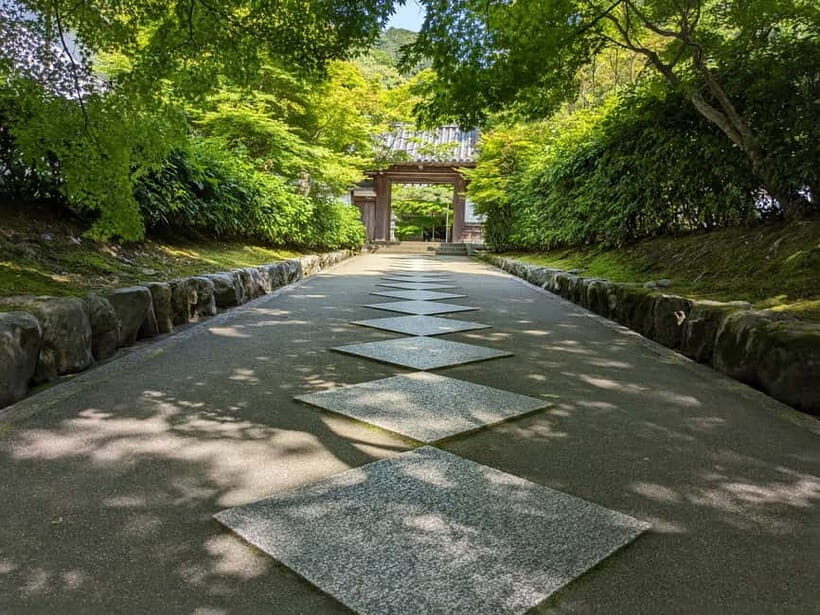
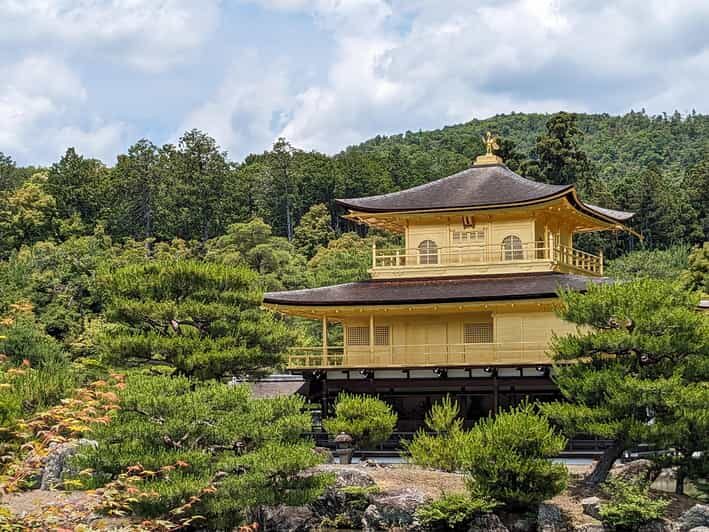
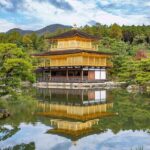
Kinkaku-ji is the famous Golden Pavilion, and the tour gives it a dedicated guided visit (about an hour). That hour matters because it’s enough time to actually look, take photos, and ask questions without feeling like you’re constantly checking your watch.
This is also where having an expert local guide earns its keep. When you’re moving with someone who knows how the area works, you can spend more time looking and less time figuring out what to prioritize.
One consideration: entrance fees and any site costs are not included and can vary depending on which spots end up in your custom plan. For Kinkaku-ji specifically, you should expect that the final total depends on what your guide adds to match your interests.
Kiyomizu-dera: a temple stop that works best at your pace
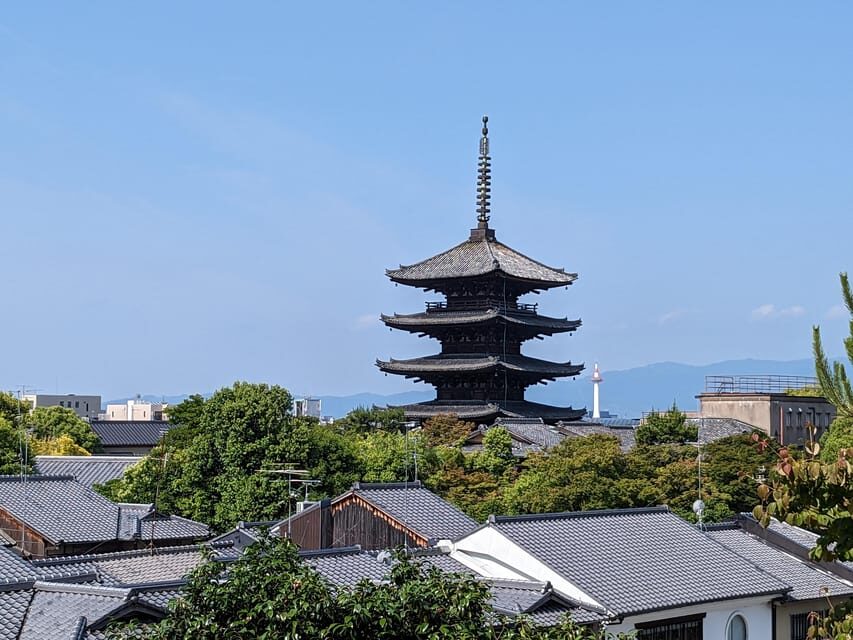
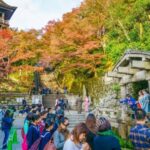
Kiyomizu-dera is included with guided time, but the real value here is how it fits your overall day. Kyoto temple areas often reward calm walking and attention to details, and a private guide helps you avoid the trap of sprinting through “to-do list” sights.
If you like learning as you go, your guide can focus on what you’re curious about during this stop—history, customs, how people experience the place day-to-day. If you’re more of a wander-and-watch person, you can keep it observational and let the guide point out the meaningful things you might otherwise overlook.
Practical note: this is still walking. The tour’s structure is built for comfortable shoes and a steady pace.
You can also read our reviews of more private tours in Kyoto
Nijo Castle and Honmaru-goten: time for a proper look
The tour includes Nijo Castle and the Honmaru-goten Palace stop, both with guided time. This pairing is a smart way to avoid the “I saw the outside, but I don’t really get it” problem.
Here, the benefit is not that you’re checking boxes. It’s that you’re getting guided context while you move through a larger complex. When you have a guide explaining what you’re looking at, you’re more likely to notice the small details that make castle/palace areas feel different from typical temple stops.
Again, entrance fees are not included and can vary based on what your custom itinerary chooses to cover. If you care about keeping the budget predictable, ask your guide ahead of time which stops are likely to trigger the bigger entrance costs.
Fushimi Inari Taisha: torii walking with a crowd-smart plan
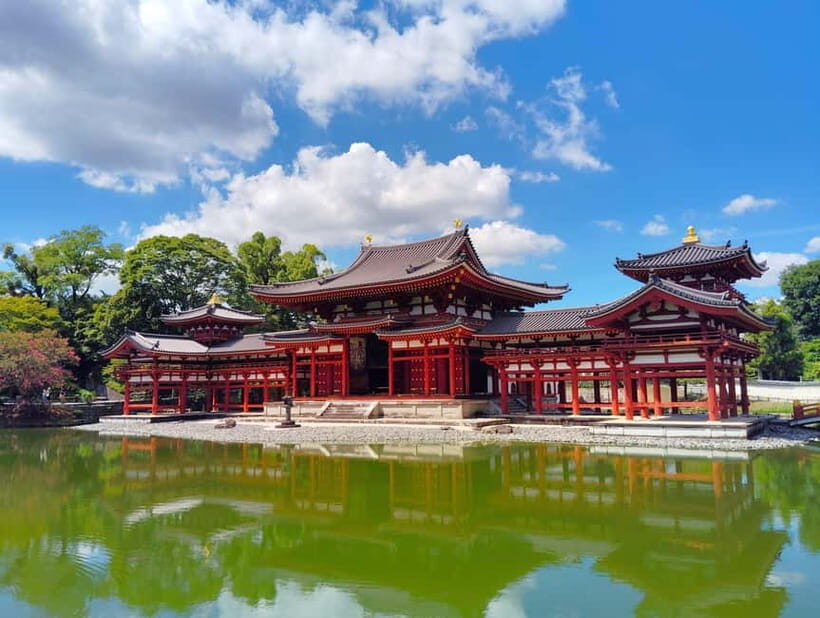
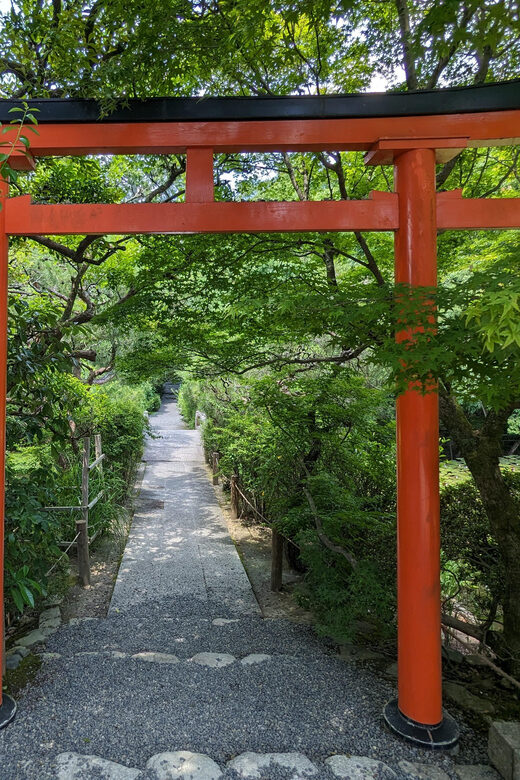
Fushimi Inari Taisha is famous for its thousands of vermilion torii gates. The tour includes a guided visit (about an hour), which is a good length for experiencing the main flow without burning your whole day.
This is another area where crowd management makes a noticeable difference. One of the strongest themes in the guide experience here is crowd-aware planning. In particular, a guide named Kina is described as tailoring the tour and helping avoid crowds as much as possible. That kind of approach can turn Fushimi Inari from a chaotic stampede into something you can actually enjoy.
Practical thought: torii paths are still walking, often on uneven ground. If you want to do the full route at the right pace, wear shoes you can rely on for a long trek.
Nishiki Market: where the tour becomes food you can trust
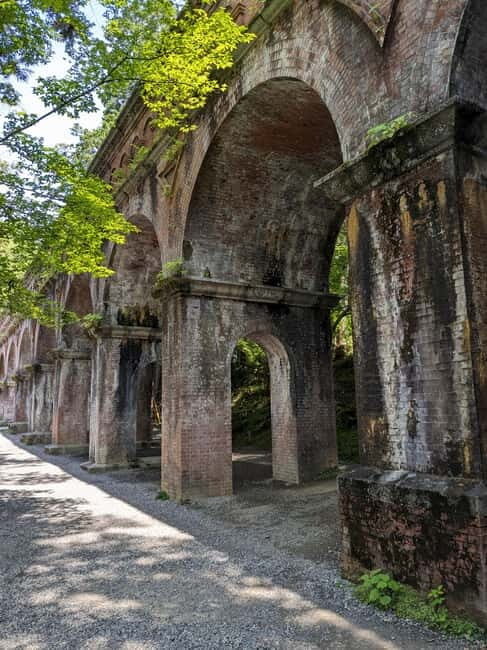
Nishiki Market is included with guided time (about an hour). This is where your guide’s role shifts from “route expert” to “what should I actually eat?” expert.
The tour description makes it clear that your guide selects authentic local cuisine based on your requirements. That’s especially valuable in a market environment where options are plentiful and it’s easy to end up in a spot that’s convenient but not great—or just not right for what you eat.
If you have dietary needs, this tour gives you a clear advantage because your preferences are meant to be built into the plan (your guide consults dietary requirements when designing the itinerary).
You should still plan for meals not being included in the package price. But if the guide picks places that match your tastes, you’re paying for direction, not guessing.
The geisha-district style wandering and shrine stops
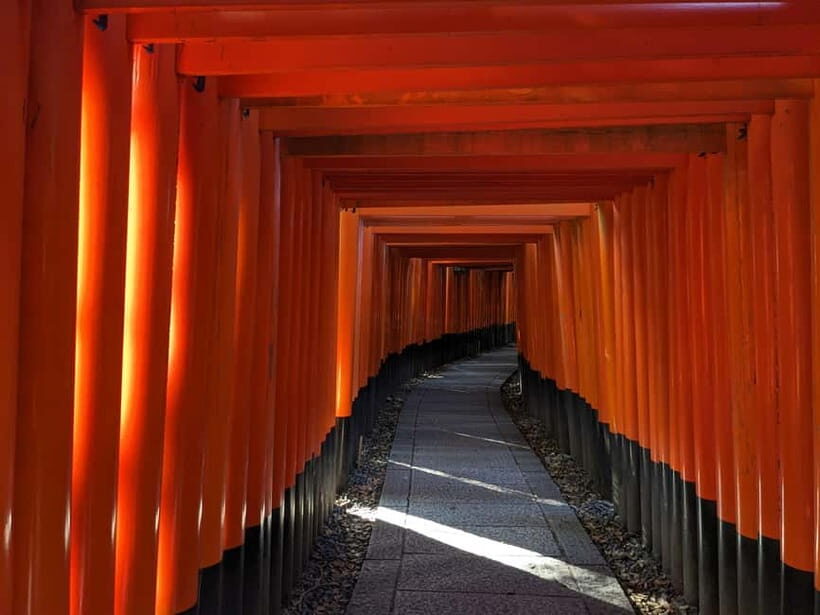
One of the tour’s promises is that your custom plan can include geisha districts and stops at unique shrines and temples tied to local customs. That’s a big deal if you want Kyoto to feel like a living city, not just a photo set.
Even if you don’t think you’re the type to care about “customs,” this style of walking helps you understand what’s going on around you. You’re not just looking at buildings—you’re learning how local people treat the spaces and rhythms.
Because this part is customizable, it’s the piece that can make the tour feel especially personal. If you’re not sure what you like, tell your guide what kind of atmosphere you want—quiet and reflective vs. lively street energy—and they’ll steer accordingly.
Price and value: what $187 per person is really buying
At $187 per person for a 4–8 hour private walking tour, you’re paying for more than sightseeing. You’re buying:
- A private English-speaking local guide
- A customized itinerary built around your pace and interests
- Pickup and dropoff (arranged to your preferences)
- Time that’s designed to reduce wasted effort: fewer wrong turns, less time sorting out logistics
Compared to a self-guided day, the value is strongest if you want structure without rigidity. If you already know exactly where you want to go and what you want to photograph, a guide may feel like extra cost. But if you’d rather stop worrying and enjoy the day, the private format can feel like a bargain.
One more angle: entrance fees and meals are not included, and transportation fees can apply for public transit or private transportation if needed. So think of the tour price as the “guided backbone,” not the full-day all-in cost.
How guide quality can shape your day (and how to protect yourself)
Because this is a private tour, the guide experience matters a lot. Two reviews highlight how big that swing can be. One guide experience credited Kina with tailoring the day, helping avoid crowds, and even going above and beyond by helping with dinner reservations even after the tour ended.
Another review had the opposite problem: a guide who didn’t know history well and wasn’t confident when the group asked questions. That doesn’t mean every guide is like that, but it does suggest you should be proactive.
Practical move: when you’re asked to share your must-sees and interests, also mention what kind of answers you want. If you want deeper context—history, cultural meaning, or practical details—say so. A good guide will match your expectations quickly.
Tips to get your money’s worth on the ground
This tour is designed to work best when you give your guide good input. After booking, you’re contacted to discuss your pickup location, starting time, travel style, spots you want, dietary requirements, and anything that could affect the plan. That means you’re not just reserving a time slot—you’re setting the route.
Here’s how I’d plan to maximize value:
- Bring cash (and keep a reasonable buffer for entrance fees and meals you choose)
- Wear comfortable shoes because every stop is walking time
- Be clear about your pace: leisurely stroll vs. getting as much as possible done
- Tell your guide what you want to avoid (crowds, overly long walks, or stops that don’t match your interests)
- If you care about food, mention it early along with any dietary needs
Also, check that you’re comfortable with a private, walking-focused format. It’s not aimed at people needing mobility support.
Who should book this Kyoto private custom walking tour
Book this if you want:
- A private guide who can tailor the day instead of forcing a fixed route
- A mix of major Kyoto highlights and quieter, guide-chosen stops
- A pace that matches you, with the ability to slow down or speed up
- Help handling food choices and timing in places like Nishiki Market
You might skip it if:
- You have limited mobility or low stamina (this tour isn’t suited to wheelchair users or people with mobility impairments)
- You prefer to browse entirely on your own without guided context
Should you book it?
If your ideal Kyoto day includes iconic sights like Fushimi Inari and Kinkaku-ji and you want breathing room to make it feel personal, I’d say this is a strong choice. The combination of customization plus pickup support is the kind of practical comfort that lets you enjoy the walking day instead of managing it.
Just go in with realistic expectations: you’re paying for a guide-driven experience, and like any guide service, quality depends on the individual. Share what you want upfront, bring comfortable shoes, and plan for entrance fees and meals on top of the tour price.
If you do that, you’re likely to end up with a Kyoto day that feels chosen, not scheduled.
FAQ
How long is the Kyoto private custom walking tour?
It runs for 4 to 8 hours, depending on the plan and your preferences.
Where does the tour start?
The tour includes pickup in Kyoto, and you can consult with the provider to arrange your pickup and drop-off location.
Is the guide English-speaking?
Yes, the tour includes an English-speaking local guide.
Is the itinerary fixed?
No. The tour is customized based on your interests, travel style, desired pace, and which spots you want to include.
Do I need to pay for public transportation?
Public transportation fees are not included, and private transportation fees are not included if applicable.
Are entrance fees included?
Entrance fees vary by which locations are included in your custom plan, and they are not included.
Are meals included?
Meals and drinks are not included, though the guide can select authentic local cuisine to match your requirements.
What should I bring?
Bring comfortable shoes and comfortable clothes, and have cash with you.
What if I can’t find my guide at pickup?
Your guide will be holding a bright yellow DeepExperience logo sign. If you can’t find them or circumstances change, you should contact the provided phone number.
Is the tour suitable for people with mobility impairments or wheelchair users?
No. It is not suitable for people with mobility impairments or wheelchair users, and it is also not suitable for people with low level of fitness or babies under 1 year.