REVIEW · TOKYO
Tokyo: Private Day Trip to Mount Fuji and Hakone
Book on GetYourGuide →Operated by Sky Land · Bookable on GetYourGuide
Mount Fuji in one packed day.
You’re paying for multiple real Fuji vantage points plus the ease of a private English-speaking driver who keeps the day moving. I like that the route mixes classic photo stops (shrines and viewpoints) with quieter nature breaks like Oshino Hakkai and Hakone’s lakes and valleys. The main drawback is simple: it’s a long day with plenty of walking, and the higher you go, the more you’ll feel it.
This is built for people who want convenience without giving up the big sights. The transport is by Jeep/SUV or van, with pickup from designated Tokyo wards (and the Mt. Fuji area) and drop-off back in the same broad zone. Entrance fees are included, so you won’t be scrambling for tickets mid-day.
A final note before you book: Fuji visibility depends on weather, and Hakone days can change fast when clouds roll in. The good news is the schedule has enough variety that you still get a full day of scenery, culture, and viewpoints even when Mount Fuji isn’t being fully cooperative.
In This Review
- Key Highlights Worth Your Time
- A Private Day That Actually Covers the Best Stops
- Getting Picked Up in Tokyo (and Why It’s a Big Deal)
- Arakura Fuji Sengen Shrine and Chureito Pagoda: Fuji Photos With Context
- Oshino Hakkai: The Calm Stop That Breaks the Day Up
- Lake Kawaguchi and Oishi Park: Timing the Water and Flowers
- The Road to Mt. Fuji 5th Station: What 3000+ Meters Feels Like
- Saiko Iyashi no Sato Nenba and Narusawa Ice Cave: Culture Meets Temperature
- Hakone by Ropeway and Lake Ashi: The Second Act of the Day
- Owakudani Valley: The One-Hour Reality Check in Hakone
- Gotemba Premium Outlets: A Smart Way to Use the Remaining Time
- Price and Value: Is $100 Per Person Fair?
- What to Pack (and How to Avoid the Usual Fuji-Day Problems)
- Who This Tour Best Fits
- Should You Book This Mount Fuji and Hakone Private Day Trip?
- FAQ
- How long is the Mount Fuji and Hakone private day trip?
- Is this tour private?
- Where can I get picked up in Tokyo?
- Do they offer drop-off after the tour?
- What transport is used during the trip?
- Are entrance fees included?
- What languages are offered for the driver/guide?
- Are drinks included?
- What should I bring?
- What’s the cancellation policy?
Key Highlights Worth Your Time
- Door-to-door pickup in Tokyo’s 23 wards makes the day feel easy and low-stress
- Arakura Fuji Sengen Shrine and Chureito Pagoda are the classic Fuji-photo stops
- Oshino Hakkai’s ponds and historic village houses give you a calm break from crowds
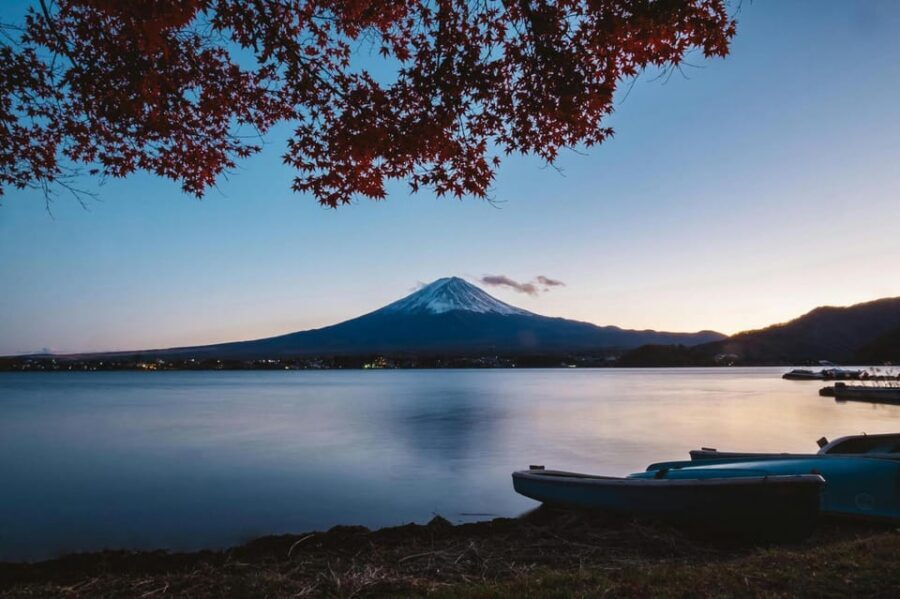
- Mt. Fuji 5th Station (3000m+) is the high-altitude payoff, even on a cloudy day
- Hakone Ropeway, Lake Ashi, and Owakudani Valley add a second wow-factor after the Fuji area
- Gotemba Premium Outlets is a practical 2-hour reset if you need shopping time
A Private Day That Actually Covers the Best Stops
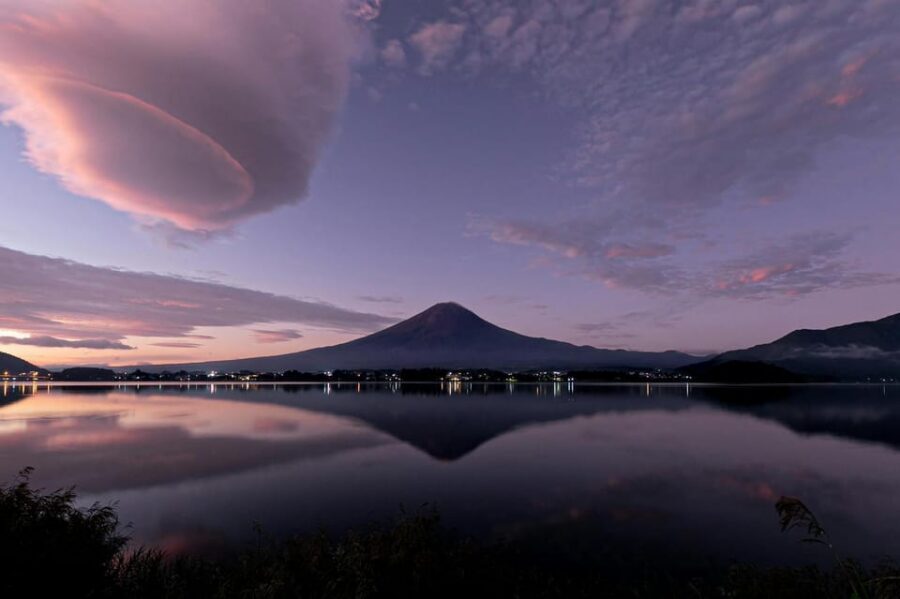
This tour is designed like a best-of sampler, but not a chaotic one. You’re in a private vehicle for the long drives, and that matters because Tokyo to the Fuji area eats time. You also get an English-capable guide/driver setup (English, plus Urdu, Arabic, Hindi, and Japanese), which helps if you want quick explanations instead of guessing.
The rhythm is: photo stops, short walks, one or two longer nature breaks, then more viewpoints. That pacing keeps the day from feeling like you’re stuck in traffic the whole time.
It also helps that entrance fees are included. You’re paying for the day’s access, not just driving you from one random spot to another.
You can also read our reviews of more private tours in Tokyo


Getting Picked Up in Tokyo (and Why It’s a Big Deal)
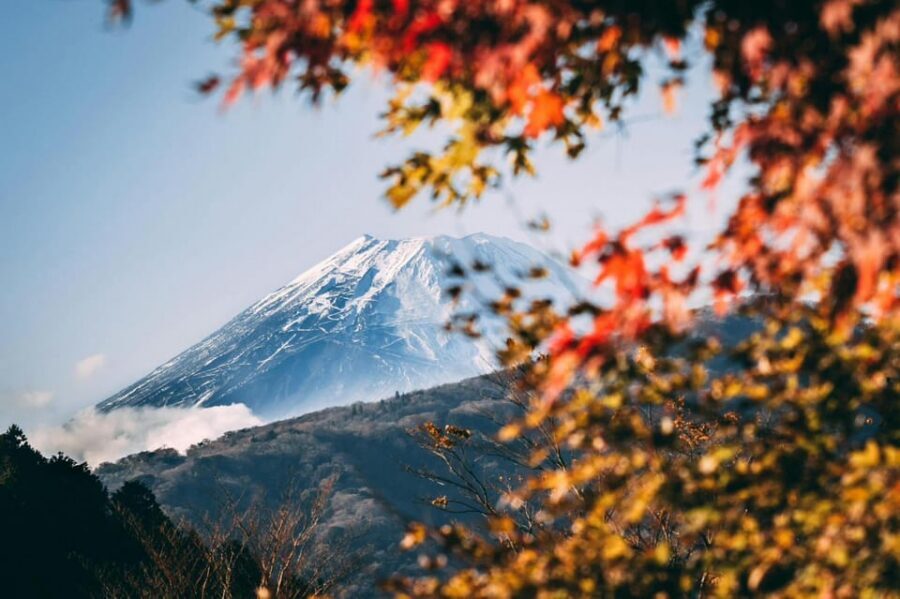
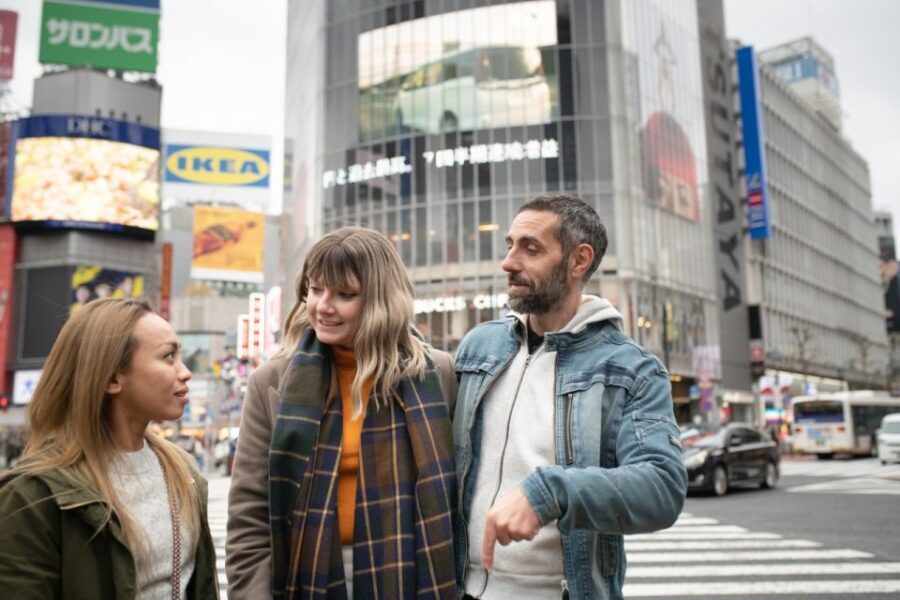
Pickup is offered from designated areas—most importantly, Tokyo’s 23 wards such as Shibuya, Shinjuku, Chuo, Chiyoda, Adachi, Edogawa, and others in that list. If you’re outside that zone, there can be a surcharge of JPY 5,000–20,000 paid before or on the day, so check where you’re staying.
Why do I care? Because a private Fuji day can fall apart if you have to meet a bus in an inconvenient location. Here, you get pickup and drop-off at designated locations, and the day ends with drop-off back near major Tokyo areas (including spots like Yokohama, Tokyo, and the broader Fuji/Hakone zone depending on your option).
Your start time varies based on availability, and the tour is scheduled as a 10-hour day. That’s just enough time to see multiple regions (Fuji first, then Hakone), but not enough for major detours.
Arakura Fuji Sengen Shrine and Chureito Pagoda: Fuji Photos With Context
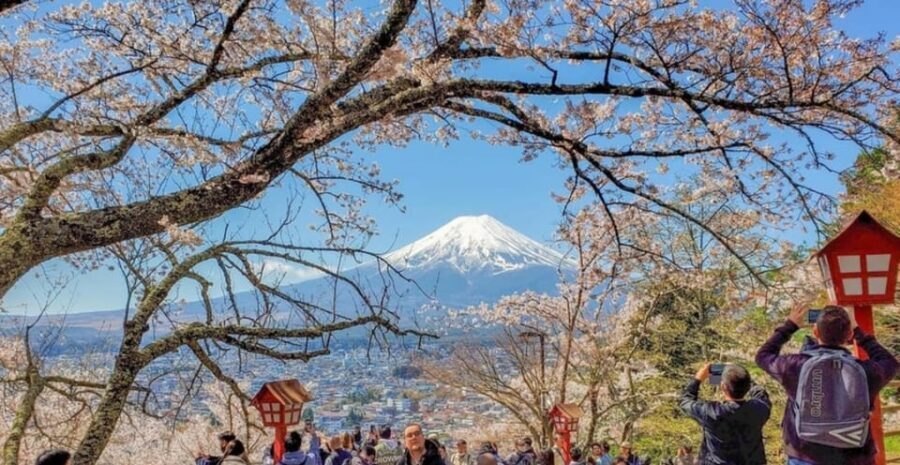
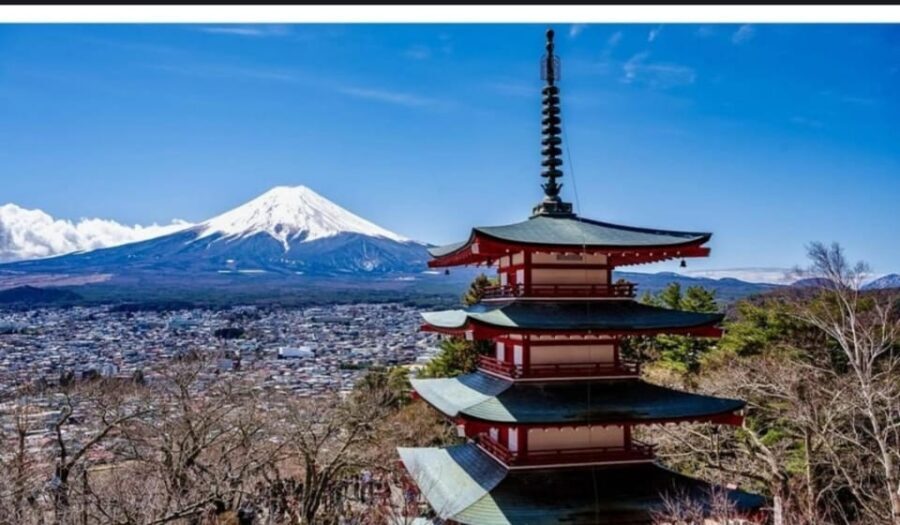
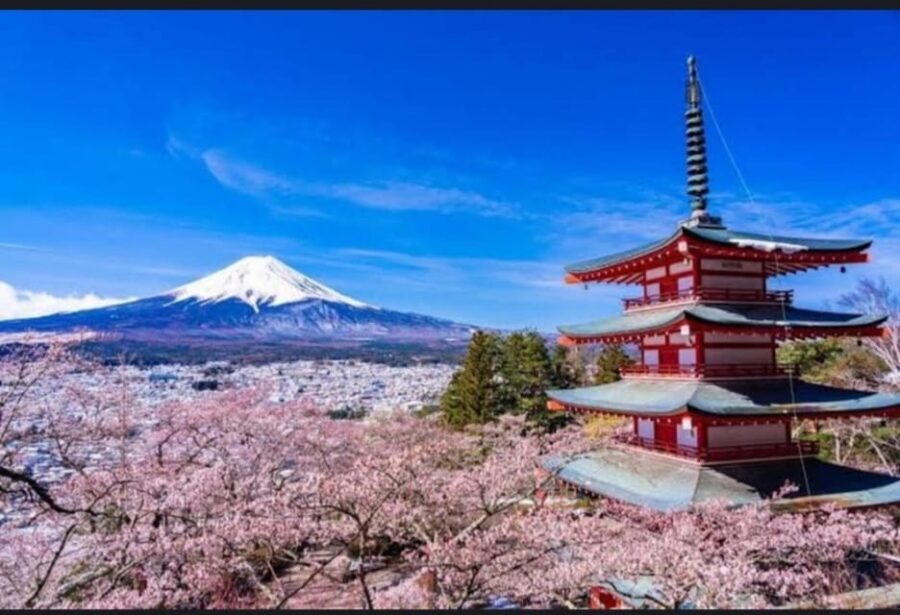
Two of the most recognizable Fuji-linked stops are Arakura Fuji Sengen Shrine and Chureito Pagoda.
At Arakura, you get a 45-minute window to walk, take photos, and soak in the views. This is one of those places where the scenery works both ways: even if Fuji is partly hidden, you still get the shrine atmosphere and the “look around and find your angle” feel.
Chureito Pagoda is built for photo time. Expect a photo stop plus about 45 minutes for visiting and walking. This is the kind of stop where you’ll want your camera ready early—small changes in light and cloud cover can make a big difference.
Practical tip: wear comfortable shoes and don’t count on one single perfect shot. Build in time for a second angle, a lower viewpoint, and a quick pause for breathing.
Oshino Hakkai: The Calm Stop That Breaks the Day Up
If you’ve only ever seen Fuji in images, Oshino Hakkai adds the “wait, this is real life” feeling. You’ll spend around 30 minutes admiring the pond system and traditional-looking houses in the village setting.
The value here isn’t just photos. It’s the break. After the rush of shrine steps and viewpoint hopping, this stop gives you a slower pace and a different kind of beauty—quiet water, calm lanes, and that sense of being away from the highway mindset.
Another perk: short visit times are easier on timing. With this kind of day, you want a few stops that don’t drain you. Oshino Hakkai does that.
Lake Kawaguchi and Oishi Park: Timing the Water and Flowers
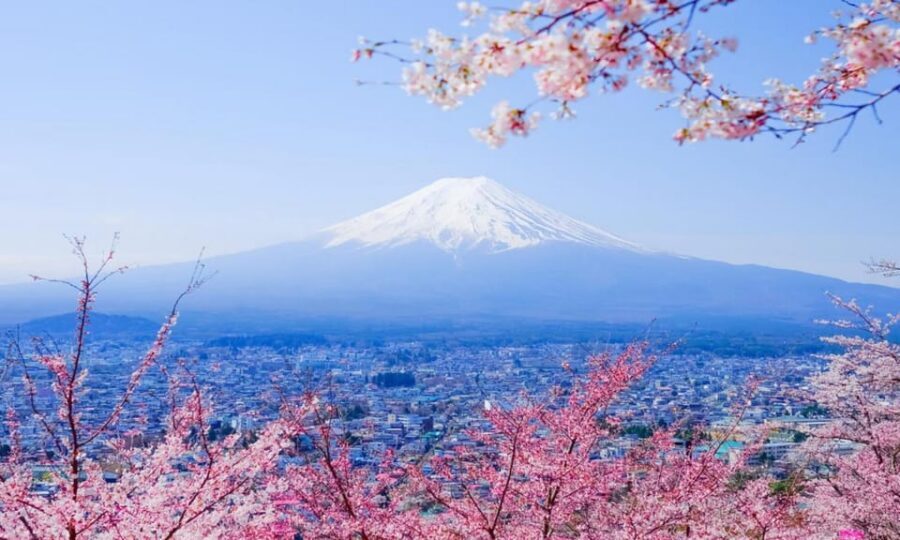
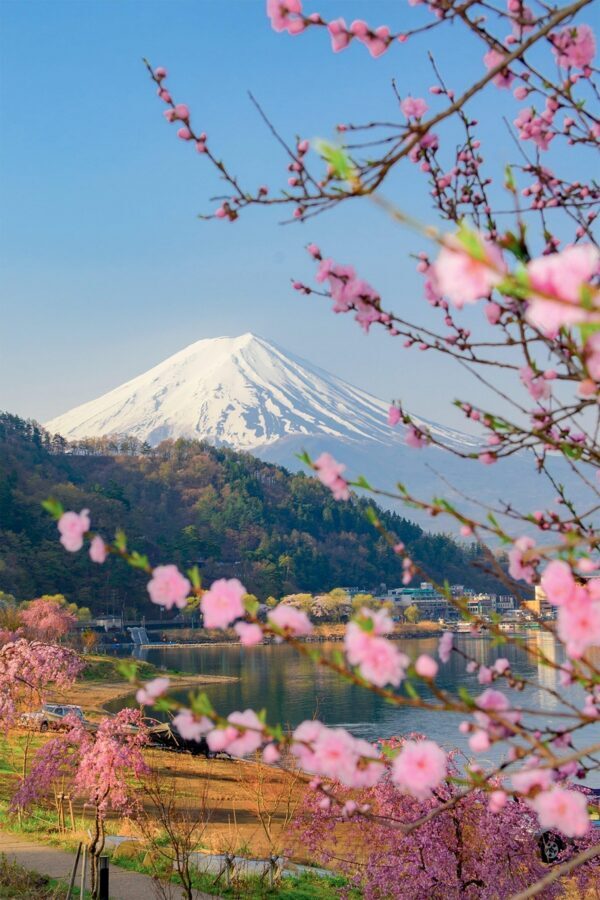
Lake Kawaguchi and Oishi Park are where the day’s “big views” usually show up best. Lake Kawaguchi is noted as a must-see, and you get a photo stop plus time to visit and walk. Oishi Park follows with time to enjoy fresh flowers and Mount Fuji views.
One thing to keep in mind: flower season changes what you’ll see. The tour doesn’t promise one specific bloom, but the park is set up for that seasonal display look. If you’re visiting outside peak bloom, you might still get the view and the walk, just with fewer dramatic color moments.
If Fuji is showing, these stops can feel like the payoff phase of the trip. If Fuji is hiding, you’ll still get a lake-and-mountain mood that works well for photos and slow strolling—especially with a warm layer.
A few more Tokyo tours and experiences worth a look




The Road to Mt. Fuji 5th Station: What 3000+ Meters Feels Like
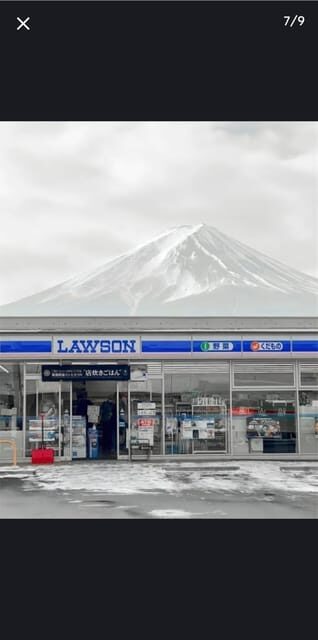
The highlight many people book for is Mt. Fuji 5th Station, reached by vehicle at the highest point the transport can go. It’s described as more than 3000 meters high, and the stop includes photo time, sightseeing, walking, plus a safety briefing.
This is the moment where your “Fuji day” becomes a real elevation experience. Even if you’ve been fine at ground level all morning, the altitude can change how you feel—your breathing, your energy, and how quickly you get cold.
So I strongly recommend warm clothing. The tour specifically warns it can be cooler at higher elevations, and that matches what you’ll likely notice once you’re up there. Bring water too. It’s a small thing that prevents the day from turning into a low-energy scramble.
What if it’s cloudy? You’ll still have a viewpoint stop and a high-altitude setting. The experience isn’t only about seeing a perfectly clear cone.
Saiko Iyashi no Sato Nenba and Narusawa Ice Cave: Culture Meets Temperature
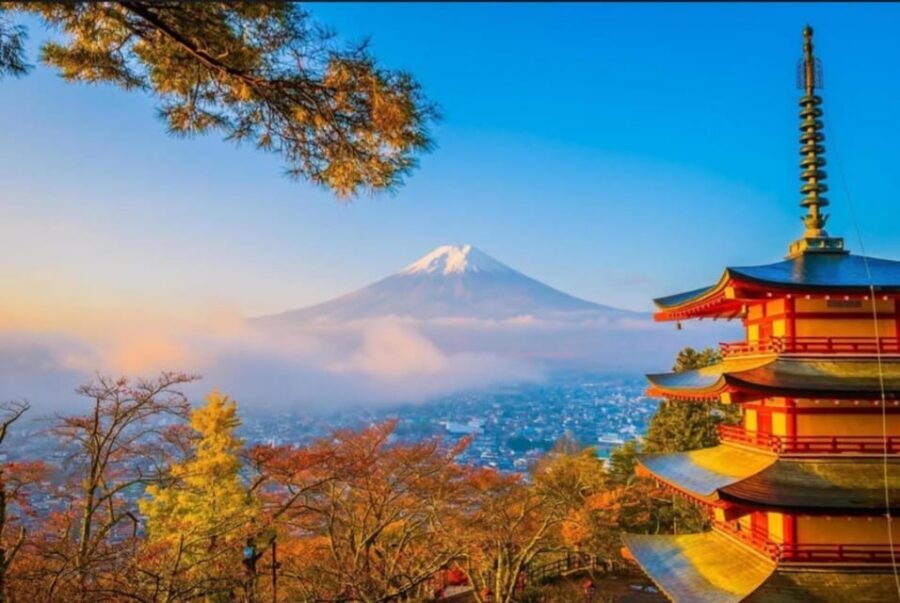
Right before the Mt. Fuji 5th Station phase, the schedule includes a 45-minute demonstration related to how Japanese ancestors lived in the village area called Saiko Iyashi no Sato Nenba. Even if you’re not a “museum person,” demos like this are useful because they translate what you’re seeing into human context. You’ll understand the place more quickly than if you just pass by it.
Then there’s Narusawa Ice Cave, with time for visiting, sightseeing, and walking. An ice cave stop is a good balance in a day like this: it breaks the “outdoor viewpoint” pattern and adds something sensory—cooler air, different textures, and a setting that feels distinct from lakes and ropeways.
Bring a second layer if you run cold. If you’re the kind of traveler who overheats easily, you might still want a light outer layer because temperatures can shift even within short stops.
Hakone by Ropeway and Lake Ashi: The Second Act of the Day
After the Fuji-focused portion, the tour leans into Hakone. You’ll include the Hakone Ropeway (about 1 hour total in the plan, with hop-on hop-off stop time), plus sightseeing at Lake Ashi for about 1 hour.
This is where the day stops being “one mountain” and becomes “a whole region.” Ropeways also give you a different viewing angle without needing long hikes. If your legs are already tired, this kind of transport is a smart way to keep energy for viewpoints.
Lake Ashi works best if you give yourself time to watch the water and the shoreline. Even small movement on the lake can make photos more interesting than a static shot.
Owakudani Valley: The One-Hour Reality Check in Hakone
Owakudani Valley is scheduled as a break time and visit for about 1 hour. This stop tends to feel dramatic because it’s different from the lakes and parks—more intense atmosphere, active geothermal vibes (based on what Hakone is known for), and a place where you’ll likely want to walk and look around rather than stay planted.
The best way to enjoy Owakudani is to treat it like a “stand in the moment” stop. Quick photos are fine, but also slow down. You’ll learn more by watching how the area changes with your own location than by just snapping one picture.
Gotemba Premium Outlets: A Smart Way to Use the Remaining Time
Gotemba Premium Outlets is a 2-hour break for shopping, sightseeing, and walking. If you want practical souvenirs, snacks, or just a place to reset, this can be a helpful landing spot at the end of a long day.
Also, if the weather is rough and Fuji views are limited, a shopping stop can be a morale saver. In the feedback examples tied to this day, drivers have been described as adjusting the experience when weather conditions weren’t ideal—having an established break like Gotemba helps make that flexibility actually useful.
Price and Value: Is $100 Per Person Fair?
At about $100 per person for a private 10-hour day, this isn’t cheap, but it can be good value if you compare it to cobbling together trains, tickets, and taxis on your own.
Here’s what you’re buying for the price:
- Private Jeep/SUV or van transport for a long day
- Pickup and drop-off at designated locations
- Entrance fees included for the listed stops
- A private guide/driver setup that works in English (plus several other languages)
What’s not included is drinks. You’ll want to plan on buying water separately if you run through yours.
So when does the price feel best? If you’re traveling as a small group (or even solo) and you value time savings and stress reduction. If you’re comfortable planning your own transit and don’t mind delays or multiple transfers, then the “value” shifts. But if you want a straightforward day with a set plan, this pricing can make sense.
What to Pack (and How to Avoid the Usual Fuji-Day Problems)
The tour is clear about basics:
- Comfortable shoes
- Warm clothing
- Camera
- Water
Use that list like a checklist, not a suggestion. Mt. Fuji 5th Station plus ropeways, caves, and walking stops can turn “a bit of walking” into something you feel in your calves.
Also note the on-vehicle rules: no smoking, no food in the vehicle, and no alcoholic drinks. That’s not unusual, but it’s good to know so you don’t show up with snacks you planned to eat during transit.
Weather can change fast between Tokyo, the Fuji area, and Hakone. Plan for layers. If you check one thing before leaving, check the forecast—but also expect that clouds can shift from morning to afternoon.
Who This Tour Best Fits
This is a great fit for:
- People who want private comfort and door-to-door convenience
- Travelers who like mixing shrine culture with nature stops and viewpoints
- Anyone who wants a structured day without spending time mapping routes
It’s less ideal if you:
- Need wheelchair access (this tour is listed as not suitable for wheelchair users)
- Have back problems or other mobility limitations (it’s listed as not suitable)
- Are pregnant (also listed as not suitable)
- Prefer a slow, unhurried day with minimal walking
If you’re in good shape for short walks and you’re okay with a packed schedule, you’ll probably love the variety.
Should You Book This Mount Fuji and Hakone Private Day Trip?
I’d book it if you want one organized, private day that hits both Fuji and Hakone without making you juggle train schedules. The entrance-fee inclusion, pickup/drop-off coverage in Tokyo’s 23 wards, and the presence of both cultural stops (shrines and a village-life demonstration) and big scenic payoff (Lake areas, 5th Station, ropeway and lakes) make it feel built for visitors who want value in the form of time saved.
I’d think twice if you hate long days or you get uncomfortable with elevation and walking. This isn’t a sit-in-the-car-and-look-through-the-window kind of tour.
If you’re flexible about Fuji-perfect weather and you pack warm layers, this tour has a strong chance of giving you a memorable day—full of viewpoints, quiet breaks, and that Tokyo-to-Japan-outdoors transformation you came for.
FAQ
How long is the Mount Fuji and Hakone private day trip?
It runs for 10 hours.
Is this tour private?
Yes. It’s a private group.
Where can I get picked up in Tokyo?
Pickup is available from designated Tokyo wards and cities, including Shibuya, Shinjuku, Chuo, Chiyoda, and many others. The list is provided for Tokyo’s 23 wards, plus Mt. Fuji area options.
Do they offer drop-off after the tour?
Yes, drop-off is available at designated locations, including options around Tokyo and other listed areas.
What transport is used during the trip?
You travel by Jeep/SUV or van.
Are entrance fees included?
Yes. All entrance fees are included.
What languages are offered for the driver/guide?
The tour lists English, Urdu, Arabic, Hindi, and Japanese.
Are drinks included?
No. Drinks are not included.
What should I bring?
Bring comfortable shoes, warm clothing, a camera, and water.
What’s the cancellation policy?
Free cancellation is available up to 24 hours in advance for a full refund.