REVIEW · TAKAYAMA
Takayama: Edo-Period Old Town Walking Tour
Book on GetYourGuide →Operated by Happy Plus Corporation · Bookable on GetYourGuide
Takayama’s old streets tell stories fast. This Edo-period merchant town walking tour helps you read what you’re seeing, with street-level explanations that make the old buildings and layouts suddenly make sense. I really liked how the guide focuses on everyday life and trade (not just big dates), but the big drawback to consider is that at about 45 minutes, it can feel short if you’re hoping for lots of stops.
This is a great “starter tour” for Takayama because it gives you a simple framework for what makes this town different from other historic Japanese places. The wording is friendly and the pace is practical, so you’re not stuck in a lecture while rain or sun beats on the street. The tour runs in English, and you’ll be free to use the new context for the rest of your visit.
In This Review
- Key Things You’ll Notice on This Takayama Walk
- Why Takayama’s Edo-Era Merchant Streets Feel Different Than You Expect
- Where You’ll Meet and How to Start Without Stress
- What Happens During the Walk (and Why the Structure Works)
- Reading the Streets: Daily Life and Town Planning Clues
- Edo Period Context Without the Overload
- Language, Pace, and the Role of the Guide
- Price and Value: Is $43 Worth 45 Minutes?
- What This Tour Is Best For (and When to Skip It)
- Should You Book This Takayama Old Town Walking Tour?
- FAQ
- How long is the Takayama Edo-Period Old Town Walking Tour?
- What language is the tour in?
- Does the tour run in bad weather?
- What is included in the ticket price?
- Is food or drinks included?
- Where do I meet for the tour?
- Is the tour wheelchair accessible?
- What are the cancellation and payment options?
Key Things You’ll Notice on This Takayama Walk
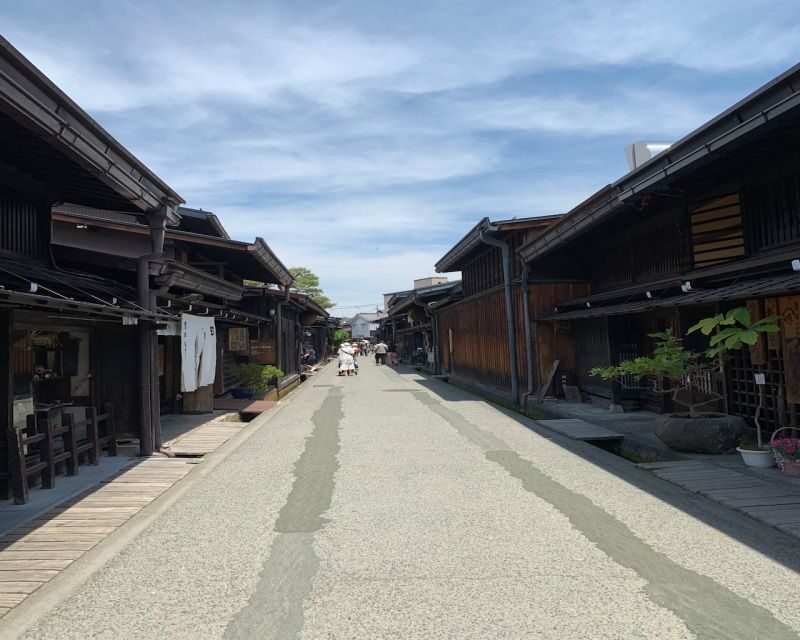
- How Takayama grew as a merchant town during the Edo period, not a castle-centered world
- Town planning you can actually see in the street layout and how people moved around
- Meaning behind everyday sights, from ordinary-looking building features to local customs
- A guide that connects dots quickly, so facts stick instead of piling up
- A compact 45-minute format, ideal for a first pass through the old town
- Built-in flexibility, since the walk can run a little longer depending on questions
Why Takayama’s Edo-Era Merchant Streets Feel Different Than You Expect
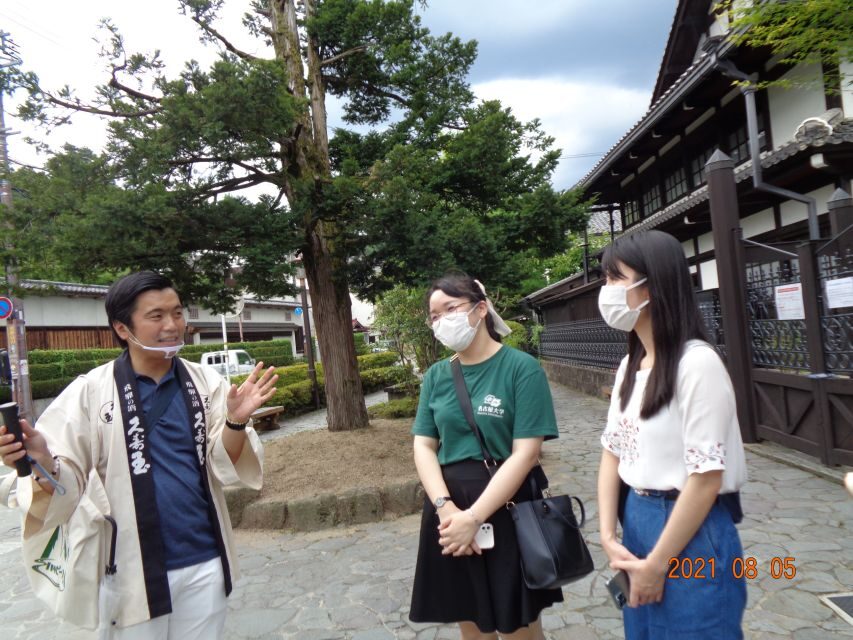
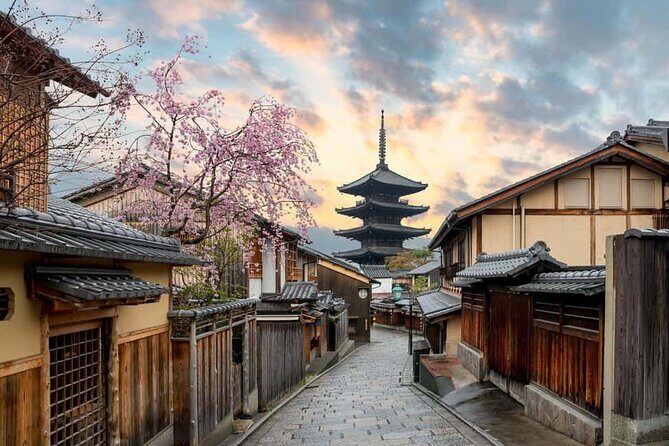
Most historic Japan tours focus on castles, samurai, or the loud parts of power. This one turns the volume down and pays attention to merchants, craftsmanship, and daily life—the kind of stuff that shapes a town in ways you can still feel today.
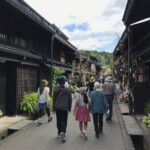
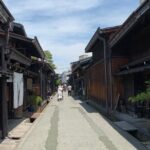
Takayama’s Edo-period identity was built by trade and working people. That matters because it changes what you should look for. Instead of scanning for grand defensive architecture, you start noticing how a commercial town “thinks”: where people likely went to buy and sell, how street space supported work, and how everyday routines shaped the look of the area. Once that lens clicks, the old streets stop being just a pretty background for photos and start reading like a functioning town.
I also liked that the guide keeps it practical. You’re not hit with heavy timelines. You get a clear story you can carry as you wander afterward—what kind of place this was, why it grew, and why certain details got preserved.
You can also read our reviews of more walking tours in Takayama


Where You’ll Meet and How to Start Without Stress
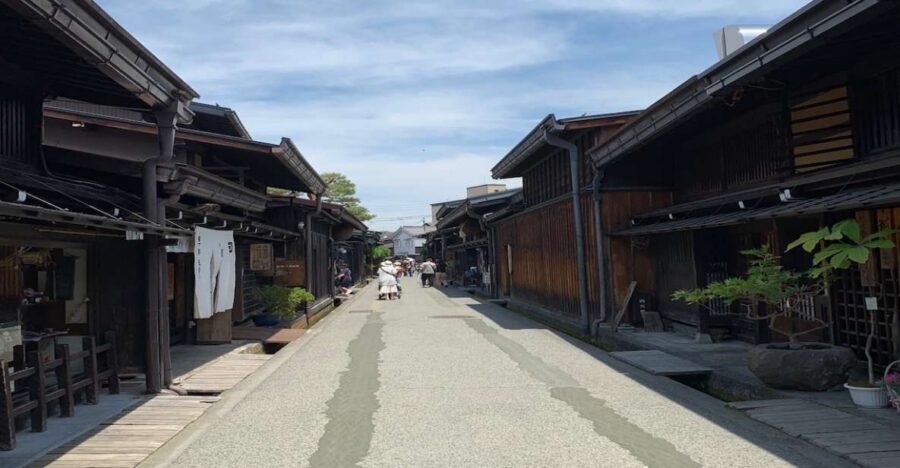
This tour keeps logistics simple. You meet in front of the Tours & Activities sign board, and the easiest way to find it is to search happyplus in Google Maps. That’s useful because Takayama’s old streets can make you feel like you’ve walked in circles—so starting at the right spot is worth doing.
Timing is another plus. The scheduled time is about 45 minutes, but it may run slightly longer depending on crowd flow and your questions. That means you’re not forced to sprint through history. You can ask follow-ups without feeling like the guide is speed-running the whole story.
Also, the tour takes place rain or shine. If you’re visiting in a season with surprise showers, bring a compact umbrella or rain layer and don’t treat the weather as a reason to skip the orientation. Short walking tours are often the best way to keep momentum when plans get messy.
What Happens During the Walk (and Why the Structure Works)
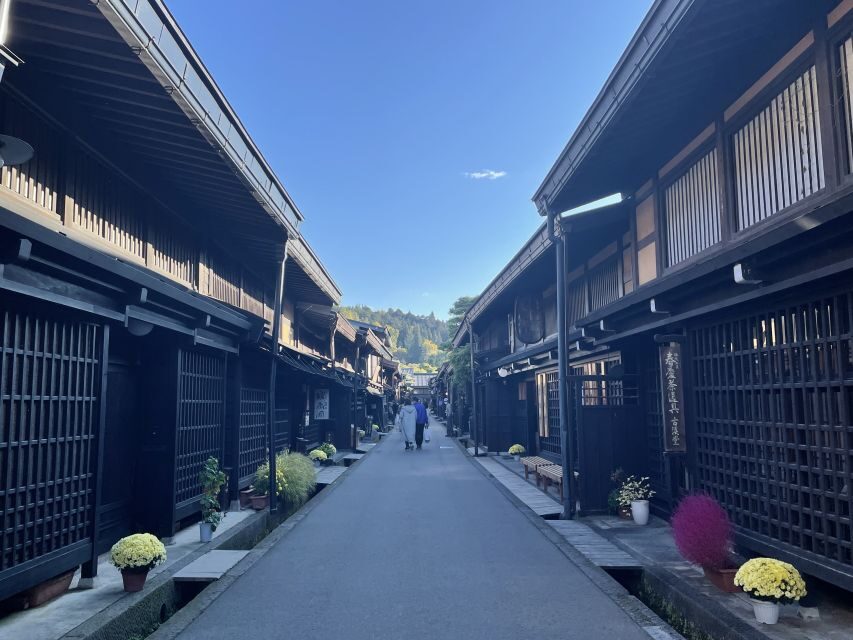
Even though this is a short tour, it’s designed to give you context, then help you see the town through that context as you walk. Here’s the rhythm you should expect.
First, you get the big picture: why Takayama became a merchant town in the Edo period, and what that means in terms of daily life. The guide then helps connect trade and craftsmanship to the physical space around you. This is the key value—when you understand the “why,” the “what” of old streets becomes easier to interpret.
Next comes the interpretive part: you’re shown how to read details that look ordinary at first glance. The tour isn’t trying to impress you with obscure trivia. It’s aiming for recognition. You’ll learn why certain parts of buildings and town layout matter, and you’ll hear about local customs that explain how people likely lived and worked.
Finally, the guide adds light context about what came before and after the Edo period. That doesn’t turn the walk into a full history lesson. Instead, it gives you just enough background to understand Takayama’s development and how it differs from other historic towns in Japan. That contrast is what helps you avoid the common problem of mixing up towns in your head later.
Reading the Streets: Daily Life and Town Planning Clues
This tour’s strongest feature is how it helps you notice things you would otherwise walk past. The guide talks about how daily life, trade, and town planning shaped the old streets. That’s a mouthful, but on the ground it’s simple: the way a town is built usually reflects the jobs people do and how they travel through daily routines.
Here’s what you’ll get out of it:
You’ll start linking street layout to commerce. When a place is built around buying, selling, and transporting goods, streets and the way buildings face the street tend to reflect that. Even if you don’t know architectural terms, you’ll learn how to “see function.”
You’ll learn why “everyday” sights were never random. Some features look like nothing special—until you understand their role in day-to-day life. That could include building choices tied to business activity, or small signs of how customs worked in an everyday setting.
You’ll understand the difference between preserved and just old. A living merchant town doesn’t just have old structures; it has a pattern. This tour helps you recognize that preservation happened because the town’s historical character was worth keeping.
One more thing I appreciated: the tour is designed to be accessible. That means fewer dates to memorize and more understanding to remember. It’s a smart trade if you’re also planning to spend time wandering on your own.
Edo Period Context Without the Overload
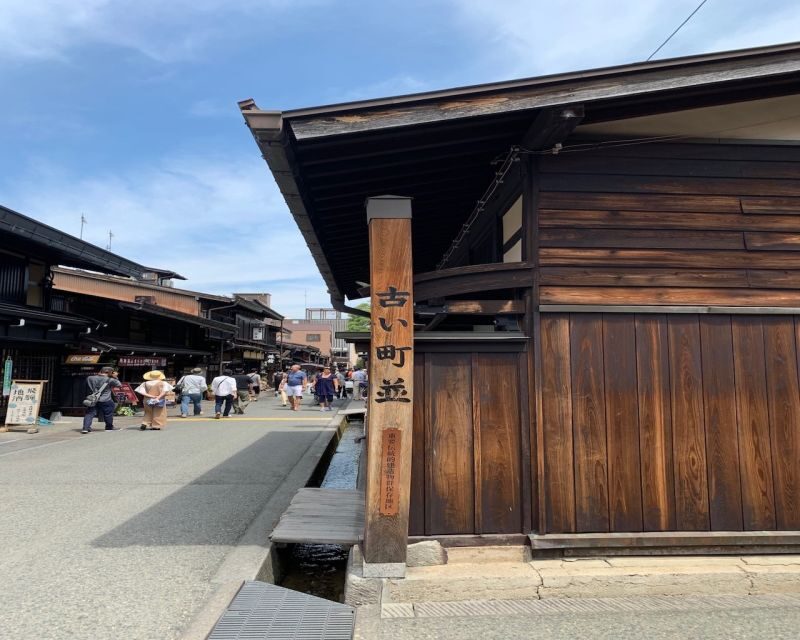
If you’re worried about history lectures, you can relax. The focus stays on the Edo period, but the guide touches briefly on what came before and after. That gives you a framework without turning the walk into a textbook.
This matters because Takayama’s feel can trick you. You might assume every historic detail is the same era, or that it all evolved in one straight line. With a bit of before/after context, you can place what you’re seeing into the bigger story of how the town developed.
I also like that the tour highlights how Takayama differs from other historic areas in Japan. Many towns you’ll visit are dominated by castle narratives. Here, the merchant-town viewpoint makes the old streets feel more human. You’re not studying a battlefield—you’re studying a marketplace mentality.


Language, Pace, and the Role of the Guide
Tours are usually conducted in English, and other languages may be available upon request. For most people, that’s enough to feel fully included.
The pace is the other big deal. At 45 minutes, you’re moving. You’re not stuck in one spot waiting for everyone to catch up. But it’s also not a sprint. The guide’s job is to keep the story flowing while you walk, and that’s exactly what this format supports.
From the way guides describe local culture and explain details, you’ll often get explanations in a way that ties to what you’re seeing in real time. In some cases, you may even hear Japanese alongside English terms to match how locals refer to things. That’s not required for understanding, but it can make the town feel more connected and less filtered.
One practical consideration: because the tour depends on guide delivery, the experience can vary. If clear English is your top priority, pick a time when you can ask questions freely and don’t be afraid to speak up early if you need clarification.
Price and Value: Is $43 Worth 45 Minutes?
At $43 per person for about 45 minutes, this isn’t a free “photo walk.” You’re paying for a quick orientation and a set of interpretive tools—basically, mental context.
So is it worth it? For most first-time visitors, yes, because you’ll likely spend the rest of your Takayama time noticing details with better understanding. That can save you time later. Instead of trying to Google every building feature mid-walk, you already have a framework.
Still, there’s a real trade-off. A few people feel the tour is short for the price. And the duration can be cut down on busy days depending on flow, or extended if the group asks a lot of questions. If you’re the type who needs a slower pace and lots of visible stops, you might want to pair this with extra self-guided wandering afterward.
Think of it like this: you’re buying direction, not hours of sightseeing.
What This Tour Is Best For (and When to Skip It)
This tour is a strong fit if you:
- want an easy first introduction to Takayama’s old town
- enjoy learning how everyday life shaped a place
- like walking with a guide who explains what you’re looking at
- prefer context over heavy historical timelines
It’s less ideal if you:
- came specifically to see major monuments and long sightseeing sequences
- dislike short tours and want multiple landmark clusters with minimal walking
- need a very detailed deep history lesson (this is more about reading the streets than covering centuries)
My advice: use this as your “set the lens” step. Walk it, then wander. The tour works best when you treat it as a starting point that changes how you see the rest of the town.
Should You Book This Takayama Old Town Walking Tour?
I’d book it if you want to understand Takayama quickly and spend the rest of your visit walking with better eyes. The combination of a focused Edo-period merchant-town story, explanations for everyday details, and a practical 45-minute format is exactly what a short orientation tour should deliver.
Skip it if you’re chasing a longer, stop-heavy itinerary or you strongly prefer very in-depth history sessions. In that case, you may feel boxed in by the time limit.
If you do book, arrive ready to ask questions. This kind of guided street learning gets better when you let the guide respond to what you’re curious about as you walk.
FAQ
How long is the Takayama Edo-Period Old Town Walking Tour?
The tour is listed at about 45 minutes. It may run a little longer depending on how the walk goes and guest questions.
What language is the tour in?
English is the main language. Other languages may be available upon request.
Does the tour run in bad weather?
Yes. The tour takes place rain or shine.
What is included in the ticket price?
You get a local guide and the walking tour.
Is food or drinks included?
No. Food and drinks are not included.
Where do I meet for the tour?
Meet in front of the Tours & Activities sign board. You can search for happyplus on Google Maps to find the right area.
Is the tour wheelchair accessible?
Yes, it’s listed as wheelchair accessible.
What are the cancellation and payment options?
Free cancellation is available up to 24 hours in advance for a full refund. You can also reserve now and pay later to keep plans flexible.
If you want, tell me what time of day you’re visiting Takayama and what else you plan to do that day, and I’ll suggest the best way to fit this 45-minute walk into your schedule.