REVIEW · TAKAYAMA
Takayama oldtownship walking tour with local guide. (About 70min)
Book on Viator →Operated by Happy Tour · Bookable on Viator
Walk the old streets, no museum fog. This Takayama old-town walking tour is a tight, 70-minute loop that uses real local context to make places you pass every day feel meaningful. I especially liked the way the guide brings history and culture into simple, street-level stories.
My favorite part is the human scale: guides like Miyuki (Mu) and Yama keep the pace flexible, so you’re not forced to rush through corners and photo spots. You’ll also get practical sightseeing wins, like stopping at Nakabashi Bridge for a strong photo moment while the guide explains what you’re seeing.
One thing to plan for: the add-on takoyaki making (with a food sample) isn’t automatic. If you want it, you need to request it ahead of time and you’ll add about 30 minutes to the tour.
In This Review
- Key points before you go
- Takayama’s old town is best on foot
- Price and timing: why this tour feels like good value
- Where you start: the meeting point and how the walk works
- Your route: 6 stops that map old Takayama fast
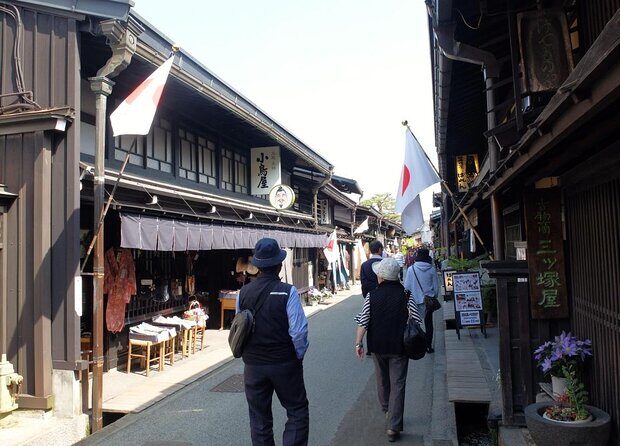
- Stop 1: Kamisannomachi
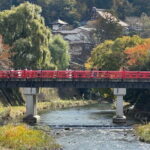
- Stop 2: Nakabashi Bridge
- Stop 3: Takayama Jinya (outside first)
- Stop 4: Yamazakura Shrine
- Stop 5: Hida Kokubun-ji Temple (big ginkgo + triple tower)
- Stop 6: Sanmachi Suji (old-town streets for the wrap-up)
- Optional takoyaki making: only if you want the extra time
- Rain-friendly walking (and why weather still matters)
- How the guide style shapes the whole experience
- Who should book this Takayama old town walk
- Should you book this Takayama old town walking tour?
- FAQ
- How long is the Takayama old town walking tour?
- What does the tour cost?
- Where does the tour meet?
- Is the guide English-speaking?
- What stops are included?
- Can I add takoyaki making and a food sample?
- Is the tour possible in rain?
- How big is the group?
- Are service animals allowed?
Key points before you go
- A focused 1 hour 10 minutes route: six stops, designed to be walkable without feeling like a sprint
- English guidance, with other languages available on request
- Admission-free stops on the route, so most of what you pay for is the guide and interpretation
- Great photo payoff at Nakabashi Bridge, with the right story to go with it
- Optional takoyaki making if you want hands-on food time (+30 minutes)
- Works in rain and uses a neighborhood approach, not a shuttle-heavy schedule
Takayama’s old town is best on foot
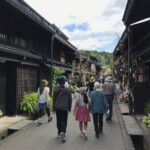
Takayama can feel like a place you either rush through for photos… or actually understand. This tour leans hard toward the second option. It’s a classic old-town walk through Hida Takayama’s heritage streets, but the value comes from the guide’s explanations: how the area developed, what local customs mean, and why specific buildings and sacred spots are important.
You’re also not stuck on one “big attraction” for the whole time. Instead, you move through a series of short stops that build a picture of old Takayama in layers. That matters because short explanations tied to what you can physically see tend to stick better than reading about it later.
And yes, you’ll have moments built in for looking closely and taking photos. Nakabashi Bridge is a good example: it’s quick, but it’s timed so you can get a strong shot without dragging the day.
You can also read our reviews of more walking tours in Takayama


Price and timing: why this tour feels like good value
The price is $57.33 per person for about 1 hour 10 minutes. That’s not cheap, but it’s also not trying to sell you an all-day fantasy day trip. You’re paying for an English-speaking local guide to connect the dots across multiple sites—most of which are marked as free admission on the route.
Here’s the practical way to think about the value:
- You’re not paying separate attraction fees for the main stops listed.
- You are paying for someone to point out what most first-time visitors might miss: small details, names, and the cultural reasons behind the sights.
- The tour is short enough to fit naturally into a Takayama itinerary, especially if you want time left for food.
Also keep in mind the optional food add-on. If you request takoyaki making, you’ll need extra time (+30 minutes). That means the true “time cost” can become closer to 1 hour 40 minutes, not just the base duration.
Where you start: the meeting point and how the walk works
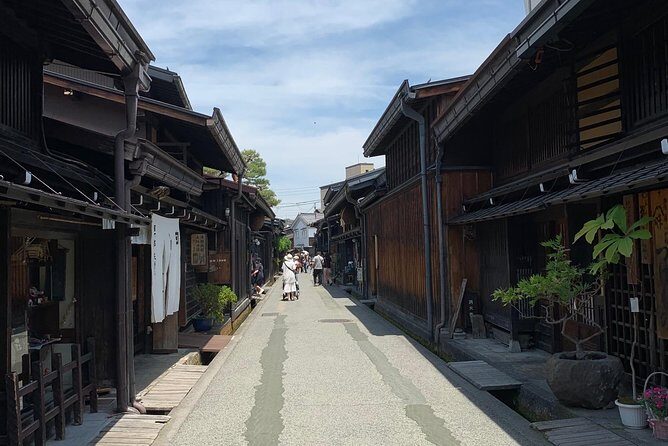
The tour meets at 22-2 Kamininomachi, Takayama, Gifu 506-0845, Japan. It ends back at the same meeting point, so you don’t have to worry about navigation or catching transport afterward.
It’s also designed to be easy on your legs. The stops are short—mostly 5 to 15 minutes—so even if you move at an unhurried pace, you’re unlikely to feel like you’re being dragged along. One of the best bits from past experiences with this tour style is the flexibility: the guide can adapt if you’re slower or if the group is small.
Group size is capped at 20 travelers, which is a sweet spot for a walking tour. Large crowds can flatten the experience. A smaller group makes it easier to hear the guide, ask questions, and actually look at what’s in front of you.
Your route: 6 stops that map old Takayama fast

This walking tour moves in a neat sequence. You’ll cover key streets and landmarks, with explanations at each stop. The whole plan is built around quick meaning, not long lectures.
Stop 1: Kamisannomachi
You begin at Kamisannomachi, and you’ll get a quick orientation on old Takayama—how the old town developed and what to watch for as you continue. It’s about 10 minutes, and admission is free.
This is a smart first stop because it gives you context before you start photographing. If you know what you’re looking for, even the quiet streets start to feel alive.
Watch for: street layout cues and any traditional building features the guide points out. You’ll be glad you looked closely early, because the next stops build on those same themes.
You can also read our reviews of more guided tours in Takayama

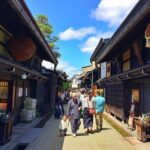
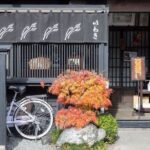
Stop 2: Nakabashi Bridge
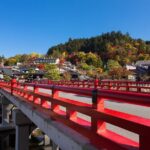
Next is Nakabashi Bridge, a short 5-minute stop that’s all about seeing it and getting a great photo.
It’s brief by design. The guide uses the time to explain what the bridge represents in the neighborhood fabric, so it’s not just a background for a picture. You get a strong visual moment without losing momentum.
Photo tip: bring your camera ready and take a couple angles fast. The stop is short, and it’s better to decide quickly than to freeze while everyone waits behind you.
Stop 3: Takayama Jinya (outside first)
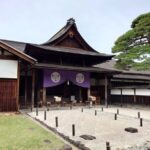
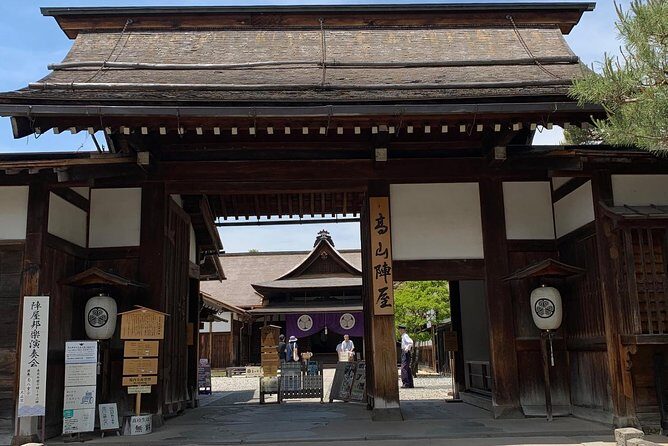
Then you’ll reach Takayama Jinya. This is one of the places you’ll hear about because it’s a government office with an older, distinctive style—and it’s listed as a unique example in Japan. The scheduled time is 5 minutes.
Important detail: you can see it, but going inside is not included on this tour. If you want to enter, the option is there, but you’d need a separate plan.
Why it works even without the interior: the exterior view plus the guide’s explanation gives you enough to understand what you’re looking at. For many visitors, that’s the sweet spot for a walking tour—see it, understand it, move on.
Stop 4: Yamazakura Shrine
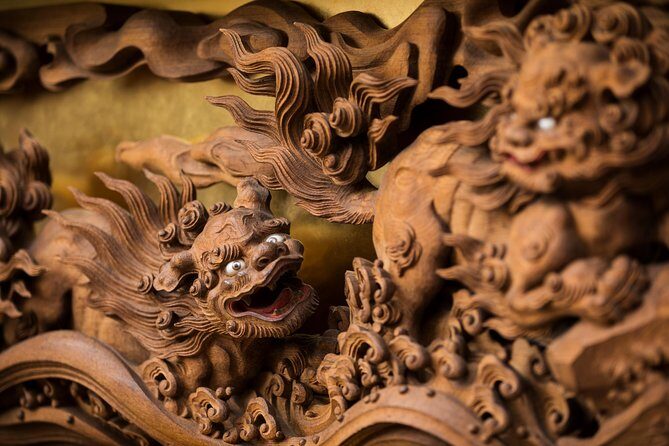
At Yamazakura Shrine, the stop runs about 10 minutes. You’ll see items associated with Takumi, traditional technical craftspeople from the Hida Takayama area, and you’ll get a feel for Japanese religions and the religious customs connected to the shrine.
This is one of the more interesting stops because it connects craft and belief. Instead of treating religion as something abstract, you get a direct link to local identity and tradition.
Consideration: shrine areas can be calm and a little quiet. If you’re the type who likes to ask questions, this is a good time to do it—especially about what specific displays represent.
Stop 5: Hida Kokubun-ji Temple (big ginkgo + triple tower)
Next is Hida Kokubun-ji Temple, where you’ll spend about 15 minutes. The highlights include a large ginkgo tree, lots of stories tied to that tree, and you’ll also see a triple tower.
This stop is longer than the others, and it’s easy to see why. When there’s a major visual anchor like a big tree and a distinctive multi-tier structure, you want the extra minutes to absorb it without rushing.
What to pay attention to: listen for the guide’s stories about the ginkgo tree and why the temple layout matters. Those explanations turn a pretty scene into something you can actually remember.
Stop 6: Sanmachi Suji (old-town streets for the wrap-up)
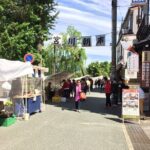
Finally you end with Sanmachi Suji, another 10-minute stop focused on the old township streets. It’s the closing image of the walk—exactly the kind of place you’ll want to linger after the tour ends, even if this specific stop is short.
This part is also useful if you’re hoping to connect the dots between everything earlier: street style, cultural context, and what makes Takayama feel different from other preserved towns.
Optional takoyaki making: only if you want the extra time
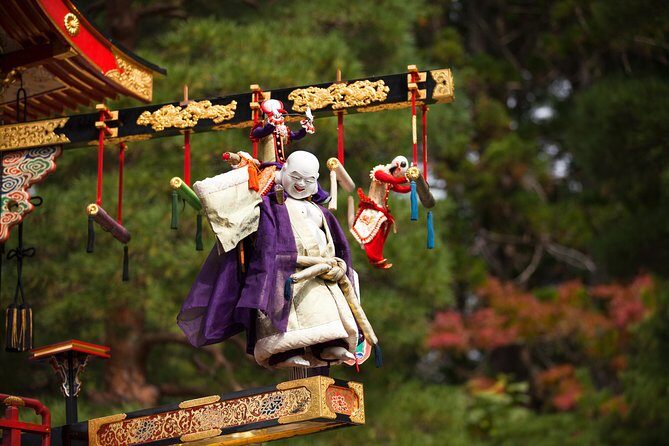
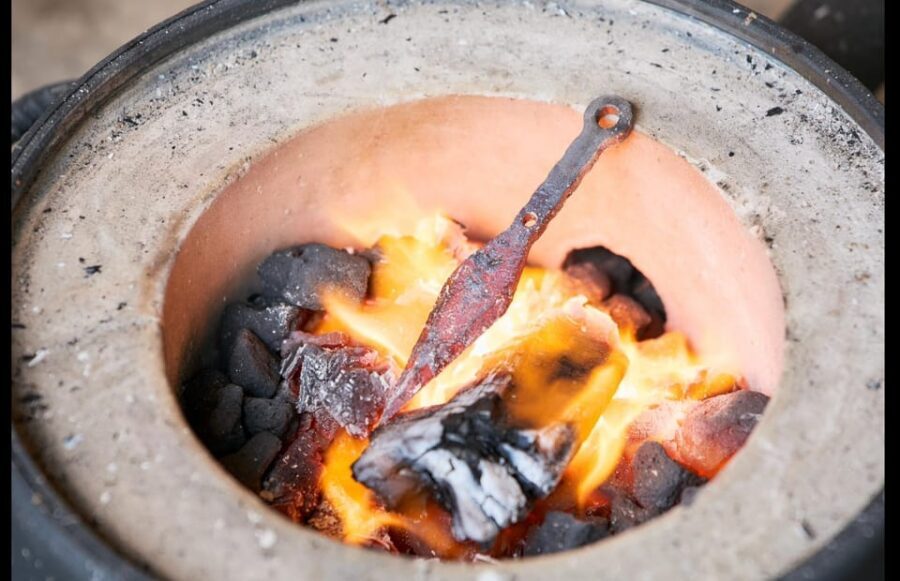
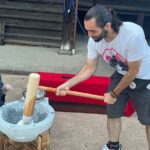
Here’s the deal with food. The tour can include a food sample connected to takoyaki making, and the takoyaki-making fee is part of the arrangement if you request it. If you don’t ask, the guide will not do that extra experience.
If you do want it, plan for an additional 30 minutes. That means you should check whether you have room in your day for a longer stop and any extra steps tied to the making process.
You’ll also get to make time for photos if you want. That’s not just for fun—it helps you remember the moment and adds a tactile element to an otherwise history-and-streets focused tour.
If you’re traveling with a tight schedule, you can skip the add-on and still get a complete cultural walk. If you love hands-on food time, the takoyaki option is a nice way to end the tour with something you can taste.
Rain-friendly walking (and why weather still matters)
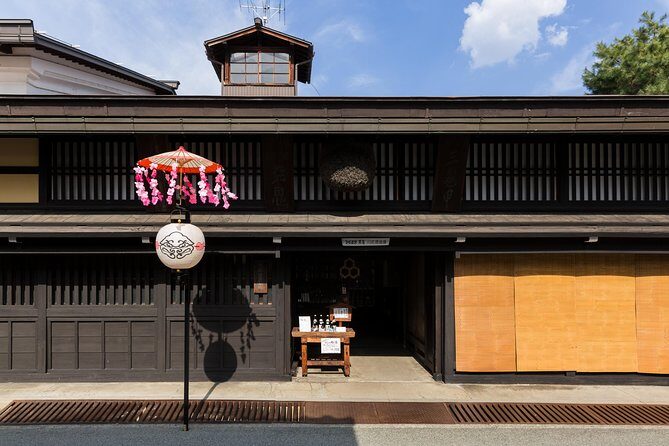
The tour specifically notes that it’s possible to do even if it’s raining. That’s good news because Takayama weather can surprise you.
Still, the experience provider also says it requires good weather. If it’s canceled due to poor weather, you’ll be offered a different date or a full refund.
Practical approach: if rain is in the forecast, pack a light rain layer and keep your expectations realistic. A walking tour will never be like a museum with dry floors, but the structure is built to keep moving.
How the guide style shapes the whole experience
This is an English-guided tour, but what makes it feel worth it is the way the guide interprets the town. The stops aren’t just named. You get explanations meant to help you read Takayama like a story—where the street goes, why a building matters, what a shrine display is connected to, and how the area’s identity took shape.
The tour is also set up with a “request and adapt” mindset. Past experiences with guides including Miyuki (Mu) and Yama show that the guide can tailor the walk to your pace. If you move slowly, ask more questions, or prefer fewer rapid stops, you’re likely to feel less rushed than on bigger rigid tours.
If you want to get more out of the tour, bring one question before you start:
- What did Takayama do for work and community life back then?
- Or what’s the one detail I should notice in each place?
Small questions like that turn a great walking route into a personal lesson.
Who should book this Takayama old town walk
This tour fits best if you want:
- A short, walkable overview of old Takayama with history and culture explained in plain language.
- An English guide who can add context without overwhelming you.
- A structured itinerary that still leaves room to take photos and slow down.
It may be less ideal if you expect a deep, long museum-style experience. This is intentionally compact. For deeper entries—like if you specifically want to go inside Takayama Jinya—you’d need to plan extra time beyond what’s included on the route.
It also makes sense for people who plan to spend the rest of the day exploring food. The tour gives you context, then you can use that context to pick where to eat next.
Service animals are allowed, and the start area is near public transportation, which helps if you’re trying to connect it smoothly with the rest of your itinerary.
Should you book this Takayama old town walking tour?
If you want a high-value, short guided walk that helps you understand Takayama’s old town instead of just sightseeing it, I think you should book it. The combination of a tight route, free-admission stops, and an English-speaking local guide is exactly what a good first-day Takayama plan needs.
I’d say consider the optional takoyaki making only if you truly want a hands-on food moment and you have the extra half hour. Otherwise, the base tour still covers the essentials in a way that’s easy to remember.
If rain shows up, don’t panic. This tour is designed to keep going. Just make sure you pack for weather and keep your day flexible in case it needs to reschedule due to poor conditions.
FAQ
How long is the Takayama old town walking tour?
It runs about 1 hour 10 minutes.
What does the tour cost?
The price is $57.33 per person.
Where does the tour meet?
The meeting point is 22-2 Kamininomachi, Takayama, Gifu 506-0845, Japan.
Is the guide English-speaking?
Yes, the tour includes an English guide. Other languages may be available if you request them.
What stops are included?
You’ll visit six stops: Kamisannomachi, Nakabashi Bridge, Takayama Jinya, Yamazakura Shrine, Hida Kokubun-ji Temple, and Sanmachi Suji.
Can I add takoyaki making and a food sample?
Yes, you can request a takoyaki making food sample experience. If you want it, you need extra time of about 30 minutes, and the guide will not do it unless you request it.
Is the tour possible in rain?
Yes, it’s possible to do the tour in the rain.
How big is the group?
The tour has a maximum of 20 travelers.
Are service animals allowed?
Yes, service animals are allowed.