REVIEW · TOKYO
Shimbashi Tastes & Stories A Culinary Foodie Tour By Local Guide
Book on Viator →Operated by The Washoku Club Culture and Food Tours · Bookable on Viator
Tokyo has an after-work secret. In Shimbashi, a local guide strings together station history and neighborhood sights while you taste Japanese wagyu and other hits of the area.
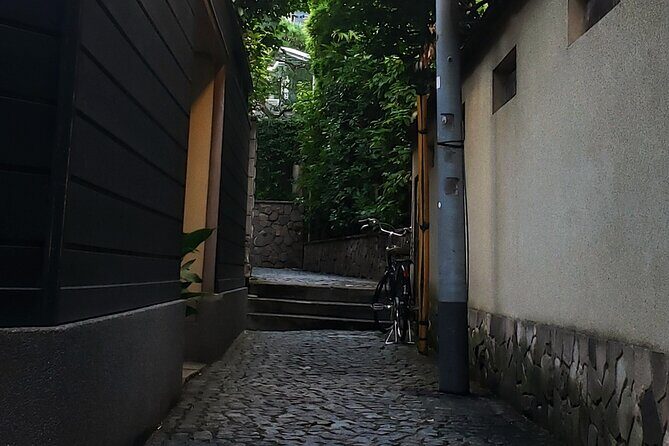
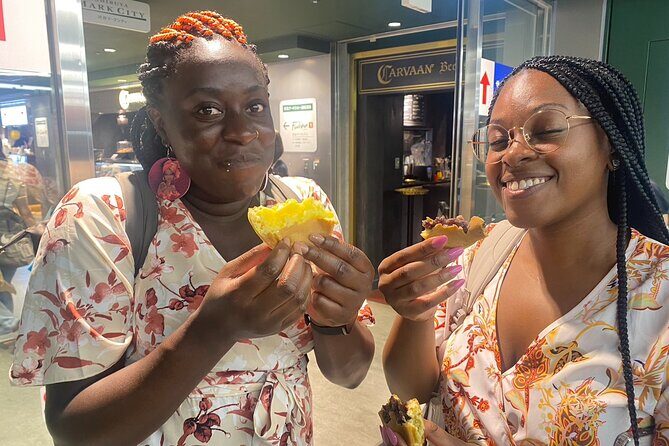
I like this tour for two very practical reasons. First, it steers you away from the usual Tokyo checklist and into the station-side alleys and backstreet vibe that locals actually use after work. Second, the food lineup is built around real variety: sushi, seafood, Japanese beef wagyu, plus desserts and drinks.
One consideration: it’s a walking-and-tasting format, so plan for steady feet for about four hours. Also, alcoholic drinks are not included, so if you want beer or sake, you’ll pay extra.
In This Review
- Key things I’d plan for
- Why Shimbashi tastes more real than most Tokyo
- Food stops: sushi, seafood, wagyu, and dessert (with drinks handled)
- Old Shimbashi Station: rail nostalgia you can actually walk through
- SL Square: why a train square matters before you hit the alleys
- Karasumori-jinja: the shrine stop that keeps it real
- New Shimbashi Building and Tanuki Alley: modern walls over old nightlife
- Shiodome City Center and NTV Plaza: modern Tokyo beside the old
- Shimbashi station area overview: getting your bearings fast
- Price and logistics: what $171 buys you in real value
- Who should book this, and who might prefer something else
- The guide factor: why Akira and Kaori show up in good memories
- Should you book Shimbashi Tastes & Stories?
- FAQ
- What is the duration of the Shimbashi food and culture tour?
- How much does the tour cost?
- What food and drinks are included?
- Are alcoholic drinks included?
- How many people are in the group?
- Who guides the experience and what languages are used?
- Where do you meet, and where does the tour end?
- Is the tour mostly walking?
- Is there a ticket format I need to manage?
- FAQ
- Can I cancel for a full refund?
Key things I’d plan for
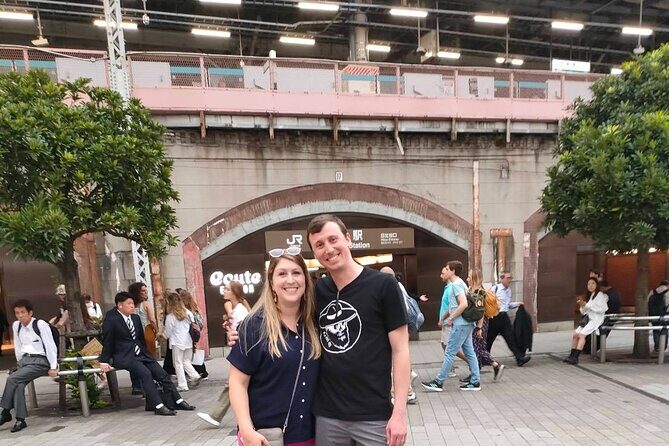
- Small group size (up to 15 people) keeps the pacing friendly and questions easy.
- Food variety covers sushi, seafood, and Japanese beef wagyu, with desserts included.
- Major area clues without the museum grind: old station, a rail-themed square, shrine, and modern TV hub.
- Free admission for the main stops means you’re not constantly ticket-checking.
- A professional English-speaking guide (Japanese-speaking) helps you make sense of what you see—and what you eat.
- Soft drinks and water included, but alcohol is add-on at your own cost.
Why Shimbashi tastes more real than most Tokyo
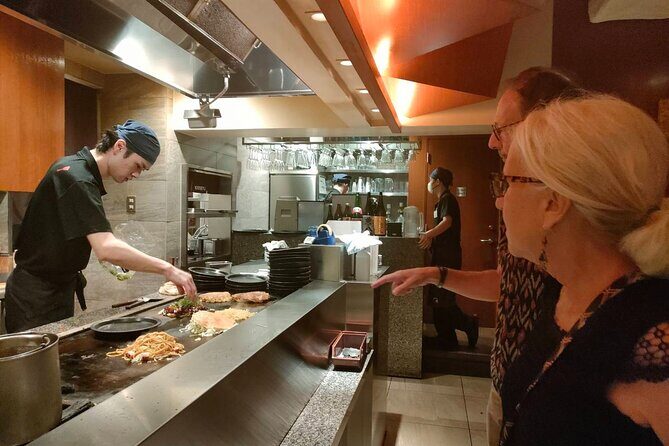
Shimbashi sits in that “in-between” zone: close enough to central Tokyo to feel convenient, but different enough that you don’t have to fight crowds for a slice of daily life. This tour leans into that. You’re not bouncing between headline sights all day. Instead, you’re moving through the station area, lanes, and landmarks that fit Tokyo’s after-work rhythm.
The big win is that Shimbashi is known for food that’s easy to experience but hard to stumble upon blindly. Your guide’s job is to get you to places you’re unlikely to find alone, then explain what you’re looking at—culturally and menu-wise. Think of it as sightseeing with snacks and context, not sightseeing with photos.
A few more Tokyo tours and experiences worth a look

Food stops: sushi, seafood, wagyu, and dessert (with drinks handled)
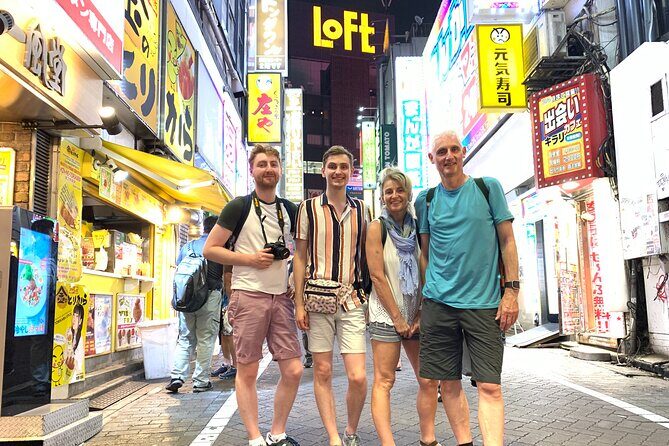
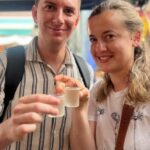
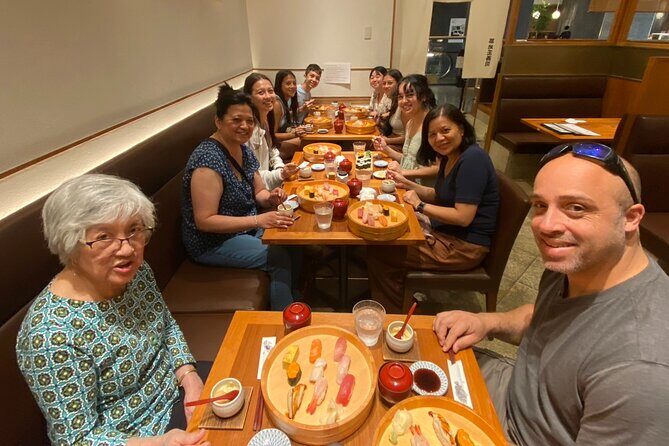
The tour’s included tastings are clear and specific. You’ll have sushi and seafood, and you’ll also get Japanese beef wagyu. That combo matters because Tokyo food tours often over-index on one category. Here, you get multiple styles in one walking loop.
You’ll also receive desserts as part of the experience. And for hydration, there are two soft drinks and water included. That’s a small detail, but it changes the whole pacing. You won’t be stuck guessing where the next drink is, or paying for it mid-walk.
Alcohol is the only meaningful food-and-drink “missing piece.” Since alcoholic drinks are available to purchase but not included, set expectations. If your ideal meal is paired with beer or sake, budget for that separately.
Old Shimbashi Station: rail nostalgia you can actually walk through
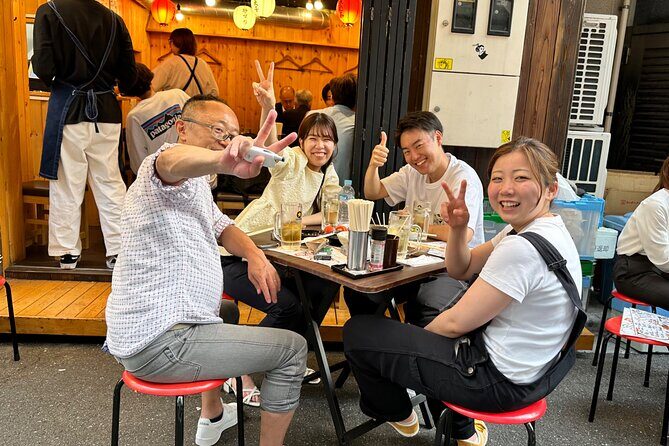
Your first major sightseeing anchor is Old Shimbashi Station, a stop built around the station’s role in Tokyo’s transportation story. This area is centrally located in Minato Ward and about a 10-minute walk from the Ginza shopping district, so it’s a natural starting point that still feels local.
What I like about starting here is the mental reset. Before you eat, you understand the geography and why this neighborhood matters. Stations in Japan aren’t just transit points; they shape schedules, habits, and where people go for quick, satisfying meals.
Practical note: this stop is about 30 minutes and admission is free. That keeps it from turning into a “stand still and read signs” moment.
SL Square: why a train square matters before you hit the alleys
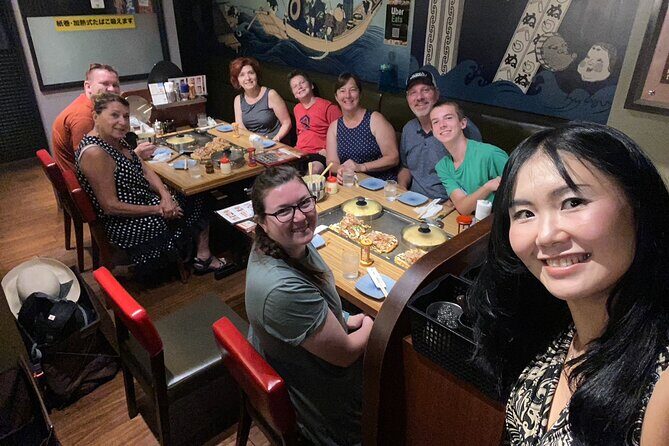
Next comes SL Square, created in 1972 to celebrate the 100th anniversary of Japan’s railway transport system. It’s not just a decorative landmark. The square connects directly to the idea that Tokyo’s rail lines shaped how people move—and where they eat when they’re headed somewhere, or returning home.
The itinerary time here is about 45 minutes, and admission is free. That extra time helps because it gives your brain a chance to land on the theme: Shimbashi is a rail neighborhood first, and a food neighborhood second. Once you see it that way, the later alley-and-meal stops make more sense.
Karasumori-jinja: the shrine stop that keeps it real
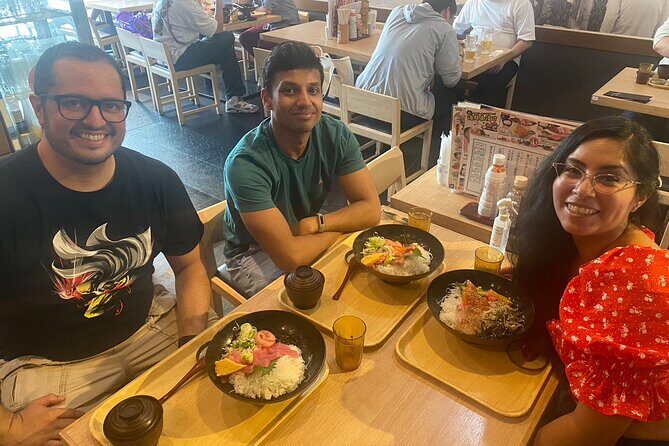
You’ll then visit Karasumori-jinja, described as one of the older shrines in the area, and especially notable for being visited by locals. This matters because it changes the feel from “tourist shrine photo stop” to “everyday sacred space.”
The stop is about 45 minutes and admission is free. That length is long enough to let the guide explain what’s relevant—how shrines fit into daily life, not just big sightseeing itineraries.
If you’re someone who likes food culture but also enjoys the neighborhood context behind it, this is a good balance. You’re not only eating; you’re learning how locals structure life around places like this.
You can also read our reviews of more guided tours in Tokyo


New Shimbashi Building and Tanuki Alley: modern walls over old nightlife
After the shrine, you move to New Shimbashi Building. The story here is the kind of urban change Tokyo is famous for: the Shimbashi Ekimae Building was created following an earlier bar district called Tanuki Alley. The planning shift is linked to the post-1964 Olympics era.
This stop works because it frames the neighborhood as layered, not frozen in time. You’re seeing how an area evolves—while still keeping the same core identity: people come here for drinks, conversations, and food after work.
The time is about 30 minutes, with free admission. It’s a relatively short historical context stop, which is exactly what you want in a food tour. You get the meaning without dragging the schedule.
Shiodome City Center and NTV Plaza: modern Tokyo beside the old
Then you head to Shiodome City Center, specifically the NTV Plaza in front of the NTV Tower. This is the switch from older Shimbashi atmosphere into a modern media hub. The NTV Tower houses the main studios and offices of NTV, one of Japan’s largest television broadcasters.
Why does this belong on a food tour? Because it tells you something practical: Tokyo’s “salaryman” life is built around both old routines and new workplaces. People can be walking out of an office tower and still end up eating in the station-side lanes.
This stop is about 30 minutes and free. If you want a quick reality check on how Tokyo mixes work and play (and work and food), this is the moment.
Shimbashi station area overview: getting your bearings fast
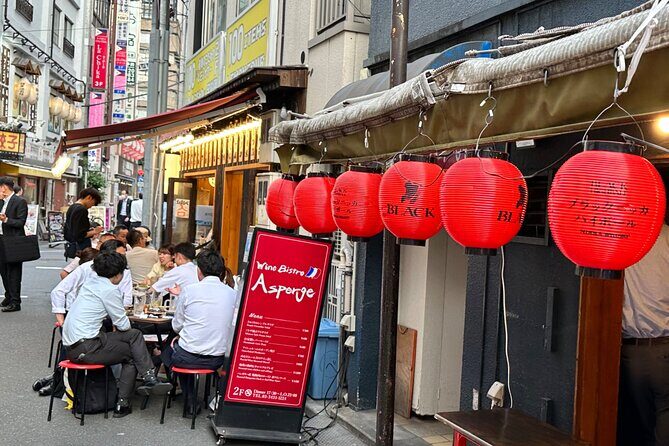
The final main sightseeing piece is Shimbashi, described as an overview of the station’s interesting features, guided by your host. This is where you start to understand the neighborhood’s layout so you can keep exploring after the tour ends.
The stop is about 30 minutes and free. That’s also about the right length to wrap up the “why this area exists” story and tie it back to the food tastings you’ve already experienced.
Since the tour ends back at the meeting point, you’re not left stranded far from where you started. It’s a neat finish if you still want to continue on your own for dessert or a second walk.
Price and logistics: what $171 buys you in real value
At $171 per person for about four hours, the tour is priced for people who want more than a casual stroll. The value comes from the structure:
- You’re paying for a professional English-guided experience (Japanese-speaking guide who speaks English).
- You’re getting multiple included tastings: sushi, seafood, and Japanese beef wagyu, plus desserts.
- Drinks are handled: two soft drinks and water are included.
- Key sightseeing components are built in with free admission listed for the main stops.
The “hidden” cost of many food tours is the hunting: you pay for guidance because it saves time, and because you get to places that aren’t obvious. This one is explicitly built for Shimbashi alleys and local spots you’d likely miss without help.
Group size is capped at 15, which can matter more than it sounds. Smaller groups tend to move at a human pace, and it’s easier to ask questions about what you’re eating without feeling rushed.
Who should book this, and who might prefer something else
This tour is a strong fit if you:
- Want a food-focused neighborhood experience tied to local life, not only famous districts.
- Prefer learning from a guide who can connect what you eat with what you’re seeing.
- Like walking tours that combine landmarks and meals in a single loop.
It may feel less ideal if you:
- Want a strictly sit-down, long-course meal style (the format is walking plus tastings).
- Expect alcohol to be part of the included price (it isn’t).
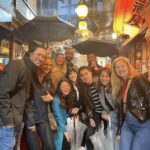
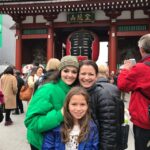
If you’re traveling with a family, this can work well because the itinerary is structured and the pace is guided. One review specifically praised an “extra mile” touch like taking photos, which suggests the guide style can be personable and attentive.
The guide factor: why Akira and Kaori show up in good memories
From the feedback attached to this experience, two guide names come up: Akira and Kaori. People highlight that the guides are helpful and keep the experience smooth, especially when it comes to finding the right spots and making sure you understand the food.
That matters because Shinbashi can feel like a web of lanes and station-side entrances. A good guide doesn’t just translate language. They translate confidence. You’ll spend less time wondering where you are and more time enjoying what’s in front of you.
Should you book Shimbashi Tastes & Stories?
If you’re choosing between one “food night” in Tokyo and a random self-guided wander, I’d book this. It has a clear identity: Shimbashi’s station-and-alley culture, guided with context, and backed by included tastings that go beyond one category.
Book it especially if you want to avoid the usual “big three” districts routine and still eat very well. And because the tour keeps admission stops free and the food/drinks included, it’s easier to estimate your total spend.
If you want my simple checklist: you’ll probably enjoy this if you’re okay walking, you’re happy to pay extra only if you want alcohol, and you like learning while you eat.
FAQ
What is the duration of the Shimbashi food and culture tour?
It runs for about 4 hours.
How much does the tour cost?
The price is $171.00 per person.
What food and drinks are included?
The tour includes sushi, seafood, and Japanese beef wagyu, plus desserts. It also includes 2 soft drinks and water.
Are alcoholic drinks included?
No. Alcoholic drinks are not included, though they are available to purchase.
How many people are in the group?
The tour has a maximum of 15 travelers.
Who guides the experience and what languages are used?
It’s led by a professional Japanese-speaking English tour guide.
Where do you meet, and where does the tour end?
You start at SL Square at 2-chōme-7-先 Shinbashi, Minato City, Tokyo 105-0004, Japan, and the tour ends back at the meeting point.
Is the tour mostly walking?
Yes. It’s described as a city walking and culture tour.
Is there a ticket format I need to manage?
Yes. The tour uses a mobile ticket.
FAQ
Can I cancel for a full refund?
Yes. You can cancel up to 24 hours in advance for a full refund. If you cancel less than 24 hours before the start time, the amount paid is not refunded.