REVIEW · KAMAKURA
Kamakura Tours Half Day or Full Day Tours with a local guide.
Book on Viator →Operated by Happy Travels Japan · Bookable on Viator
Kamakura feels faster with the right guide. This private, local-led day takes the guesswork out of a busy temple-and-shopping route, so you can focus on the sights, not the timetable. I liked the stress-saving logistics and the way the tour anchors you at the Great Buddha without feeling rushed. One consideration: you will walk between stops, so wear comfortable shoes and keep your pace steady if crowds slow things down.
What I really enjoy is the mix of sacred and everyday life. You spend real time on Komachi Street to walk, snack, and pick up Kamakura-specific souvenirs, then you switch gears to shrine and temple calm. The trade-off is that this is an all-day rhythm (about 8 hours), so if you want a totally laid-back half-day floating around, you may prefer a shorter option instead.
In This Review
- Key things I think you’ll like most
- Why a local guide makes Kamakura easier than you expect
- The Great Buddha of Kamakura at Kotoku-in: the anchor stop
- Hase-dera Temple: Kannon, Jizo, and that garden-temple pause
- Komachi Street: where you actually feel Kamakura
- Tsurugaoka Hachimangu: Kamakura’s spiritual center
- Optional kimono rental during the tour (Kamakura Imakoji)
- Price and value: what $70 buys you in Kamakura
- What the day feels like: pacing, walking, and meeting point reality
- Best fit: who should book this Kamakura guide tour
- Should you book this Kamakura tour?
- FAQ
- How long is the Kamakura guided tour?
- Is this tour private or shared?
- Where do we meet, and does it end nearby?
- Are pickup and transportation included?
- Are entrance fees included?
- Is lunch included?
- Is kimono rental included?
- Is bottled water provided?
- What if the weather is bad?
Key things I think you’ll like most
- Private local guide with practical planning so you spend more time sightseeing and less time figuring out routes
- Entrance fees included for the temples and shrines on the itinerary
- Great Buddha + Hase-dera + Tsurugaoka Hachimangu in one efficient sweep
- Komachi Street time for food and shopping right in the middle of the day
- Bottled water on hot days, with reminders to pack any extra drinks you prefer
- Optional kimono rental during the tour (extra cost) for better photos and a more local feel
Why a local guide makes Kamakura easier than you expect
Kamakura is one of those places where the highlights are close, but the day can still go sideways if you plan it like a checklist. The big issue isn’t distance. It’s flow. Trains, short walks, and lines at popular spots all add time. This tour uses that reality to your advantage by blending walking with efficient public transport—and your guide manages the order so you’re not doubling back.
Another thing I appreciate: the tour is built around a local rhythm, not just famous monuments. Your guide helps you find practical paths between sights, and they can adjust pacing based on what you’re more interested in. If you care about the meaning behind the stops, the history comes up naturally. If you’re more into photos and vibes, you still get context without a lecture marathon.
And yes, Kamakura can get crowded around the most famous points. Having a guide helps you keep moving and not waste the day waiting in the wrong place at the wrong time.
You can also read our reviews of more guided tours in Kamakura
The Great Buddha of Kamakura at Kotoku-in: the anchor stop
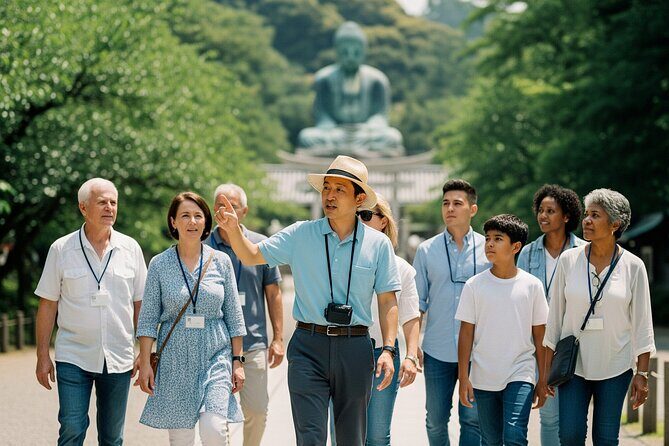
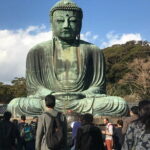
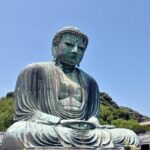
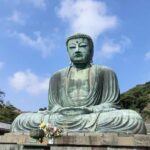
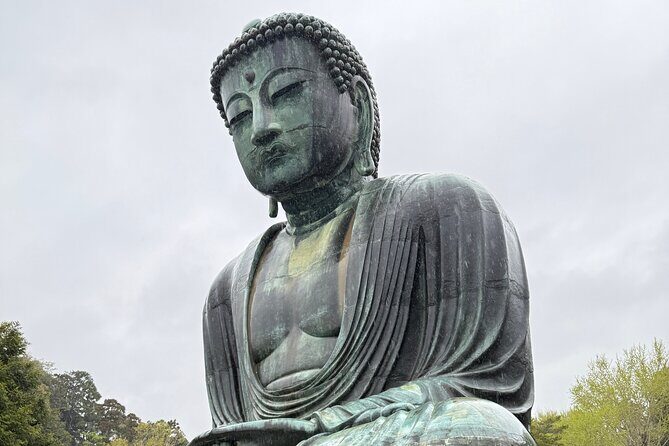
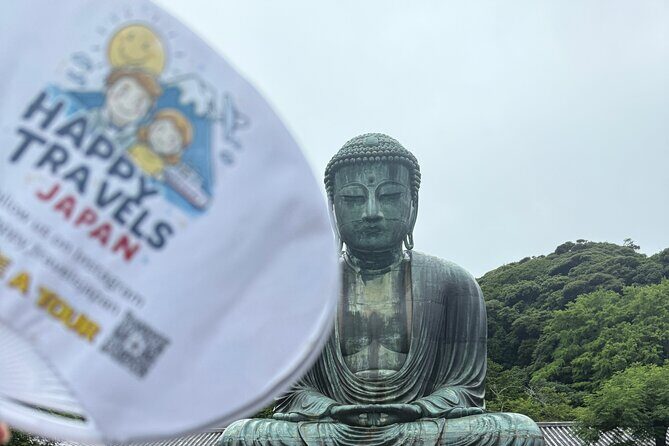
You start with Kotoku-in (the Great Buddha of Kamakura), where the bronze statue is the main event. The tour includes admission, and you get about 45 minutes here. That timing matters. It’s enough to take photos, look around, and browse the souvenir area nearby without turning this stop into a quick photo-and-run.
I like starting with Kotoku-in because it sets the tone for the rest of the day. Even if you’ve seen Buddha imagery before, the presence is different in person—bigger, heavier, and more grounded. It’s also the kind of place where you’ll notice details you’d otherwise miss while sprinting to the next attraction.
Practical tip: near the temple area, plan to snack if you’re hungry. The route makes it easy to keep your energy up before the later temple garden stop.
Hase-dera Temple: Kannon, Jizo, and that garden-temple pause
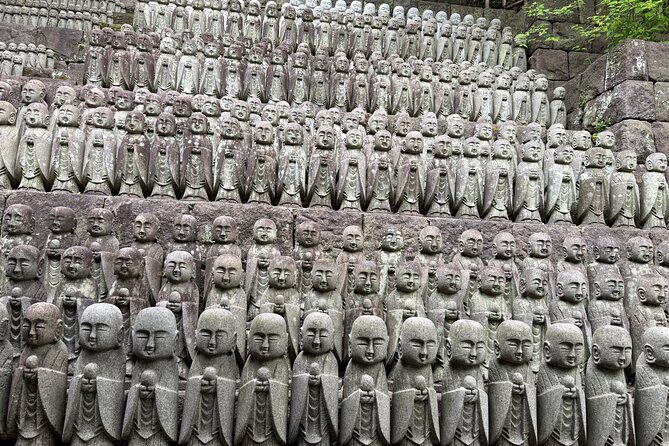
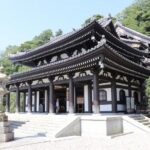
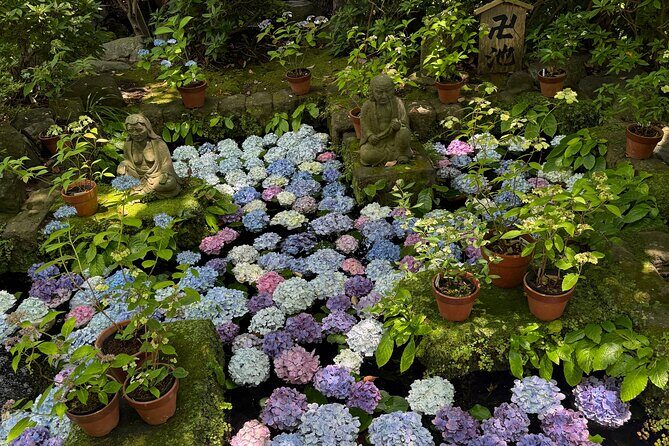
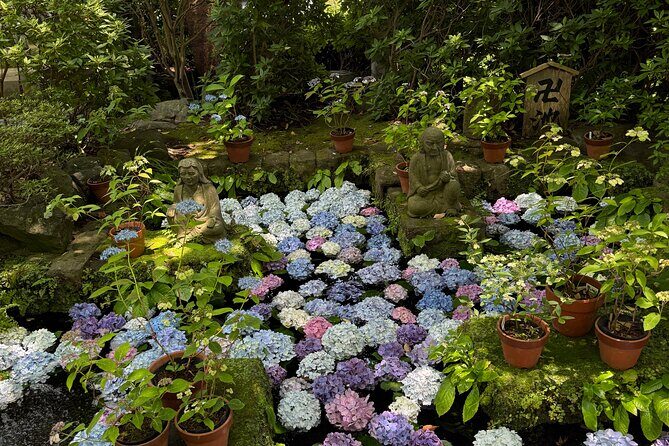
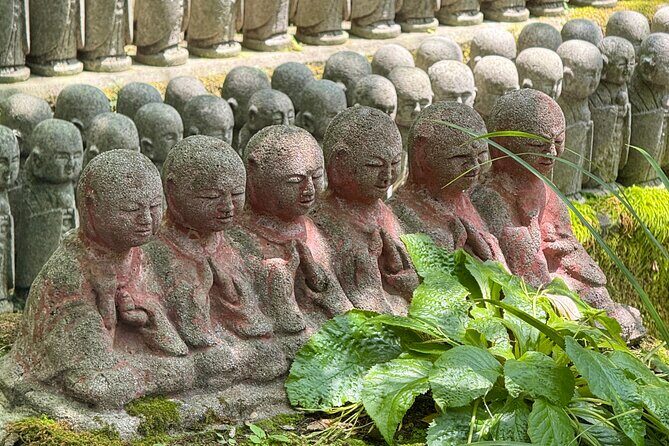
Next is Hase-dera, another included-admission stop with about 45 minutes. This is where the tour shifts from monument scale to atmosphere. The focus here is learning about Kannon and seeing Jizo statues, which gives the temples a human, story-based feel instead of only visual impact.
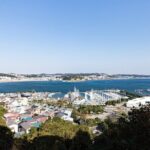
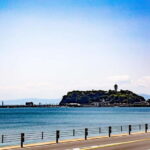
Hase-dera is often the stop people remember most for how it slows them down a bit. Even with a timed visit, you have room to walk through key areas and take in the garden setting and bay views. The views are a big reason this stop works well in an organized tour: the timing helps you get there without losing most of your day circling.
Potential drawback: because this is a temple-with-views stop, you might feel the “everyone wants the same photo” effect at peak times. The guide can help you keep your visit moving and not get stuck waiting for perfect angles.
Komachi Street: where you actually feel Kamakura
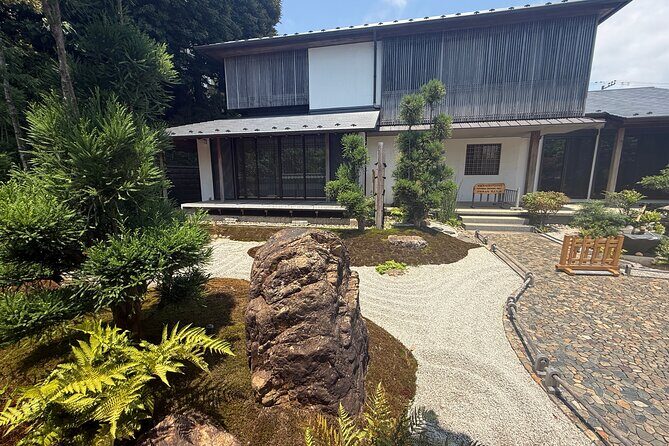
Then you hit Komachi Street (Goro Komachi Street Honten) for about 1.5 hours. This is your freedom stop inside a guided day. You walk, eat, drink, explore, and shop. Admission isn’t required here, so the cost benefit is clear: your guide time is being used for route planning and local recommendations rather than extra paid entry fees.
This is one of my favorite parts of a guided Kamakura day because it’s where you get the local texture. You can look for handmade souvenirs and items tied specifically to Kamakura rather than buying generic tourist clutter. And since you have time to snack and browse, you’re not stuck eating something just to fill the gap.
Practical strategy: come hungry but paced. If you rush Komachi Street, you’ll miss the small shops and the better snack choices. If you linger too long, you’ll feel it at the end of the day. Your guide’s timing keeps you on the sweet spot.
Tsurugaoka Hachimangu: Kamakura’s spiritual center
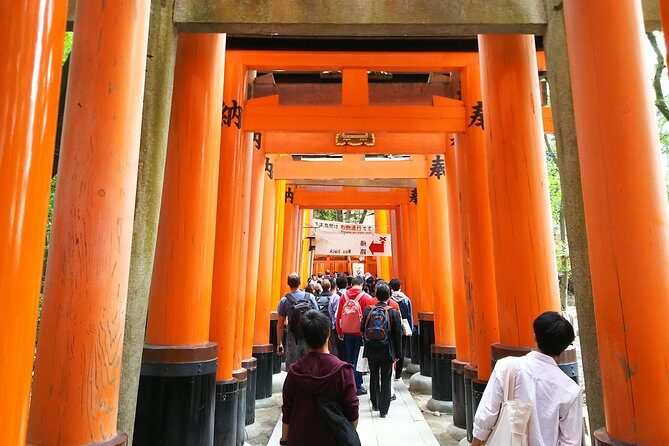
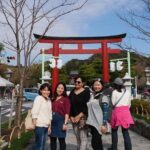
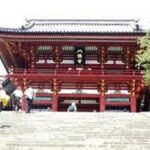
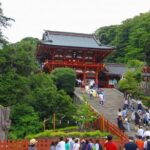
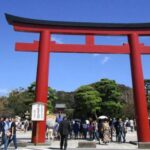
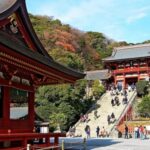
After the street energy, you shift into shrine calm at Tsurugaoka Hachimangu. Admission is free for this stop, and you get about 45 minutes. This shrine is tied to Kamakura’s spiritual life and is one of the older shrines in Japan, so it carries a sense of continuity.
What I like here is how the tour frames the place. You don’t just look at buildings and gates. You get cultural significance and context—enough to make your visit feel anchored, not random. It also helps you notice the beauty of the shrine setting because you understand what you’re looking at.
Photo note: if you’re photographing religious sites, keep it respectful and move when needed. With a timed stop, the goal is to get your photos and also leave space for others to enjoy the same grounds.
A few more Kamakura tours and experiences worth a look

Optional kimono rental during the tour (Kamakura Imakoji)
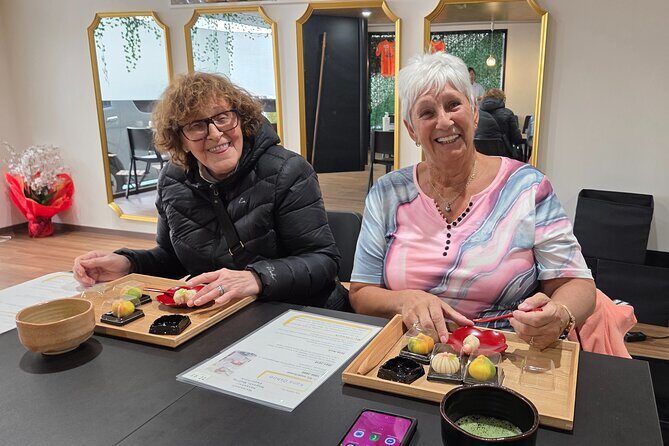
One extra you can add is kimono or yukata rental. This is scheduled as an about 1-hour stop at Kamakura Imakoji, and it’s not included in the base tour price.
This is the kind of optional add-on that can make your day feel more “you’re in Japan” without needing extra planning after the fact. The tour format also helps because you’re not trying to coordinate the rental process while also keeping up with the rest of the route.
Things to think about before you choose it:
- If you want kimono for photos at multiple stops, build your expectations around the 1-hour time block.
- Plan for comfort. Kimono looks great, but you’ll still be walking between locations.
- If you’re sensitive to timing changes, know that adding this option extends the day’s pacing (even if the rest of the itinerary is still structured).
Price and value: what $70 buys you in Kamakura
The price is $70 per person for a private local-guided day (about 8 hours). On paper, that can sound like a lot—until you compare what’s actually covered.
Here’s what the tour includes that adds real value:
- A tour guide fee (private, not a shared group bus experience)
- Bottled water during hot and summer days
- Entrance fees included for the temples and shrines on the itinerary
And what you’re not paying for (so you can budget it yourself):
- Lunch (the guide can recommend a local restaurant, and they can join you if invited)
- Kimono rental (optional)
- Private transportation/vehicle (this isn’t a vehicle-guided tour)
To me, the best value part is the entrance-fee coverage combined with a guide who handles logistics. If you were doing this on your own, you’d still pay for temple/shrine admission, and you’d spend extra time figuring out the route and managing the day’s pace. The guide saves you that planning stress, which is worth something when Kamakura gets crowded.
One small note: the tour provides bottled water, but you can’t choose a preferred drink like soda or alcohol. If you’re picky, bring your own extra option.
Also, this tour tends to book ahead (the average booking lead time is about 69 days). If you’re traveling in a peak season or on a popular day, don’t wait.
What the day feels like: pacing, walking, and meeting point reality
The tour starts and ends back at the meeting point near Kamakura Station (1-chōme-1-15 Onarimachi, Kamakura, Kanagawa 248-0012, Japan). Pickup is offered, but since the meeting point is tied to the station area, you’ll want to plan your arrival so you’re not rushing.
Expect a rhythm of:
- short, meaningful temple visits (about 45 minutes each at Kotoku-in and Hase-dera)
- one longer browsing window (about 1.5 hours on Komachi Street)
- a final shrine stop (about 45 minutes at Tsurugaoka Hachimangu)
You’ll also want moderate physical fitness. The walk-and-transit structure is manageable for many people, but it’s not a sit-everywhere itinerary. Comfortable shoes are non-negotiable.
Because it’s a private tour, only your group participates. That makes the pacing more flexible. You can ask questions, pause for photos, or shift priorities—without feeling like you’re holding up a larger group.
Best fit: who should book this Kamakura guide tour
This tour is a strong match if you want:
- a guided plan that covers major Kamakura highlights without you doing homework on logistics
- help balancing temple stops with time for food and shopping
- a guide who can explain cultural meaning as you go
It’s also a smart choice if you care about English support. One guide example from the experience: Jack is described as having impeccable English and being easy to relate to, including time in the US. That matters because a good explanation doesn’t just sound nice—it helps you understand what you’re seeing while you’re standing there.
This might not be your best fit if you want:
- zero walking
- a very slow, floating day with no fixed structure
- a DIY-only itinerary where you pick every shop and stop from scratch
Should you book this Kamakura tour?
I’d book it if you want a private, efficient Kamakura day with entrance fees handled and local context built in. The biggest payoff is time and stress. You get major sights—Great Buddha, Hase-dera, Tsurugaoka Hachimangu—plus the street-life experience of Komachi Street, where you can actually eat and shop like you’re in town.
If you’re going for a quick, low-effort visit, consider whether an 8-hour plan and some walking fits your style. But if you like having a plan that still gives you moments to wander, this one is a solid value.
FAQ
How long is the Kamakura guided tour?
It’s about 8 hours.
Is this tour private or shared?
It’s a private tour/activity, so only your group participates.
Where do we meet, and does it end nearby?
The tour starts at Kamakura Station (1-chōme-1-15 Onarimachi, Kamakura, Kanagawa 248-0012, Japan) and ends back at the meeting point.
Are pickup and transportation included?
Pickup is offered, and the tour uses walking plus efficient public transport. It is not a vehicle guided tour.
Are entrance fees included?
Yes. Entrance fees to the temples and shrines on the itinerary are included.
Is lunch included?
No. Lunch is not included, but the guide can help bring you to a local restaurant where you can eat. Lunch isn’t paid for by the tour company.
Is kimono rental included?
Kimono/yukata rental is optional and happens during the tour, but it is not included in the price.
Is bottled water provided?
Yes. The tour includes bottled water during hot and summer days, and you can’t choose a preferred drink like soda or alcohol.
What if the weather is bad?
The experience requires good weather. If it’s canceled due to poor weather, you’ll be offered a different date or a full refund.