REVIEW · KAMAKURA
Kamakura Half Day Tour with a Local Expert Guide
Book on GetYourGuide →Operated by Jewel Tours Japan · Bookable on GetYourGuide
Kamakura on foot feels like old Japan, up close. This half-day tour is interesting because it layers major shrines, quiet Zen spaces, and scenic walks with a local expert who actually lives and navigates the area. I like the way the guide can shape the day around what you care about, and I also like that the pacing is built for real strolling instead of speed-walking from stop to stop. One drawback to keep in mind: temple/shrine admission and food are not included, and pickup can be more “meet on foot” than “ride you there.”
The best part is the human scale. You’ll be in a private group, and guides work in English, Japanese, and French, with real personality—Rafael, for example, is known for adapting to time and interests, while Flo tends to be very helpful with on-the-ground guidance, even when details need a bit of catching up. At the same time, the tour price is for the guide and walking time, not for added transport, so you’ll want to factor in transit costs yourself.
You’re looking at a straightforward 4-hour visit with pickup from either Tokyo or Kamakura and drop-off back in either place. It’s also wheelchair accessible, but the tour notes it isn’t suitable for people over 95 years, so if mobility is a concern, do plan around the walking.
In This Review
- Key things to know before you go
- Why Kamakura Works So Well in Four Hours
- Meeting Your Local Expert: Pickup From Tokyo or Kamakura, Without a Private Car
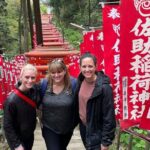
- Tsurugaoka Hachimangu Shrine: Starting With the Heart of Kamakura
- Zen Temples, Gardens, and a Buddha Moment
- Scenic Views on the Way: The Walking Part Is the Point
- Price and Value: What $87 Buys You (and What It Doesn’t)
- Who This Tour Is Best For (and Who Should Skip It)
- Should You Book This Kamakura Half-Day Tour?
- FAQ
- How long is the Kamakura half-day tour?
- Where do pickup and drop-off happen?
- Is transportation included in the price?
- What is included in the tour?
- What languages are available for the live guide?
- Are food and drink included?
- Are temple and park admission fees included?
- Is free cancellation available?
Key things to know before you go
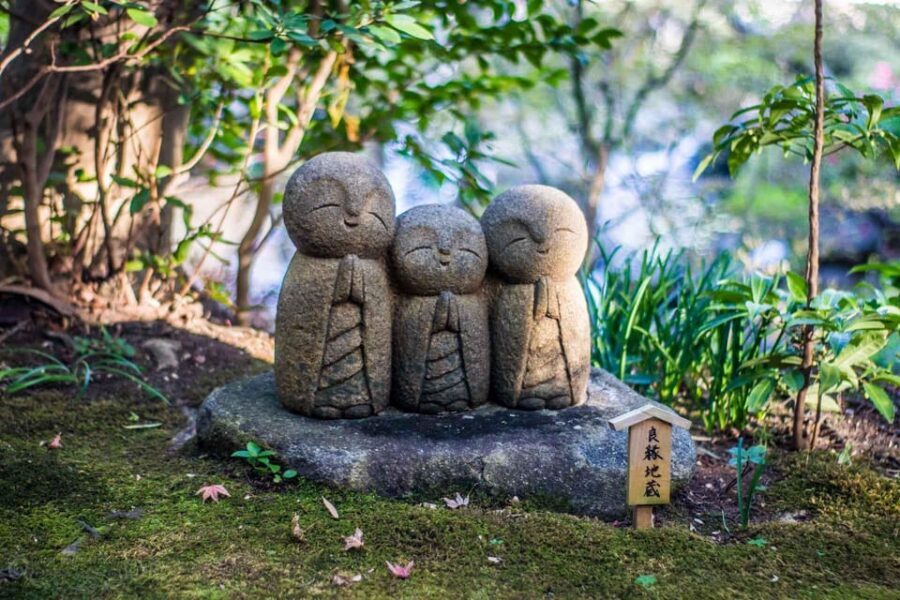
- Private, guided walking across Kamakura instead of a bus loop
- Tsurugaoka Hachimangu Shrine as the classic start point
- Zen temples, gardens, and a Buddha encounter for atmosphere and variety
- Local customization that can steer you toward the less-touristy feel
- No private-car transport, so you’ll cover transit and entrance fees
Why Kamakura Works So Well in Four Hours
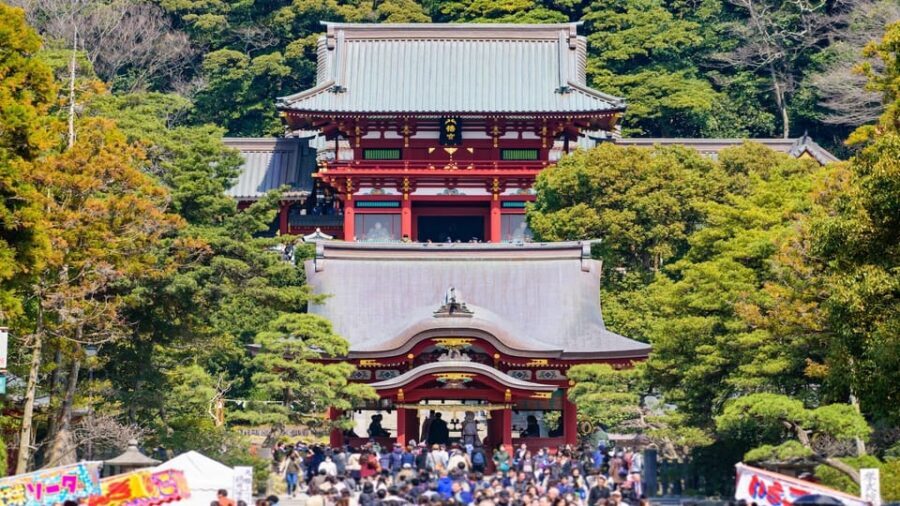
Kamakura is one of those places where the calendar doesn’t feel like a requirement. In just a half day, you can hit the town’s signature mix: shrine grandeur, temple calm, and those coastal-view streets that make the whole area feel different from Tokyo.
Four hours is a sweet spot if you’re staying in Tokyo and want an authentic taste without turning your day into a logistics project. You’ll be walking, but it’s designed as a manageable loop rather than a full-day hike. Also, because Kamakura is compact in the way that matters to visitors—dense enough to connect major sights—you don’t need to “race” to feel like you saw the right things.
This is where the local guide matters. A good guide helps you read what you’re looking at. You’re not just passing gates and statues; you’re learning what to notice—how shrines are laid out, how Zen spaces tend to feel, and what the gardens are doing for the mood. That context turns photos into understanding.
You can also read our reviews of more guided tours in Kamakura
Meeting Your Local Expert: Pickup From Tokyo or Kamakura, Without a Private Car
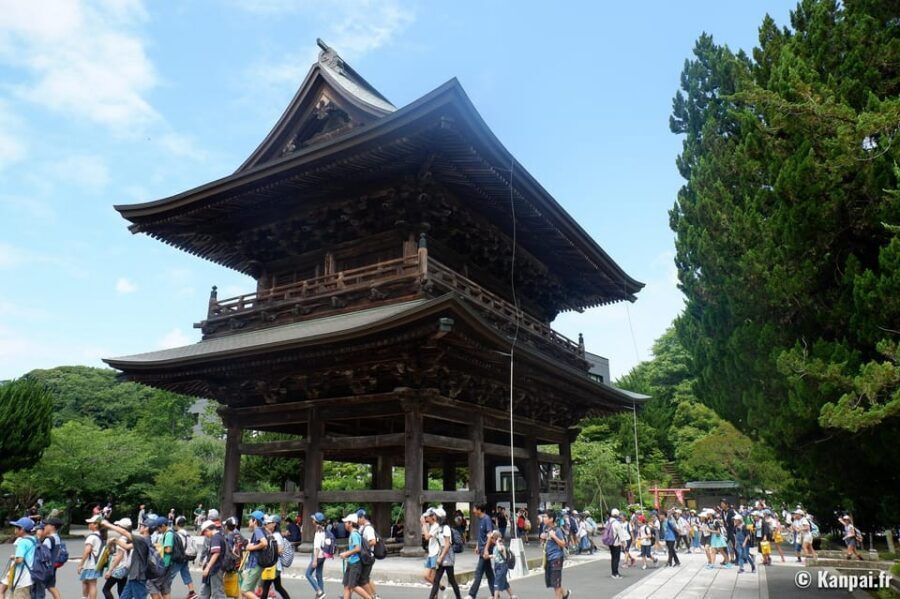
This tour is built as a walking experience with a local guide, not a car service. You’ll meet your guide either at your hotel or at a chosen agreed location, and the tour emphasizes walking rather than being transported door-to-door.
That sounds simple, and usually it is. But one thing to watch: if you’re expecting the “pickup” to mean your guide will physically ride you to multiple points by car, that expectation can clash with how the day is structured. The tour doesn’t include transportation costs, and it explicitly says there’s no private car service. In practice, what you might get is help with how to get around—like which trains to take—plus walking once you’re in the area.
For value, that distinction is key. Paying $87 per person gets you the guided experience and route navigation. It does not cover the city’s transit fare or entrance fees. If you budget for trains and any shrine/temple admissions, you’ll feel like you’re getting what you paid for: time with a local person who knows the flow.
The upside? Once you’re moving on foot, you get more of Kamakura’s “in-between.” You see streets you’d skip if you were being driven and dropped. You get those quick scenic views along the way that make Kamakura feel like more than a checklist.
Tsurugaoka Hachimangu Shrine: Starting With the Heart of Kamakura
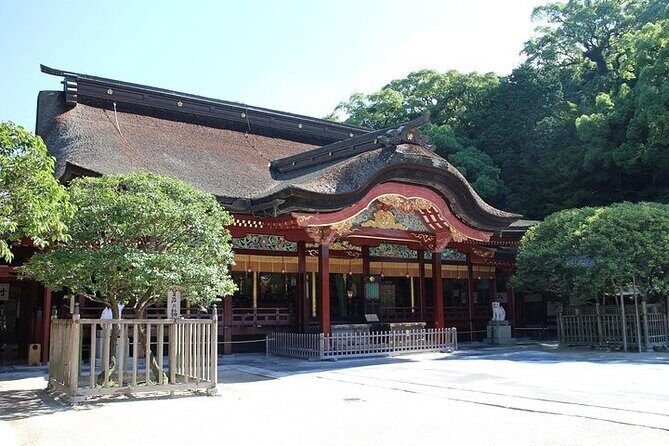
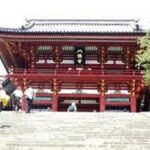
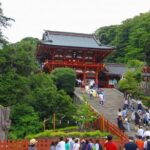
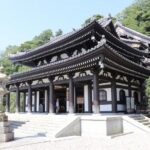
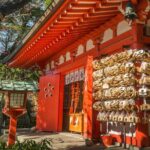
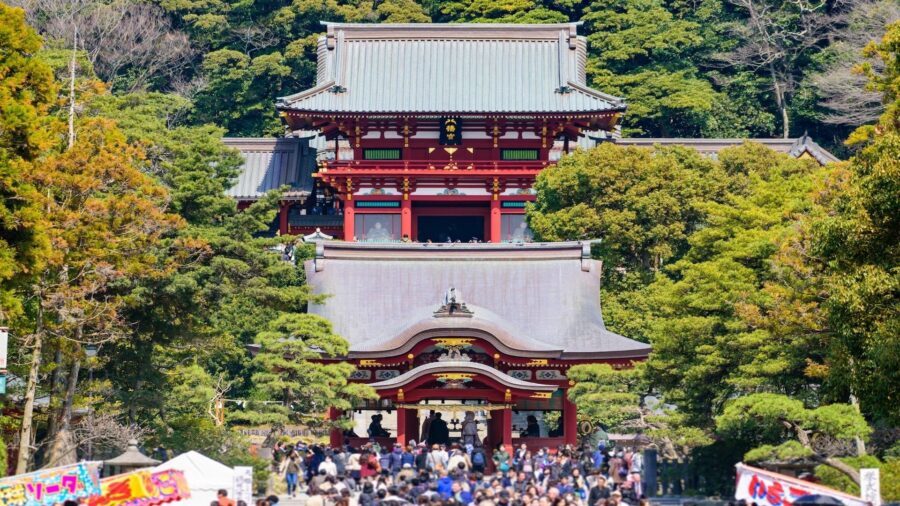
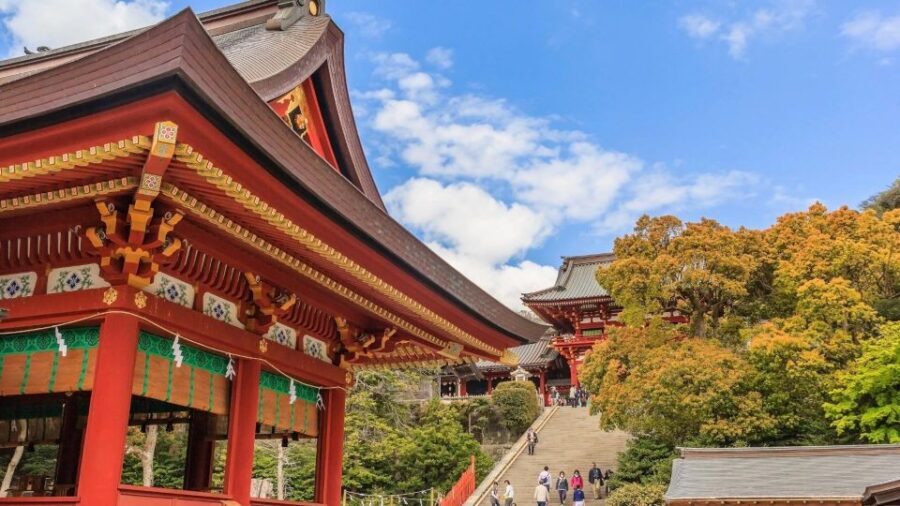
You’ll start by heading to Tsurugaoka Hachimangu Shrine, and that’s a smart move. It’s one of the town’s best-known anchors, so you get instant orientation—how the area feels, what the crowd level is like, and what kind of atmosphere you’ll be moving through for the rest of your half day.
More importantly, the shrine is not just a pretty place to photograph. It’s a strong entry point for understanding how Kamakura shows its history in everyday space. Even if you’ve visited other shrines in Japan, this one gives you a distinct Kamakura flavor—grand without feeling like a theme park.
When a local guide is with you, you also tend to see more than you would on your own. The guide can point out what people are doing and what you should pay attention to—like signs, layout cues, and the logic of how visitors move through the grounds. In one example of guide style, Raphael was noted for flexibility and for getting people out of the most obvious tourist-only path, which is exactly what can make a shrine stop feel fresh rather than repetitive.
Do plan for a bit of walking and slow moments. Shrine courtyards and approach areas can slow you down in a good way. If you rush through here, you miss the “why this town matters” feeling that makes Kamakura a worthwhile detour.
Zen Temples, Gardens, and a Buddha Moment
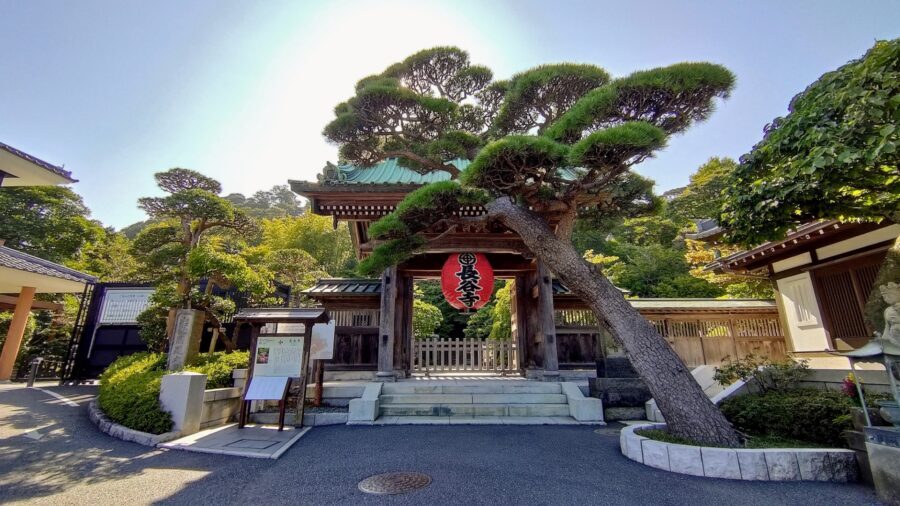
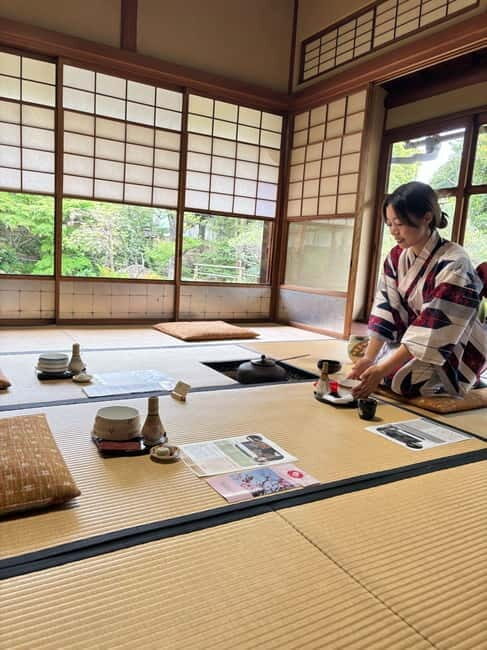
After the shrine focus, the tour shifts into the quieter side of Kamakura: Zen temples and gardens. This is where the experience can feel like two different worlds in one morning or afternoon—public ceremony energy at the shrine, then calmer, softer attention in the temple spaces.
You should expect time in garden settings and temple areas designed for reflection. The tour description promises lush garden surroundings, and that aligns with how Kamakura’s temple culture tends to feel. You’ll be moving at a walking-tour pace, but you’ll also get opportunities to slow down and absorb details.
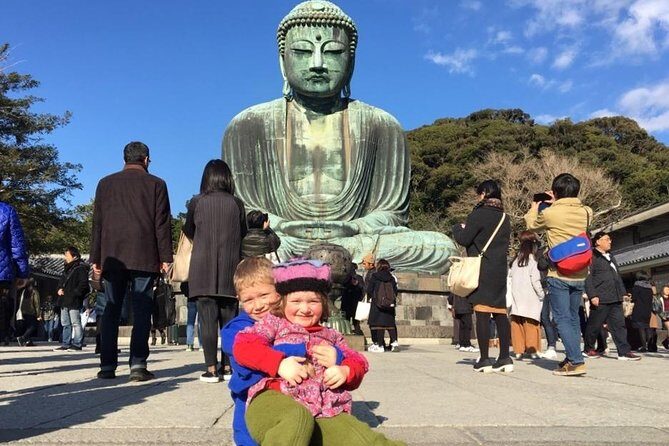
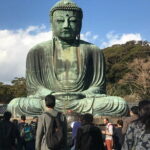
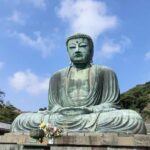
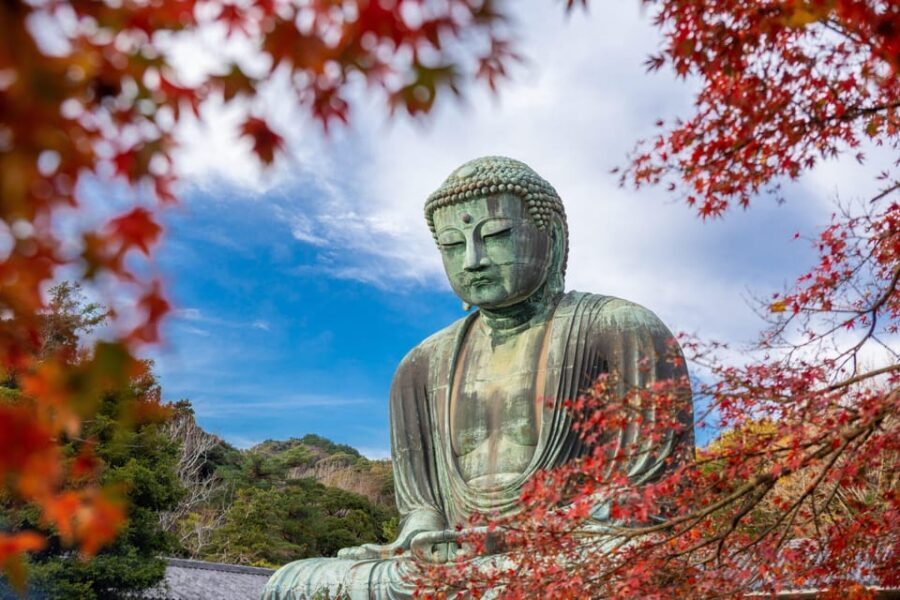
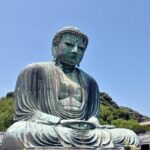
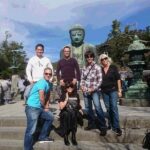
Many people come to Kamakura for the famous Buddha presence. One guide-led day here is described as including a temple and the Buddha, so you can expect at least a “major statue” highlight as part of the day. Even if you’re not a hardcore Buddhist history buff, that sight tends to land emotionally because it’s so visually commanding—and because it frames the seriousness of the temple setting.
The value of having a guide in this section is interpretation. Without that, you may see stone, incense, and gates and think you’ve basically “seen it.” With a guide, you’re more likely to understand what you’re looking at and why the space is arranged the way it is. That’s also where customization helps. Christine’s experience is a good example of how a guide can choose a small Zen temple that feels personal rather than just obvious. If you’re craving atmosphere over fame, this is the segment that can deliver.
A practical note: garden and temple areas are often photogenic, but they’re also easy to misread if you rush. Give yourself time. If your guide suggests a viewpoint or a quieter corner, take it. That’s where Kamakura’s tone shows up.
Scenic Views on the Way: The Walking Part Is the Point
This tour isn’t a drive-and-stop arrangement. It’s a walking route with scenic views on the way, and that matters more than most people expect.
Walking through Kamakura gives you three benefits:
- You see how the town connects its sights in real life, not just on a map.
- You notice the small texture—what locals pass on their way between places.
- You avoid the “where do we stand” friction that can happen when you self-plan.
It also means you’ll be on your feet for part of the day. If you’re someone who loves strolling but gets tired fast, treat the tour like a proper walking outing and bring comfortable shoes. Not fancy shoes. Comfortable. You’ll thank yourself.
This is also where guide personalities show up. One guide, Flo, was described as super helpful and supportive, even while learning certain location details. That tells you something important: the experience isn’t only about memorized facts. It’s about whether your guide helps you get oriented and keeps the pace smooth.
If you care about the in-between moments—quiet streets, small view angles, and the way the neighborhood shifts as you move—you’ll likely love this format.
Price and Value: What $87 Buys You (and What It Doesn’t)
Let’s talk money like adults.
$87 per person for a 4-hour private walking tour in Kamakura is not cheap, but it can be fair value if you treat it as paying for guidance plus time. You’re buying:
- A local guide who helps you navigate
- A walking route instead of self-planning stress
- A chance to customize what you see based on your interests
- Explanations that can turn shrine and temple stops into something more meaningful
What you are not buying:
- Transportation costs
- Food and drink
- Parks and temples admission
So the math depends on how you travel from Tokyo and whether you plan to pay entrance fees anyway. If you’re already planning to use trains and you’re budgeting for admissions, the total cost often comes out closer to what you expected. If you want zero additional spend beyond the tour price, this one will feel like it has extra layers.
Value also depends on expectations for pickup. If you assume the paid pickup option means your guide will provide transport, you could feel shortchanged. One participant specifically raised that mismatch—expecting a pickup-style ride but instead getting help figuring out trains and then visiting a more limited set of highlights. That doesn’t mean the tour is always like that, but it’s a reminder: with this style of tour, you’re paying for guided walking, not private vehicle logistics.
In short: this is a good value if you want local insight and a walkable structure, and you’re flexible about adding transit and small ticket costs.
Who This Tour Is Best For (and Who Should Skip It)
This tour fits best if you want a guided orientation and you enjoy walking through real neighborhoods, not just standing at landmarks.
You’ll likely enjoy it if:
- You’re visiting Kamakura as a day trip from Tokyo and want structure
- You care about understanding what shrines and Zen temples mean, not just photographing them
- You like customizing—so your guide can steer you away from the most obvious path
- You prefer a private group setup rather than joining a large crowd
You might want to reconsider if:
- You don’t like walking or aren’t comfortable with getting around by train on your own
- You expect transportation to be included in the sense of being driven around
- Your trip style requires low extra spending beyond the listed price
- You’re in the over-95 age bracket, since the tour isn’t suitable for people over 95 years
Also, languages matter. The guide can work in English, Japanese, and French, which helps a lot if you want real back-and-forth rather than generic commentary.
Should You Book This Kamakura Half-Day Tour?
I’d book it if your goal is a smart, guided introduction to Kamakura’s shrine-temple-garden feel and you’re comfortable paying for transit and admissions separately. The biggest strength here is the human part: a guide who can adapt to your time and interests, like the stories around Rafael’s flexibility or Raphaël’s francophone guidance, plus the day-to-day help that makes the walking route smoother.
I wouldn’t book it if you want a fully packaged, no-extra-cost transport day. This tour is honest about what it includes: the guide and walking tour. If you budget for trains and tickets, you’ll be happier.
If you’re on the fence, ask yourself two questions: Do I want local interpretation, not just sights? And am I okay covering transit and entry fees on top of the tour price? If the answers are yes, this is a solid way to experience Kamakura without turning your afternoon into a puzzle.
FAQ
How long is the Kamakura half-day tour?
It lasts 4 hours.
Where do pickup and drop-off happen?
Pickup options include Tokyo or Kamakura. Drop-off options include Kamakura or Tokyo.
Is transportation included in the price?
No. Transportation costs are not included, and there is no private car service.
What is included in the tour?
You get a walking tour and a meeting with your guide at your hotel or an agreed location on foot.
What languages are available for the live guide?
The tour offers live guiding in English, Japanese, and French.
Are food and drink included?
No. Food and drink are not included.
Are temple and park admission fees included?
No. Parks and temples admission are not included.
Is free cancellation available?
Yes. You can cancel up to 24 hours in advance for a full refund.