REVIEW · KYOTO
Secret Eastern Kyoto Biking Adventure
Book on Viator →Operated by 株式会社 MATATABI · Bookable on Viator
Kyoto looks different from a bike seat. This small-group ride is built for efficiency—using quiet side streets to dodge traffic while still hitting major sights. You’re guided with lots of cultural context, so the ride feels like moving through the city with a story, not just pedaling between stops.
I especially like two things: first, the mix of signature Kyoto moments—Gion streets, big torii, and temple gates—plus photo stops like Tatsumi Bridge. Second, you get a real break with matcha at Murinan, and it’s included.
One consideration: this is still a bicycle outing. It’s only 2 to 2.5 hours, but you’ll need moderate physical fitness, and the stops are short—so if you want slow, long temple wandering, you may feel a bit “on the go.”
In This Review
- Key highlights you’ll actually care about
- Why This Eastern Kyoto Bike Route Feels Like a Shortcut
- Meeting Point and the Bike-Fitness Reality Check
- Pedal Through Gion and Shirakawa Minami Avenue Photo Moments
- Heian Shrine’s Torii and the Keage Tunnel That Feels Like a Movie Scene
- Nanzenji Fukuchicho and the Garden Matcha Break at Murinan
- Temples, Gates, and Nenenokomichi’s Walkable Beauty
- Maruyama Park for Cherry Blossom Season (and the Pond Moment)
- Yasui-Konpiragu’s Rock and Kennin-ji’s Big Temple-Garden Feel
- Finishing Back in Gion: Same Neighborhood, Different Mood
- Price and Value for 2–2.5 Hours of Eastern Kyoto
- Who This Tour Fits Best
- Should You Book This Secret Eastern Kyoto Biking Adventure?
- FAQ
- How long is the Secret Eastern Kyoto Biking Adventure?
- What does the tour cost?
- Where does the tour start?
- How many people are on the tour?
- Do I need to be physically fit?
- Is matcha tea included?
- Is this tour good for kids?
- Is free cancellation available?
Key highlights you’ll actually care about
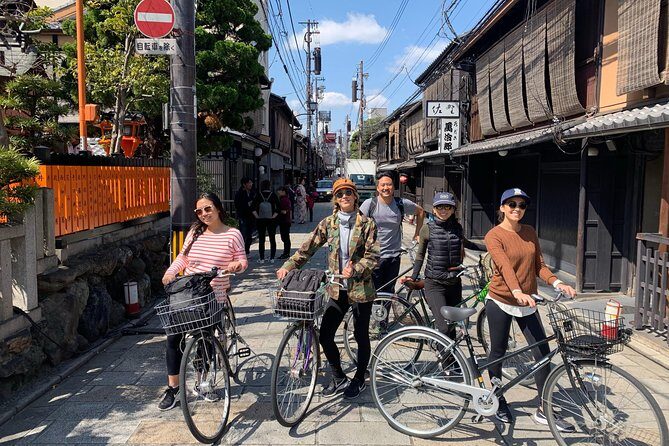
- Scenic backstreets that help you see more without getting stuck in traffic
- Gion twice—once near Shirakawa Minami Avenue and again through the geisha district
- Heian Shrine’s huge torii plus major eastern Kyoto temple scenery
- Keage Tunnel (Nejirimampo) for a memorable, very Kyoto photo moment
- Murin’an matcha tea included in a garden setting
- Max 4 people so pacing stays comfortable and personal
Why This Eastern Kyoto Bike Route Feels Like a Shortcut
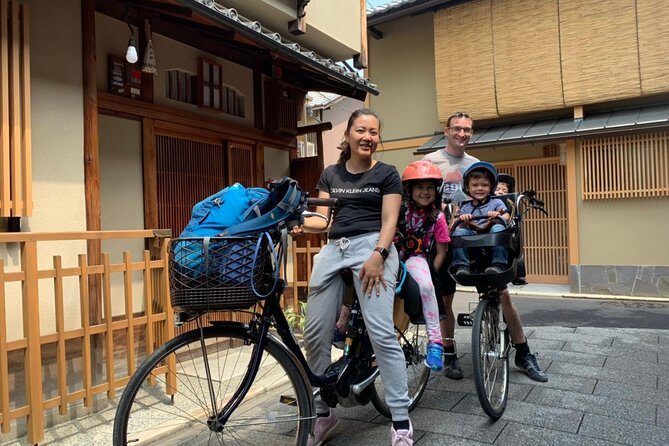
If you’ve tried to see Kyoto on foot, you know the math: you can spend half your day just getting from one “must-see” to the next. This bike adventure solves that problem in a very Kyoto way—by using scenic backstreets instead of the most crowded main roads. The result is that you spend more of your time looking at temples, shrines, and streets, and less time stuck in the city’s slower flow.
The tour also keeps you engaged. Even though you’re moving, you’re not left hanging. The guide’s descriptions of Japanese and Kyoto culture help you understand what you’re looking at—what certain shrines are for, why particular streets look the way they do, and what’s special about the places you pass.
And yes, it’s a “secret” style route. That doesn’t mean you’re off in a foggy nobody-place. It means the city feels less obvious and more lived-in, with angles and side streets you’d likely miss if you stayed on the standard walking paths.
You can also read our reviews of more cycling tours in Kyoto

Meeting Point and the Bike-Fitness Reality Check
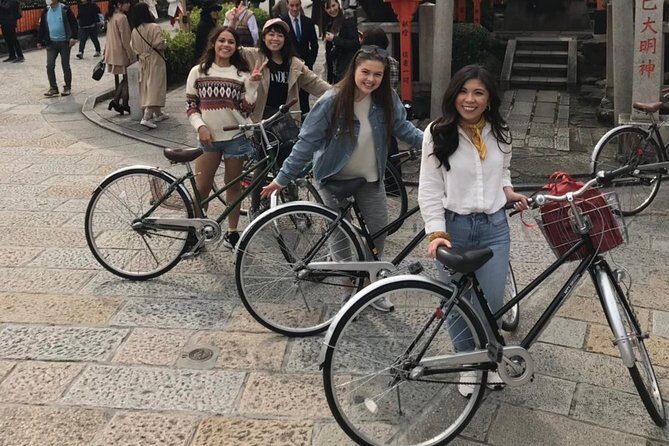
You start at Ōhashichō 117 (Kyoto, Higashiyama Ward), the Kyōsanh Sanjō North Building at 605-0009. It’s listed as being near public transportation, which matters because you don’t want to add a long scramble before your tour even begins.
You should have moderate physical fitness. This isn’t a “race” bike ride, but it’s also not a gentle stroll where you barely move. If you’re comfortable riding a bike for a couple hours with brief stops, you’ll be fine.
Also remember how the day is structured: it’s a sequence of short sightseeing moments. Many stops are around 5–20 minutes. That’s great for covering a lot, but it means you won’t have hours alone in each place. Think of it as getting the highlights and the context—then, if something really hooks you, you can return later on your own.
Pedal Through Gion and Shirakawa Minami Avenue Photo Moments
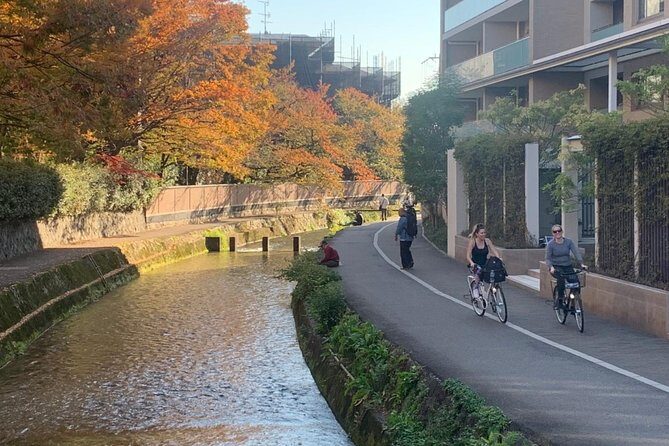
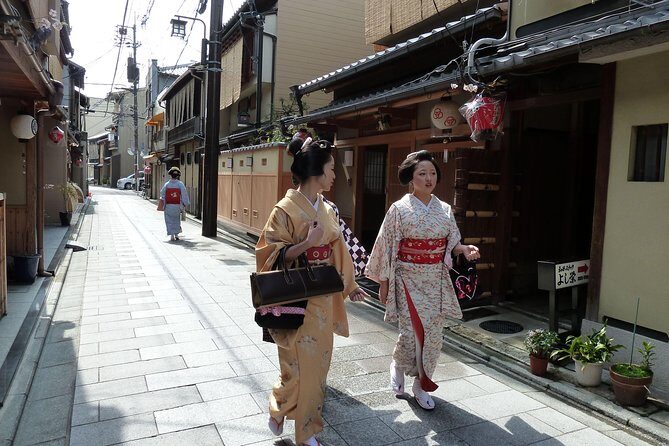
Your ride begins in the Gion area, with a stop at Shirakawa Minami Avenue—a historic street that’s famous as a wedding photography backdrop. Even if you’re not there for photos, this is one of those Kyoto streets where you immediately get why the look endures. You’re seeing the traditional street feel up close, not just from a distant viewpoint.
Then you’ll shift to a quick photo stop at Tatsumi Bridge. It’s short, but that’s kind of the point here: you get a clean, guided hit of visual variety without turning the whole tour into one long waiting game.
Gion is also a great area to start because it quickly establishes the vibe of the ride: elegant, compact, and full of small details. Coming back through Gion later in the tour makes the whole route feel like a loop through the city’s character rather than a straight line of sightseeing.
Heian Shrine’s Torii and the Keage Tunnel That Feels Like a Movie Scene
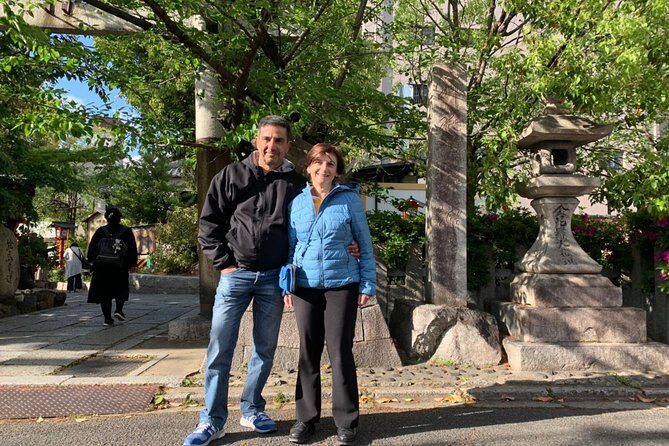
One of the biggest “wow” moments is Heian Shrine. The standout is the huge torii gate, and it’s exactly the kind of landmark that makes you stop thinking in terms of time and start thinking in terms of photos and scale. A torii this prominent doesn’t just look pretty—it signals importance and gives you a clear sense of Kyoto’s shrine culture at a glance.
After that, you’ll pause near Nejirimampo (Keage Tunnel). This is a great stop if you like unexpected Kyoto. Tunnels aren’t the first thing most people picture, but in the city, they become useful landmarks and visual signatures. Even with a short stop, you can frame the tunnel area for a very Kyoto-style shot—one that doesn’t look like generic “temple postcard” imagery.
If you’re someone who gets bored by repetitive sightseeing, this pairing helps. You get both a grand, formal shrine moment and a more quirky, local-feeling photo stop in the same segment.
Nanzenji Fukuchicho and the Garden Matcha Break at Murinan
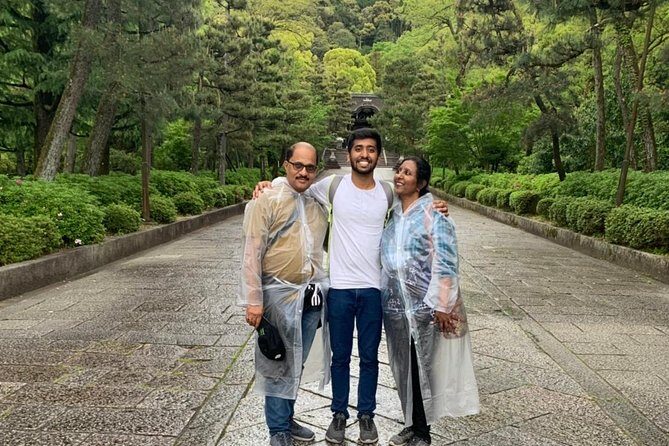
Next comes Nanzenji Fukuchicho, an important temple area in eastern Kyoto. You’ll get time to walk its grounds and absorb the atmosphere. This is the part of the tour where Kyoto feels less like a list of sights and more like a place with daily rhythm—paths, structures, and the slow spacing that temples tend to have.
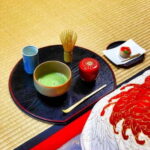
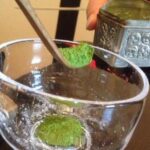
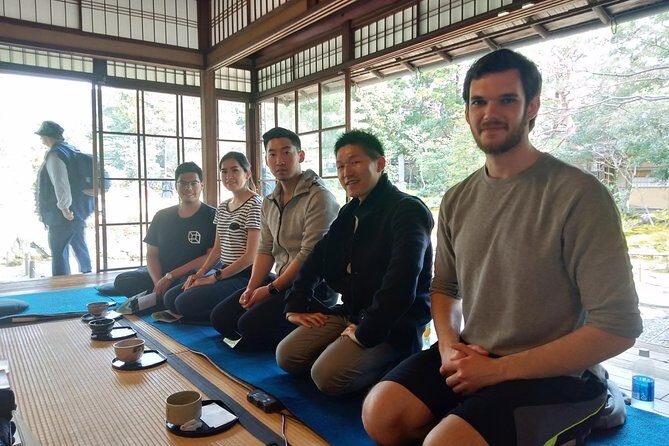
Then the tour gives you something practical: a break with local matcha tea at Murinan, and this one’s included. You’ll be in a garden setting, which is exactly what you want mid-tour. After cycling through streets and squeezing in short photo stops, tea time helps your brain reset—and it also lets you slow down enough to actually notice the small design details around you.
The matcha stop is one of the best value moments on this ride. It’s not just a souvenir pause. It’s tied to a specific location and a calm setting, so it feels like part of the cultural experience rather than a mandatory “buy something” pit stop.

Temples, Gates, and Nenenokomichi’s Walkable Beauty
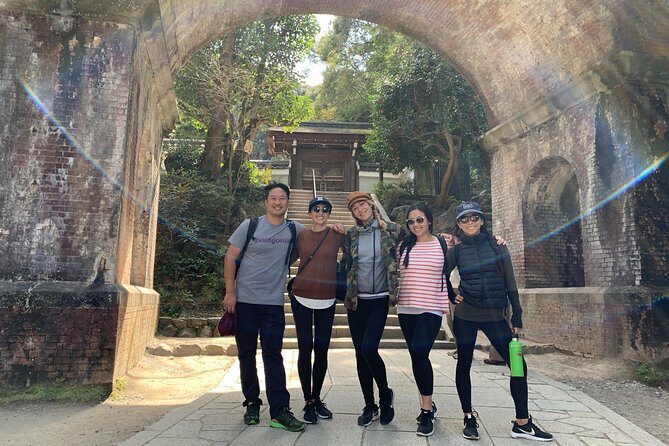
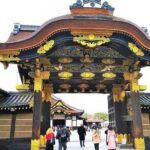
Between the major named sights, the route also includes a couple “look-and-see” moments that are still meaningful: you’ll visit a temple described as having an emperor’s sign, and you’ll also pass a huge gate and temple. These kinds of stops matter because they add texture. Instead of only hitting the headline sights, you get glimpses of the deeper Kyoto idea: big symbolism placed into everyday places.
Then you’ll head to Nenenokomichi, a beautiful path with interesting scenery. This is one of those stops where the ride quiets down. With a short time window, you’re not wandering for hours, but you can still enjoy the sense of moving through a designed pathway—like Kyoto is steering you gently from one mood to the next.
If you’re the type who likes to feel the city’s pace with your own eyes, these path-and-gate moments are where you’ll get the most satisfaction from a short tour time.
Maruyama Park for Cherry Blossom Season (and the Pond Moment)
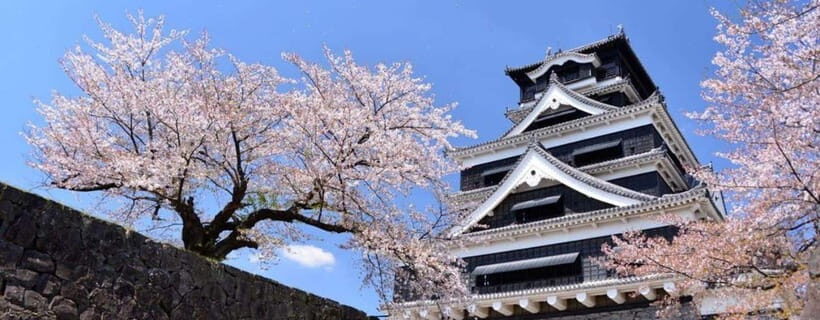
Maruyama Park is often thought of for cherry blossoms, and the tour specifically calls it out as a top cherry blossom place. If you’re there in bloom, you’ll get that classic park feeling—petals, crowd energy, and the soft look of the gardens.
Even outside blossom season, parks like this are worth a stop because of the pond setting and the garden layout. The key benefit is timing: you get to see it while the tour is flowing, so you’re not spending your day lost between major destinations.
This stop also balances the route. Up to this point you’ve had torii, temples, and a tunnel. A park gives your eyes a change of texture, and it breaks the “stone and wood only” rhythm.
Yasui-Konpiragu’s Rock and Kennin-ji’s Big Temple-Garden Feel
The ride continues to Yasui-Konpiragu, described as having a greatest rock you can see. Even though the stop is brief, this is the kind of Kyoto detail that makes your photos feel more local. It’s also a reminder that shrines here aren’t just architecture—they’re built around specific objects and symbols people come to see and honor.
Then you’ll visit Kennin-ji Temple, which is known here for huge gardens and paths. This stop is your last major temple segment before heading back toward the Gion area. It’s the kind of place where, even with a short visit, you get a sense of space—because temple gardens tend to give you depth and layers rather than one straight view.
The tour’s design is smart here: Kennin-ji lands late enough to feel like a finale. You’ll finish with your eyes trained to notice more—gates, paths, garden shapes, and how the city frames sacred space.
Finishing Back in Gion: Same Neighborhood, Different Mood
You end back near Gion again, spending time in the geisha district area. Returning to the same neighborhood late in the ride changes how it feels. Early in the tour, you’re spotting key streets and landmark vibes. Late in the tour, you notice the atmosphere more—the way the street design and sightlines shape what you see.
This “back to the start” finish also helps you remember Kyoto like a story with chapters instead of a checklist. When you’re done, you’re near a well-known area again, so you can easily extend your day with dinner or a nighttime walk.
Price and Value for 2–2.5 Hours of Eastern Kyoto
At $119 for a 2 to 2.5 hour experience, the price can feel like a lot—until you look at what you actually get.
You’re paying for:
- A guided ride that uses backstreets to save time
- Multiple major sights in a tight route
- Lots of cultural explanation so the stops mean something
- A matcha tea included at Murinan
- Many stops listed as having free admission tickets, which cuts down on the usual “pay again and again” feeling that happens with sightseeing days
Also consider the group size. With a maximum of 4 travelers, you’re less likely to feel rushed or lost in a crowd. For a short, moving tour, that small size is a big quality factor.
So the real value isn’t just the bike. It’s the time efficiency plus the guided context—exactly what you want when you have limited hours and want to feel like you saw the right mix of iconic and less-expected Kyoto.
Who This Tour Fits Best
This works well for you if:
- You want an efficient Kyoto route without spending half the day traveling by foot
- You enjoy photo stops and landmark contrasts (torii gates, tunnels, paths, gardens)
- You like learning the cultural meaning behind what you see, not just collecting stamps
- You prefer smaller groups and a relaxed pace
It might not be ideal if:
- You want long, slow temple time without cycling again right after
- You don’t like sharing a schedule at all (this is a structured ride)
- You’re worried about riding a bike for the duration—moderate fitness is requested
Should You Book This Secret Eastern Kyoto Biking Adventure?
I’d book it if you’re coming to Kyoto with limited time and you want a route that feels both practical and genuinely Kyoto. The small group size, the backstreet approach, and the matcha inclusion make the $119 feel more justified than many “sightseeing bundles.”
If you’re the kind of person who gets more excited by moving through neighborhoods than by standing in line at attractions, you’ll enjoy this. And if you’re cherry blossom hunting, you’ll like Maruyama Park—just plan around season timing.
One last thought: wear comfortable clothes and shoes you can ride in comfortably. Then let the stops do what they’re designed to do—give you big Kyoto moments with just enough time to leave wanting more.
FAQ
How long is the Secret Eastern Kyoto Biking Adventure?
It runs about 2 to 2.5 hours.
What does the tour cost?
The price is $119.
Where does the tour start?
It starts at Japan, 605-0009 Kyoto, Higashiyama Ward, Ōhashichō, 117 京阪三条北ビル.
How many people are on the tour?
The tour has a maximum of 4 travelers.
Do I need to be physically fit?
The tour asks for travelers with moderate physical fitness.
Is matcha tea included?
Yes. Matcha tea at Murinan is included.
Is this tour good for kids?
Children aged 1–3 are welcome, but a special bike is required and an additional fee of ¥2,500 per bike may be charged if available.
Is free cancellation available?
Yes. You can cancel for a full refund if you cancel at least 24 hours before the experience starts. Free cancellation is available, and confirmations are received at booking time.
![[Narita Airport Terminals 1, 2] 40-60km Sawara Itako Historic Bike Tour - The Route: Tone River Cycling Road to Edo Sawara and Katori Jingu](https://images.thejapantraveler.com/wp-content/uploads/narita-airport-terminals-1-2-40-60km-sawara-itako-historic-bike-tour.jpg)