REVIEW · TOKYO
Yokohama : Tea Ceremony with Sweets and Souvenir
Book on GetYourGuide →Operated by RyotaAwashima · Bookable on GetYourGuide
Tea ceremony time in Yokohama can feel surprisingly personal. I love brewing your own tea instead of just watching, and I also like how hosts Ryota and Sarina keep the mood friendly and talk-to-you, not lecture-y. One possible drawback: it’s only 1 hour, so if you’re hoping for a long, formal multi-course ceremony, this format may feel a bit short.
This is built for overseas visitors who want Japanese culture without the stress. You’ll taste traditional sweets matched to your cup, then end with a take-home tea set. If you prefer very quiet, silent experiences, the small group chatting may feel a little more social than you expect.
In This Review
- Key points worth your attention
- What This 1-Hour Tea Ceremony Really Delivers in Yokohama
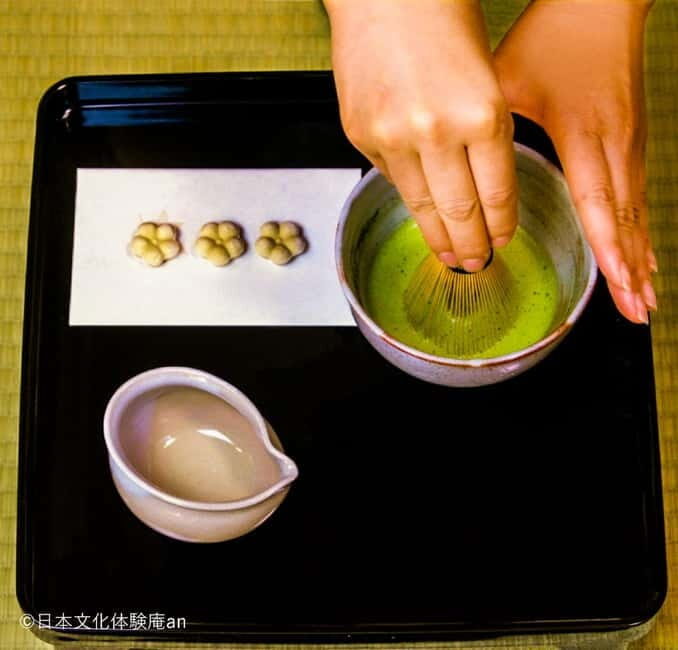
- Brewing Your Own Japanese Tea: The Part That Makes It Click
- Practical tip before you go
- Sweets That Pair With Your Tea (and Why That Matters)
- Meeting Ryota and Sarina: Friendly Guidance in English
- Before and After the Ceremony: How the Time Feels
- The Take-Home Tea Set: What You’re Paying For
- Who This Tea Ceremony Is Best For
- Price and Logistics: Making the Booking Feel Worth It
- Should You Book This Yokohama Tea Ceremony?
- FAQ
- How long is the Yokohama tea ceremony?
- Is the tea ceremony conducted in English?
- What’s included in the price?
- What is the group size?
- Where is the meeting point?
- Can I bring a camera?
- Is there free cancellation?
Key points worth your attention
- Brew the tea yourself with step-by-step guidance in English
- Sweets are chosen to pair with the flavors of the tea you’re making
- Small group size (up to 10) keeps things relaxed and interactive
- Ryota and Sarina’s hosting makes it easy to ask questions and chat
- You get an original souvenir: a beautifully crafted tea set
What This 1-Hour Tea Ceremony Really Delivers in Yokohama
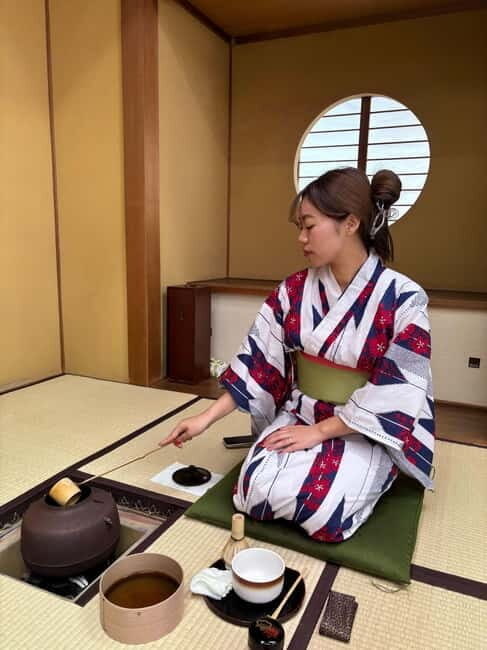
Think of this as a practical, friendly entry point into Japanese tea culture. The goal isn’t to turn you into a tea master in sixty minutes. It’s to give you the core steps, the tasting logic, and the social side of the tradition—so you leave with something you can actually recreate and remember.
The time plan is tight for a reason. If you’ve been sightseeing all day in Yokohama, you probably want a break that feels meaningful but doesn’t eat your whole evening. This one-hour format gives you a calm reset. It’s also easy to fit into a day that already includes shopping, waterfront walks, or museum time.
And yes, you’ll do more than sip. You’ll learn how to brew your tea with help from an English-speaking guide. That matters because the ceremony makes sense through actions: how you handle the tools, when you pour, and how you taste the result.
A few more Tokyo tours and experiences worth a look

Brewing Your Own Japanese Tea: The Part That Makes It Click
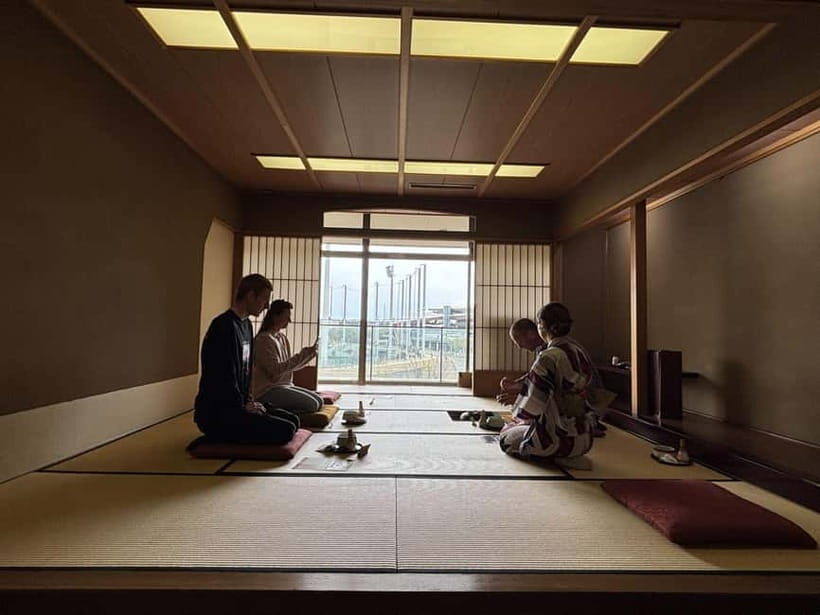
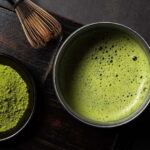
The headline here is hands-on tea brewing. You’re not just seated while someone performs. You get guidance as you brew, which is how the tea ceremony becomes understandable instead of mysterious.
In this session, the guide teaches you the correct way to brew in a way that works for English speakers. That’s a big deal. Tea traditions can come with a lot of rules, and you don’t want to feel lost while everyone else seems fluent. With the instructor talking you through it, you’re able to connect the steps to the flavor in your cup.
From the experience itself, you’ll also learn the ceremony mindset: tea isn’t only about taste. It’s also about attention. People sit together, slow down, and focus on small details. When you brew your own, you naturally pay attention—because you’re responsible for the outcome.
Practical tip before you go
Bring your camera. Photos are specifically mentioned as allowed, and it helps you capture the tools and the tea moment while it’s fresh in your mind. Just don’t expect a guided “photo session.” The focus is still the brewing and tasting.
Sweets That Pair With Your Tea (and Why That Matters)
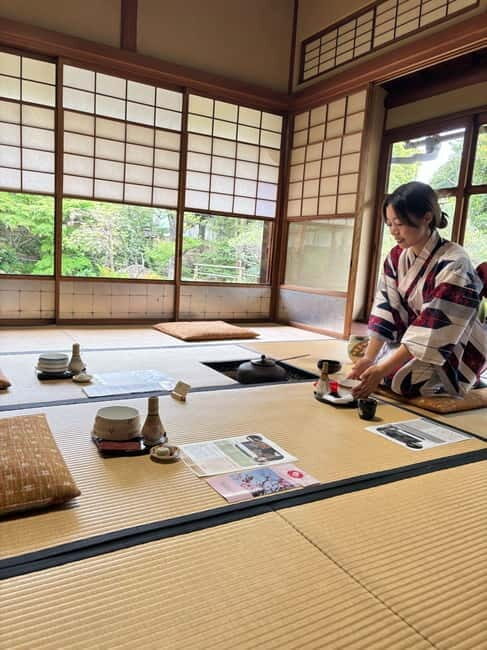
Japanese sweets aren’t an afterthought here. You’ll get traditional sweets served with the session, and each sweet is selected to bring out the unique flavors of the tea you’re brewing.
This pairing is more useful than it sounds. If you’ve only had matcha or other Japanese teas as drinks, you might not realize how much sweetness texture and flavor balance can change what you notice in the tea. The snack isn’t just sugar. It’s part of the tasting lesson.
The best part is that you get to experience the match between tea and sweet in real time. You’ll taste, notice how the sweetness affects the tea’s feel, and then you can connect that to the guide’s explanations. That’s how you go from curious to confident.
If you’re worried you won’t like sweets, don’t. You’re not being asked to pick from a buffet. You’re experiencing a curated pairing. And if you do like desserts, this is a very good time to enjoy them properly.
Meeting Ryota and Sarina: Friendly Guidance in English
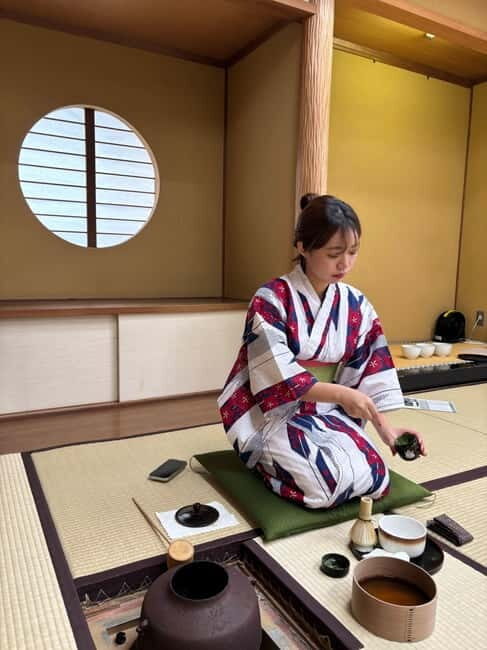
A lot of cultural activities promise “English support.” This one actually leans into it. The session is led by English-speaking instructors, and the structure is designed so you can ask questions and follow along without guessing.
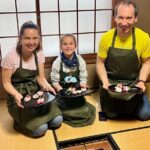
In particular, hosts Ryota and Sarina stand out in the way they make people feel at ease. In multiple experiences, people describe the hosts as warm, helpful, and easy to talk with—so the session doesn’t feel like a classroom. It feels like a friendly introduction.
That tone matters for a first-time tea ceremony. If you show up feeling awkward, the experience can either freeze you or relax you. Here, the vibe is built for comfort. You’ll get explanations, but you’ll also have room to chat.
One more bonus: in at least one experience, the hosts took plenty of pictures and shared them afterward. If you want real memories, not just a few blurry phone photos, that’s a nice extra.






Before and After the Ceremony: How the Time Feels
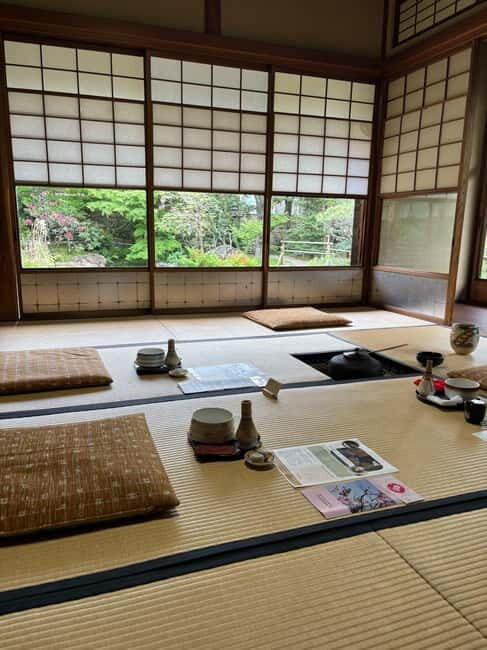
Even though the tea part is the core (and it lasts about an hour), the surrounding flow can make the day feel smoother.
Some experiences include a meet-up from a lodging, with arrival in a vehicle. In one case, hosts met the group at a hotel in a Tesla. After a short setup period, you may also have a chance to walk in a Japanese garden while things are prepared. That kind of quiet, green pause can be a great warm-up before you sit down for tea.
After the ceremony, people typically have time for conversation and then wrap up with the souvenir. Depending on your plan that day, the timing can be convenient: it’s short enough that you won’t feel rushed, but structured enough that you won’t be waiting around.
The Take-Home Tea Set: What You’re Paying For
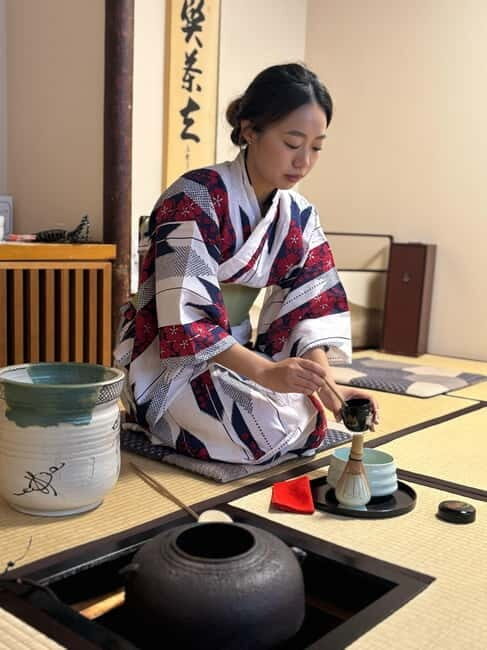
Let’s talk value, because $45 is not pocket change.
What you’re buying isn’t only a cup of tea and a sweet. You’re buying a taught experience plus a take-home tea set that’s described as beautifully crafted and practical. That souvenir is the part you’ll still have weeks later. It turns the memory into something physical.
In other words: the price pays for learning time, guided hosting, traditional tasting, and an actual product you can use. If you like Japanese design or you want an easy way to remember your trip beyond photos, this souvenir is a strong reason to choose this over the more basic tea tastings you might find elsewhere.
Also, the group size is limited to 10 participants. Smaller groups usually mean better attention during the brewing steps. You’re not fighting for instructor time.
Who This Tea Ceremony Is Best For
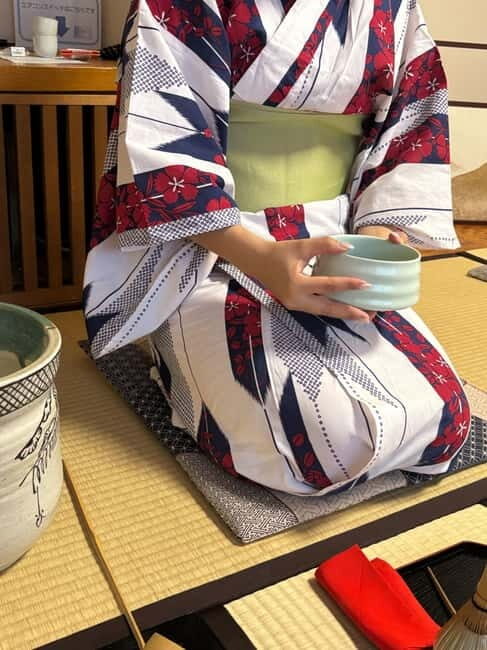
This works especially well for:
- First-timers who want a real Japanese cultural activity without a steep learning curve
- People who want a calm break during a Yokohama sightseeing day
- Solo visitors who want conversation built in, not just a seat and a schedule
- Couples or friends looking for a shared experience that feels personal
If you’re traveling with limited time and want something that feels authentic, this hour-based format is a good match. It’s also a solid pick if you don’t want to spend your evening doing intense walking.
On the flip side, if you’re expecting a long, highly formal ceremony with strict silence and zero interaction, you may find the relaxed, chat-friendly atmosphere not quite what you want.
Price and Logistics: Making the Booking Feel Worth It
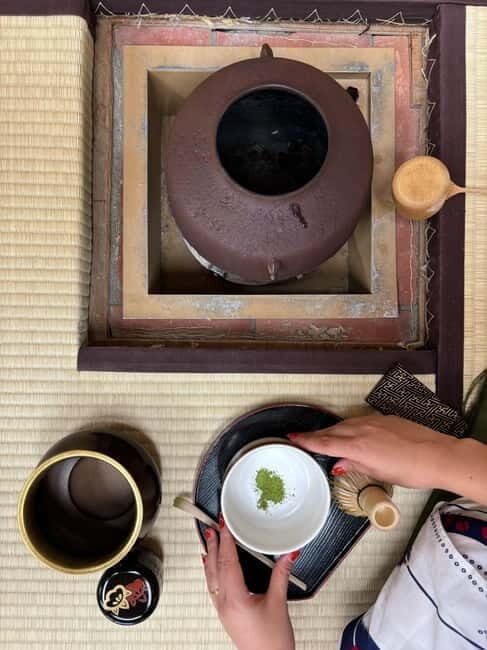
At $45 per person for about 1 hour, the best way to judge value is by the bundle:
- guided tea brewing with English support
- Japanese sweets paired to the tea
- a take-home, beautifully crafted tea set souvenir
- a small group capped at 10
Add those together, and it starts to look like a “learn + taste + keep” experience rather than a simple tasting ticket.
Logistics are also fairly traveler-friendly. Your meeting point varies based on the tea room location, and you’ll be contacted. The session also notes an express security check, which can help keep the day from turning into line-waiting.
You can bring a camera, and smoking isn’t allowed. That’s it. No complicated packing list.
Should You Book This Yokohama Tea Ceremony?
Yes, if you want a short, meaningful cultural experience with real participation. The combination of hands-on tea brewing, English-friendly guidance, and a take-home tea set makes this a strong value for a single hour.
Book it if:
- you want something calmer than a full-day tour
- you like learning by doing
- you’ll appreciate the pairing of tea and traditional sweets
- you want a souvenir that’s more than a sticker
Skip it if:
- you want a long, formal, silent ceremony
- you strongly prefer very private experiences and zero group interaction
- you’re only interested in drinking tea, not learning the process
If you fit the first group, this is a very practical way to experience Japanese tea culture in Yokohama without overplanning your day.
FAQ
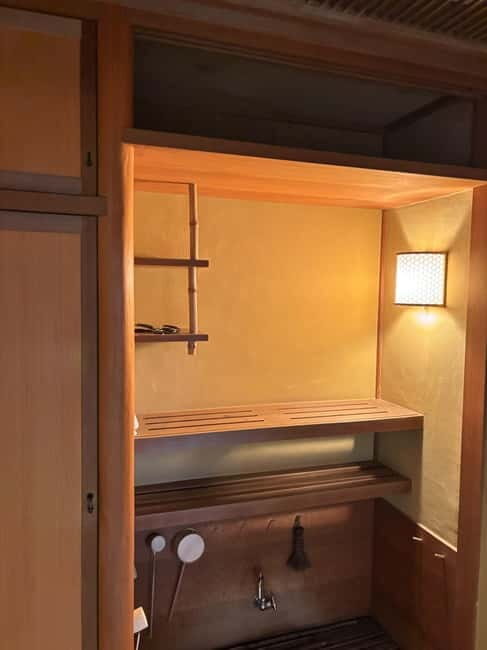
How long is the Yokohama tea ceremony?
The experience lasts 1 hour.
Is the tea ceremony conducted in English?
Yes. The guide/instructor speaks English.
What’s included in the price?
You get an English-speaking guide, a traditional tea brewing session, Japanese sweets, and an original Japanese souvenir (a tea set).
What is the group size?
It’s a small group limited to 10 participants.
Where is the meeting point?
The meeting point varies depending on the location of the tea room, and you’ll be contacted with details.
Can I bring a camera?
Yes, a camera is allowed.
Is there free cancellation?
You can cancel up to 7 days in advance for a full refund.
If you want, tell me what month you’re going and whether you’ll be based near Yokohama Station or the waterfront, and I’ll suggest a simple day plan that pairs well with this 1-hour experience.