REVIEW · KYOTO
Fushimi Inari & Nara Highlights Walking Tour
Book on Viator →Operated by KAMNAVI Tours · Bookable on Viator
Kyoto and Nara in one day is a smart move. I like how this tour trades map-studying for a private guide and a clean route, so you can spend your energy on the sights. I also love the photo payoff, especially with Kasuga Grand Shrine and its lantern-filled precincts. The only real consideration: it is a packed schedule, so if you want long, slow wandering in just one place, this may feel a bit fast.
You start the day in Kyoto and finish at Nara Station, which is exactly what you want if time is tight. At the core, you get a focused mix of Shinto and Buddhist Japan, with memorable architecture stops that are easy to understand when a guide is pointing things out as you walk.
In This Review
- Key highlights at a glance
- Why this Fushimi Inari and Nara combo works
- The 9:00am start: using Kyoto Station as your launch pad
- Stop 1: Fushimi Inari Taisha Otabisho and the torii tunnel feeling
- Walking through the torii gates: how to enjoy it without rushing
- The Nara transition and Todai-ji’s “largest wooden building” moment
- Inside Todai-ji: what you are really paying for
- Stop 3: Kasuga Grand Shrine and the lantern photo dream
- The private guide effect: fewer hassles, more learning
- How the 6-hour pace feels (and when it might not)
- Price and value: what is included, what you pay extra
- Practical tips for a smoother day
- Who should book this tour
- Should you book?
- FAQ
- What are the main places this tour visits?
- How long is the tour and where does it start and end?
- Is the guide fare included in the price?
- Are admission fees included for Todai-ji?
- Does the tour include transportation between Kyoto and Nara?
- Is this tour private?
Key highlights at a glance
- Fushimi Inari’s torii tunnel, Otabisho side for a huge, instantly recognizable photo moment
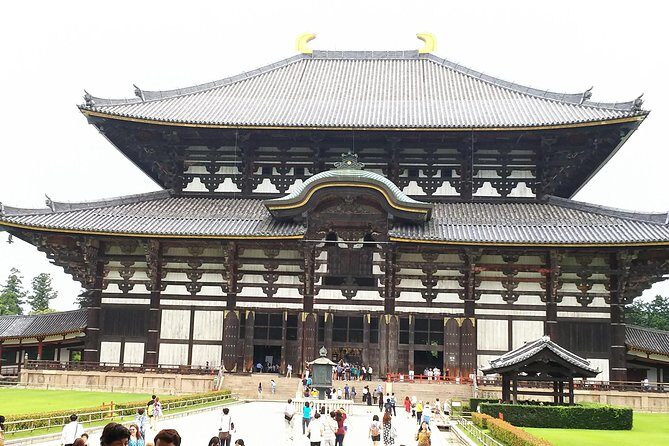
- Todai-ji’s grand wooden scale and a first-hand feel for the temple’s interior approach
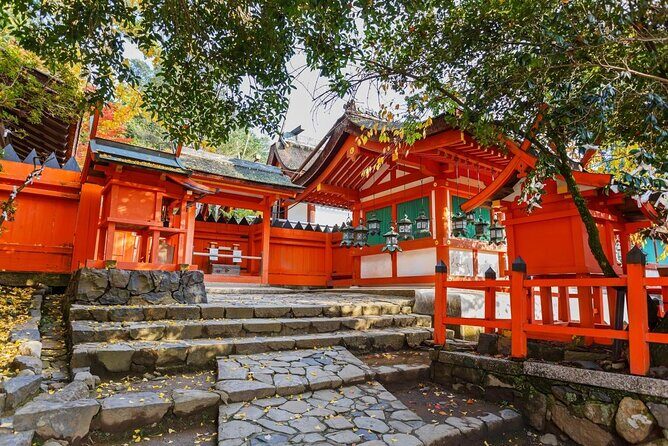
- Kasuga Grand Shrine’s lantern precinct with famous density of lanterns and historic depth
- Private guiding for navigation so you do not waste time figuring out where to go next
- One-day Kyoto-to-Nara flow that helps you see more without planning strain
Why this Fushimi Inari and Nara combo works
If you have limited time in Japan and Fushimi Inari and Nara are both on your list, this is an efficient pairing. Fushimi Inari gives you that unmistakable vermilion torii tunnel experience in Kyoto. Then Nara shifts the mood to monumental Buddhist architecture and a shrine complex with lanterns everywhere.
What makes the tour feel valuable is that it is not just a checklist. You are walking with an expert route and timing, which matters because these sites can be overwhelming on your own. Even if you are a seasoned traveler, once you step into the torii paths or into major temple grounds, it is easy to waste time backtracking. A private guide helps you get your bearings fast.
You can also read our reviews of more walking tours in Kyoto



The 9:00am start: using Kyoto Station as your launch pad
The tour starts at Kyoto Station at 9:00am and ends at Nara Station. That is a practical setup because Kyoto Station is a hub, and it keeps your morning stress low. You can show up, meet your guide, and get moving instead of coordinating separate transit plans mid-day.
Because it runs about 6 hours, you are getting a day-trip rhythm rather than a half-day shuffle. You will likely be transitioning from Kyoto into Nara during the tour window, and the schedule assumes you can keep a steady pace between highlights.
If you care about photos, a guided start time helps. You are not trying to squeeze everything into the last daylight minutes by guessing where the best angles are.
Stop 1: Fushimi Inari Taisha Otabisho and the torii tunnel feeling
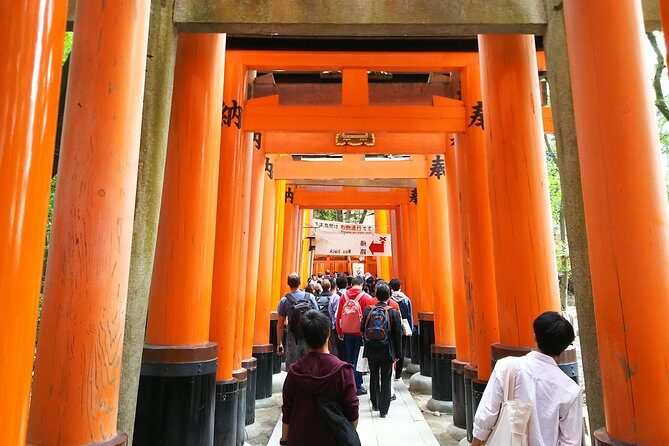
Fushimi Inari Taisha is one of those places where the scale hits you before you even understand the details. This tour focuses on the Otabisho area first, which puts you right at the entry to the famous tunnel of thousands of vermilion torii gates.
Here is the experience you should expect:
- A strong visual “wow” moment right away, because the torii path acts like a corridor
- Time to walk through and frame photos without constantly stopping to figure out directions
- A bit of context about why these gates exist and what worshippers intended by donating them
One reason this start is smart is that it sets the emotional tone for the whole day. You begin with a Shinto shrine identity that is instantly legible: the torii tunnel is the signature. Then your later stops in Nara become easier to appreciate because you can contrast Shinto shrine design with Buddhist temple grandeur.
Walking through the torii gates: how to enjoy it without rushing
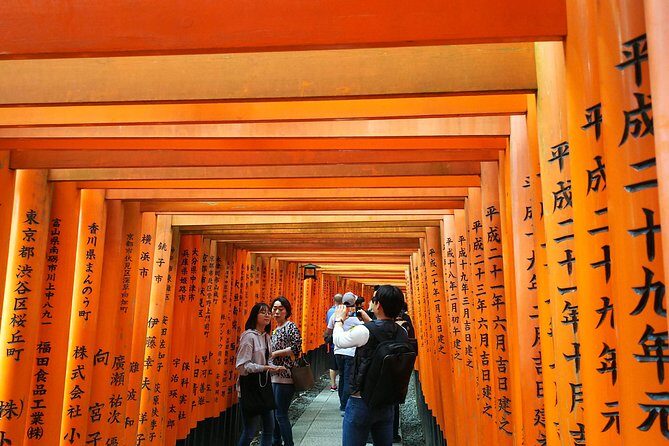
The torii tunnel is world-famous, and for good reason. The gates are donated by worshippers as part of religious practice tied to good fortune, so you get more than a decorative walkway. It feels purposeful.
My advice for enjoying this section:
- Move at a steady walking pace first, then slow down for photos once you have a sense of the path depth.
- Look for how the gates repeat and narrow the perspective. That repetition is what makes the corridor feel so dramatic in pictures.
- If you are traveling with someone who wants different photo styles, split up briefly only if you can regroup quickly. In these crowded sacred paths, it is easy to lose time.
A small drawback: the torii area can be visually dense. If you chase every perfect shot instantly, you might miss the atmosphere that builds as the corridor continues.
The Nara transition and Todai-ji’s “largest wooden building” moment
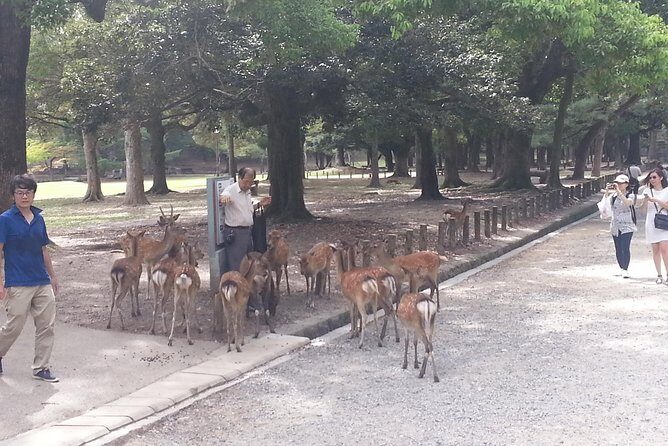
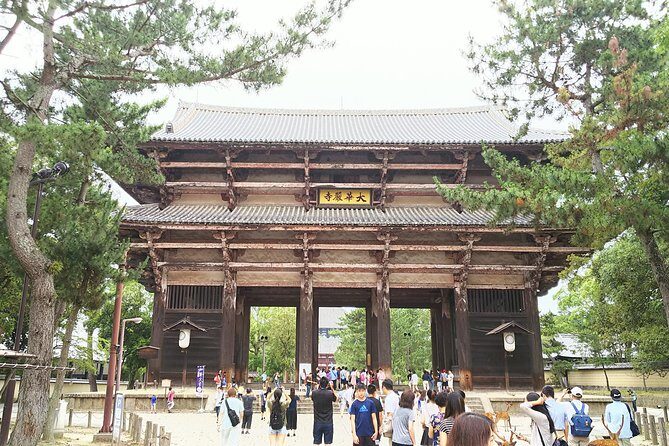
After Fushimi Inari, you head into Nara for one of Japan’s big hitters: Todai-ji. The tour time at this stop is about 1 hour, and it is aimed at getting you into the temple experience without a long detour.
The key feature here is scale. Todai-ji is renowned as the largest wooden building in the world. Even before you focus on the main buildings, the approach corridor can feel surprising, because you enter a space where everything is larger than it looks from a distance.
A couple practical things the tour emphasizes:
- You cleanse hands and mouth at a purifying trough at the start of the temple visit.
- You spend time inside the corridor area so you notice the proportions rather than just walking straight through.
About timing: it is a day trip from Kyoto, and in the same trip context you can think of it as roughly an hour by train. That helps you plan mentally. You are not losing your whole day just getting there; you are arriving with enough time to actually see and understand the highlights.

Inside Todai-ji: what you are really paying for
Todai-ji can be overwhelming because it is a large complex with lots of visitors and multiple areas to focus on. This is exactly where a guided approach has value. A guide can help you avoid spending your hour wandering in circles or missing the most meaningful entry flow.
One thing to keep in mind: the admission fee for Todai-ji is not included. The tour includes the guide fare, but Todai-ji itself requires an extra ticket. The upside is that, when you do pay, your hour is structured to help you make sense of what you are seeing rather than treating the visit like a fast photo sprint.
If you love architecture and history, this is a strong stop because it is about form, structure, and material scale—things you can feel right when you step into the corridor.
Stop 3: Kasuga Grand Shrine and the lantern photo dream
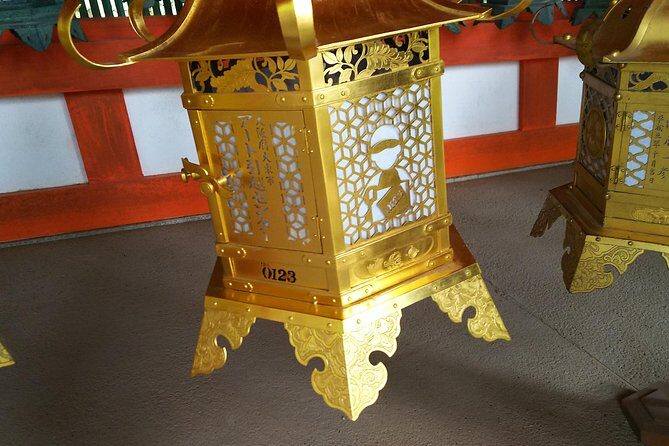
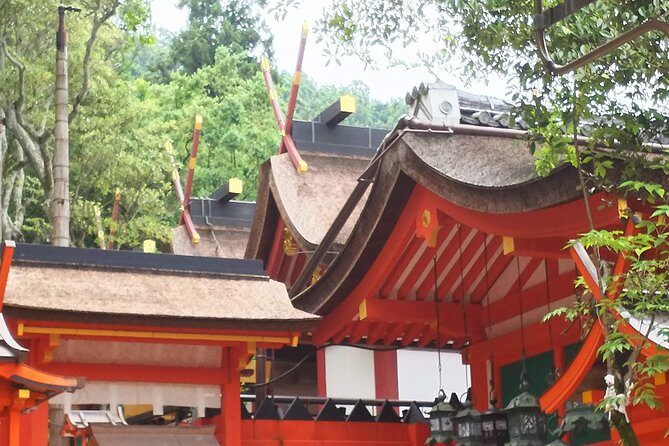
Kasuga Grand Shrine is where the tour’s photo potential really turns up. This shrine is described as being built around 1,300 years ago and it holds about 1,000 branch shrines across Japan. Even without memorizing details, that kind of structure history makes the site feel rooted, not touristy.
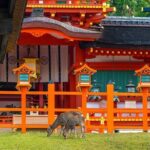
The big visual identity: more than 3,000 lanterns across the precincts, and the tour notes that they are the largest in Japan. That density changes the whole way the shrine feels. The lanterns are not just a decoration; they shape the lighting mood and the visual rhythm as you move through the grounds.
What makes Kasuga especially rewarding on a tight schedule:
- You get a clear, high-impact signature scene in about an hour
- You can focus your attention on lantern patterns and shrine architecture rather than searching aimlessly
- You can pair this stop with the general Nara atmosphere, including the famous deer area around the shrines and parks, where spotting them is part of the Nara experience
If you want photos that look like Japan instead of just people holding cameras, Kasuga’s lanterns do most of the work for you.
The private guide effect: fewer hassles, more learning
This is a private tour, meaning it is only your group. That matters because your guide can shape the walking flow around your pace and your interests. In a place like Fushimi Inari, where paths can fork and look similar, having someone navigate saves time and reduces the frustration of staring at maps.
From what I’d watch for most here, the strongest praised aspect is the guide’s ability to be both informative and genuinely helpful. That style makes a difference. When you understand why the torii gates exist, or what it means to enter and cleanse at Todai-ji, you stop treating the visit like a photo checklist and start enjoying it like a story.
Also, the tour uses a mobile ticket. That is a small thing, but in Japan—where you might be bouncing between transit and entry tickets—it keeps the day smoother.
How the 6-hour pace feels (and when it might not)
A 6-hour walking tour is a “see the big hits” format. The itinerary covers:
- Fushimi Inari area (about 1 hour)
- Todai-ji (about 1 hour, plus entry steps)
- Kasuga Grand Shrine (about 1 hour)
- Plus the time it takes to move between Kyoto and Nara and walk the grounds
If you are comfortable walking and you like structure, this is ideal. You get enough time at each highlight to feel it, but not so much time that you lose the overall day-trip objective.
Possible mismatch: if you want to linger for deep study in one spot, or you prefer long breaks for cafés and slow wandering, you might find the day tightly packed. For that travel style, you may prefer separate trips with more time buffers.
Price and value: what is included, what you pay extra
The tour price is $106.10 per person. It includes the guide fare. That is the main value lever: you are paying for someone to guide you through Kyoto’s most famous shrine corridor and Nara’s major temple and shrine highlight in one organized day.
Here is what is not included, so you can budget accurately:
- Public transportation fare: ¥1,380 per person
- Todai-ji admission fee: ¥800 per person
- Meals
Also, Fushimi Inari and Kasuga Grand Shrine are listed as free admission stops on this tour, which helps offset the paid Todai-ji ticket.
So is it worth it? In my view, it becomes a good deal when you:
- Want both regions on one day
- Do not want to spend extra time planning or re-planning trains
- Value a guide’s ability to interpret what you are seeing at each stop
If you already have transit and ticketing fully mapped and you do not care about guided context, you could do it cheaper alone. But if you want the easiest path through the highlights, the guide cost becomes the convenience you are buying.
Practical tips for a smoother day
A few simple habits make a big difference with a tour like this:
- Wear comfortable shoes. This is shrine-and-temple walking with some sustained movement.
- Bring your camera habits under control. Kasuga’s lanterns and Fushimi Inari’s torii tunnel are the most obvious photo magnets.
- Plan for weather. The tour notes that it requires good weather, and if it is canceled due to poor weather, you will be offered a different date or a full refund.
- If you have limited eye sight or limited mobility, the tour notes it as accessible. Still, it is a walking-focused day, so I’d think about your comfort with uneven temple paths and crowd flow.
One more note: the tour information includes both that animals or pets are allowed and that it is not suitable for pets. If that matters to you, confirm directly with KAMNAVI Tours before booking so you are not surprised on the day.
Who should book this tour
This tour is a great match if you:
- Have limited time in Kyoto and want Nara highlights without DIY navigation
- Like history and architecture enough to enjoy context, not just scenery
- Want strong photo opportunities at iconic sites
- Prefer a private format where your group sets the pace
It may not be ideal if you:
- Want a slow, wandering day in only one place
- Travel with very strict mobility limits and need long seated breaks between major sites
Should you book?
Yes, I’d book this if your goal is to check off Fushimi Inari-taisha and Nara’s major shrine-and-temple highlights in a single day with less stress. The biggest reason is the guide-driven flow. You get the torii tunnel, the Todai-ji scale moment, and Kasuga’s lantern precinct without wasting time guessing where to go next.
If weather is on your side and you are comfortable with a brisk walking day, this is one of those tours that makes your time count fast.
FAQ
What are the main places this tour visits?
It focuses on Fushimi Inari Taisha Otabisho in Kyoto, then goes to Todai-ji (Todaiji Keidaicho), and finishes with Kasuga Grand Shrine in Nara.
How long is the tour and where does it start and end?
The tour runs about 6 hours. It starts at 9:00am at Kyoto Station and ends at Nara Station (Sanjohonmachi, Nara).
Is the guide fare included in the price?
Yes. The listed price includes the guide fare.
Are admission fees included for Todai-ji?
No. Todai-ji admission is not included, and it is listed as ¥800 per person.
Does the tour include transportation between Kyoto and Nara?
No. Public transportation fare is not included and is listed as ¥1,380 per person.
Is this tour private?
Yes. It is a private tour/activity, so only your group participates.
![[Japan Wellness] Zen Meditation and Temple Tour in Matsushima - Timing and meeting point: plan like a calm person](https://images.thejapantraveler.com/wp-content/uploads/japan-wellness-zen-meditation-and-temple-tour-in-matsushima.jpg)