REVIEW · TOKYO
Tokyo: Harajuku Meiji Shrine to Shibuya Crossing Guided Tour
Book on Viator →Operated by gotcha · Bookable on Viator
Harajuku feels like a moving target. This guided route from Meiji Jingu Shrine to Shibuya Crossing keeps you moving, with someone else handling the navigation and timing. You get the contrast Tokyo is famous for: calm forest shrine vibes, then kawaii street energy, then the world-famous scramble.
I especially liked two things. First, the group stays small (capped at 10), which makes it easier to ask questions and keep up. Second, you’re not just walking for photos—there’s structured time for omikuji (fortune paper), plus guide commentary that helps you understand what you’re seeing rather than just passing by.
One possible drawback: the whole experience is about 2 hours, so if you want extra time to shop or linger on every side street in Harajuku, this format may feel a little fast.
In This Review
- Key Things I’d Focus On
- A 2-Hour Route That Connects Harajuku, Meiji Jingu, and Shibuya
- Meiji Jingu: Shrines, Nature, and a Fortune Paper Moment
- Harajuku’s Takeshita Street: Kawaii Energy With a Sense of Direction
- Shibuya Scramble Crossing: The Photo Stop You’ll Actually Time Right
- Why the Small Group Cap (10) Is More Than a Nice Detail
- The Value Question: Is $79.73 a Smart Use of Time?
- Meeting Point and End Point: Know Where You’ll Start and Finish
- Who Should Book This and Who Might Skip It
- Should You Book This Tokyo Harajuku to Shibuya Tour?
- FAQ
- How long is the Tokyo Harajuku Meiji Shrine to Shibuya Crossing guided tour?
- How many people are in the group?
- Where does the tour start and end?
- Is a mobile ticket used?
- What stops are included?
- Is the Meiji Jingu entrance fee included?
- Is the omikuji fortune paper included?
- What’s the physical fitness requirement?
- Can I cancel for a full refund?
Key Things I’d Focus On
- Small-group size (max 10): Easier pace, more Q&A, and less wandering.
- Meiji Jingu + omikuji time: You get a real shrine moment, not a quick photo stop.
- Takeshita Street guided walk: Iconic, colorful, and time-managed so you don’t get stuck in crowds.
- Shibuya Crossing photo window: A set slot for scramble-crossing pictures without the stress of timing.
- Mobile ticket: Simple day-of check-in compared with paper tickets.
A 2-Hour Route That Connects Harajuku, Meiji Jingu, and Shibuya
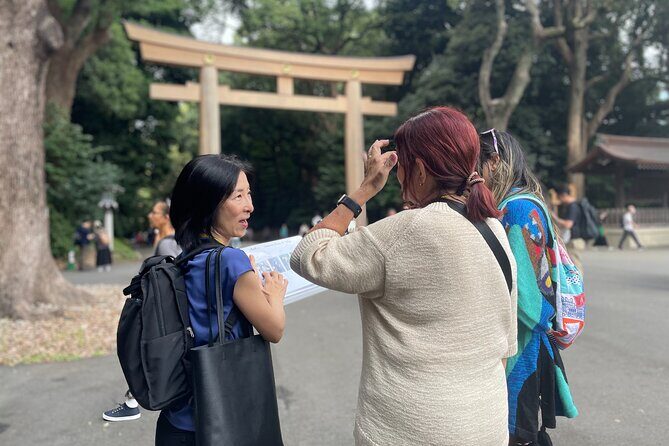
This tour works because it links three Tokyo zones that feel totally different. Harajuku is fashion, Meiji Jingu is quiet nature and tradition, and Shibuya is pure modern momentum. The guide stitching these together means you’re not juggling train lines, meeting points, and figuring out where to stand for the best crossing shots.
What you’re really buying is clarity. Tokyo can be overwhelming on your first day, especially when streets look similar and train exits don’t always match what you expect. Here, you’re given a path and a rhythm. That lets you spend your energy on enjoying the day instead of wrestling a map.
And yes, there’s plenty of visual payoff. You’ll see the shrine approach, the famous Takeshita Street vibe, and the Shibuya scramble. But the value is in the “why” behind each stop—historical context at the shrine and practical orientation in the streets.
You can also read our reviews of more guided tours in Tokyo
Meiji Jingu: Shrines, Nature, and a Fortune Paper Moment
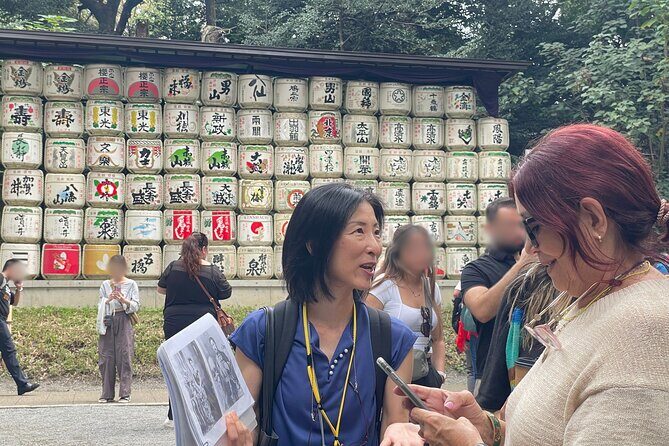
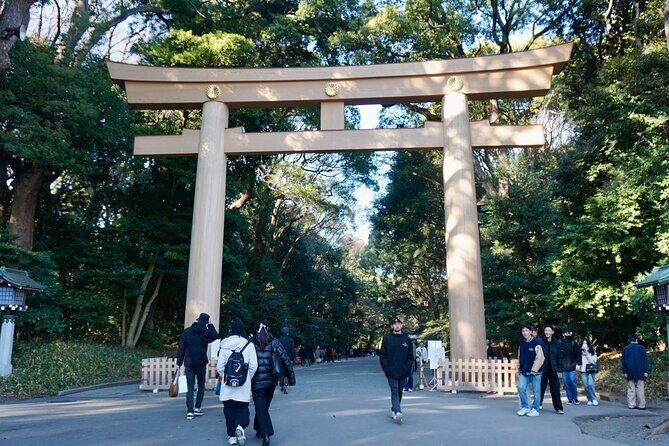
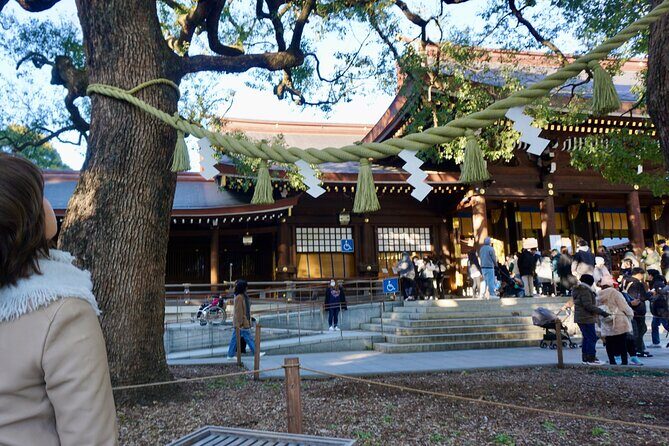
Most people understand Meiji Jingu as a major shrine, but a guided visit helps you notice what makes it feel special. You start at Meiji Jingu Shrine, with time that’s long enough to actually slow down and take in the atmosphere.
Here’s what makes this stop meaningful. Meiji Jingu is tied to Hatsumode, New Year shrine visits, and it’s one of the most visited shrines in Japan for that time of year. On this walk, that bigger cultural role becomes easier to grasp because you’re not just moving between landmarks. You’re hearing the story of the place while you’re inside the grounds.
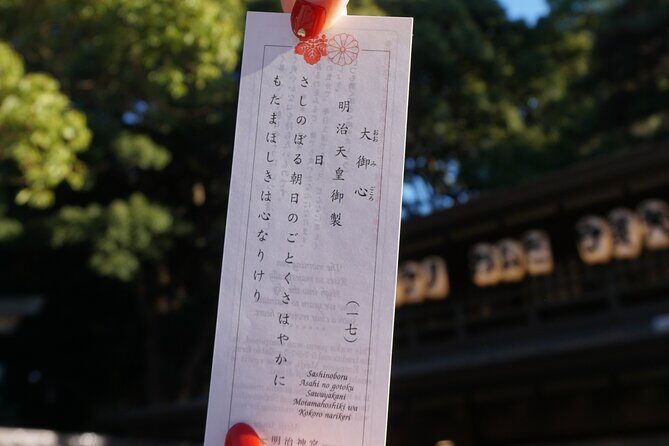
You’ll also do omikuji. The tour includes the fortune paper fee, so you’re not stuck deciding whether it’s worth it or where to find it. Even if you treat the fortune as fun rather than fate, it’s a very “Tokyo” activity—simple, quick, and rooted in local tradition.
One thing I love about this type of shrine visit is the possibility of witnessing ceremonies or formal moments. In one set of feedback I saw, the person doing the tour even caught sight of a traditional wedding while walking through the temple area. That isn’t something you can plan on, but it’s the kind of detail that makes a calm place feel alive.
Small consideration: Meiji Jingu is outdoors and involves walking on grounds with paths and stairs. The tour asks for moderate physical fitness, so if you have mobility limitations or you’re nursing an injury, you’ll want to think about how comfortable you are with that pace.
Harajuku’s Takeshita Street: Kawaii Energy With a Sense of Direction
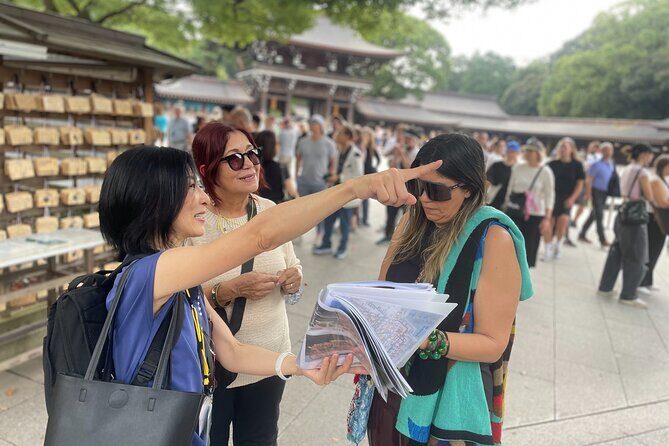
After the shrine, you shift into modern Harajuku. The tour heads to Takeshita Street, which is one of the easiest places to feel Japan’s pop-culture style in one sweep.
This is the part that’s fun even for people who don’t shop. Takeshita Street is visual chaos in the best way—colorful storefronts, fashion experimentation, and lots of “kawaii” energy. With a guide leading the way, you also avoid the common trap: spending too long at the first few blocks and then realizing you’re late for the best photo angles later.
You’ll also have time to enjoy Japanese street snacks. The tour highlights the chance to try a Japanese-style crepe. That’s a classic Harajuku move, and it’s also practical: it keeps you fueled without committing to a sit-down meal. If you’re the type who likes to snack while you walk, this part of the route fits your style.
Small consideration: Takeshita Street is crowded. If you hate tight crowds or you’re sensitive to noise, this stop may feel intense. The guide helps with pacing, but the area is what it is—fashion-forward and busy.
Shibuya Scramble Crossing: The Photo Stop You’ll Actually Time Right
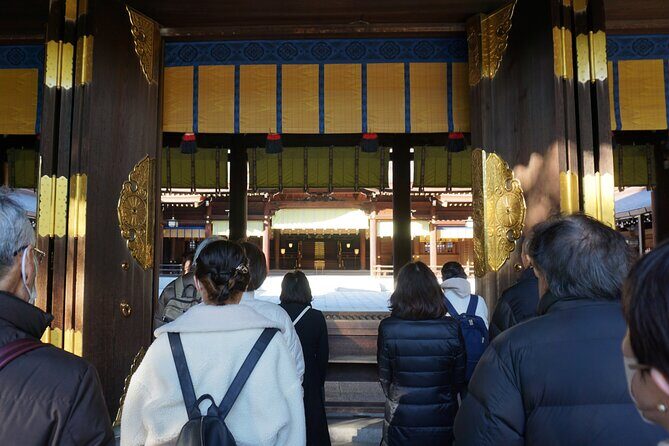
Then comes the payoff for modern Tokyo fans: Shibuya Crossing. This is the “yes, I’ve seen it on TV” moment, except now you’re standing where it happens. The tour includes a dedicated block of time at the crossing, so you can plan your photos instead of guessing when to step off the curb.
From Takeshita Street, you’ll move toward Shibuya—about a 20-minute walk is part of the flow. That’s nice because it turns the day into more than three disconnected pins on a map. You get to feel how Tokyo changes as you go.
For the meeting/end point area, the tour finishes around Shibuya Mark City, including a viewpoint right next to both JR and Ginza line. That’s useful because it puts you in a transit-friendly zone when you’re done. You’re not stuck far from rail lines after the last photo.
Small consideration: The crossing can be hectic. Your time slot is helpful, but it’s still an active intersection. If you’re carrying a big backpack or you’re worried about pickpocketing in crowded places, keep your stuff secure and keep your head up. That’s not “scare talk,” just normal big-city common sense.
Why the Small Group Cap (10) Is More Than a Nice Detail
Tokyo tours often promise “intimate.” Here, the proof is the real cap: a maximum of 10 travelers. That matters because you’re walking through areas where people stop suddenly—think shrine gates, street snack lines, and the Shibuya crossing crowd.
With a smaller group, the guide can slow down for questions without derailing everyone’s timing. It also helps you stay near the front when photo opportunities appear, instead of drifting to the back and missing the best angle.
It’s also a confidence boost for first-timers. If you’re new to Tokyo, your biggest risk is feeling lost even while you’re surrounded by sights. This tour reduces that risk by making decisions for you: where to go next, how long to stay, and how to get there at a comfortable pace.






The Value Question: Is $79.73 a Smart Use of Time?
At $79.73 per person for about 2 hours, you’re paying for convenience plus guided interpretation. That includes a tour guide and the omikuji fortune paper fee.
So what’s the value?
- You’re saving time on navigation. Instead of figuring out how to connect Harajuku to Meiji Jingu to Shibuya and where to stand for photos, you follow a plan.
- You’re getting context. Shrine visits and street walks can become “I saw it” trips. The guide helps you turn it into “I understand it.”
- You’re getting structured photo time at Shibuya Crossing. Without a plan, people often end up at the intersection at a bad moment and spend the rest of their time stressed.
Is it overpriced if you’re the type who likes to DIY everything? Maybe. If you already know your way around Tokyo stations and you’re comfortable walking, you could piece together the same route on your own.
But if you want low-stress direction on a limited schedule, the price can feel reasonable fast. This is especially true because the tour includes the fortune paper cost (not just a generic sightseeing walk).
One more practical point: the tour is often booked about 31 days in advance on average. That’s a hint that popular time slots go quickly. If Harajuku and Shibuya are a must-do for your itinerary, booking ahead is a smart move.
Meeting Point and End Point: Know Where You’ll Start and Finish
You start at Harajuku Station (Jingumae area). Then the tour concludes around Shibuya Mark City, with a viewpoint right next to major transit lines (JR and Ginza line).
This matters more than people think. In Tokyo, getting from one area to another is usually easy—if you’re in the right spot for trains. Ending near Mark City makes it simpler to continue your day without backtracking.
Also, the tour uses a mobile ticket, so day-of you won’t be hunting for paper confirmations.
Who Should Book This and Who Might Skip It
This tour is a strong fit if:
- You’re visiting Tokyo for the first time and want instant orientation.
- You like mixing tradition and modern city energy in one short outing.
- You want a guide to handle pacing through crowds and photo hotspots.
- You enjoy street snacks and iconic Tokyo stops, but you don’t want the stress of planning every turn.
You might skip it if:
- You want a long, slow day in Harajuku with lots of shopping detours. Takeshita Street is busy and this tour moves through quickly.
- You strongly prefer to wander on your own schedule. This experience is structured by design.
Should You Book This Tokyo Harajuku to Shibuya Tour?
I’d book it if you want a smart first-day win: Meiji Jingu for atmosphere and tradition, Takeshita Street for pop-culture energy, and Shibuya Crossing for the big photo moment—done in a tight 2-hour window with a guide to keep things moving.
It’s also a good choice if English commentary matters to you. In one piece of feedback, the guide Naoko was praised for being friendly, informative, and speaking very good English. That kind of communication quality is the difference between seeing places and understanding them.
If you’re debating this versus DIY, think about your priority. If your priority is time-saving navigation plus cultural context, this tour is a practical way to get there. If your priority is maximum shopping time and total freedom, you may want to plan your own route and linger longer.
FAQ
How long is the Tokyo Harajuku Meiji Shrine to Shibuya Crossing guided tour?
It runs for about 2 hours.
How many people are in the group?
The tour caps at a maximum of 10 people.
Where does the tour start and end?
It starts at Harajuku Station (Jingumae area) and ends at Shibuya Mark City, at the viewpoint next to both JR and Ginza line.
Is a mobile ticket used?
Yes, the tour uses a mobile ticket.
What stops are included?
The tour visits Meiji Jingu Shrine, Takeshita Street, and Shibuya Crossing.
Is the Meiji Jingu entrance fee included?
The itinerary lists admission as free for the shrine stop.
Is the omikuji fortune paper included?
Yes, the omikuji fee is included.
What’s the physical fitness requirement?
You should have a moderate physical fitness level.
Can I cancel for a full refund?
Yes, you can cancel up to 24 hours in advance for a full refund. If you cancel less than 24 hours before the start time, the amount paid is not refunded.