REVIEW · FUJIYOSHIDA
From Tokyo: Mount Fuji Highlights Private Tour
Book on GetYourGuide →Operated by Maji Super Tours · Bookable on GetYourGuide
Mount Fuji looks different when you’re not squeezed in. This private 8-hour tour stacks the classic photo stops—Lake Kawaguchi and the Chureito Pagoda—with the quieter charm of Oshino Hakkai. What I like most is the pacing you can actually control, and the way the day mixes big views with hands-on culture. One thing to keep in mind: Fuji visibility isn’t guaranteed, so part of the value is having backup options ready when the weather won’t cooperate.
In This Review
- What This Day Feels Like on the Ground
- Key Things You’ll Actually Notice
- How This 8-Hour Private Fuji Day Works
- From Central Tokyo to Lake Kawaguchi and Oishi Park
- Lake Kawaguchi: the classic Fuji reflection moment
- Oishi Park: seasonal framing and flower-color photos
- A practical tip for this stretch
- Chureito Pagoda at Arakurayama Sengen Park: Photos and the Stair Reality
- How to make the most of your pagoda time
- Consideration
- Oshino Hakkai: Eight Ponds, Mountain Water, and Hoto Noodles Lunch
- What makes Oshino Hakkai special
- Food stop: soba, grilled fish, wasabi croquettes, and hoto noodles
- Consideration
- Weather Backup Plans That Save the Day
- My advice for cloudy days
- Private Guide Experience: Flexible Pace, Real Downsides, and How to Handle Them
- What you’ll likely love
- A couple of real-world considerations from past experiences
- Language note
- Price and Value: Why $304 per Group Can Still Make Sense
- Who This Mount Fuji Day Trip Fits Best
- Should You Book This Mount Fuji Highlights Private Tour?
- FAQ
- How long is the Mount Fuji Highlights Private Tour from Tokyo?
- Is this tour private, and what group size is allowed?
- Where do you get picked up in Tokyo?
- What are the main places you visit?
- Is Mount Fuji guaranteed to be visible?
- Is the tour suitable for wheelchairs or young children?
What This Day Feels Like on the Ground
You’ll start in central Tokyo, then head into Honshu’s Fuji region with a guide who keeps your route flexible. Expect light-to-moderate walking, including stairs at the Chureito Pagoda viewpoint. If you want a day trip that feels like you and your group, not a crowd schedule, this is a strong fit.
Key Things You’ll Actually Notice
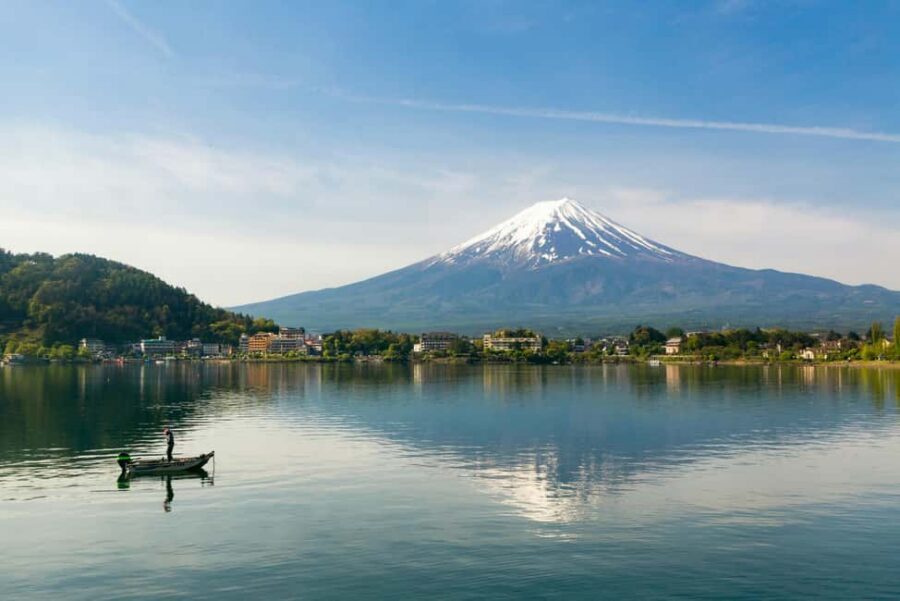
- Lake Kawaguchi + Oishi Park for the mirror-like Mount Fuji look on clear days (and flower-framed views for photos)
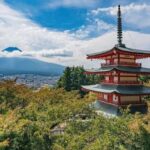
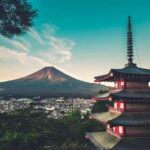
- Chureito Pagoda at Arakurayama Sengen Park for one of Japan’s most recognizable Fuji silhouettes, with a short climb
- Oshino Hakkai’s eight spring-fed ponds, including chances to sample the mountain water and wander local streets
- A real lunch focused on Yamanashi food, including hoto noodles, a thick wheat noodle dish in miso broth
- Weather-friendly alternatives, with indoor and nearby options planned when visibility or rain ruins outdoor plans
You can also read our reviews of more private tours in Fujiyoshida

How This 8-Hour Private Fuji Day Works
This tour is built for people who want the highlights, but without the typical day-trip shove-and-go. You book for a private group up to five people, and the guide shapes the pace around what your group wants—photography, food, slower sightseeing, or just taking in views without rushing. In practical terms, this matters because the Fuji region changes hour to hour. Clouds move. Light changes. You don’t want to waste your one day waiting around for the “correct” moment with everyone else.
The day is also designed around walking that’s manageable for most healthy adults. You’ll do gentle strolling and viewpoints, plus stairs at the Chureito Pagoda area. That means comfy shoes aren’t a “nice to have.” They’re how you keep the day enjoyable instead of annoying.
The big trade-off is also honest: Mount Fuji visibility depends on weather. If you come on a clear day, you’re in for the famous views. If you don’t, the tour’s strength is that it can pivot instead of grinding through a gloomy checklist.
And yes, I appreciate that the guide experience is described as cultural and historical commentary, not just navigation. One guide named Maik (also seen as Maikel in different bookings) stands out in the feedback for being attentive and friendly, with a focus on making the day feel smooth and personal.
From Central Tokyo to Lake Kawaguchi and Oishi Park
Your day starts with pickup in central Tokyo, coordinated after you reserve based on where you’re staying. This is useful because getting out of Tokyo smoothly can make or break a long day. Once you’re on the road, the scenery shifts quickly from city life to the Fuji foothills.
Lake Kawaguchi: the classic Fuji reflection moment
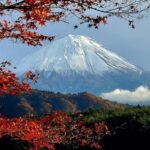
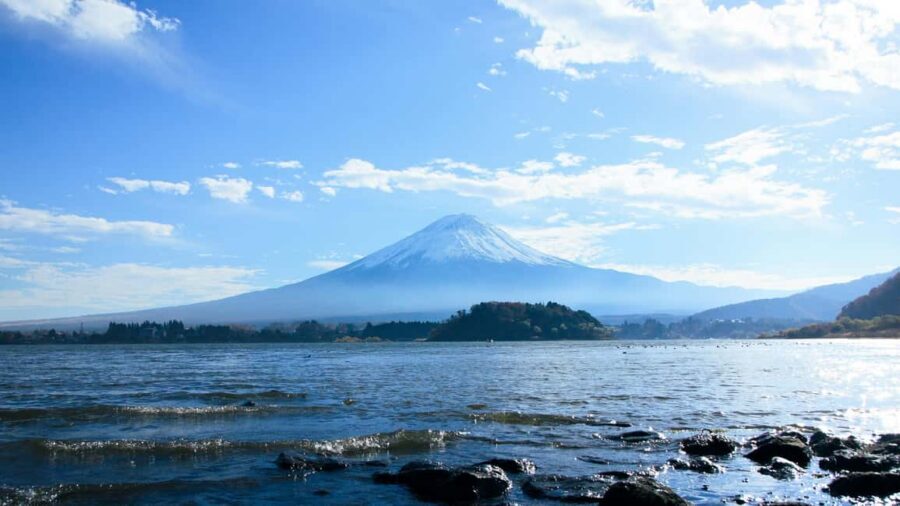
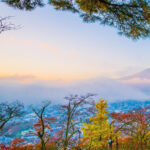
Lake Kawaguchi is famous for calm conditions that can create mirror-like reflections of Mount Fuji. On a clear day, it’s exactly the kind of view that makes you stop talking. Even if you don’t get a perfect reflection, the lakefront setting is still calming—wide water, clean air, and Mount Fuji looming in the background when conditions allow.
You’ll have time to stroll around the lake area, so you’re not forced into one photo point and back to the car. The best move here is to pace yourself: spend the first part scanning for the angle that gives you Fuji framed by the lake. Then come back later for a second shot with different light.
Oishi Park: seasonal framing and flower-color photos
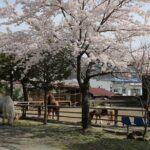
From Lake Kawaguchi, you move to Oishi Park, which is known for seasonal flowers that frame Mount Fuji. That framing is what turns a “nice view” into a memorable photo. Flowers add foreground color and depth, so even shots where Fuji is partly hazy can still look good because the composition has layers.
If you’re traveling with someone who isn’t obsessed with photographing every minute, Oishi Park is also a good compromise. You can slow down, take a walk, and enjoy the scenery without feeling like you’re trapped in a strict schedule.
A practical tip for this stretch
Because weather can change quickly in the Fuji area, keep your camera plans flexible. On clear mornings you’ll want outdoor time. On cloudy afternoons, I’d shift your focus to atmosphere, lake edges, and calmer angles—Fuji might not be “full-on,” but the landscape still photographs well when you work with what you have.
Chureito Pagoda at Arakurayama Sengen Park: Photos and the Stair Reality
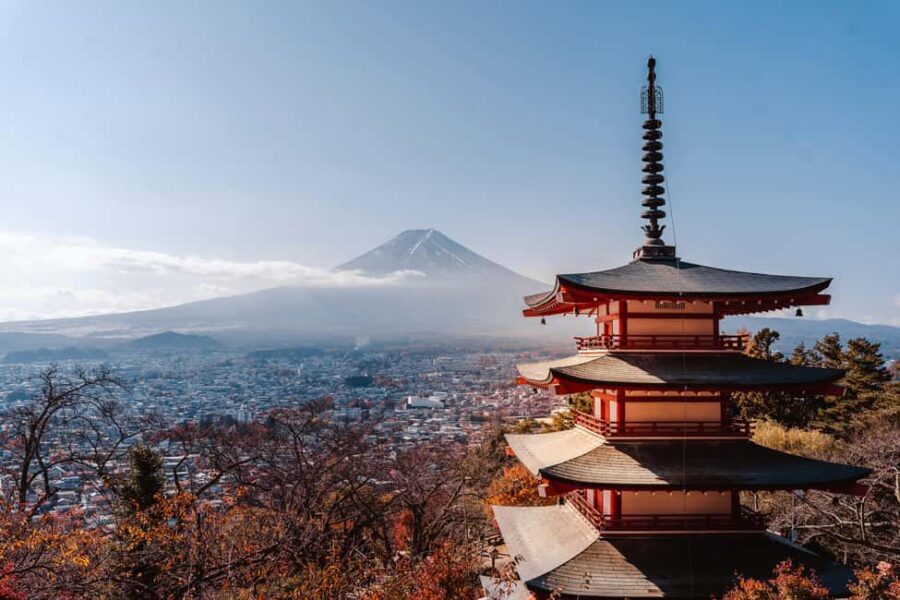
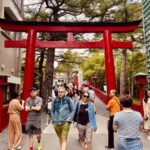
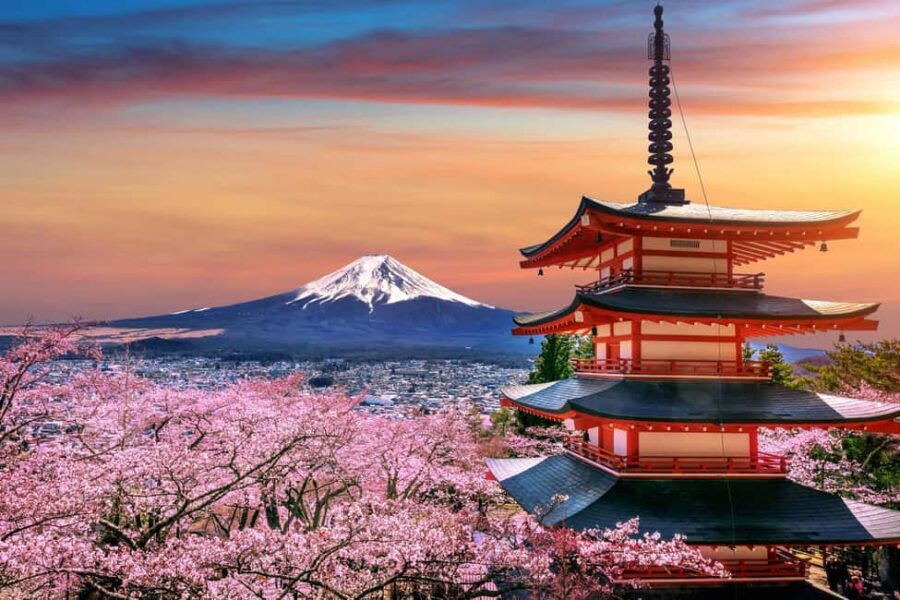
The next big stop is Chureito Pagoda, located at Arakurayama Sengen Park. If you’ve ever seen a postcard-style Mount Fuji photo with a red pagoda in the foreground, this is the scene. It’s one of Japan’s most copied views, and for a reason: Mount Fuji and that pagoda arrangement creates instant visual drama.
Here’s what to expect on the ground:
- You’ll visit the Arakurayama Sengen Park area and walk to the viewpoint.
- There’s a short climb with stairs, so wear shoes with grip and give yourself time.
- The view is the star, so it helps to go in with a “look, then adjust” mindset rather than trying to nail one perfect shot instantly.
How to make the most of your pagoda time
Even on busy days, you can usually find angles by shifting a few steps left or right. The goal is to line up the pagoda structure with Fuji’s shape in the background. When Fuji visibility is partial, you’ll still get a strong result if you frame for atmosphere—don’t wait for a miracle if the light never fully clears.
Consideration
If your group hates stairs, this is the one part you should plan for. The rest of the day is light-to-moderate walking, but the pagoda viewpoint includes steps. If anyone in your group has knee issues, pace the climb slowly and build in buffer time.
Oshino Hakkai: Eight Ponds, Mountain Water, and Hoto Noodles Lunch
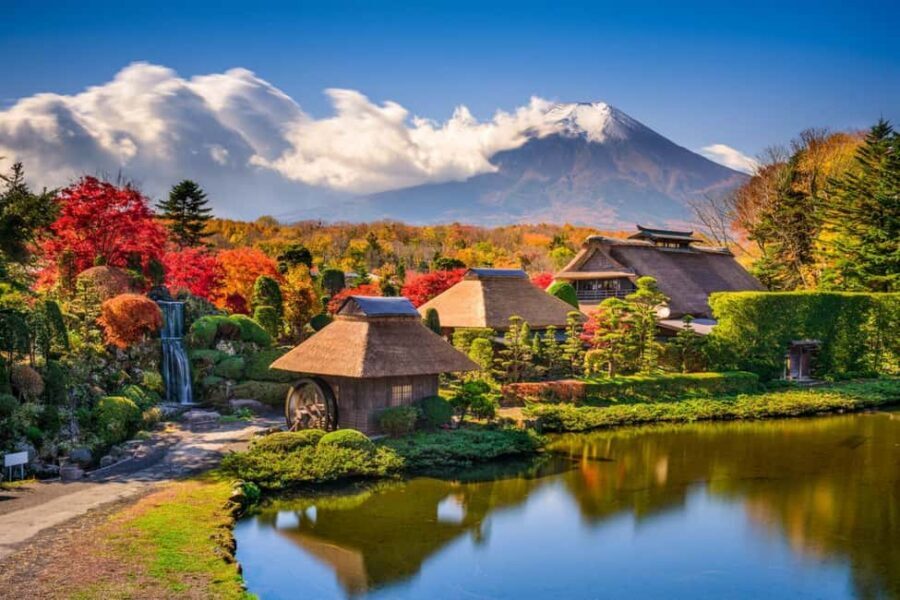
This is where the day turns from “big sights” to “local charm.” Oshino Hakkai is a traditional village centered around eight spring-fed ponds. It’s quieter than the main Fuji viewpoints, and that difference is part of why it works so well in the itinerary. One hour here can feel like a reset after busy photo stops.
What makes Oshino Hakkai special
You’ll explore the village around the ponds, with guided commentary to help you understand why the springs matter. You can also sample fresh mountain water, which adds a sensory layer that photos can’t do. Even if you’re not a “try everything” person, this is a simple way to connect to the place beyond scenery.
Strolling the older-feeling streets matters too. You’re not just hopping from view to view—you’re wandering. That’s when you notice small details: how people move, what shops offer, and how the area feels tuned to visitors but still grounded in local rhythm.
Food stop: soba, grilled fish, wasabi croquettes, and hoto noodles
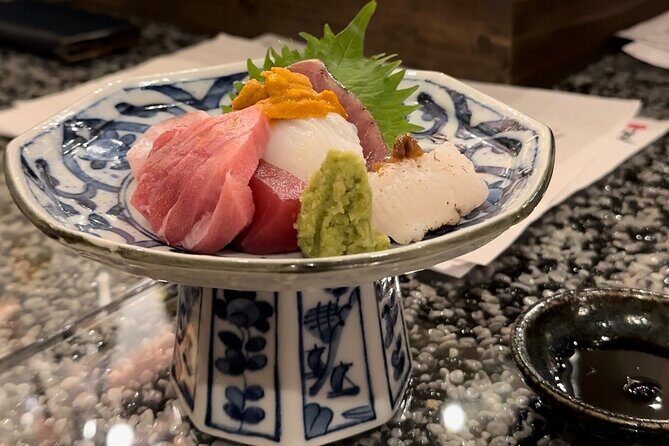
Food is a highlight of this tour day. In the Oshino Hakkai area, you can try local treats like handmade soba noodles, grilled fish, and wasabi croquettes. Then lunch includes regional specialties such as hoto noodles—a hearty Yamanashi dish made with thick wheat noodles in miso broth.
This matters because hoto isn’t “generic noodles.” It’s a local signature, and that’s exactly what you want on a Fuji trip: a taste of the place, not just a meal you could get anywhere.
One feedback thread that stuck with me: people raved about mochi in Oshino Hakkai and the quality of the soba. That’s a good sign that your lunch won’t feel like an afterthought.
Consideration
Because lunch is a highlight, it helps to have realistic expectations about restaurants in the area. One past booking mentioned that when a restaurant was closed, the guide found an alternative. That adaptability is useful, but it’s another reason to go with the flow rather than demanding one specific lunch spot.
Weather Backup Plans That Save the Day
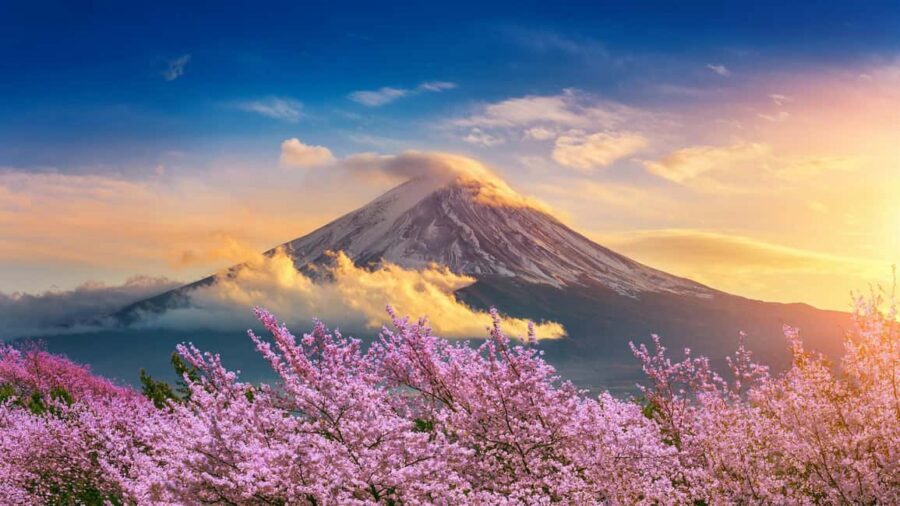
Mount Fuji visibility isn’t guaranteed, and the tour is designed with that reality in mind. If rain or low clouds shut down outdoor views, the day can shift into weather-proof alternatives.
You might go to:
- Itchiku Kubota Art Museum, known for breathtaking kimono art
- A sake tasting session at a local brewery
- Kawaguchiko Music Forest Museum or other indoor attractions
I like this approach because it keeps the day from turning into “we drove all this way and now we wait.” Instead, you still get meaningful culture and regional flavor even when Fuji hides behind gray skies.
My advice for cloudy days
If the weather is rough, your goal changes from “get the perfect Fuji photo” to “make sure the day still feels full.” Museums and tastings can do that, especially in Japan where even indoor stops can feel thoughtfully designed rather than rushed.
Private Guide Experience: Flexible Pace, Real Downsides, and How to Handle Them
The main promise here is private time with a guide who adjusts the day to your group. That can mean slower lake strolling if you want photos, extra time at the pagoda for angles, or shifting lunch plans if something is closed. Many people are clearly happy with this style, including praise for guide Maik being attentive and knowledgeable and for helping with restaurant choices and photo timing.
What you’ll likely love
- Flexibility: the ability to adjust when traffic or weather changes your timeline
- Personal attention: you’re not stuck with fixed departure times or a herd pace
- Local recommendations: especially around food, which can be the difference between a good day and a memorable one
A couple of real-world considerations from past experiences
No tour is perfect, so here are the issues you should be aware of before you go:
- One participant reported that the group was transported in a relatively small car for about 2.5 hours and there was no water provided.
- Another issue noted no spare umbrellas when it was raining.
- One person said they didn’t receive much area-specific information and felt the guide’s lunch interaction wasn’t what they expected.
- There’s also a complaint about being asked to leave a 5-star review online during lunch. That’s not “how you want to spend your meal,” even if the guide was trying to ask for feedback.
You don’t have to panic. Just plan smart:
- Bring your own water bottle and a small umbrella or rain layer.
- Decide in advance what you want from the guide: storytelling and history, or mostly logistics and photo timing.
- If you don’t like review requests, you can politely say you’ll submit feedback later when you’re back in your room.
Private tours can feel great because they’re personal. That also means expectations matter. A quick chat early in the day helps your guide deliver the day you actually want.
Language note
The tour guide operates in English or German, which helps if your group needs language comfort without awkward translation.
Price and Value: Why $304 per Group Can Still Make Sense
This tour costs $304 per group, for up to five people, and lasts about 8 hours. The value depends heavily on group size.
Here’s the math:
- If you book for 2 people, you’re effectively paying about $152 per person.
- For 5 people, it’s about $61 per person.
That’s a big spread. If you’re traveling solo or as a couple, the tour is pricier than busier group departures—but you’re buying privacy, flexibility, and a tight Fuji highlights day that saves you from figuring out transport across the region.
What you get for that money is not just driving. You get:
- Guided time at Lake Kawaguchi, Oishi Park, Arakurayama Sengen Park, and Oshino Hakkai
- Scenic photo stops and secret viewpoints
- A flexible plan that can swap outdoor stops for indoor culture if weather turns
- Cultural and historical commentary
In plain terms: you’re paying to trade stress and planning work for a smooth day with options.
Who This Mount Fuji Day Trip Fits Best
This tour is a great match if:
- You want the major Fuji sights plus a more local stop at Oshino Hakkai
- Your group includes people who care about photos but also want time to walk and explore
- You prefer private pacing over following a strict group itinerary
- You’d like weather backup options rather than taking a gamble
It may not fit if:
- You’re traveling with kids under 6 (not suitable)
- Someone in your group uses a wheelchair (not suitable)
- Your group can’t handle stairs, since Chureito Pagoda includes stair climbing
If your priority is pure speed—just “see Fuji and go”—there might be cheaper ways to do it. But if you want a day that feels purposeful, this hits a good balance.
Should You Book This Mount Fuji Highlights Private Tour?
If you want a Fuji day that mixes iconic views with real regional culture, I’d say yes—with one condition: plan for changing weather.
Book it if:
- Your group size is 3–5 people (value improves fast)
- You care about both photo spots and food (hoto noodles, soba, and Oshino flavors are part of the point)
- You like having a guide who can adjust when roads, clouds, or timing don’t cooperate
Skip it or think twice if:
- You’re expecting Fuji to be guaranteed. The day depends on visibility.
- Your group hates stair climbs, or you need step-free routing.
Overall, this is the kind of private day trip that works when you approach it like a flexible plan, not a fixed script. If the weather is kind, you’ll see why people chase these views. If it isn’t, you’ll still come home with a full day of meaningful Fuji-area experiences rather than an empty schedule.
FAQ
How long is the Mount Fuji Highlights Private Tour from Tokyo?
It’s listed as an 8-hour experience.
Is this tour private, and what group size is allowed?
Yes. It’s a private group for up to 5 people.
Where do you get picked up in Tokyo?
Pickup is included, meeting you at your hotel or a nearby landmark in central Tokyo. After booking, the starting point is coordinated based on where you’re staying.
What are the main places you visit?
The tour includes Lake Kawaguchi and Oishi Park, Arakurayama Sengen Park (Chureito Pagoda), and Oshino Hakkai. There are also scenic photo stops and viewpoints.
Is Mount Fuji guaranteed to be visible?
No. Mount Fuji visibility is not guaranteed and depends on weather conditions.
Is the tour suitable for wheelchairs or young children?
No. It’s not suitable for wheelchair users, and it’s also not suitable for children under 6.