REVIEW · FUJIYOSHIDA
Fuji/Hakone Private Tour, English speaking guide, Photograph
Book on GetYourGuide →Operated by Explore Japan Together · Bookable on GetYourGuide
Fuji and Hakone in one private day can feel unreal. You get the photo-friendly highlights around Mount Fuji and Hakone’s geothermal drama, all with an English-speaking guide and professional photography support. I like the way this tour feels flexible in real time, not like a rigid checklist, and I also like that you’re not left to figure out the best angles by yourself. One watch-out: this is a full day with moderate walking, and Fuji visibility depends a lot on weather.
The best part of the experience is the “you choose the pace” vibe. You can spend more time where the views are working and cut back where the forecast is stubborn. The guide (often Ahamed) is also known for mixing smart local context with practical photo coaching, plus calm, safe driving.
In This Review
- Key things you’ll notice right away
- Getting out of Tokyo: the calm starts early, the driving is real
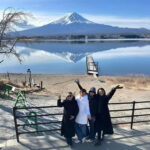
- Oshino Hakkai: ponds, thatched roofs, and Fuji reflections
- Mount Fuji 5th Station: the height is the point, the cold is too
- Chureito Pagoda: one of Japan’s most photographed frames
- Fujikawaguchiko break and lunch: where you control the fuel
- Lake Kawaguchiko: boats, flowers, and that mirror effect
- Oishi Park: flower views with easy walking time
- Kitaguchi-hongu Fuji Sengen Shrine: cedar trees and spiritual quiet
- Saiko Iyashi-no-Sato Nenba: thatched village atmosphere, built for atmosphere
- Adding Hakone: geothermal drama and big-picture views
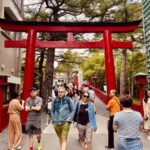
- Lake Ashi cruise: the torii gate photo that people talk about
- The pro photo setup: using a camera and getting better angles fast
- Price and value for a group up to five
- What to bring (and what will annoy you if you forget it)
- Who this day trip is best for
- Should you book this Fuji and Hakone private photo tour?
- FAQ
- Is this tour private?
- How many people can go for the price?
- How long is the tour?
- What’s included in the price?
- What’s not included?
- Where can I be picked up?
- Does it include both Mount Fuji and Hakone?
- Is the tour wheelchair accessible?
Key things you’ll notice right away
- Private van with WiFi so you can stay connected while commuting between stops
- English-speaking guide who adjusts timing based on your interests and the weather
- Pro photo support that goes beyond advice, with chances to use a professional camera
- Oshino Hakkai ponds for that mirror-like Mount Fuji look
- Hakone option that adds Owakudani steam, ropeway views, and a Lake Ashi cruise
- A packable, all-in-one day that hits Fuji Five Lakes and key Hakone landmarks
Getting out of Tokyo: the calm starts early, the driving is real
This is designed as a one-day escape from Tokyo into the Mount Fuji region, with hotel pickup and drop-off. You’ll ride in an air-conditioned private van with WiFi and bottled water, which matters because the road time can add up fast when you’re doing Fuji and possibly Hakone in the same day.
Pickup can be from Tokyo, Saitama, or Yokohama (and also from Fujiyoshida or Hakone for drop-offs), so you’re not stuck meeting a group at a random station. The itinerary includes a good chunk of time in transit, so treat this like a day trip with a plan, not a leisurely stroll day.
You can also read our reviews of more guided tours in Fujiyoshida
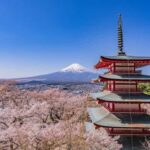
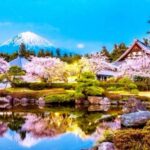
Oshino Hakkai: ponds, thatched roofs, and Fuji reflections
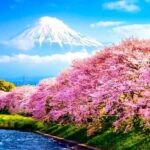
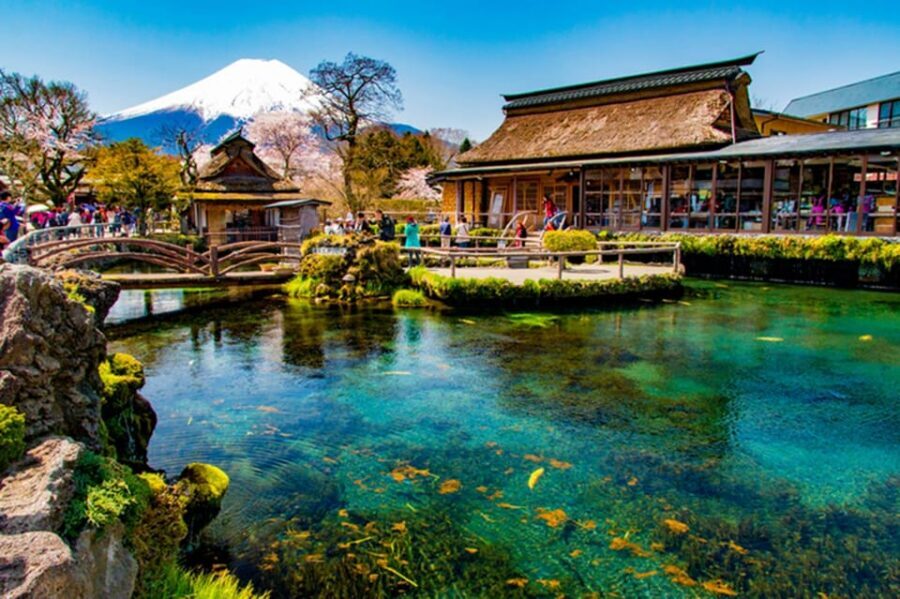
Your day often begins with Oshino Hakkai, a small village famous for clear ponds fed by snowmelt from Mount Fuji. The ponds are the main event, and the traditional thatched-roof atmosphere helps the whole place feel like a living postcard—without you having to chase it. The stop is built for walking and browsing, with about 45 minutes for a guided tour, sightseeing, and shopping.
What I like about this stop for your first impressions: you get a gentle landing after Tokyo. Also, it’s one of the easier places to slow down your pace and let your photos look natural. If the weather is moody, Oshino can still deliver because it’s not only about a single perfect viewpoint.
Mount Fuji 5th Station: the height is the point, the cold is too
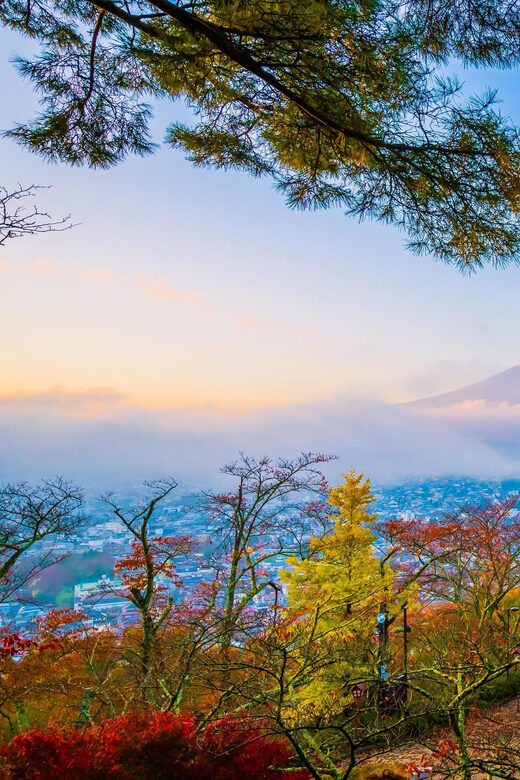
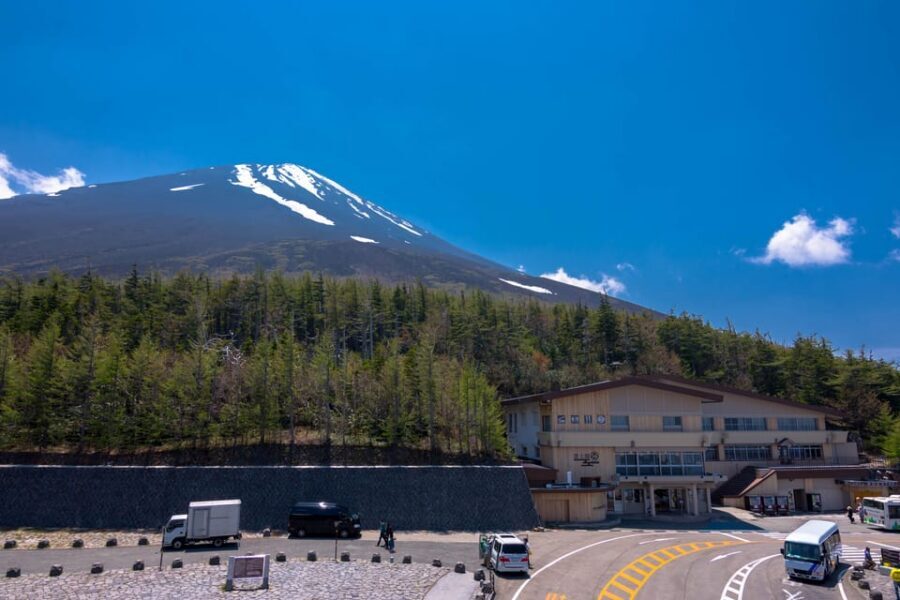
From there, you head toward the Mount Fuji 5th Station area, with scenic drive time and a longer visit window (about 1.5 hours total). This part is all about altitude and views. You’ll have time for sightseeing and a walk, and the drive route is meant to show off Mount Fuji from the road as conditions allow.
Practical note: even in warmer months, the 5th Station area can feel cooler. Bring warm clothing and a hat, and plan for wind. Also, if clouds block the summit, you won’t be able to force the mountain to reappear—so stay flexible and let your guide adjust.
Chureito Pagoda: one of Japan’s most photographed frames
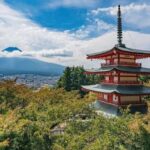
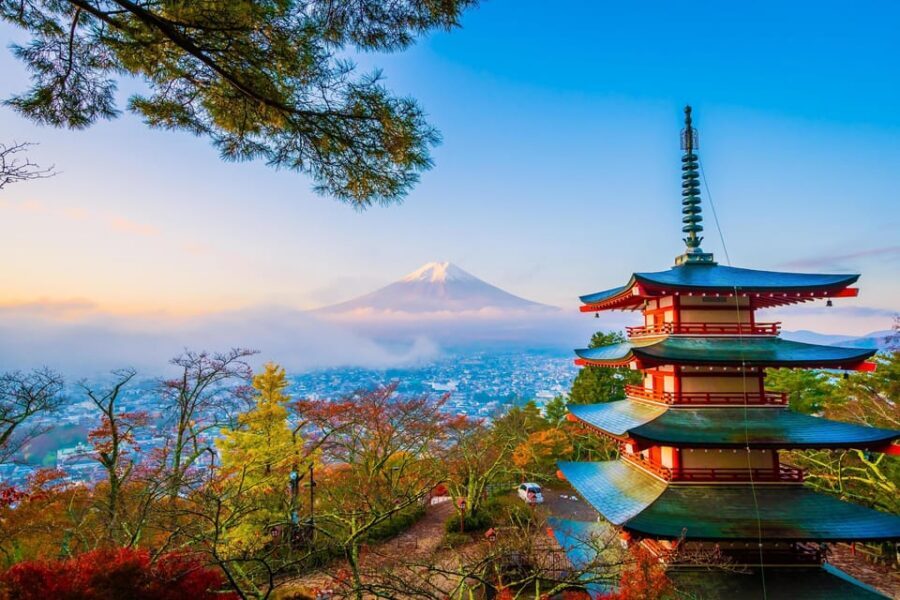
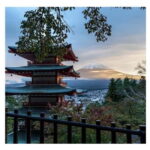
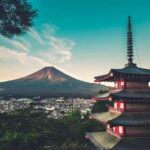
Next comes Chureito Pagoda, a striking five-story structure known for dramatic views of Mount Fuji in the background. Expect around 45 minutes for guided sightseeing and walking. This stop works because it’s a tight, photo-centered layout. You won’t spend half the visit figuring out where to stand.
If you’re visiting in spring or autumn, seasonal colors can add extra punch. The tour can also be timed to what the day is giving you, which is key for photography—especially if cloud cover changes hour to hour.
Fujikawaguchiko break and lunch: where you control the fuel
In the Fuji Five Lakes area, you’ll get a break and lunch time (about 45 minutes). The tour is set up so you can choose your own local eatery, which is a real win. It lets you handle dietary needs and preferences without forcing you into one fixed restaurant.
This is one of those moments where I’d recommend you keep it simple: choose something regional, eat, then get back out. You don’t want to burn your sightseeing window lingering over a meal that runs long. Entrance fees aren’t included, so if you’re also planning to pop into paid spots nearby, it helps to keep cash or a card ready.
You can also read our reviews of more private tours in Fujiyoshida

Lake Kawaguchiko: boats, flowers, and that mirror effect
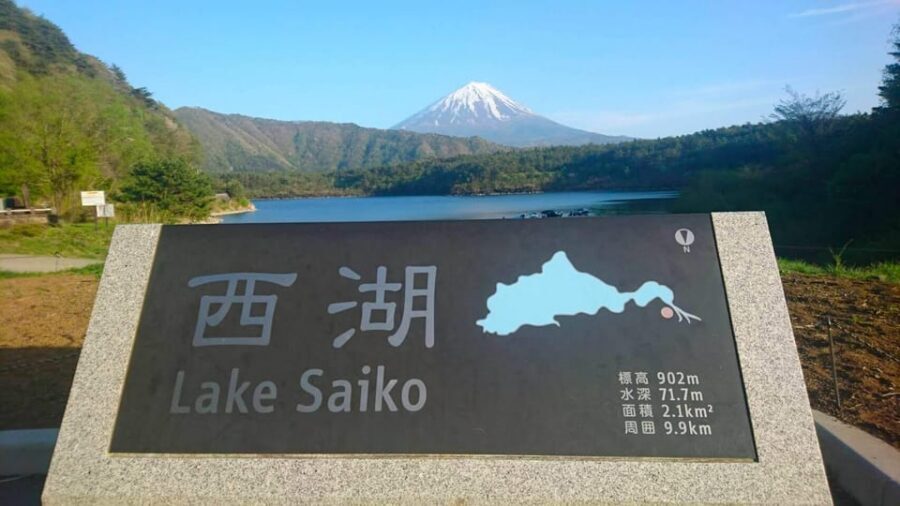
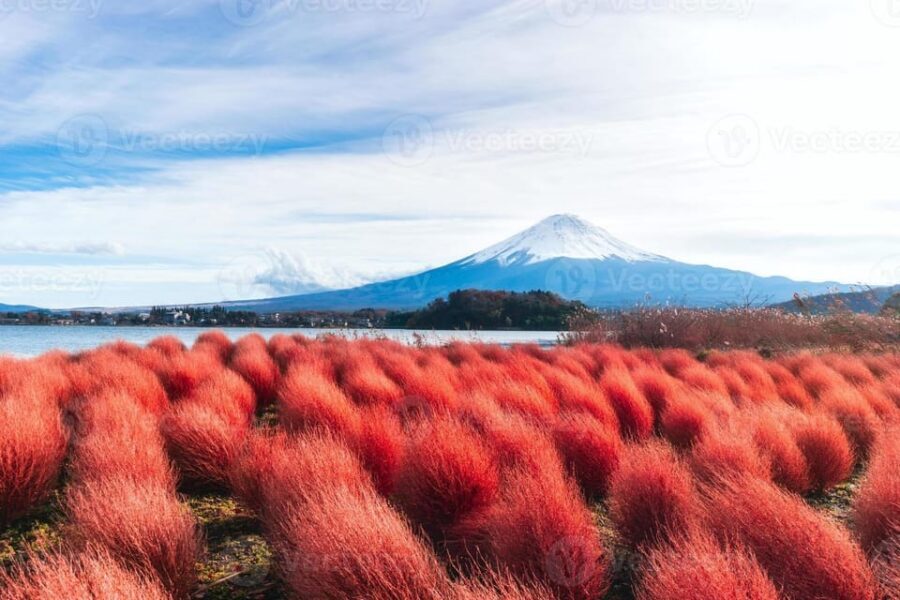
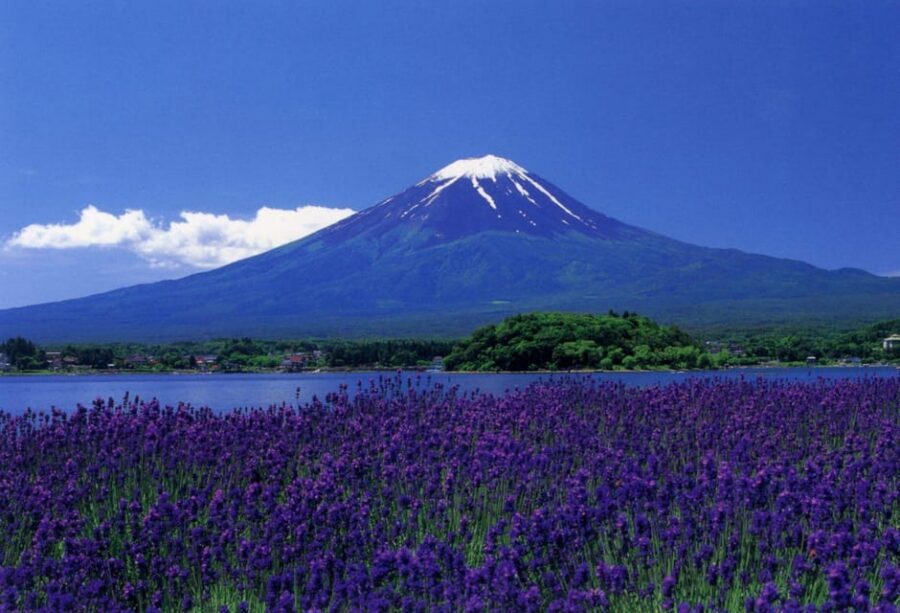
Lake Kawaguchiko is part of the Fuji Five Lakes, and the tour builds in time for classic lakeside views plus activities. The plan includes a visit with both airboat and duck boat rides, plus sightseeing time (about 30 minutes). Even when you’re not doing the rides, the lake is where Mount Fuji reflection can show up nicely if the weather cooperates.
One practical angle: this is a stop that works well even if your photos aren’t perfect. The lake itself is scenic, and the short rides give you a change of perspective without taking over the entire day.
Oishi Park: flower views with easy walking time
After the lake, you head to Oishi Park for about 30 minutes of sightseeing and walking. Oishi Park is known for flower scenery framed by views toward Mount Fuji and the lake. This stop is shorter by design, so you can enjoy the atmosphere and get the shots without losing momentum for the rest of the day.
The trick here is timing. If clouds roll in, your best photos might still be possible from certain angles. Having a guide who can suggest where to stand saves time and keeps you from wandering around guessing.
Kitaguchi-hongu Fuji Sengen Shrine: cedar trees and spiritual quiet
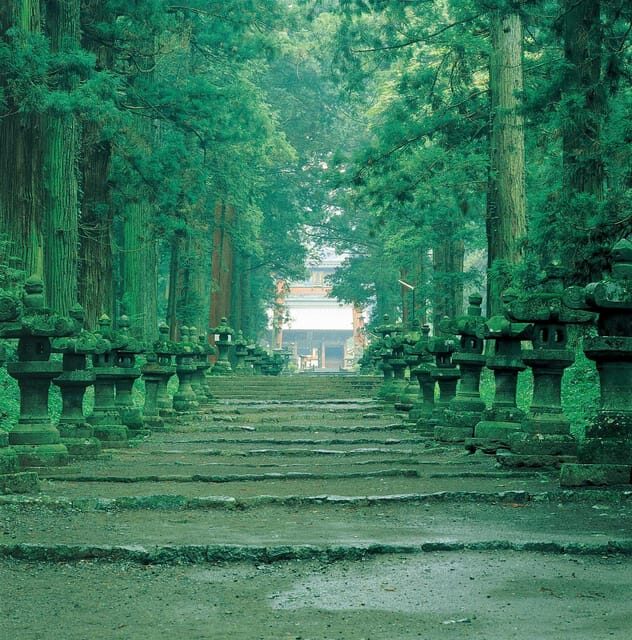
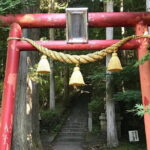
Then you move into a more reflective setting at Kitaguchi-hongu Fuji Sengen Shrine, with about 30 minutes for sightseeing and walking. The tour description emphasizes a serene atmosphere among towering cedar trees, and that difference is important. After the photo-heavy spots, you get a break that feels slower and calmer.
This stop is also where culture shows up beyond scenery. Even if you only spend a short time here, the atmosphere helps you understand why Mount Fuji is more than a view. You’re not just collecting landmarks; you’re getting context for the mountain’s place in Japanese life.
Saiko Iyashi-no-Sato Nenba: thatched village atmosphere, built for atmosphere
Next is Saiko Iyashi-no-Sato Nenba, a preserved village area (about 30 minutes with guided touring, sightseeing, and walking). This stop is especially good for people who like their sightseeing to include texture: old-style houses, village ambiance, and a sense of place.
It’s a solid pairing after the shrine because both add emotional contrast. One is spiritual quiet; the other is village nostalgia. Together, they keep the day from turning into a pure photography sprint.
Adding Hakone: geothermal drama and big-picture views
Here’s where the tour can change depending on your choice. The experience offers a Hakone option that adds another full set of highlights after you cover key Fuji-side stops. If you choose Hakone, you’ll travel to the region and build in breaks and scenic drive time before major viewpoints.
The Hakone portion includes:
- Owakudani Valley (about 30 minutes) with cable car access
- Hakone Ropeway (about 1 hour)
- Hakone Shrine (about 1 hour)
And in the Hakone plan description, you also get a scenic Lake Ashi cruise (often described as a pirate ship experience), with views of the torii gate floating in the water near Hakone Shrine.
Owakudani is all about volcanic energy. Steam rises from hot springs, and you’ll have a chance to try the famous black eggs said to be tied to local folklore. Whether you try the food or just watch it being sold, the area feels like stepping into a living science exhibit.
Lake Ashi cruise: the torii gate photo that people talk about
The Lake Ashi segment is a favorite type of moment because it feels different from every previous stop. Instead of climbing, walking, or aiming your camera from the roadside, you’re gliding across the water. The tour description emphasizes the scenic views and the iconic Hakone Shrine torii gate in the water.
This is where a pro photographer and a calm guide matter. Lake conditions and angles can shift quickly, and it’s easy to miss the best view if you’re not paying attention. With photo coaching, you’ll be more likely to capture that “I can’t believe we’re here” image.
The pro photo setup: using a camera and getting better angles fast
One standout feature here is the photography support. The tour includes a professional photographer, and you can even take photos using a professional camera. Combine that with a guide who knows photo spots, and you’re not stuck with the usual Japan problem of constantly asking strangers if they mind taking your picture.
The practical value is simple: you spend less time guessing and more time enjoying. Plus, in a day with many stops, speeding up decisions matters. If the mountain is visible, you want to capitalize. If it’s not, you want to switch to angles and subjects that still look good.
WiFi in the vehicle also helps—use it to check weather updates, look up your next stop on the map, or share a first photo while the day is still moving.
Price and value for a group up to five
At $357 per group up to 5, this is priced like a private car day trip. The value comes from what’s bundled with transport: an English-speaking guide, professional photo help, WiFi, bottled water, and parking fees. You’re paying to compress time, reduce stress, and get better results from limited daylight.
Is it cheap? No. But is it fair when you compare it to doing Fuji and Hakone under your own steam with multiple train changes, taxi runs, and wasted time chasing viewpoints? That’s where the price starts to make sense. If you’re traveling as a family or a small group of friends, the per-person cost drops quickly.
Also remember what’s not included: food and drinks, plus entrance fees. Those add up slowly across multiple stops, so budget a little extra so you don’t get surprised.
What to bring (and what will annoy you if you forget it)
This is a walking day with weather swings. Bring comfortable shoes, warm clothing, a hat, sunscreen, and your camera. For Hakone especially, layers help because temperatures can shift and wind can show up at viewpoints.
One more practical tip: keep your camera ready for quick transitions. The day moves through photo opportunities where you might have 20–45 minutes at each main spot. That’s enough time to get shots if you’re ready when the view hits.
Who this day trip is best for
This tour fits best if you want a structured one-day plan but still like freedom. You’ll enjoy it most if you:
- Want a private English guide instead of figuring everything out solo
- Care about photos and want actual help with angles and timing
- Have a small group (up to five) and want a cost-effective private format
- Prefer seeing multiple major highlights without worrying about transit logistics
If you’re the kind of traveler who loves long, slow wandering with no schedule pressure, this may feel like you’re using your feet a lot. But if you want maximum Fuji-and-Hakone impact in one day, this tour plays to that strength.
Should you book this Fuji and Hakone private photo tour?
I’d book it if your priorities are clear: great Mount Fuji area scenery, Hakone geothermal drama (if you choose the option), and photo support without the stress of planning every angle. It’s also a strong choice for families because it’s private and the pace can be adjusted on the fly.
I’d think twice if you’re very sensitive to walking or if you know your schedule won’t tolerate weather changes. Fuji can be shy. When clouds roll in, your experience still holds, but the “summit reveal” might not be dramatic all day.
If you want one recommendation to make your day smoother: bring layers and shoes you can actually walk in, and be ready to let your guide adjust the plan based on what the sky is doing.
FAQ
Is this tour private?
Yes. It’s listed as a private group tour, with a van for your group rather than a shared bus.
How many people can go for the price?
The price is $357 per group up to 5.
How long is the tour?
It’s a 1-day tour.
What’s included in the price?
Hotel pickup and drop-off, an English speaking guide, an air-conditioned vehicle with WiFi, private transportation, a professional photographer, bottled water, and parking fees are included.
What’s not included?
Food and drinks are not included, and entrance fees are also not included.
Where can I be picked up?
Pickup is possible from any place in Tokyo, Saitama, and Yokohama, except Naita Airport. The itinerary also lists Fujiyoshida and Hakone among pickup/drop-off options.
Does it include both Mount Fuji and Hakone?
Yes, it can include both. The Fuji-focused portion can also be extended with a Hakone option, depending on what you choose.
Is the tour wheelchair accessible?
It’s marked wheelchair accessible, though there is a moderate amount of walking involved, so it’s smart to plan for short walking segments at key stops.