REVIEW · FUJIYOSHIDA
From Tokyo: 5 Best Mount Fuji Photo Spots Private Day Trip
Book on GetYourGuide →Operated by eXplore Nippon · Bookable on GetYourGuide
Fuji looks best when you’re early. This private day trip is built around classic Mount Fuji angles and easy photo stops, including the Lawson Fuji Store and the quiet ponds of Oshino Hakkai. You’ll spend the day riding in a private air-conditioned vehicle, then switch from one “Fuji frame” to the next without the stress of trains and transfers. My main gripe is simple: with limited time, you may not fit every single photo target in heavy rain or traffic.
I really like that the experience is paced like a photo day, not a rushed sightseeing sprint. The driver’s English and on-the-spot help can make the difference—one customer even got an umbrella when weather changed quickly—so you can keep shooting instead of guessing. The one drawback to plan for: timing can get tight, so it helps to decide your must-do spots at the start if you have specific priorities.
In This Review
- Key Highlights You’ll Feel During the Day
- A Private Fuji Photo Day That Hits the Best Angles
- Leaving Tokyo: Pickup, Ride Time, and Why It Matters
- Chureito Pagoda at Arakura Sengen Shrine: Fuji’s Most Famous Frame
- Honcho Shopping Street: Snacks, Souvenirs, and Local Rhythm
- Lawson Fuji Kawaguchiko Store: The Postcard Shot You Actually Want
- Lake Kawaguchi Break: Views and a Real Lunch Slot
- Oshino Hakkai: The Springs of Mt. Fuji for Calm, Close-Up Photos
- Mt. Fuji Dream Bridge: Panoramas for Wide-View Shooting
- Driver Help and Real-World Small Fixes
- Price and What This Private Day Trip Really Costs
- Comfort, Clothes, and Photo Tips That Keep the Day Easy
- Who Should Book This Private Fuji Photo Trip
- Should You Book This Private Mount Fuji Photo Trip?
- FAQ
- How long is the Mount Fuji private day trip from Tokyo?
- Where are you picked up and dropped off?
- How many people are in a private group?
- Is the driver English-speaking?
- Is there Wi‑Fi in the vehicle?
- Are meals included?
- Are drones allowed during the stops?
Key Highlights You’ll Feel During the Day
- Chureito Pagoda views from Arakura Sengen Shrine, with Fuji framed on a hillside for spring or autumn scenes
- Honcho Shopping Street breaks for small snacks and local browsing without turning the day into a shopping marathon
- Lawson Fuji Kawaguchiko Store photo moment with Fuji acting like your background
- Oshino Hakkai ponds (the Springs of Mt. Fuji) for calm, reflective Fuji shots
- Mt. Fuji Dream Bridge panorama for wider angles, especially when light turns warm near sunset
A Private Fuji Photo Day That Hits the Best Angles
If you’ve ever stared at Fuji photos online and thought, I could never recreate that, this kind of private route is designed to help. The big advantage is how the stops are chosen: you’re not just “near Fuji.” You’re set up at spots where the mountain is meant to be the star.
I like that the day balances iconic views with breathing room. You’ll start at Arakura Sengen Shrine for the famous Chureito Pagoda angle, then you’ll shift into quieter scenery at Oshino Hakkai, where the water and greenery help your photos feel different from the pagoda shots. And because you’re in a private vehicle, you can move between areas without turning the day into a logistics puzzle.
There’s also a practical benefit for photographers: you get multiple chances to frame Fuji from different distances and compositions. Some days the mountain shows itself fully; other days it hides in haze. Either way, you’re working with a route that gives you options instead of betting the whole day on one viewpoint.
You can also read our reviews of more private tours in Fujiyoshida

Leaving Tokyo: Pickup, Ride Time, and Why It Matters
This is a 10-hour private trip with hotel pickup and drop-off in Tokyo. That “start with pickup” piece is more than convenience. It saves you from juggling departure times, station changes, and the stress of being late when the weather turns.
Your driver is English-speaking and uses an air-conditioned vehicle for the day. There’s also a Wi‑Fi hotspot in the vehicle, but availability can vary. One small heads-up: traffic can be real. The driver may be up to 30 minutes late due to traffic, so I’d avoid booking anything right after your return.
You’ll also be traveling in a group size that stays private—up to five people per group—so the ride doesn’t feel like you’re stuck watching everyone’s pace. It’s ideal if you’re traveling with family, a friend group, or you just prefer control over when you stop and walk.
Chureito Pagoda at Arakura Sengen Shrine: Fuji’s Most Famous Frame
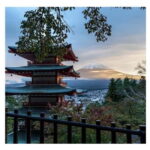
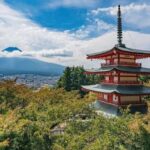
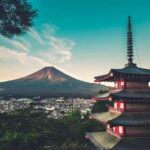
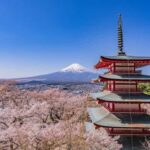
The day begins at Arakura Sengen Shrine, where you’ll visit and photograph the Chureito Pagoda. This is one of those places where Fuji isn’t just visible—it’s part of the composition. The pagoda sits on a hillside, giving you that layered look: shrine steps and structure in the foreground, with Mount Fuji behind.
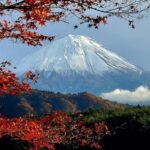
This stop works year-round because the background changes with the seasons. In spring, you’re likely to find cherry blossoms in the mix. In autumn, colorful leaves can turn the scene into a warm-toned Fuji portrait. Even if weather isn’t perfect, the hillside setting helps keep your photos interesting.
What I’d watch for: foot traffic and light direction. You’ll have about one hour here, including walking and self-guided time. If Fuji is clear, take a minute to shoot a few compositions quickly—wide first, then tighter—before the light changes or crowds shift.
Honcho Shopping Street: Snacks, Souvenirs, and Local Rhythm
Next comes Shimoyoshida Honcho Shopping Street. This is where the day becomes more than photos. It’s a traditional shopping area with a walkable street vibe, and it’s a good place to reset your legs after viewpoint stairs.
You’ll get around one hour for a photo stop, browsing, and self-guided exploring. In practical terms, it’s a low-pressure break where you can grab a quick snack and keep moving. I like this kind of stop because it gives you something real and everyday—people strolling, shops doing their thing—rather than another “look-and-leave” viewpoint.
If you’re picky about food timing, use the street break to buy something small so you don’t end up hungry later when lunch isn’t perfectly timed. Just remember the day runs on a schedule, and you’ll want to return to the meeting point when your driver checks you in.
Lawson Fuji Kawaguchiko Store: The Postcard Shot You Actually Want
One of the most talked-about photo moments is at the Lawson Fuji Kawaguchiko Store. The magic here is that it’s not a generic viewpoint. It’s an iconic convenience store setting, framed so that Mount Fuji becomes the backdrop for a memorable, instantly recognizable photo.
You’ll have a short break here—about 30 minutes—with time for a photo stop and a bit of free time. This is the kind of stop that works best if you’re ready to act fast. When Fuji is visible, it might hold steady for a while, but it can also shift behind cloud cover without warning. So I’d treat this like your quick shot: take a few angles quickly, then don’t overthink it.
Also, because this is a popular photo spot, keep your shooting efficient and respectful. You’ll get better results by getting your framing right rather than waiting for the perfect second while others are moving through the same space.
A few more Fujiyoshida tours and experiences worth a look
Lake Kawaguchi Break: Views and a Real Lunch Slot
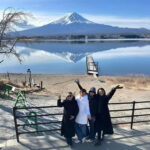
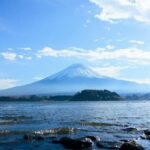
From there, you head to Lake Kawaguchi, one of the main Fuji-area lakes. You’ll have a longer break here—about 1.5 hours—including photo time, lunch time, and walking.
This is a solid “reset” stop. The lake area can give you different Fuji visibility depending on haze and cloud cover, and the open water can help your photos look bigger and more atmospheric than shrine or street scenes. Even when Fuji isn’t perfectly crisp, the wide horizon often still gives you a satisfying composition.
Lunch is included as time in the schedule, not as a meal package. That means you’ll need to handle food on your own, but you’re getting enough time to do it without rushing. If you’re traveling as a small group, you can also split up briefly for snacks, then meet back at the pickup point.
Oshino Hakkai: The Springs of Mt. Fuji for Calm, Close-Up Photos
Then you’ll move to Oshino Hakkai, known as the Springs of Mt. Fuji. This is where the day slows down in a good way. Oshino Hakkai is made up of clear ponds fed by snowmelt from Mount Fuji. The vibe here is quieter than the pagoda hillside, which helps your photos feel more peaceful and less like a checklist.
You’ll have about 45 minutes here for photo stops, visiting, and free time. This is enough time to walk the area at a comfortable pace and find angles where the water reflects the mountain—when conditions allow. The greenery around the ponds also helps, because you’re not just shooting Fuji as a distant peak. You’re building a scene around water texture and surrounding foliage.
One practical thought: bring your patience for weather. If it’s misty, your photos might shift toward softer, dreamy reflections. If it’s clear, focus on crisp edges. Either way, you’ll appreciate that this stop gives Fuji a calmer, more intimate “close-up” feeling.
Mt. Fuji Dream Bridge: Panoramas for Wide-View Shooting
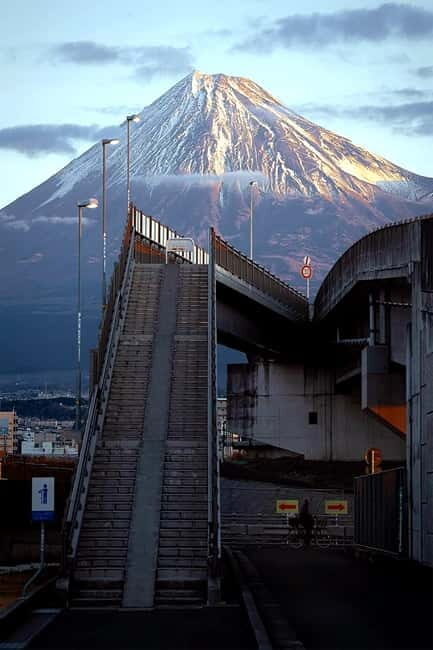
Later in the day, you’ll reach Mt. Fuji Dream Bridge, another viewpoint focused on panoramic views. This is billed as a quieter, more open perspective where you can step back and capture Fuji with wider surroundings.
You’ll have around 50 minutes here for walking and self-guided sightseeing. If you time it right with the weather, this stop can deliver photos that feel more “place-based,” like you’re showing where Fuji sits in the bigger geography—not only as a background.
If sunset is in reach, the light can turn warmer and more cinematic. Even if you’re not chasing sunset specifically, this is the kind of place where taking a few minutes to look before shooting pays off. You’ll likely find different compositions depending on where you stand along the bridge and what the sky is doing.
Driver Help and Real-World Small Fixes
The best part of a private day trip isn’t only the route. It’s the person steering the day. In past experiences with this trip style, drivers like Doshi and Omi have been praised for being friendly, punctual, and quick to answer questions.
One customer described the drive as calm and noted that the driver shared explanations throughout the trip. Another mentioned the driver lending an umbrella when rain caught them off guard. That kind of practical help matters because weather and timing are the two variables you can’t fully control around Fuji.
Still, keep your expectations realistic. If rain slows movement or if traffic stretches the ride, time for every planned stop can shrink. One person also found they couldn’t cover all of the photo targets they hoped for because it was tight. Your best move? At the start of the day, tell the driver what your top two Fuji shots are. You’ll feel more in control if the schedule gets squeezed.
Price and What This Private Day Trip Really Costs
This trip costs $451 per group, up to five people, for about 10 hours. On paper, it can feel pricey, but private Fuji transport from Tokyo is exactly where costs climb when you DIY it with multiple tickets, transfers, and the time you lose.
Here’s what you’re buying:
- Hotel pickup and drop-off in Tokyo
- Private transportation in an air-conditioned vehicle
- English-speaking driver
- Fuel and tolls
- A Wi‑Fi hotspot (if available)
- Multiple planned stops designed for Fuji photos
What’s not included:
- Meals
- Personal expenses
- A dedicated tour guide beyond the driver
When you split that $451 across five people, it comes down to about $90 per person for a full day of private transport and multiple Fuji-focused locations. For a couple, it’s more like $225 per person, but you’re still paying for the convenience of a private, scheduled day without navigating the route yourself.
If you’re the type who wants Fuji photos without the hassle, this is the kind of price that can actually feel fair. If you’re traveling alone on a tight budget, you might prefer cheaper public transportation options, but you’ll trade away a lot of flexibility.
Comfort, Clothes, and Photo Tips That Keep the Day Easy
This is a walk-and-photo day. I’d plan like you’re going to be on your feet for parts of it, not just riding and snapping. Wear comfortable walking shoes, and bring a jacket because it can get chilly around the Fuji area, even when Tokyo feels mild.
Photography is encouraged, and the big constraint is that drones are not allowed. So if you’re traveling with a drone, leave it at home. Use a camera or phone with a tripod if you have one, but stick to the rules on each spot.
A small backpack helps for water, a light layer, and personal items while you’re moving between stops. If it rains, expect wet pavement and quick weather changes. The good news is that drivers in this program have been helpful about small weather fixes, like providing an umbrella in at least one reported situation.
There’s also a clear restriction: alcohol and drugs are not allowed. So if you’re thinking of bringing anything for the ride, plan for a sober day.
One more practical detail: this trip is marked as not suitable for people over 95 years. If you’re near that range, it’s worth checking with the provider before you book, because walking and transfers could be challenging.
Who Should Book This Private Fuji Photo Trip
I think this day trip is a great fit if you:
- Want multiple Mount Fuji viewing angles without figuring out trains and schedules
- Prefer a private vehicle and a calm pace over a crowded group bus
- Travel with a small group (up to five) and can split the group cost
- Care about photos enough to follow a route designed for different Fuji compositions
- Like having an English-speaking driver who can answer questions along the way
If you’re traveling solo, it can still work, but the price per person rises. If you’re very budget-focused, you might be better off with public transport and DIY planning. But if your goal is Fuji photos with less friction, private is the right tool.
Also, if you’re picky about which exact Fuji shot you want most, tell the driver early. Timing can tighten, and you’ll benefit from clarity from the start.
Should You Book This Private Mount Fuji Photo Trip?
If Fuji is the reason you’re in Japan, I’d seriously consider booking. The value comes from the mix of iconic photo spots—Chureito Pagoda, Lawson Fuji Store, Oshino Hakkai, and Dream Bridge—plus the comfort of a private car with pickup and drop-off.
Book it when you want:
- A structured Fuji day that’s photo-friendly
- Less stress than DIY planning
- A driver who can adapt when rain or timing gets tricky
Skip it or reconsider if:
- You’re extremely weather-dependent and need a long guaranteed window at only one location
- Your group is tight on time and can’t handle schedule compression
- You’re looking for meals included (food isn’t part of the package)
Overall, this is a practical, efficient way to chase Mount Fuji with real photo stops, not just “we drove near it.”
FAQ
How long is the Mount Fuji private day trip from Tokyo?
It runs for about 10 hours.
Where are you picked up and dropped off?
You’re picked up from your accommodation in Tokyo and dropped back in Tokyo.
How many people are in a private group?
The private group is up to 5 people.
Is the driver English-speaking?
Yes, the driver provides English.
Is there Wi‑Fi in the vehicle?
There’s a Wi‑Fi hotspot in the vehicle, subject to availability.
Are meals included?
No, meals are not included.
Are drones allowed during the stops?
No, drones are not allowed.