REVIEW · NAHA
Okinawa: Naha: 1 day Kerama Islands diving‣ license required
Book on GetYourGuide →Operated by JOY CREATE OKINAWA TEA-DA · Bookable on GetYourGuide
Kerama Islands in one day sounds good. The twist is seasonal extras baked into the trip, from mochi pounding on Jan 1 to whale watching in winter.
I like two things a lot here. First, the operation is set up to keep you moving: fast boat rides between islands, then a focused day in Kerama National Park with your guide choosing the best underwater stops for the conditions. Second, the staff feel genuinely patient. In the feedback I read, instructors like Koyama and Takashi stood out for slowing down when needed and making beginners feel steady.
The main consideration: quality can vary day to day. One unhappy account complained about an overcrowded boat, weak briefings, and worn gear. So you should arrive with the mindset of checking your equipment fit fast and asking questions early, especially about safety and buoyancy.
In This Review
- Key highlights worth planning around
- Kerama Islands from Naha: what makes this day trip work
- C-card only: this is for certified scuba, not a try-it day
- The morning routine in Naha: pickup and the 8:00 boat departure
- Cruising the Kerama route: Tokashiki, Zamami, and Aka
- Underwater stops: how the day is structured once you’re in
- Winter comfort: 22°C water, heaters onboard, and free boat coats
- Lunch, tea, shaved ice, and the mochi-pounding day
- Whale watching inclusion: dates, route limits, and the reality check
- Swim rings and the solo-friendly setup
- Price and value: is $129 fair for this day?
- Equipment, briefings, and what to do if something feels off
- Who should book this Kerama Islands scuba day?
- Should you book? My practical call
- FAQ
- Do I need a scuba C-card to join?
- What’s the pickup like from Naha?
- How long is the tour, and what time does the boat leave?
- What’s included in the price?
- What’s not included?
- Is whale watching guaranteed?
- What should I bring, and is there anything I’m not allowed to bring?
Key highlights worth planning around

- Three curated underwater stops picked for the day’s conditions, with help tuned to your level
- Winter comfort that’s actually thought through, including free boat coats and boat heating
- Whale watching window (Kerama route only) included from mid-January through March
- Seasonal treats: mochi pounding Jan 1, shaved ice Aug–Sep
- Free swim ring rentals if you reserve ahead
- Solo-friendly setup, with daily departures even if you’re the only person on the booking
Kerama Islands from Naha: what makes this day trip work

Okinawa has a lot of ways to spend a day on the water. This one stands out because it’s designed for real time underwater, not just a quick taste. You leave Naha, cruise past other islands on a high-speed boat, then spend the bulk of the day around the Kerama area.
The big value is that you’re not stuck waiting around. You get a full rhythm: van to the port, a long stretch on the boat, then a guided plan once you’re in the water. If you’ve ever had a day trip where you feel like you only do the “getting there” part, this feels more like an actual experience.
It also helps that the tour is structured for different comfort levels. The info says you’ll be responded to based on your level, and the guides will answer questions about big fish, small fish, and underwater terrain. That matters because the Kerama region can feel different from what you’re used to, depending on visibility and currents.
You can also read our reviews of more scuba diving tours in Naha

C-card only: this is for certified scuba, not a try-it day

This trip requires your C-card. That’s a good thing if you’re already certified, because it means the staff can focus on running a day for divers rather than switching gears into training.
I also like the “support by request” approach. The schedule is built around three best stops for the day, and you’re guided with a style meant to keep the experience fun and manageable. If you haven’t been in the water for a while, you’ll want that kind of refresher focus.
One practical thing: the activity is not listed as suitable for divers without certification, and it’s also not suitable for a long list of health situations (heart problems, epilepsy, recent surgeries, and more). If any of that applies to you, take the safety side seriously and skip this one.
The morning routine in Naha: pickup and the 8:00 boat departure

You’ll start in Naha, with pickup included only within Naha city. The operator notes there’s a limit to pickup seats; if those seats fill, you may need to meet the group at the port area instead. If you’re outside Naha city, the meeting point is handled as meet-and-disband at the specified location.
The boat departs at 8:00 AM, so you’ll want to be ready before you think you need to be. This is not a “we’ll wait for you” kind of day. The feedback about Japanese-style punctuality fits that vibe.
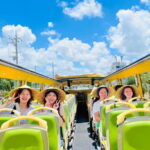
Expect a van ride (about an hour) to the port. Then the trip shifts to the high-speed boat ride, where you’ll start seeing islands as you head into the Kerama National Park area.
Cruising the Kerama route: Tokashiki, Zamami, and Aka

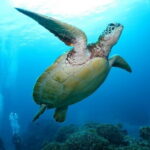
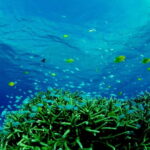
Once you’re out, the Kerama Islands feel like a real destination, not a background setting. The route is mainly around Tokashiki Island, Zamami Island, and Aka Island. You’ll spend your on-water time in Kerama National Park, which is where you’ll get those classic coastal reef scenes and plenty of fish life.
One small but important note: Chibishi Islands are not included. This tour is intentionally Kerama-focused, so don’t expect a quick add-on to the Chibishi area.
Also keep your expectations realistic about wildlife. Even though this tour includes optional whale watching in a set window (details later), the operator is clear that weather and sea conditions can limit sightings. That honesty is useful for planning.
Underwater stops: how the day is structured once you’re in

The day is guided around selecting the three best underwater stops for the conditions. That’s a big deal on days when visibility or currents shift. If they chose a fixed list regardless of the weather, you could easily end up with a “planned disappointment.”
The guidance also sounds geared toward practicality: you’ll be taught a diving/underwater style that aims to make the outing enjoyable, even for beginners or people returning after a gap. In the better reviews, the most common theme was patience and clear guidance, which usually means fewer panics and less flailing around.
What to remember from the safety side: you should not touch marine life. That rule is explicit. I’d also take it as a hint about the vibe onboard: when buoyancy and awareness are good, reef damage risk drops. If you’re newly certified, ask early how to keep distance from coral and bottom.
A few more Naha tours and experiences worth a look
Winter comfort: 22°C water, heaters onboard, and free boat coats

Okinawa winters can still be chilly on land, but the sea can be surprisingly forgiving here. The info says the average winter air temp is around 20°C, while Kerama sea water stays never below 22°C. That means you’re often dealing with cold air and wind more than cold water.
And they back it up with gear and boat setup. You’ll wear a 3mm hooded vest under a 5mm one-piece, plus a free boat coat that you wear over your wetsuit. On cold days, the boat also has a cabin heater and engine heater, with the goal of keeping the inside around 25°C.
One review also points out there were options if you felt cold, which matches that “don’t let weather ruin it” approach. Practical tip: if you run cold easily, use the boat coat fully, not just when you’re drenched or shivering.
Lunch, tea, shaved ice, and the mochi-pounding day

Food can make or break a long day at sea. Here, tea is included, and the staff also provide hot Okinawa soba and oden for cold-day comfort. The checklist says to bring a packed lunch, so I’d treat that as your backup plan, not an optional suggestion.
For seasonal treats:
- Shaved ice is available August and September.
- On January 1st, there’s a traditional all-you-can-eat mochi pounding event.
The shaved ice part shows up in the feedback too, which is always a nice surprise after time on the water. And if you’re in Okinawa on Jan 1, the mochi event adds real local flavor beyond just the reefs.
Whale watching inclusion: dates, route limits, and the reality check

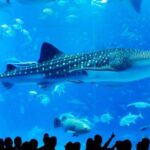
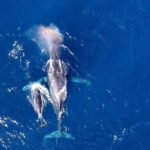
This is one of the coolest seasonal add-ons. Whale watching is included from January 12th to March 31st, and it’s only on the Kerama route. That route limitation matters because it ties whale chances to where you’re traveling that day.
Still, the operator is straight about this: depending on weather and sea conditions, you may not be able to see whales. I recommend you go in wanting it as a bonus, not a promise.
If you want the best odds, pick dates closer to the middle of that window, and be ready to accept that wind and swell can change everything.
Swim rings and the solo-friendly setup

Not every “full day on the water” trip makes room for people who want to relax between activities. Here, there’s free swim ring rental, but reservations are required. If you’re booking, ask for it early so you don’t arrive and miss the chance.
On the social side, the tour is designed to operate even if you’re alone. The info says you can participate even if you’re by yourself, and they depart every day even for one person. That matters in practice because solo travelers often worry about being left out or having to “fit in.” The feedback I saw matched a better experience for solo travelers, with no feeling of being sidelined.
Price and value: is $129 fair for this day?
At around $129 per person, you’re paying for a full Kerama-day format: van pickup within Naha city (if seats are available), a high-speed boat day, rental equipment (tanks and weights), and a real guided plan once you’re on site.
Here’s what you get that usually costs extra elsewhere:
- Full scuba rental equipment
- Boat coat rental (free)
- Towel, changing room, hot water shower, toilet
- Tea onboard
- Whale watching during the included seasonal window
- Shaved ice during August and September
Optional add-ons:
- Rental camera is available, but you need to reserve it
- GOPro rental is extra (3,000 yen, with SD card)
- Camera SD card is extra if you use the rental camera
To judge value fairly, think about winter gear alone. If you’ve ever rented a boat coat or dealt with cold, you know how much that comfort can matter. Here, the boat is also heated, and they build a warming plan into the trip.
So yes, the price can be a solid deal if you’re in the right season and you show up ready to use the included gear properly.
Equipment, briefings, and what to do if something feels off
Because one review reported issues with overcrowding, worn equipment, and a weak briefing, I’d treat this part as your power move. When you arrive:
- Do a quick check that your BCD inflator works as expected
- Confirm your booties/gear fit properly before you hit the water
- Ask for a clear safety explanation in the language you’re most comfortable with
The positive reviews strongly emphasize patience and instruction quality, including named instructors like Koyama and Takashi. But the negative feedback is a reminder that you still need to advocate for yourself. If a briefing feels thin, ask follow-up questions immediately. You’re not being difficult; you’re being safe.
Also, note the “no touching marine life” rule. That’s not just policy. It’s about keeping the reef healthy and keeping your group calm when conditions get busy.
Who should book this Kerama Islands scuba day?
Book this if you:
- Have a C-card and want a well-run day in the Kerama Islands (Tokashiki, Zamami, Aka)
- Like the idea of a guided day with three selected underwater stops
- Want a winter trip where comfort is planned, not improvised
- Are traveling in the Jan 12–Mar 31 window for whale watching chances
- Care about seasonal Okinawa touches like mochi pounding on Jan 1 or shaved ice in August–September
Skip it if you fit the operator’s “not suitable” categories (for example, pregnancy, mobility impairment, heart problems, vertigo, recent surgeries, and more). And if seasickness is in your personal risk list, the info specifically suggests taking anti-sickness medicine in advance.
Should you book? My practical call
If your goal is a legit Kerama-day experience with included equipment, winter comfort support, and seasonal bonuses, I think this is a strong option. The best feedback highlights patient guidance and a fun pace, and the winter setup sounds genuinely effective.
My only hesitation is the variation hinted by the less favorable account. That doesn’t mean you’ll have a bad day. It means you should show up prepared to check gear, request clarity on safety, and set expectations early.
If you do those three things, you’ll be in the best position to enjoy what this trip is good at: fast boat energy, a guided day in Kerama National Park, and those Okinawa seasonal moments that make the trip feel more local than just scenic.
FAQ
Do I need a scuba C-card to join?
Yes. The tour is only for people who have a C-card.
What’s the pickup like from Naha?
Pickup is included only within Naha city, and there are limited pickup seats. If you’re outside Naha city, the tour will meet and disband at the location. You’ll need to provide your hotel name for pickup.
How long is the tour, and what time does the boat leave?
The total duration is about 7 hours. The boat departs at 8:00 AM.
What’s included in the price?
Included items are full rental equipment (including tanks and weights), towel, tea, changing room, hot water shower, toilet, and a boat coat. Whale watching is included from January 12th to March 31st, and shaved ice is available in August and September. A rental camera is also available if you reserve it.
What’s not included?
Not included: GOPro rental (3,000 yen with an SD card) and rental camera SD card (2,000 yen, though you can bring your own SD card).
Is whale watching guaranteed?
No. Whale watching is included during the January 12th to March 31st period, but visibility and sightings depend on weather and sea conditions.
What should I bring, and is there anything I’m not allowed to bring?
Bring swimwear, sunglasses, change of clothes, sunscreen, a packed lunch, personal medication, your diving certification, and your dive log. Not allowed: pets (assistance dogs allowed), weapons or sharp objects, oversize luggage, smoking in the vehicle, fishing, alcohol and drugs, unaccompanied minors, and touching marine life.