REVIEW · NAHA
Okinawa:Kerama Islands experience Diving/Snorkeling/WhaleWatching
Book on Viator →Operated by JOY CREATE OKINAWA TEA-DA · Bookable on Viator
You’re up early, then rewarded with clear Okinawan water. This Kerama Islands intro day mixes beginner-friendly scuba coaching with snorkeling across 2-3 nearby islands, usually in search of sea turtles. One key thing to know: sightings of turtles and whales are never guaranteed, because nature runs the schedule.
I like that the team runs this like a safety-first classroom on the water. You get repeated equipment and boat briefings, first-aid-trained instructors, and gear that’s meant to help you feel steady. The possible drawback is simple: you’re on a boat all morning, and if you’re prone to seasickness or you have health-limitations, you’ll need to plan carefully.
In This Review
- Key highlights you’ll care about
- How the Kerama Islands day starts from Naha
- Whale watching season: when you might spot something big
- Your water day across 2–3 island stops
- Intro scuba coaching for first-timers (even if you’re nervous)
- Snorkeling on the same trip (so nobody feels left out)
- Sea turtles, coral, and what to aim for realistically
- Photos, video, and the small extras that add up
- Price and value: what you’re really paying for
- Safety and health: when you should think twice
- Who this Kerama Islands day is best for
- Should you book the Kerama Intro scuba and snorkeling day?
- FAQ
- Where is the meeting point and what time does the tour start?
- Is this suitable if I don’t have a scuba license?
- Can non-swimmers participate?
- Will I definitely see whales and sea turtles?
- What islands do you visit?
- What’s included in the tour price?
- Do you provide photos or video?
- Can I get free motion sickness medicine or a swim bladder rental?
- What happens if I cancel?
Key highlights you’ll care about
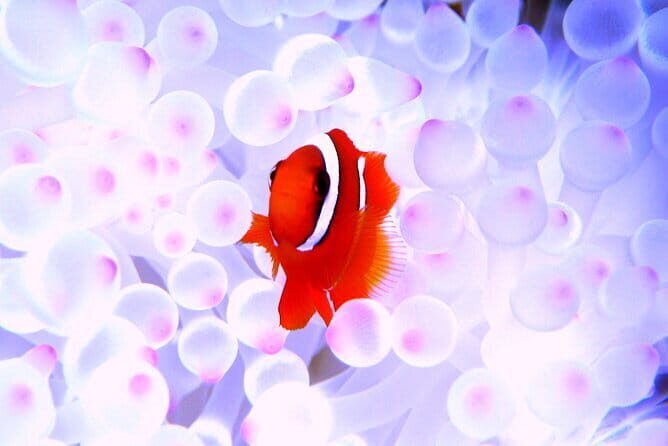
- Small groups (max 15) mean more attention during the water time
- Intro scuba coaching includes surface practice plus clear equipment explanations
- 2–3 island stops across Zamami, Tokashiki, Kuroshima, and Maejima, depending on conditions
- Whale watching season runs Jan 12 to Mar 31, but it’s weather-dependent
- Photo and video extras: 2–3 underwater photos plus optional FHD video service
- Free add-ons with reservations: motion sickness medicine and a swim bladder rental
How the Kerama Islands day starts from Naha
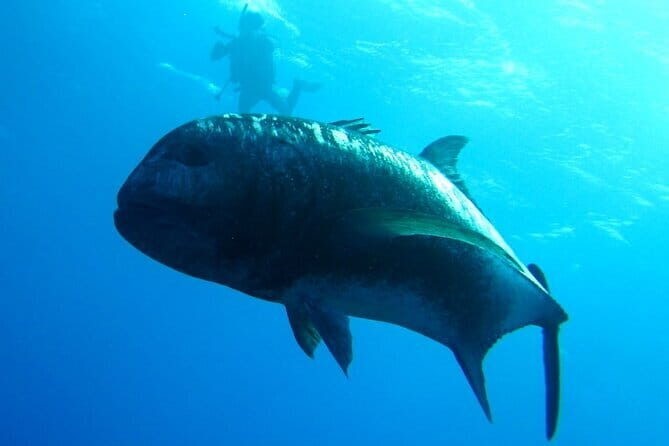
This experience starts in Naha at Miegusuku Port, with a 7:30am start time. For many people, that early departure is the best part of the day: you get on the water while the light is crisp and the sea often feels calmer.
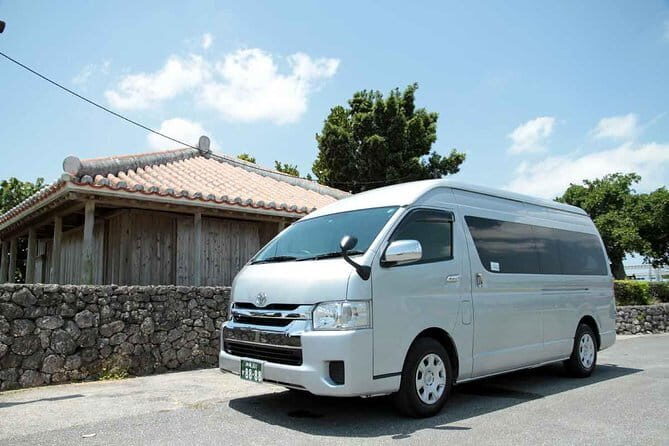
Pickup is offered within Naha city, but only if the shuttle bus has room. If you’re staying just outside the pickup area or you’re traveling with a group, I’d plan to confirm pickup availability before you count on it.
It runs about 7 hours total, and it’s designed so you’re not bouncing between disconnected activities. You’re going to spend that time on and in the water around the Kerama Islands, not sitting around waiting.
You can also read our reviews of more snorkeling tours in Naha
Whale watching season: when you might spot something big
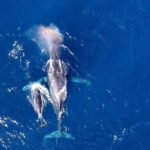
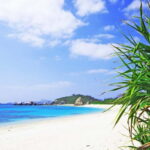
From Jan 12 to Mar 31, whale watching is included. During that season, you’re not just doing underwater time—you’re also looking at the horizon from the boat.
Important reality check: the ocean decides whether whales show up. The tour notes that whale sightings depend on weather and sea conditions, so treat whales as a bonus, not a promise. If you’re visiting in mid-winter to early spring, this timing is a real reason to pick this specific day.
If you’re outside that window, you won’t be banking on whales, but you’ll still be focused on the marine life around the islands—especially the chance to see sea turtles.
Your water day across 2–3 island stops
The Kerama Islands are compact enough that a single day can feel like “many places,” without being exhausting. You’ll visit two to three carefully selected spots each day, and the islands named for this experience include Zamami Island, Tokashiki Island, Kuroshima Island, and Maejima Island.
What makes this approach worth it: you’re not locked into one water area all day. If conditions change, guides can shift where you go. And if you’re hoping to see different types of fish and coral, variety helps.
Here’s what you can usually expect when you arrive at a stop:
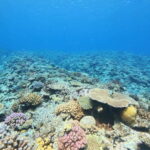
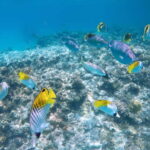
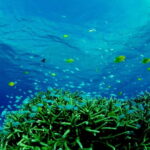
- clear water where you can often see a long way down toward the seabed
- coral and fish life close enough that your first underwater minutes feel immediately rewarding
- a focus on sea turtles, with the honest note that you might not spot them
Also note the timing on the water isn’t “sink or swim.” The tour is structured around beginner comfort. The staff uses instruction, equipment explanations, and surface practice so you can get your bearings before you spend real time underwater.
Intro scuba coaching for first-timers (even if you’re nervous)
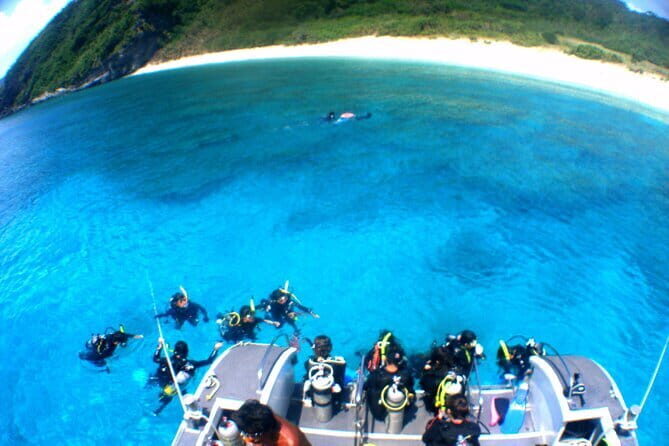
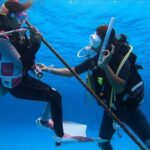
You don’t need a license to do this as an introductory experience. The whole tone is about helping people who are curious, nervous, or completely new. The tour is built for those moments when you’re thinking: I want to see underwater, but I’m not sure I can.
The instruction process is very intentional:
- verbal explanations of how everything works
- equipment explanations so you understand what you’re wearing and using
- surface practice before you go deeper
- staff who act as instructors during your time on the water
Safety matters here. All staff are instructors, and they’ve completed first aid training. They also provide support items like floating rings. And before you get into the water, they remind you to wear a wetsuit or life jacket for safety.
One added detail I appreciate: the operator emphasizes repeating the boat and intro-scuba guidance three times—on land, before entering the water, and again on the surface. That’s what you want for first-timers. It’s easy to miss one piece of info when you’re excited or a little stressed.
If your instructor is named Takashi, you’ll likely hear why. One instructor got called out specifically for calm, effective teaching with a first-time mindset. Even if it’s not the same person, the teaching style is clearly the point of the day.
Snorkeling on the same trip (so nobody feels left out)
Not everyone in your group needs the same water format. This is set up so you can match what you want while still staying together on the boat.
If you choose snorkeling, you still get the safety attention and animal-finding guidance. Snorkeling participants often report feeling safe during the experience, and the guide shares information about what you’re likely to see in the water.
If you’re traveling with friends or family, this flexibility is underrated. You can keep the group together while someone does snorkeling and someone else tries the introductory scuba option.
You can also read our reviews of more scuba diving tours in Naha

Sea turtles, coral, and what to aim for realistically
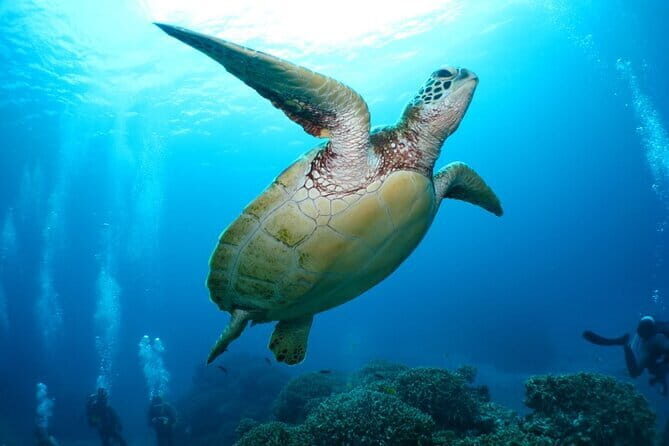
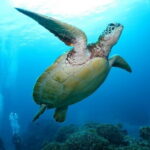
The day is “in search of sea turtles,” and the guide helps you look. But the tour specifically warns that you might not be able to spot them.
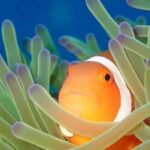
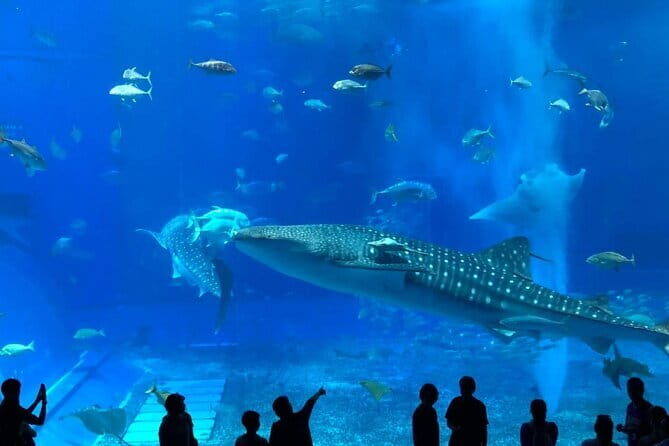
That doesn’t make the trip pointless. In Okinawa, the underwater scenery isn’t only turtles. Even if turtles don’t show up, the experience is often about coral, fish activity, and that wow-feeling of clear water.
Practical mindset: go with the hope of turtles, but evaluate the day based on overall water clarity and marine life. If you’re new to snorkeling or scuba, the first time you see coral structure and schools of fish up close can be just as memorable as any animal sighting.
Photos, video, and the small extras that add up
You get a nice souvenir angle without needing to buy your own camera rig. The experience includes 2–3 underwater photos as a gift. You download them on Facebook. There’s also an FHD video service option if you want more than still shots.
If you’re planning to bring kids, there are extra touches. Snacks for children under 12 are included, and in August and September there’s free shaved ice while you’re looking out at the ocean. Those are small things, but they’re the kind of details that keep the day fun, not just work.
Also, if you want to feel better physically during the ride, they offer:
- free seasickness medication (with reservation)
- optional seasickness medicine if desired
They also provide a free swim bladder rental if you reserve in advance. That can be a big comfort boost for people who are excited but not super confident in the water.
Price and value: what you’re really paying for
At $96.67 per person, the value comes from what’s bundled—not just the scenery.
Included costs that usually add up on their own:
- snorkeling equipment and scuba equipment use
- ship fare and insurance
- tea and water
- pickup within Naha city (when shuttle capacity allows)
- seasickness medication (if desired)
The experience is also structured to work for first-timers, which matters. Training time, repeated safety briefings, and instructor attention cost money. A small max group size of 15 supports that.
What’s not included: lunch. Even if some departures include food in practice, the official info lists lunch as not included—so plan your day accordingly. If you tend to get hungry fast, I’d bring a light snack for the time after you get back, or at least be ready to grab something near Naha.
If you want to keep the budget under control while still getting a full ocean day with gear and instruction, this price point can make sense.
Safety and health: when you should think twice
This is an ocean activity, so safety isn’t a slogan—it’s part of the contract with your body.
The tour says anyone in good health can participate, but they list many conditions that can disqualify you, including problems related to asthma/wheezing, epilepsy/seizures, certain lung issues, major heart issues, recent surgery, and more. If you’re not sure, the right move is to check the health checklist they send after booking.
Also keep in mind:
- they can refuse participation if you drink alcohol within the hour
- there’s no refund if you don’t pass the health check on the day
On the water side, you can reduce risk by doing two things:
- follow the wetsuit/life jacket guidance and use the provided flotation supports
- if anything feels off with your equipment or breathing comfort, tell the instructor right away
There have been occasional negative experiences reported about equipment issues and attention timing. I can’t promise you’ll never face gear problems, but you can improve your odds by doing a quick check of what you’re given before stepping off the boat—and speaking up immediately if something doesn’t feel right.
Who this Kerama Islands day is best for
This is a strong fit if:
- you’re in Okinawa and want a single day that includes both snorkeling and an intro scuba option
- you’re a beginner and want instruction that starts with surface practice
- you want a group experience with instructor-led safety and first-aid-trained staff
- you’re visiting in Jan–Mar and want whale watching added into the day
It may not be ideal if:
- you have health risks that could fail the health check
- you’re highly prone to motion sickness and didn’t reserve the free meds
- you’re the type who hates being on a boat for several hours, even with breaks built into the day
Should you book the Kerama Intro scuba and snorkeling day?
I think this is a good booking when you want value, structure, and a real chance at marine life without needing prior scuba experience. The combination of small group size, repeated coaching, and equipment support makes it especially workable if you’re nervous.
Book it if whale watching timing matches your trip dates and you’re comfortable with the fact that sightings of whales or sea turtles depend on conditions. And go in with a smart expectation: the real payoff is clear-water coral and fish life plus the feeling of getting your first real underwater look with guidance.
If you want this day to run smoothly, do two simple things before you go: reserve any motion sickness support you want, and review the health checklist carefully so you don’t gamble with eligibility.
FAQ
Where is the meeting point and what time does the tour start?
The meeting point is Miegusuku Port in Naha, and the start time is 7:30am. The activity ends back at the meeting point.
Is this suitable if I don’t have a scuba license?
This is designed as an introductory experience for first-timers. The tour emphasizes instruction, surface practice, and equipment explanations to help people who are new.
Can non-swimmers participate?
Yes. The tour specifically notes that you don’t need to be able to swim, and it provides safety supports like floating rings. You’ll also be asked to wear a wetsuit or life jacket.
Will I definitely see whales and sea turtles?
No. Whale watching is included only from Jan 12 to Mar 31, but it depends on weather and sea conditions. Sea turtle spotting is also not guaranteed.
What islands do you visit?
You’ll visit two to three selected spots per day in the Kerama Islands. The islands mentioned include Zamami Island, Tokashiki Island, Kuroshima Island, and Maejima Island.
What’s included in the tour price?
Included items are snorkeling equipment and scuba equipment, ship fare and insurance, tea and water, and pick-up service within Naha city (if the shuttle bus is not full). Seasickness medicine is included if desired.
Do you provide photos or video?
You get 2–3 underwater photos as a gift, and you can download them on Facebook. FHD video service is also available.
Can I get free motion sickness medicine or a swim bladder rental?
Yes, both are listed as free with reservation: motion sickness medication and swim bladder rental.
What happens if I cancel?
You can cancel for a full refund up to 24 hours before the experience’s start time. If the tour is canceled due to poor weather, you’ll be offered a different date or a full refund.