REVIEW · TOKYO
Tokyo Hakone : Mt.Fuji, Owakudani, Open Air Museum, Hakone Shrine
Book on Viator →Operated by TOURSTORY · Bookable on Viator
Steam and sculpture in one day. I like how the Hakone Open-Air Museum turns world-class modern art into a walk-through garden, with major names like Henry Moore and Joan Miró right where you can see the mountains. I also love the drama of Owakudani, where you get steaming sulfur vents and the famous kuro-tamago black eggs in a volcanic setting. The main drawback to plan for: Mt. Fuji views depend on clear weather, so your photos are partly a weather game.
In a good way, the guides make the day feel simple. In the small details, I noticed names like Patrick and Gilbert helping people move smoothly, and pitching optional add-ons (Ropeway or Pirate Ship) when conditions allow. With English and Korean speaking staff, a mobile ticket, and a maximum group size of 60, you’re not stuck waiting around in a huge crowd.
Plan on a long, full day—about 10 to 11 hours. Traffic and weather can shift timing, and peak-season crowds may reverse the order of stops, so keep your schedule flexible and your shoes ready.
In This Review
- Key things I’d prioritize
- Hakone Open-Air Museum: modern art with real mountain views
- Owakudani volcanic valley: sulfur vents and the kuro-tamago tradition
- Mt. Fuji photo odds: what clear weather changes
- Optional Hakone Ropeway: extra views when you want more Hakone
- Pirate Ship over Lake Ashi: a scenic break with 3D art onboard
- Hakone Shrine and the Torii of Peace: the red gate moment
- Lake Ashinoko: crater-lake views and why the water matters
- How timing and routing work when Japan throws traffic at you
- What you’re really getting for $75.80 (and what costs extra)
- Who this Hakone day trip fits best
- Should you book this Hakone day tour from Tokyo?
- FAQ
- How long is the Tokyo to Hakone day tour?
- What is included in the price?
- Are meals included?
- Is the Hakone Open-Air Museum ticket included?
- Is Owakudani admission included?
- Can I see Mt. Fuji on this tour?
- Is the Hakone Ropeway included?
- Is the Pirate Ship included?
- How big is the group?
- What is the cancellation policy?
Key things I’d prioritize
- Open-Air Museum art in a mountain garden with standout works by Henry Moore, Joan Miró, and a dedicated Picasso gallery
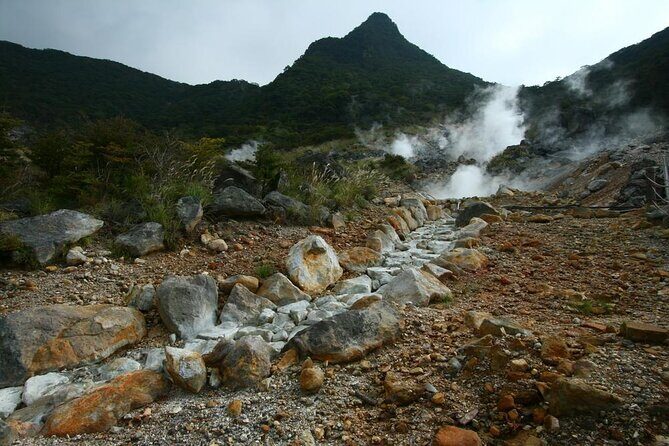
- Owakudani steam and kuro-tamago from natural hot-spring boiling, plus panoramic views toward Mt. Fuji on clear days
- Hakone Shrine forest walk and the Torii of Peace photo spot over Lake Ashi
- Lake Ashinoko views and easy cruising options (plus optional pirate-style ship time)
- Optional Ropeway and Pirate Ship only when weather supports it
- Transportation and key admission tickets included in one set price (meals are on you)
Hakone Open-Air Museum: modern art with real mountain views
This is the part of the day that sets the tone. You’ll spend about two hours at the Hakone Open-Air Museum, strolling landscaped grounds that are built for slow looking. The museum experience isn’t just a room with art on walls—it’s sculptures and installations placed outdoors, so you keep getting sightlines back to greenery and surrounding hills.
I especially like the way it frames big-name artists in a practical way. You’ll see works by Henry Moore and Joan Miró, and there’s also a dedicated gallery area featuring Picasso. If you care even a little about modern art, this stop feels like value because your time is used for both art and atmosphere—not just checking a building off your list.
The entrance is also worth a quick pause for photos. There’s a glass-walled entry area that gives you a clear look at the grounds and the mountain backdrop, which makes it easier to start your day with some good shots without hunting around.
My practical tip: wear comfortable walking shoes. You’ll be strolling through gardens and paths, and the pace is meant to be easy, not fast-tour “stop and sprint.”
You can also read our reviews of more museum experiences in Tokyo


Owakudani volcanic valley: sulfur vents and the kuro-tamago tradition
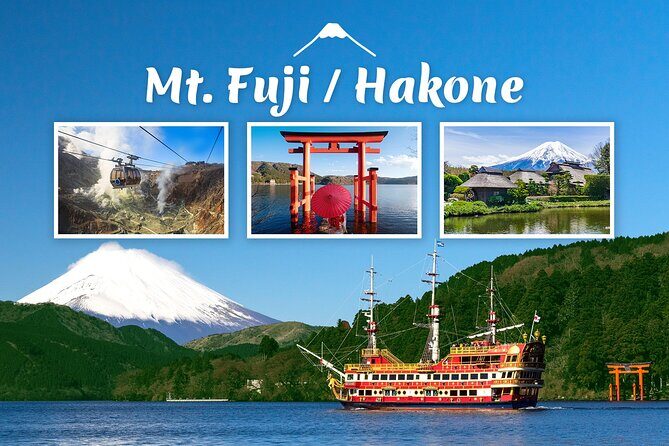
Next comes the reason Hakone feels different from most day trips: Owakudani. Plan about one and a half hours here, with time to walk along steaming trails, take in active geothermal sights, and look for panoramic views toward Mt. Fuji on clear days.
What you’ll notice first is the smell and steam. Sulfur vents send up smoke-like steam, and it’s the kind of place where your senses catch up before your brain does. The air can feel warm around the vents, and the ground-level visuals are dramatic in a very real, hands-on way (not theme-park dramatic).
Then there’s kuro-tamago—the famous black eggs. They’re boiled in natural hot-spring water, and the local belief is that eating one adds years to your life (the tradition here says seven years). Even if you’re not big on folklore, it’s still a neat cultural food moment because you’re eating it in the place it’s connected to.
What to watch for: Owakudani is an active volcanic area. Stick to the paths and viewpoints the day provides, and keep your expectations realistic—steam can block sightlines if conditions are thick. If Mt. Fuji is visible, it’s one of those “wow, that’s why people come” moments.
Mt. Fuji photo odds: what clear weather changes
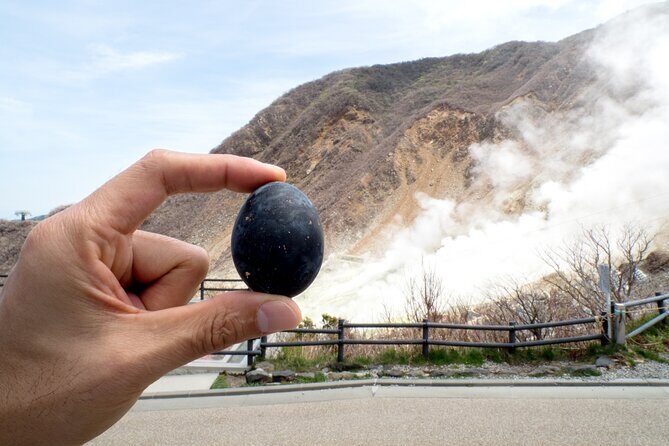
This tour gives you multiple chances to catch Mt. Fuji, but it’s not a promise. The text around Owakudani specifically notes you can see Mt. Fuji on clear days, and the Lake Ashi area is also known for reflecting the mountain when conditions are right.
So here’s how I’d play it: if the sky looks decent, prioritize your longer photo stops (Owakudani overlooks first, then Lake Ashi). If the weather turns gray, don’t lose the day—you’ll still get the volcanic action at Owakudani and the classic Hakone shrine scene over the water.
Practical mindset: think of Fuji as a bonus. Your “always-interesting” anchors here are the Open-Air Museum and Owakudani. Fuji is the extra reward if the day cooperates.
Optional Hakone Ropeway: extra views when you want more Hakone
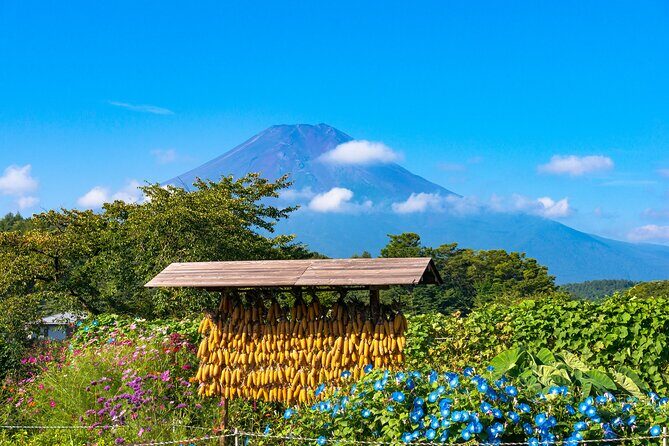
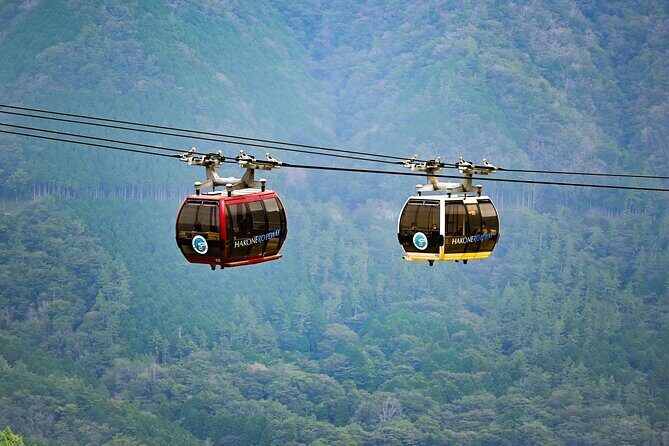
You might have the chance to add the Hakone Ropeway while you’re in the area. It’s listed as an optional on-site experience (about 30 minutes), and it’s not part of the included tickets.
The route from Sounzan to Owakudani can be a nice upgrade because it gives you higher-angle views over the valley while smoke rises from the geothermal area below. If you don’t want to rely only on ground-level walking, the Ropeway can turn this stop into a more layered sight experience.
My advice: only do it if you’re comfortable with weather-dependent operations. Ropeway and ship options here are subject to local conditions, and your guide can help you decide based on what’s happening that day.
Pirate Ship over Lake Ashi: a scenic break with 3D art onboard
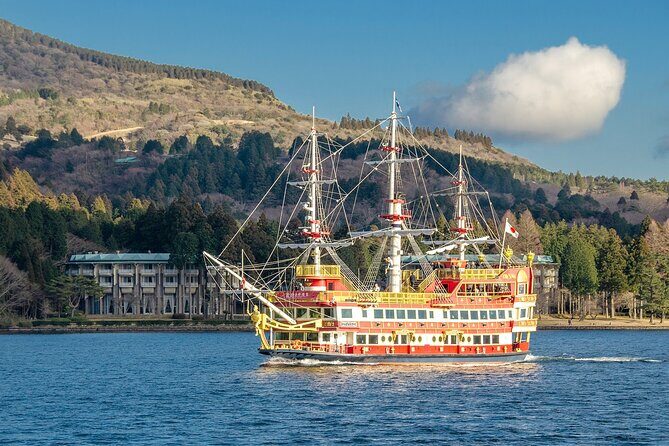
Hakone’s lake is the calm part of the route, and the optional Hakone Pirate Ship is a fun way to use that calm time. This is also on-site and optional, about 25 to 40 minutes, departing from Togendai Port and traveling to Moto-Hakone Port.
From the lake, the scenery is a big reason people like the ship. The boat ride also includes onboard pirate-themed features with 3D art and attractions, which makes it feel more like a “moment” than just transportation.
Since it’s optional and weather can affect operations, I’d treat it as a plan-B type add-on. If you’re traveling with kids, it’s an easy way to add a change of pace. If you’re traveling solo or as a couple, it’s still a pleasant break between Owakudani and the shrine/torii photo time.






Hakone Shrine and the Torii of Peace: the red gate moment
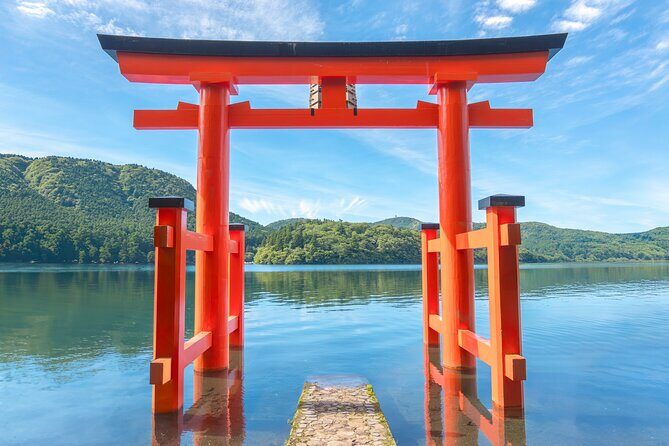
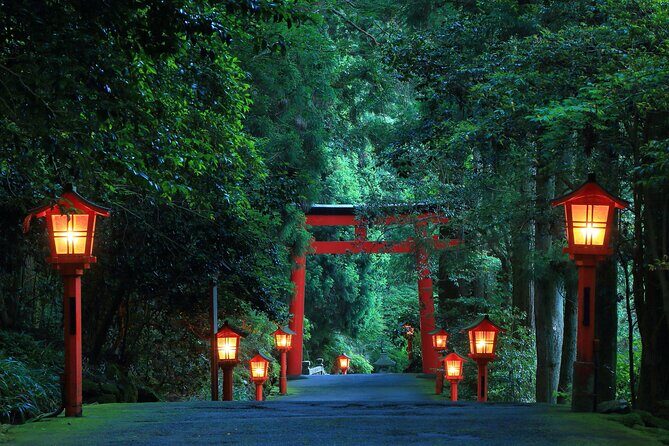
Then you move to the calmer, more spiritual side: Hakone Shrine on the shores of Lake Ashi. You’ll have about 30 minutes here, plus another scheduled slot for the Torii of Peace.
The shrine experience includes a forest path stroll, so it feels like a breather after volcanic steam. The shrine has a history of over 1,200 years, and there’s a specific cultural idea tied to visiting: it’s believed to enhance one’s productivity in the workplace. I don’t treat that as a guarantee, but it’s a meaningful detail that makes the visit feel more intentional than just sightseeing.
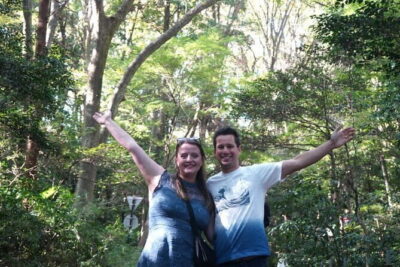
The star photo is the Torii of Peace—a vivid red gate standing over the water. It’s described as one of the area’s most photographed spots, and that makes sense: the contrast between the gate and the lake is so strong that even quick phone shots can look good. It symbolizes harmony and spiritual protection, and the placement makes it both a cultural stop and a viewpoint.
Small timing note: because this is a shore-and-gate area, the best photos often come when you can step back a few times and wait for angles and spacing. Build in a little patience, even if your overall schedule feels tight.
Lake Ashinoko: crater-lake views and why the water matters
Lake Ashinoko is the natural stage for everything around Hakone Shrine. It’s a volcanic crater lake formed after Hakone’s last eruption over 3,000 years ago. The tour gives you about 20 minutes here, which is enough time for photos and a short walk.
On clear days, Lake Ashi is known for reflecting Mt. Fuji, which is why your earlier Fuji-photo luck matters. Even without Fuji, the lake area is a relief after Owakudani: open water, gentle walking paths, and a calmer pace.
If you skipped the pirate ship, you can still enjoy the lake on foot. If you did take it, this stop helps you connect the dots—now you see the water from the shore after being on it.
How timing and routing work when Japan throws traffic at you
This tour is built to fit a full day, and it comes with a couple real-world constraints. First, in Japan, vehicles can’t operate for more than 10 hours, so your guide may adjust the plan based on conditions. Second, itinerary timing is subject to traffic and weather.
That matters because it can change the order of stops, especially in peak season (the plan may reverse). The key point: your tour is structured, but it’s still flexible. Your guide will manage it so you hit the main sights.
It also helps that the tour is near public transportation, which is reassuring if you need a quick way back to your base later. Still, the heart of the day is the guided route and included transit, so go with the flow and let the guide handle routing.
Practical move: bring a light layer. Between lake air, steamy valley heat, and bus climate, the temperature swings can surprise you.
What you’re really getting for $75.80 (and what costs extra)
At $75.80 per person, this tour can feel like good value if you’re counting both transit time and admission tickets. The included items are:
- Transportation
- English & Korean speaking staff
- Admission tickets
Those admission tickets cover key timed stops like the Open-Air Museum and Owakudani. Hakone Shrine and the Torii of Peace are free-entry stops in the itinerary, and the lake stop doesn’t add a ticket cost either.
What’s not included is also straightforward:
- Meals (including lunch at the shrine area, which is your responsibility)
- Traveler’s insurance
- Optional Hakone Ropeway ticket
- Optional Pirate Ship ticket
They also recommend bringing snacks or a light lunch, and I agree. Your day is long, and you’ll be happier if you can keep energy up between stops without relying on a full meal at the “right” time.
If you like the idea of bundling major Hakone sights plus transport in one day, the price makes sense. If you only care about one or two of the stops, you might feel it’s more than you need.
Who this Hakone day trip fits best
This tour fits best if you want a structured day with clear priorities: art, volcanic sights, and classic Lake Ashi shrine views. It also works well for first-timers because the day gives you a smooth route without needing to plan connections.
I’d especially recommend it if you:
- Like art and want the Open-Air Museum without figuring out timing on your own
- Want a guided volcanic stop with built-in context at Owakudani
- Care about classic photos at Hakone Shrine and the Torii of Peace
- Prefer optional add-ons you can choose based on weather (Ropeway or Pirate Ship)
For families, the optional pirate ship can be a morale booster. For older travelers, the route is manageable for “most travelers,” but you should still expect walking on museum paths and some trail walking at Owakudani.
Should you book this Hakone day tour from Tokyo?
If you’re doing Hakone in a single day, I think this tour is a strong option. The bundle of transport + major admissions saves time and keeps you from juggling ticket purchases for the big stops. The guide support (including English and Korean) also helps a lot when you’re deciding about Ropeway or Pirate Ship on the spot.
I would hesitate only if you’re traveling mainly for guaranteed Mt. Fuji views. The tour can point you toward viewpoints, but clear weather is the key variable. If cloudy skies are common in your travel week, you’ll need to enjoy the volcanic and cultural parts even without the mountain payoff.
Overall, if you want a focused day that hits the signature Hakone moments—art outdoors, sulfur steam, and the Lake Ashi shrine gate—this is a practical way to do it.
FAQ
How long is the Tokyo to Hakone day tour?
It runs about 10 to 11 hours, depending on traffic and weather.
What is included in the price?
Transportation, English and Korean speaking staff, and admission tickets.
Are meals included?
No. Meals are not included, and lunch at Hakone Shrine is at your own expense.
Is the Hakone Open-Air Museum ticket included?
Yes. Admission is included for the Open-Air Museum.
Is Owakudani admission included?
Yes. Admission is included for the Owakudani stop.
Can I see Mt. Fuji on this tour?
You can get views toward Mt. Fuji on clear days, especially around Owakudani and the Lake Ashi area. Visibility isn’t guaranteed.
Is the Hakone Ropeway included?
No. The Ropeway is an optional on-site experience and is not included in the base price.
Is the Pirate Ship included?
No. The Hakone Pirate Ship is optional and not included in the base price.
How big is the group?
The tour has a maximum of 60 travelers.
What is the cancellation policy?
You can cancel for a full refund up to 24 hours in advance of the experience start time.