REVIEW · TOKYO
Join a Unique Cultural Ceremony at Tokyo’s Meiji Shrine
Book on GetYourGuide →Operated by Starboard.corp · Bookable on GetYourGuide
Quiet chants beat sightseeing any day. This Meiji Shrine experience pairs a peaceful walk through the forest with exclusive access to a traditional Shinto gokito prayer ceremony you usually can’t see up close. You’re also guided by an English-fluent host with official Meiji jinguu ties, so the atmosphere lands in a way a solo visit rarely does.
I love how this tour turns a famous spot into a slow, sensory experience. You’ll move through quiet paths, smell the sacred woods, and then sit in a ceremonial hall where priests chant and music carries through the space. One thing to weigh first: Meiji Jingu involves a lot of walking, so it may not feel comfortable if you have limited mobility (wheelchair and pram support is available, but it’s still a walking-heavy stop).
In This Review
- Key Highlights You’ll Actually Feel
- Meiji Shrine on Foot: From JR Yoyogi into Real Quiet
- Walking Through Meiji Jingu’s Forest Paths (Not Just a Corridor to the Shrine)
- The Gokito Shinto Prayer Ceremony: The Moment That Makes It Worth It
- How Priests, Music, and Space Work Together (What to Watch Without Overthinking)
- Offerings, Coins, and Buying Goods: The One Money Detail People Forget
- The Japanese Snack Ending: Small, Human, and Sometimes Personal
- Price and Value: Why $121 Can Make Sense Here
- Who This Tour Fits Best (and Who Should Rethink It)
- Etiquette and Practical Tips Before You Leave Tokyo (Quick and Real)
- Should You Book This Meiji Shrine Gokito Access Tour?
- FAQ
- Where do I meet the tour group?
- When does the tour end?
- How much walking is involved?
- What languages are offered?
- What’s included in the $121 price?
- Do I need cash?
- Are alcohol or audio recording allowed?
- Is a cold an issue, and can I cancel?
Key Highlights You’ll Actually Feel
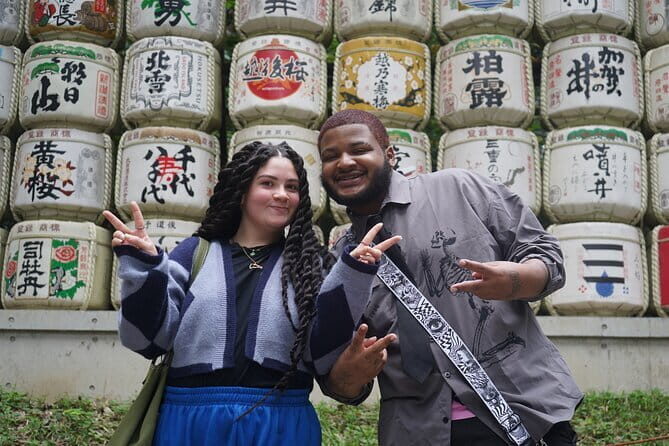
- Forest-path start that lowers your tempo before you ever reach the shrine buildings.
- Rare gokito access in a ceremonial hall where priests chant and music fills the room.
- English guidance with official Meiji jinguu membership so you know what you’re looking at.
- Sensory details like the cypress scent and the sound of flutes and drums.
- Finish with a Japanese snack, and in some cases your guide may even share the recipe.
Meiji Shrine on Foot: From JR Yoyogi into Real Quiet
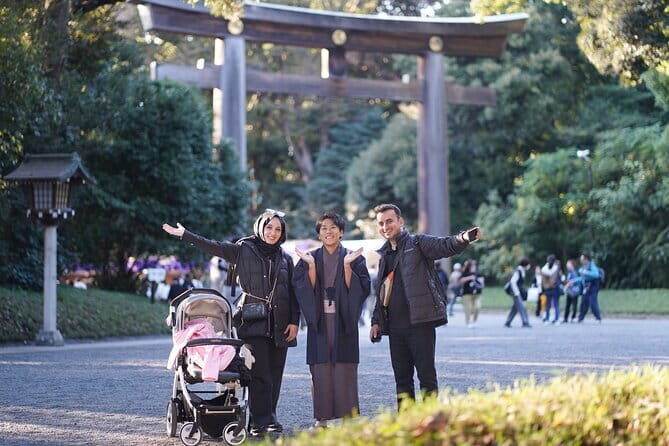
Most people hit Meiji Shrine by accident. You walk in, take photos, check the main shrine, and move on. This tour does something smarter: it starts you at JR Yoyogi Station (outside the WEST gate) and then slows you down fast.
Your meeting point is at JR Yoyogi Station, with a map on the left when you exit the WEST gate. Legit Japan staff will be there in Japanese-style outfits to pull the group together. You’ll end up back at the same meeting point when the tour wraps, which makes it easier to plug into the rest of your Tokyo plans.
The reason I like this setup is simple. Tokyo crowds can scramble your sense of time. By the time you’re walking the shrine grounds with a guide, you’re already in the rhythm this place wants: quieter steps, calmer breathing, fewer distractions.
You can also read our reviews of more tours and experiences in Tokyo.



Walking Through Meiji Jingu’s Forest Paths (Not Just a Corridor to the Shrine)
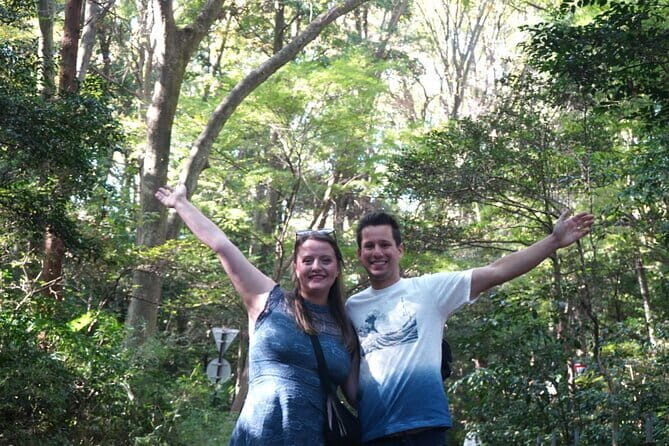
Meiji Jingu is famous, but the way it unfolds on foot is the point. Your time begins on the forest paths—the part that helps you shift from city brain to shrine brain.
Expect a route that’s more than a quick stroll. Meiji Jinguu requires a lot of walking, and you should plan accordingly. If you’re traveling with a stroller or using a wheelchair, support is mentioned as available, but the best advice is still the same: wear comfortable shoes and take it at an easy pace.
What makes the walk special here is not the distance—it’s the mood. The air feels different under the trees, and the soundscape changes quickly: fewer traffic noises, more natural quiet. That sets you up perfectly for what comes next. The shrine ceremony won’t feel like a performance; it’ll feel like something you’re arriving at slowly, with respect.
The Gokito Shinto Prayer Ceremony: The Moment That Makes It Worth It

Here’s the headline: the tour’s main draw is witnessing a traditional Shinto prayer ceremony called gokito. This is the part most visitors never see, because access is limited and understanding without context can make it feel like just another ritual.
You’ll step into a wooden ceremonial hall with high ceilings and polished floors. You might notice the smell of cypress as soon as you get inside. Then priests in traditional robes perform an ancient prayer while chanting, with flutes and drums echoing through the space.
You do not need to understand every word. In fact, you’ll get a lot more out of it if you treat it like sound and atmosphere rather than a translation exercise. Your guide’s job is to connect what you’re seeing to meaning—why the posture matters, why certain moments happen when they do, and how the rhythm of chanting and instruments shapes the space.
This is also where your group’s energy matters. If you’re the type who rushes to the next photo spot, this will slow you down. If you’re looking for a calm, quietly powerful experience, this is the one that tends to stick with people.
How Priests, Music, and Space Work Together (What to Watch Without Overthinking)
Shinto spaces often feel simple on the surface. The deeper lesson is how much intention goes into everyday details. In the hall, you’ll see how chanting + instruments create a steady structure for the prayer. The flutes and drums don’t just add sound; they shape timing, attention, and the feel of the room.
Here’s what I’d suggest you focus on during the ceremony:
- The way the priests move and pause, not just the words you can’t necessarily translate.
- The way the instruments punctuate moments, like breathing points for the room.
- The overall quiet. The most powerful part is often the stillness around the action.
One of the best parts of having an English-fluent guide is that you’re not guessing. The tour frames the ceremony as a cultural moment, not a spectacle. That helps you sit in it—literally and mentally—so you can absorb what the space is communicating.
And yes, people react in different ways. Some find it calming. Others feel chills. Either way, the common thread is that it’s memorable because it’s not designed for visitors to treat as a checklist.
Offerings, Coins, and Buying Goods: The One Money Detail People Forget
The ceremony includes the ritual fee as part of your tour price, but you still need to think about local offering customs. Coins for the offering box aren’t included, and neither are coins for buying any goods.
That’s why you’ll want cash with you. Your guide can help you understand what to do, but the basic idea is that you participate respectfully when the moment calls for it. If you show up without cash, you may feel stuck at the point where people begin making small offerings.
If you care about souvenirs or small ritual-related goods, plan for that too. Some shops sell items connected to shrine visits, and those purchases sit outside the included cost.
This is one reason I see the tour as good value despite the price. You’re not paying just for the ceremony access fee—you’re also getting the guidance that helps you participate properly, not awkwardly.






The Japanese Snack Ending: Small, Human, and Sometimes Personal

After the ceremony and shrine-time, you’ll finish with a Japanese snack. One review note that stuck with me: the guide may even share the recipe for what you’re eating.
That kind of detail is small, but it’s meaningful. Many tours end with a stamp and a goodbye. This one ends with something you can taste and remember, and the guide’s extra context turns it into a mini cultural lesson instead of a random extra.
Think of it as a soft landing back into everyday life. You’ve spent time in a quiet, structured spiritual space—then you’re back outside, with food and conversation to carry the mood home.
Price and Value: Why $121 Can Make Sense Here
$121 per person sounds steep if you’re comparing it to a free stroll. But compare it to what you’re buying.
You’re paying for:
- All fees and taxes
- The fee to experience the traditional Japanese praying ritual
A DIY shrine visit is cheaper, sure. But the difference here is access and understanding. The gokito ceremony isn’t something you can always arrange on your own, and even when you’re at Meiji Shrine, your experience can stay at the sightseeing level if you don’t know what you’re seeing.
So the value calculation becomes less about price-per-minute and more about price-per-meaning. If your goal is to start your trip with something calm, authentic, and uniquely Japanese, this ceremony-focused format gives you that—without you needing to figure out how to navigate a complex cultural setting alone.
Who This Tour Fits Best (and Who Should Rethink It)
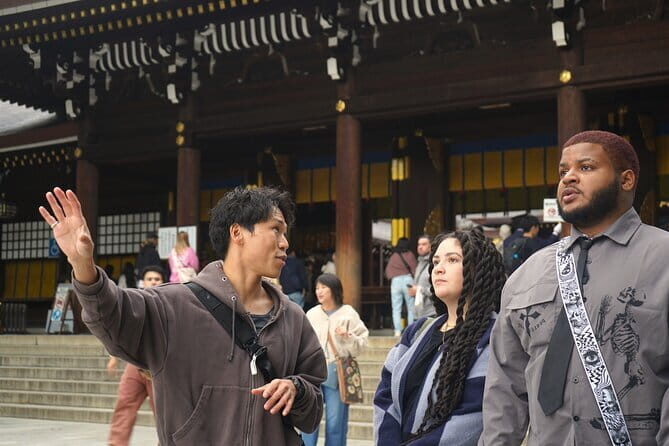
This tour is a strong fit if you:
- Want a more thoughtful start to a Japan trip than rushing through major sights.
- Prefer calm experiences where you can sit, listen, and learn at a sensible pace.
- Like cultural context, especially when it involves sound, ritual, and etiquette.
It may be less ideal if you:
- Have trouble with long walking distances. Meiji Jinguu requires a lot of walking.
- Are traveling with a cold (this is specifically listed as a reason it may not be suited to you).
If you’ve already visited Meiji Shrine and you want a second look, this is also a smart choice. You’re not just getting another loop around the grounds. You’re getting ceremony access and guidance that changes how the place hits.
Etiquette and Practical Tips Before You Leave Tokyo (Quick and Real)
A few rules will make the experience smoother for you and respectful for others:
- No intoxication, and no alcohol or drugs.
- No audio recording during the ceremony.
Also plan for comfort:
- Bring comfortable shoes. The walking matters.
- Bring drinks. It’s still Japan, and it’s still a lot of steps.
- Bring cash for offering box coins and any goods you decide to buy.
Finally, set your expectations for the ceremony. This isn’t about performing understanding on the spot. It’s about showing up, being quiet, and letting the ritual’s timing and sound do their job.
Should You Book This Meiji Shrine Gokito Access Tour?
I’d book it if you want your first Tokyo shrine experience to feel like more than sightseeing. The gokito ceremony access, guided explanation in English, and the calm start through the forest create a combo that’s hard to replicate solo.
If you’re mainly looking for a quick photo run, you might not feel the value. But if you’re the type who remembers sounds, quiet spaces, and small moments that feel culturally specific, this tour is built for that.
Take it seriously on the footwear and walking front, and you’ll get a version of Meiji Shrine that most visitors never manage to experience.
FAQ
Where do I meet the tour group?
Meet at JR Yoyogi station. Come out of the WEST gate, and use the map on the left when you exit. Legit Japan staff will be waiting for you.
When does the tour end?
The activity ends back at the meeting point near JR Yoyogi station.
How much walking is involved?
Meiji Jinguu requires a lot of walking. Wheelchair and pram are available, but it may not be suited to people with difficulty walking.
What languages are offered?
The tour is available in English and Japanese.
What’s included in the $121 price?
The price includes all fees and taxes and the fee to experience the traditional Japanese praying ritual.
Do I need cash?
Yes. Coins for the offering box and any goods you want to buy are not included, so you should bring cash.
Are alcohol or audio recording allowed?
No. Intoxication, alcohol, and drugs are not allowed, and audio recording is not allowed.
Is a cold an issue, and can I cancel?
A cold means the tour is not suitable. You can also cancel up to 24 hours in advance for a full refund, and the listing offers reserve & pay later.