REVIEW · KYOTO
Private Customized Walking Tour in Kyoto
Book on Viator →Operated by Bumi Tours · Bookable on Viator
Kyoto feels different with your own guide. This private, customized itinerary lets you steer the day with an English guide like Sho, and I love how seriously they take your interests and timing. I also like that if you ask, the guide will do a free photo shoot so you’re not stuck playing phone tripod games. One thing to plan for: several major temple entries are not included, and this is a walking tour that suits moderate fitness.
You’ll hit a classic loop of Kyoto highlights, then adjust as you go—Kinkakuji, Fushimi Inari-taisha, Kiyomizu-dera, Nanzen-ji, and Nishiki Market—without being stuck in a rigid group schedule. Pickup is offered, you get a mobile ticket, and you’ll also receive a Kyoto bus/metro 1-day pass (but not JR/Keihan/Hankyu/Randen/Kintetsu lines).
In This Review
- Key highlights that make this tour work
- Price and value: what $130.06 buys you in Kyoto
- How the tour runs: flexibility, timing, and the walking reality
- Kinkakuji Temple: the Golden Pavilion moment (and what to watch for)
- Fushimi Inari-taisha: walking the Senbon Torii for blessings
- Kiyomizu-dera and Higashiyama vibes: temple roots plus old-street energy
- Nanzen-ji: dry garden calm and a break from the big crowds
- Nishiki Market shopping district: a short stop that still feels real
- What the guide actually adds: explanations, tailoring, and real-world help
- Included extras that sound small but matter
- Who this tour fits best (and who should consider alternatives)
- Should you book this private Kyoto walking tour?
- FAQ
- FAQ
- How long is the Kyoto private walking tour?
- Is this tour private or shared?
- Do I get an English-speaking guide?
- Are temple and shrine admission tickets included?
- Is lunch included?
- What about transportation—do I need to buy subway or bus tickets?
- Is pickup available?
- Does the tour use a mobile ticket?
- What if the weather is poor?
- What’s the cancellation policy?
Key highlights that make this tour work
- Private guide, private pace: only your group, and you can decide when to end the walk.
- English support throughout: clear explanations and on-the-ground guidance.
- Photo help when you ask: included picture-taking support.
- Good mix of big sights and quieter angles: the plan focuses on what matters, not just checklists.
- Practical transport add-on: Kyoto bus/metro pass is included to keep things smooth.
Price and value: what $130.06 buys you in Kyoto
At $130.06 per person, you’re paying for the main thing that’s hardest to buy in Kyoto: time with a guide who can shape the day around you. This isn’t just “show up and follow the leader.” It’s a private walking tour where your route can be adjusted based on your request, and the guide helps you experience Kyoto from a local point of view.
The other big value piece is the included transport. You get a Kyoto bus/metro 1-day pass, which can help you connect between areas without constantly recalculating bus routes. Just note the pass does not include JR, Keihan, Hankyu, Randen, and Kintetsu lines—so if you’re planning trips across those networks, you’ll still need other tickets.
What you should mentally budget for: admissions. Fushimi Inari-taisha and Nishiki Market are listed as free stops, but Kinkakuji, Kiyomizu-dera, and Nanzen-ji have admission tickets not included. So the headline price is fair, but your total spend depends on which entry fees you pay on the day.
You can also read our reviews of more walking tours in Kyoto


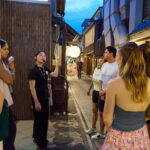
How the tour runs: flexibility, timing, and the walking reality
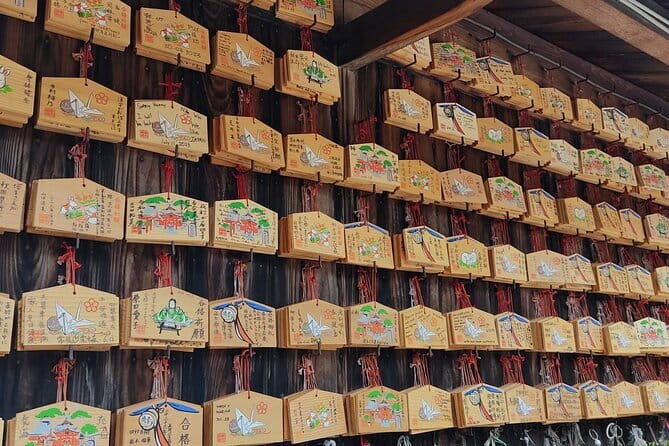
This is scheduled for about 4 to 9 hours. That range matters because Kyoto days can stretch fast once you’re walking, stopping for photos, and spending a bit longer where you’re interested.
The good news is the allotted time includes travel back and forth, not just sightseeing time. That means you’re less likely to feel rushed at the end. The tour also starts with a planned set of stops, but it’s designed to be flexible, so you’re not trapped if your preferences are different from the default route.
Pickup is offered, and you’ll use a mobile ticket. You’re also walking enough to want moderate physical fitness. If you’re carrying young kids, have limited mobility, or expect a lot of stairs, you’ll want to be honest with the guide early so they can manage pace and stop length.
Kinkakuji Temple: the Golden Pavilion moment (and what to watch for)
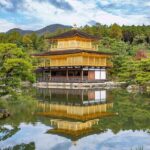
Kinkakuji Temple, the Golden Pavilion, is the kind of place people remember years later. The setting is a big part of the appeal: there’s a garden around the Golden Shariden, plus areas like the Abbots Hall and a tea house. Even if you’ve seen photos, being there in person is different because the garden framing puts you in the mood of the temple, not just the building.
Plan for admission tickets not included here, so check your schedule and budget before you go. Also, the stop is listed at about 45 minutes. That’s enough time to get oriented and enjoy the surroundings, but not enough to linger forever if you want a slow, photo-heavy visit.
The payoff is how the guide can explain what you’re seeing in plain language while you’re walking between viewpoints. In Kyoto, small details become big once someone points them out, like why certain spaces exist around the main structures. That’s where a private guide earns its keep.
Fushimi Inari-taisha: walking the Senbon Torii for blessings
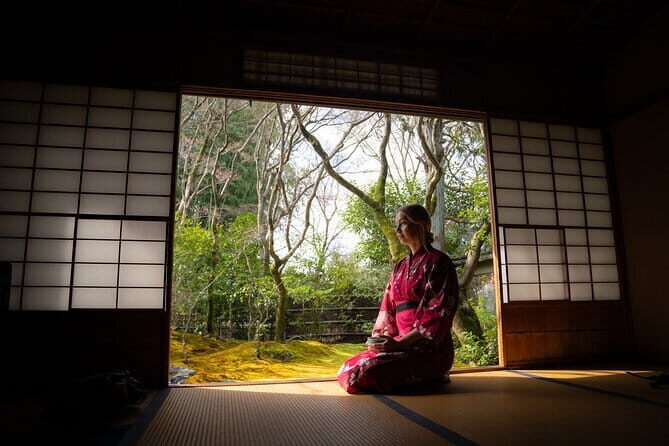
Fushimi Inari-taisha is famous for its Senbon Torii—thousands of gate-like markers that create a corridor effect. The religious meaning is part of why this place works so well even for first-timers. The shrine is selected for blessings tied to good sales, safe child growth or birth, romance, and good harvest.
The tour time for this stop is about 1 hour, and it’s free. That makes it a strong anchor in your day because you can spend time here without worrying about entry fees.
A private guide helps most when it’s crowded or when you’re trying to make sense of what to look at. Rather than just moving along with the crowd, you can focus on the flow of the gates and what the space is for. If you like “why does this place matter” questions, this stop is a good match.
Kiyomizu-dera and Higashiyama vibes: temple roots plus old-street energy
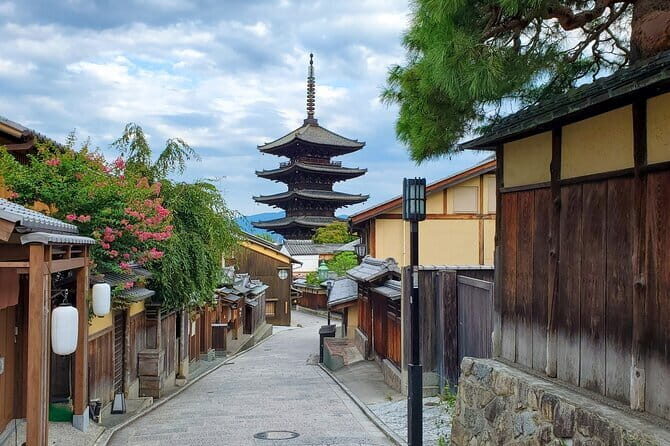
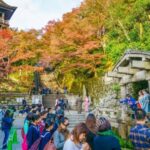
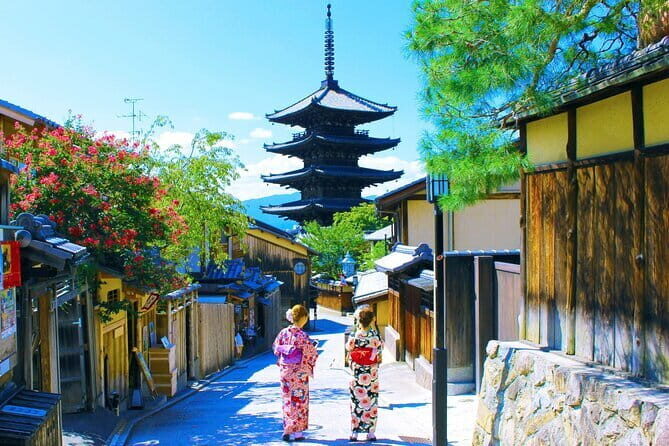
Kiyomizu-dera is one of the most meaningful temple areas in Kyoto because it’s linked to long roots in the city’s story. The temple is described as being founded before Kyoto was founded, and it sits in the preservation area of Higashiyama. Nearby, you also have the famous Sannenzaka and Ninenzaka streets, with Gion Hanami Kōji in the same neighborhood.
The tour allots about 1 hour here, and admission tickets are not included. That hour is a solid amount of time for seeing the temple area, getting a feel for why Higashiyama is preserved, and walking nearby streets without turning your day into a marathon.
One practical thing: this stop pairs well with a customized tour style because you can steer how much time you want in the temple area versus the surrounding lanes. If your group loves architecture and sacred sites, you can keep it temple-forward. If you prefer the atmosphere and walking streets, you can ask for a balanced blend.
You can also read our reviews of more private tours in Kyoto



Nanzen-ji: dry garden calm and a break from the big crowds
After the busier feel of some of Kyoto’s top sights, Nanzen-ji offers a calmer tone. This Zen temple is tied to Emperor Kameyama, who founded it after the Mongolian invasion, seeking long-lasting peace. That historical note matters because it gives the space a reason to feel reflective, not just scenic.
The description includes both a dry garden and a garden in the villa of Emperor Kameyama. The stop is listed at about 1 hour, and admission tickets are not included.
If you’re wondering what you should do differently here, the answer is simple: slow down for the garden. In places like this, the beauty isn’t only in what you see; it’s in how your attention changes as you move through the grounds. A private guide can help you notice the design logic, especially if you’re the kind of traveler who likes to understand symbolism while you walk.
Nishiki Market shopping district: a short stop that still feels real
Nishiki Market is a quick hit, about 30 minutes, and it’s free. The idea here is more local than it sounds. It’s described as a place where locals used to buy food to put on their tables. Now it draws many visitors for food, drinks, and the overall ambience.
This stop is best as a palate reset rather than a full shopping mission. Give yourself time to look around, pick up a small treat if you want (lunch is not included), and then keep moving with the rest of your day.
If you’re traveling with kids or a mixed-age group, this is also a nice breather. You can let the market handle the fun, while the guide keeps the route efficient so the walking day stays manageable.
What the guide actually adds: explanations, tailoring, and real-world help
This tour lives or dies by the guide. And the standout theme in the feedback is how well Sho communicates. People praise how he explains places clearly, and how he can adjust what you do based on your interests.
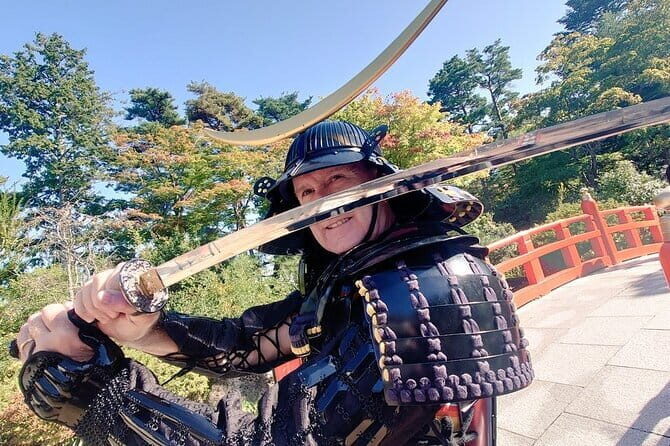
One example from the guide’s flexibility: a sword-focused request. That’s a great sign for you if you’re the type who wants more than the surface version of Kyoto. Ask questions. If you want a theme—Zen, history, design, or another angle—the guide can likely build the day to match.
There’s also praise for picking less-chosen areas on foot while still hitting the core sights. In practice, that can mean shorter time wasted on the most congested paths, and more time where you can actually look around.
And if the weather turns weak, there’s evidence the plan can be adapted. That’s important in Kyoto because rain can change your comfort fast.
Included extras that sound small but matter
A free photo shoot if you ask may not sound life-changing, but in Kyoto it saves you time and frustration. Temple districts and shrine areas are full of moments where group shots are hard to pull off. Having the guide help you get photos without extra effort is a real quality-of-life win.
The in-person English guide is another practical point. Kyoto can be confusing when you’re trying to match signs to stories, or when you’re deciding what to do next. An English-speaking guide helps you get the meaning while you still have the moment in front of you.
Public transportation support also helps. The included one-day bus/metro pass is meant to keep your movements efficient, especially for getting between the temple zone areas and back.
Who this tour fits best (and who should consider alternatives)
This private walking tour is a good fit if you want control. You can end when you like, and you can request a customized itinerary. It also fits travelers who learn better with a human explanation while they’re walking.
It’s also a strong choice for families who want structure but not rigid timing. With a private guide, the pace can flex so everyone gets to enjoy, rather than sprinting through highlights.
If you’re the kind of traveler who hates planning and prefers to wander entirely on your own, you might not need this. You can absolutely cover these sights independently. But you’d lose the “why this place matters” layer and the smooth guidance between spots.
Should you book this private Kyoto walking tour?
Book it if you want a classic Kyoto day with less hassle. The included transport pass, the English-speaking private guide, and the ability to tailor the day make this a practical choice—especially for first-timers who want the big names without feeling like a tour robot.
Also book if you care about learning. The guide’s style shows up in how he explains what you’re seeing, and you can request themes that match your curiosity, like Japanese sword culture.
Skip or adjust your expectations if you’re counting on all admissions being included. At least some of the major temple fees are not included, so check entry expectations in advance. And be realistic about walking and weather; you’ll enjoy it more if you come prepared for uneven paths and longer time on your feet.
FAQ
FAQ
How long is the Kyoto private walking tour?
The tour runs for about 4 to 9 hours, depending on your pace and how the day is tailored.
Is this tour private or shared?
It’s private. Only your group participates.
Do I get an English-speaking guide?
Yes. The in-person guide is English-speaking.
Are temple and shrine admission tickets included?
Not all of them. Kinkakuji Temple, Kiyomizu-dera Temple, and Nanzen-ji list admission tickets as not included. Fushimi Inari-taisha and Nishiki Market are free stops.
Is lunch included?
No. Lunch is not included.
What about transportation—do I need to buy subway or bus tickets?
A Kyoto bus/metro 1-day pass is included. It does not include JR, Keihan, Hankyu, Randen, or Kintetsu lines.
Is pickup available?
Yes, pickup is offered.
Does the tour use a mobile ticket?
Yes. A mobile ticket is included.
What if the weather is poor?
This experience requires good weather. If it’s canceled due to poor weather, you’ll be offered a different date or a full refund.
What’s the cancellation policy?
You can cancel for a full refund up to 24 hours in advance. If you cancel less than 24 hours before the start time, the amount paid is not refunded.