REVIEW · ISHIGAKI
Spirit of Ishigaki: Explore the land and Lore
Book on Viator →Operated by Steph · Bookable on Viator
Caves, coast, and stories in one tight ride. I like how Steph turns native-English storytelling into clear, human-scale history, and I like the pickup-flexibility that lets you start where it makes sense for your day. One thing to keep in mind: the route is weather-dependent, and a couple of stops have optional or separate costs.
This is a private tour (or sometimes arranged as semi-private), moving at an easy pace over about 4 to 5 hours. You ride in an air-conditioned vehicle, and you get a mobile ticket plus a plan that can shift from big-name spots to quieter nature stops.
At $156.77 per person, the value comes from how entry fees and free viewpoints are mixed together, while your guide focuses on the why behind what you’re seeing, not just a checklist.
In This Review
- Quick highlights (what makes this experience click)
- Entering Ishigaki with stories, not photo stops
- Custom routes with Steph: culture, plants, wildlife, and geology
- Price and value: what $156.77 per person buys you
- The route: limestone caves, pineapple farms, sea caves, and cliff views
- Ishigaki Island Limestone Cave: minerals and the island’s slow clock
- Ishigakikanko Pineapple Mango Orchards: meet the pineapple queen
- Kabira Bay: ocean air and local food history
- Ibaruma Sabichi Cave: dramatic rock formations with history
- Ishigaki Yaki Kamamoto Shisa farm: outdoor museum of local deities
- Ishigaki-jima Blue Cave: limestone sea cave, sea life at low tide
- Oganzaki Lighthouse: waves, rock, and that big Ishigaki feeling
- Emerald no Umi o Miru viewing platform: panoramic quick hit
- Yonehara Beach: swim time if the day allows
- Yarabudake: a short jungle climb with cliff views
- Tamatorizaki Observatory: land-and-sea perspective plus an optional bakery
- Satake Yaeyama Palm Trees Museum: native palms only found here
- Logistics that matter: mobility, pacing, and what to bring
- Weather changes are part of the deal
- Who should book Spirit of Ishigaki
- Should you book it?
- FAQ
- FAQ
- How long is the Spirit of Ishigaki tour?
- Is this tour private or shared?
- Does the tour include pickup?
- What’s included in the price?
- Are meals included?
- Do I need to buy tickets for every stop?
- Is snorkeling possible at the Blue Cave?
- What happens if the weather is bad?
Quick highlights (what makes this experience click)

- Native English guide Steph who connects geology, plants, wildlife, and culture into one story
- Limestone cave time with admissions included, plus mineral and formation details
- Pineapple queen farm tasting with two pineapple variations cut fresh from her farm
- Blue Cave at low tide where you may spot sea life and it’s a popular snorkeling area
- Lighthouse and multiple ocean viewpoints including Oganzaki and Emerald no Umi o Miru
- Weather-smart flexibility so the day can adapt when conditions aren’t ideal
Entering Ishigaki with stories, not photo stops
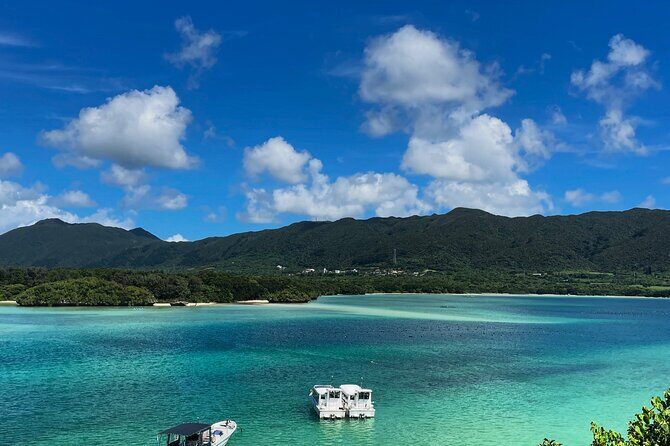
Ishigaki can feel like a string of scenic points if you just follow a route on your own. This tour works because it teaches you how the island fits together. You’re not only looking at limestone and sea caves, you’re learning how those shapes came to be and what people noticed about them over time.
Steph’s style is practical. She explains what you’re about to see in plain language, then gives you context while you’re standing there. That matters in Ishigaki because the island’s beauty is tied to slow processes: rock formation, coastlines changing, and local traditions that grew around these natural features.
I also like the fact that you can steer the day. You’re not locked into one version of Ishigaki. If you want more nature, more culture, or more “show me what locals actually do,” you can frame it from the start.
You can also read our reviews of more tours and experiences in Ishigaki.
Custom routes with Steph: culture, plants, wildlife, and geology
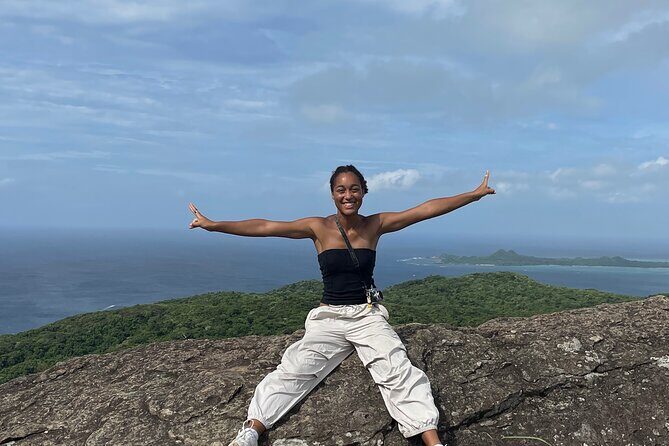
Steph isn’t just a “spot guide.” The promise here is that she helps you understand the island through its links: culture, plant life, wildlife, and geology. That’s a big deal on Ishigaki, because so many places look similar on a first glance—until someone explains the differences.
What you should expect from a custom tour:
- You’ll start with a pickup location you choose, then the route adjusts.
- The guide uses a sample path as a starting point, but changes the order and emphasis based on your interests.
- You’ll spend enough time at each stop to actually connect the story to the setting.
This is where reviews’ themes make sense. People consistently point to how Steph talks—clear, engaging, and specific. They also mention her flexibility when weather or access makes a stop less workable. That’s exactly what you want on an island where wind and rain can change the plan fast.
Price and value: what $156.77 per person buys you
Let’s talk money in real terms. $156.77 isn’t a “budget bus tour,” but it doesn’t price you out of a high-value day either.
Here’s why it can feel fair:
- Some key cave admissions are included, including the Ishigaki Island Limestone Cave and Ibaruma Sabichi Cave.
- Many other stops are free to visit (multiple bays, viewpoints, observatories, museums, and lighthouses).
- You’re paying for interpretation. That’s the part most self-guided travel misses.
What’s not included is also important: meals and alcoholic beverages are not part of the price. Also, the pineapple orchard stop has admission not included, so you’ll want to budget a little for that farm tasting. If you plan to snack or add a bakery stop near the ocean, that’s on you too.
So the value equation looks like this: you get a structured route, some paid entry is handled, and the guide makes the island make sense. If that’s your style of travel, it’s a good match.
The route: limestone caves, pineapple farms, sea caves, and cliff views
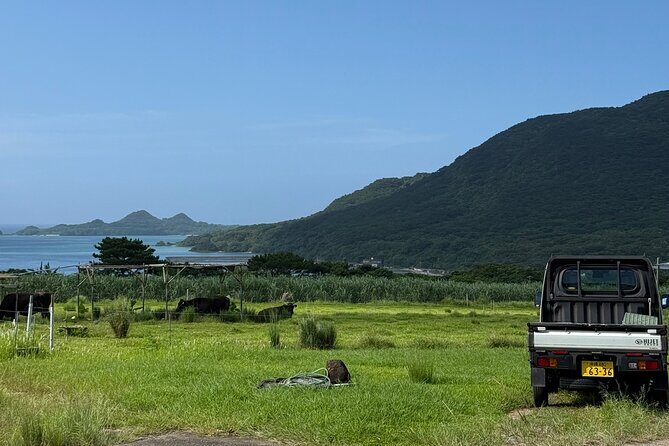
The day runs in a smooth sequence: rock formations, ocean stories, then viewpoints and beaches, with a short jungle-style climb near the end. Time at each stop is usually around 10 to 30 minutes, so it’s never a slow slog.
Ishigaki Island Limestone Cave: minerals and the island’s slow clock
You start with the Ishigaki Island Limestone Cave, where you get both the visuals and the “how it formed” story. The focus is on natural minerals and their formation over time. Admissions are included, so you’re not spending extra just to get to the main experience.
This is a great opening stop because it gives you a mental framework. When you later see sea caves and coastal rock, you’ll recognize the patterns.


Ishigakikanko Pineapple Mango Orchards: meet the pineapple queen
Next is the Ishigakikanko Pineapple Mango Orchards. This is where you meet Ishigaki’s famous pineapple queen. You’re served two variations of pineapples, fresh cut from her farm.
Admission is not included here, so treat this as the one “extra-cost” moment you’re choosing on purpose. It’s quick (about 10 minutes), which means it doesn’t drag the day, but it does add a human touch.
Kabira Bay: ocean air and local food history
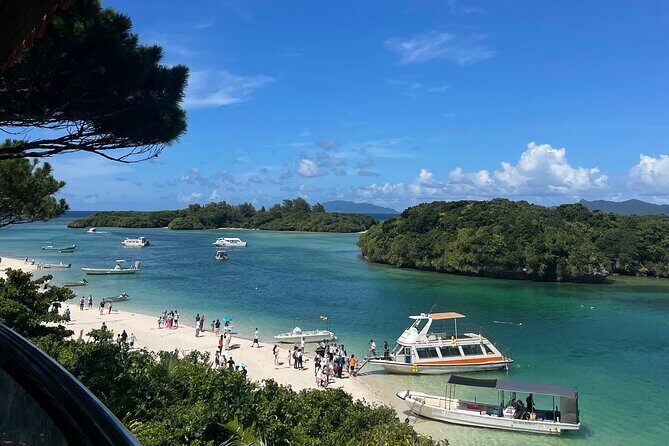
Kabira Bay is your ocean break. You’ll spend time here for views and the area’s local food and history connection, with admission free.
This stop is short, so don’t expect a full beach day. Think of it as a palate cleanser between geology-heavy moments and more coastal viewpoints.
Ibaruma Sabichi Cave: dramatic rock formations with history
Then you move to Ibaruma Sabichi Cave, another geology-focused stop with admissions included. Here the emphasis is on spectacular rock formations and how they were created.
It’s easy for caves to feel repetitive if you’ve seen a few elsewhere. What makes this work is the “why” behind the shapes. The guide’s storytelling keeps it from turning into a walk-with-a-guide routine.
Ishigaki Yaki Kamamoto Shisa farm: outdoor museum of local deities
The Ishigaki Yaki Kamamoto Shisa farm is an outdoor museum dedicated to shisa, the Okinawan-style guardian figures. It’s a display of eccentric variations of these deities made by the pottery makers.
This is a fun change of pace. After all the rock and coast, you get art and cultural symbolism. Admission is free, and the stop is short (about 20 minutes), which keeps the day moving.
Ishigaki-jima Blue Cave: limestone sea cave, sea life at low tide
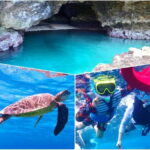
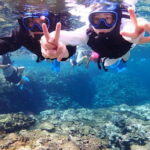
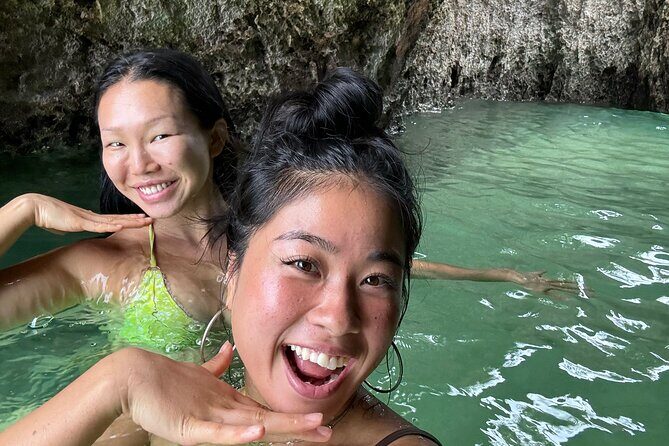
The Blue Cave is where you get the “wow” visuals. It’s a limestone sea cave known for gorgeous views, and you can see many different sea animals during low tide. It’s also described as a great place to snorkel.
Admission is free, and the time is about 20 minutes. If you’re hoping for the best sea-life viewing, prioritize timing around low tide when conditions allow, and use common sense about water safety.
Oganzaki Lighthouse: waves, rock, and that big Ishigaki feeling
Oganzaki Lighthouse is a view stop with a strong atmosphere. You’ll see waves crash against rock formations, and the sound becomes part of the experience if you let it.
This is a good place to slow down for a few minutes, even if the schedule stays brisk. It’s free and about 20 minutes, so it fits perfectly into the flow.
Emerald no Umi o Miru viewing platform: panoramic quick hit
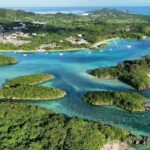
Next is the Emerald no Umi o Miru viewing platform. You get a panoramic view of Ishigaki from above, free to visit and only about 10 minutes.
This stop is all about orientation. It helps you understand where the coastlines and bays sit in relation to each other, so earlier and later scenes start to connect in your head.
Yonehara Beach: swim time if the day allows
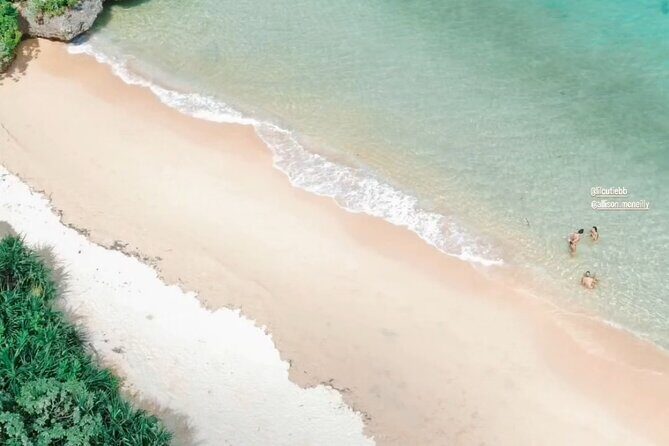
Yonehara Beach gives you a chance to actually use the ocean setting. Plan for a nice swim and some relaxation. It’s free and about 15 minutes.
If weather is cold or windy, you might keep this as a “dip your feet and enjoy” moment. But if it’s pleasant, this is a solid payoff after cave and viewpoint time.
Yarabudake: a short jungle climb with cliff views
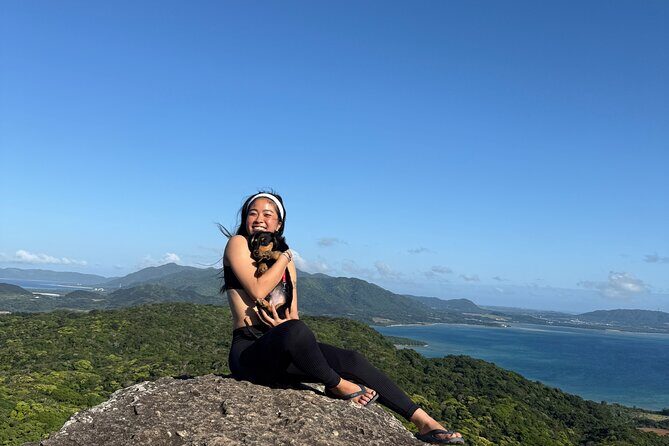
Yarabudake is the mountain stop, loosely translated as troll’s nose. You get a snapshot of lush jungle feel by hiking up part of the way for cliff views.
Admission is free and the time is about 15 minutes, which suggests a short climb rather than a full trek. Still, it’s the most active moment of the day, so if you dislike hills, tell your guide in advance and you can adjust.
Tamatorizaki Observatory: land-and-sea perspective plus an optional bakery
Tamatorizaki Observatory helps you understand the land layout. You’ll see the lay of the land from this viewpoint, free and about 15 minutes.
This stop can also include visiting a bakery along the ocean. The bakery part isn’t described as included, so treat it as an optional bonus if you want a snack.
Satake Yaeyama Palm Trees Museum: native palms only found here
The last stop is the Satake Yaeyama Palm Trees Museum, where you can see unique native palm trees found on Ishigaki and the surrounding islands. It’s free and about 10 minutes.
This is a small ending that sticks. It’s a reminder that Ishigaki isn’t just rock and sea; it has living systems shaped by the island’s conditions.
Logistics that matter: mobility, pacing, and what to bring
This tour is designed for most travelers to participate, but the pacing still matters. You’re moving between caves, coast stops, viewpoints, and a short climb. Each location is time-boxed, so this isn’t the kind of day where you hang out for hours at one beach.
Practical tips for your comfort:
- Wear shoes you can trust for uneven surfaces, especially near caves or on the mountain stop.
- Bring a light layer if it’s windy. Ishigaki weather can shift quickly.
- Pack swimwear if you want Yonehara Beach to actually happen for you.
- Bring sunscreen and water. Stops are short and there aren’t details here about water being provided.
- Since meals aren’t included, decide whether you’ll grab lunch on your own before or after the tour.
Weather changes are part of the deal
One of the most useful things about booking this type of tour is knowing that conditions can force adjustments. The experience is described as requiring good weather, and if it’s canceled due to poor weather you’ll be offered a different date or a full refund.
Even when the tour runs, plan for the guide to swap stops if wind, rain, or timing makes a location less comfortable. That’s not a failure. It’s how you keep the day valuable.
Who should book Spirit of Ishigaki
This tour is a strong fit if you want:
- Story-led sightseeing that connects nature to culture.
- A mix of geology, ocean views, and local cultural stops like shisa.
- A short active component (a climb) mixed into an overall easy walking day.
- Native English guidance that explains what you’re seeing as you go.
It may not be ideal if you’re looking for only long beach time, or if you want a strictly low-activity day with no hikes at all. In that case, message your preferences before you go so your route can be adjusted.
Should you book it?
If your travel style is “I want the meaning behind what I’m seeing,” I’d book this. The best part isn’t any single photo spot. It’s the way Steph helps you connect limestone caves, sea caves, viewpoints, and local culture into one coherent Ishigaki story.
Go for it if you value small, guided time at many locations, plus a guide who adjusts the day when conditions get rough. Pass or consider alternatives if you need a totally meal-included, beach-only schedule or you want zero climbing.
FAQ
FAQ
How long is the Spirit of Ishigaki tour?
The tour runs about 4 to 5 hours.
Is this tour private or shared?
It’s private unless otherwise specified or agreed upon as semi-private, meaning your group participates rather than joining a large open group.
Does the tour include pickup?
Pickup is offered, and you can choose your pickup location.
What’s included in the price?
The included items listed are an air-conditioned vehicle, plus admission tickets are included for some stops (the Ishigaki Island Limestone Cave and Ibaruma Sabichi Cave).
Are meals included?
No. Meals and alcoholic beverages are not included.
Do I need to buy tickets for every stop?
Not all stops require paid admission. Some stops are free, and some have admissions included, but at least one stop (Ishigakikanko Pineapple Mango Orchards) lists admission as not included.
Is snorkeling possible at the Blue Cave?
The Blue Cave stop notes that it’s a great place to snorkel, and you may also see sea animals during low tide.
What happens if the weather is bad?
The experience requires good weather. If it’s canceled due to poor weather, you’ll be offered a different date or a full refund.

![[Seasonal Limited] Mt. Fuji 5th Station &Hot Spring Day Tour - Mt. Fuji 5th Station Around 2,300 Meters: The Best “No-Hike” View](https://images.thejapantraveler.com/wp-content/uploads/seasonal-limited-mt-fuji-5th-station-hot-spring-day-tour.jpg)