REVIEW · ISHIGAKI
Ishigaki: Mangrove SUP or Canoe Tour & Taketomi Sightseeing
Book on GetYourGuide →Operated by ISHIGAKI ADVENTURE PiPi · Bookable on GetYourGuide
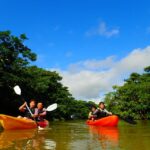
Mangroves turn the volume way down. On this mangrove cruise in the Miyara River, you’ll paddle through quiet roots with a guide and leave with photo data to remember it. One thing to think about up front: this runs in light rain, and you’ll need to follow safety gear rules closely.
After the paddle, you take a round-trip ferry to Taketomi Island and explore at your own pace. The guides highlighted in recent bookings, like Makoto and Akari, are especially praised for clear instruction and friendly support, which matters a lot if you’re new to SUP or canoeing.
In This Review
- Key highlights at a glance
- Floating through Miyara River mangroves (SUP or canoe)
- What the guide handles (and why that matters for beginners)
- Eco-friendly and safety rules you’ll actually feel
- Taketomi Island after the paddle: what your ferry pass buys you
- Is the $69 price good value for 3 hours?
- Where to go and how the 3-hour flow works
- What to bring (and what not to do)
- Who this tour is for (and who should skip)
- Should you book this mangrove SUP or canoe plus Taketomi?
- FAQ
- FAQ
- How long is the tour?
- Where do we meet?
- Do I choose SUP or canoe in advance?
- How long is the mangrove paddle?
- Is the ferry to Taketomi included?
- What happens if it rains?
- What safety gear do we need?
- What should I bring?
- Are there age and health restrictions?
- Is there anywhere to shower after the tour?
Key highlights at a glance

- SUP or canoe choice: pick the option that matches your comfort level, then let the guide handle the flow of the route
- Miyara River mangroves: a calm 1.5-hour paddle where the guide points out what you’re seeing
- Wildlife chances: you may spot things like flying fish and other river life from the water
- Taketomi at your pace: a round-trip ferry pass lets you wander traditional streets and beaches on your schedule
- Eco-focused approach: life jacket rules, nature-minded operation, and instructions that keep things safe for you and the river
- Photo + video materials: you get digital photo data, and recorded clips are also included based on guest experiences
Floating through Miyara River mangroves (SUP or canoe)

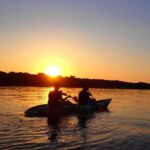
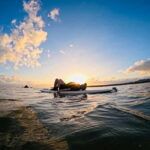
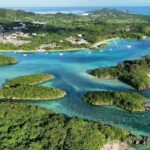
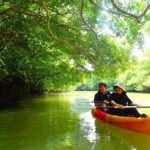
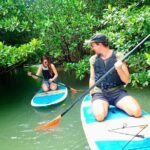
The heart of this tour is the Miyara River paddle. You’re on the water for about 1.5 hours, threading through mangrove roots in a way that feels slow and quiet—exactly what you want when Ishigaki heat and crowds start to feel like too much.
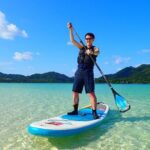
You can choose SUP or a canoe, and that choice changes the whole vibe. A SUP is more “active”: balance, gentle paddling, and a hands-on feel with the water. A canoe is more stable and seated, which can feel easier for beginners. For kids ages 3–11, the operator may guide them on a more stable canoe instead of SUP depending on conditions and group size.
In both cases, your guide isn’t just herding you along. The goal is to make the mangroves make sense. Recent experiences mention guides explaining mangrove features clearly and pointing out interesting details along the route—part of what turns a paddle into a real nature stop.
Practical note: this isn’t a long endurance outing. The format is short enough to be comfortable for first-timers, but long enough to feel like you actually left the island bustle behind.
A few more Ishigaki tours and experiences worth a look
What the guide handles (and why that matters for beginners)

If you’ve never done SUP or canoeing, you’re probably wondering how much the tour expects from you. The good news is that the activity is designed around guided instruction, not “figure it out yourself.”
Two guide traits come up again and again in the provided experiences. First, there’s enthusiastic coaching—people mention being reassured and encouraged during the paddling process. Second, there’s clear communication in English and Japanese, with strong English command highlighted for one guide (Akari).
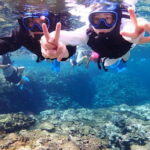
That combination matters because mangrove paddling is simple, but it still has small technique points: how you hold the paddle, when to adjust your position, and how to follow the group safely. You’ll also be required to wear gear like a life jacket, plus you’ll need mask, fins, and special shoes for safety during the water portion.
If you’re nervous about the ocean or you’re not sure you have the strength for paddling, it’s worth checking with the operator in advance. They explicitly say it’s a good idea to ask if you have strength concerns or fear of the ocean.
Eco-friendly and safety rules you’ll actually feel
This is sold as an eco-friendly tour, and you can see what that means in the operating rules and safety setup. Life jackets are mandatory, and the tour is set up to keep everyone protected while interacting with nature responsibly.
Expect operation in light rain. That’s not a “maybe everything gets cancelled” situation by default. The tour can run as long as safety is still manageable. If conditions become unsafe, it may be canceled, which is the responsible approach in a water-based activity.
You should also plan for clothing and gear that makes sense for moving water. The tour states you should wear swimwear and use the restroom before you arrive, because there’s none on-site. It’s a small thing, but it’s one of those details that prevents stress from turning into a bad start.
Finally, there’s a clear behavior policy: no alcohol and no drugs. And if someone arrives under the influence of alcohol, entry or service can be denied with no refunds in that situation. That’s part of keeping the river experience safe for everyone.
Taketomi Island after the paddle: what your ferry pass buys you
The mangrove portion is only half the day. The other half is what you can do once you reach Taketomi Island.
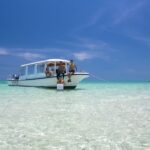
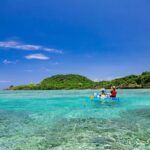
After you finish back near Ishigaki Port, you board a round-trip ferry to Taketomi Island. The big value here is flexibility: you explore at your own pace. That means no rushed checklist of stops. You can wander traditional streets, then shift to beach time whenever you feel like it.
This is also where the tour’s added extras show up. You get “exclusive benefits for participants,” including coupons for restaurants and information about hidden spots. The exact spots aren’t listed in your details here, but the intent is clear: you’re not just getting transportation. You get a little local nudge on where to go and what to eat.
A smart way to use this time is to mix easy walking with breaks. Taketomi is famously laid-back, but it can still feel hot. So treat your time like a choose-your-own-day: a stroll first, then a longer pause on the sand or in the shade.
Is the $69 price good value for 3 hours?

At $69 per person for a roughly 3-hour outing, this price can feel “reasonable” at first glance—until you look at what’s included.
You’re paying for:
- the guided mangrove cruise (SUP or canoe equipment included)
- safety equipment like life jacket and water gear
- photo data from the experience
- liability insurance and consumption tax
- a round-trip ferry ticket to Taketomi Island
- shower access near the Ishigaki Port remote island terminal
- participant perks like restaurant coupons and spot info
When you add the ferry element in, the trip becomes more than just a paddle session. You’re basically buying one guided activity plus transportation and time on Taketomi with extras attached.
Could it be cheaper? Sure, if you only wanted the paddle and did everything else on your own. But here you’re getting a structured, low-effort day where someone else coordinates the water portion and your island access.
Where to go and how the 3-hour flow works
Meet at ユーグレナ石垣港離島ターミナル (Yūglenna Ishigaki Port Remote Island Terminal). If you’re staying in the southern area of Ishigaki Island, there’s a complimentary shuttle service for those locations (from the west near ANA InterContinental to the east near Fusaki Resort).
From there, the flow is straightforward:
1) head to the Miyara River
2) do the SUP or canoe cruise for about 1.5 hours
3) return to the port terminal
4) take the round-trip ferry to Taketomi Island
5) enjoy Taketomi at your pace and return whenever your plan allows within the day’s schedule
The timing varies by season and conditions, so treat this as a “plan your afternoon” activity rather than a fixed minute-by-minute appointment. If you have a second reservation the same day, leave some buffer.
A small but helpful detail: hot showers are available around the Ishigaki Port terminal. If you want one, ask the guide, since it’s not always obvious on your first visit to a ferry area.
What to bring (and what not to do)

This tour is simple to pack for, but a few items matter.
Bring:
- swimwear
- a towel
- drinks
Don’t forget the practical prep: change into the clothes you’ll wear during the excursion before you meet your guide. Since there’s no restroom on-site, use facilities before arriving.
Also, avoid alcohol. The tour explicitly notes that guests under the influence of alcohol may be denied service.
If you’re wondering about sun and comfort, pack like you’re doing a water activity in Okinawa: you’ll be wet and you’ll be exposed, even if you’re moving slowly.
Who this tour is for (and who should skip)
This activity comes with clear safety boundaries, and you should respect them. That’s not just legal language—it’s the difference between a relaxing day and a stressful one.
SUP participation is limited to ages 3–59. Canoe participation is 3–65. It also states not allowed: pregnant guests, ages 0–2, and people with medical conditions.
People with high blood pressure, epilepsy, heart conditions, asthma, other severe medical conditions, physical disabilities, infants, and those described as elderly (and there are also age caps listed over 60/65) are not recommended or strictly prohibited depending on the category.
There’s also a weight limit: not over 220 lbs (100 kg).
If you’re unsure because of strength concerns or fear of the ocean, contact the operator. They explicitly invite questions about suitability.
In short: this is a good fit for healthy, comfortable-in-water people who want a gentle introduction to paddling and a bonus island afternoon.
Should you book this mangrove SUP or canoe plus Taketomi?
Book it if you want a day that mixes nature and culture without turning into a full-day scramble. The mangrove paddle gives you the calm, the guide-led instruction lowers the learning curve, and the Taketomi ferry pass turns it into a complete half-day experience.
Skip it if you fall into the health or age categories listed above, or if you strongly dislike getting wet in light rain. Also, be realistic about the “no restroom on-site” detail—plan ahead so you can enjoy the cruise rather than worry about logistics.
If you’re choosing between SUP and canoe, pick based on what makes you feel steady: SUP for the more active balance feel, canoe for a seated option that may suit beginners better. Either way, you’ll be in guided hands, and the included photo data helps you keep the memories even after the salt air fades.
FAQ
FAQ
How long is the tour?
The experience is about 3 hours total, including the mangrove cruise portion and the ferry time to Taketomi Island.
Where do we meet?
The meeting point is ユーグレナ石垣港離島ターミナル (Yūglenna Ishigaki Port Remote Island Terminal).
Do I choose SUP or canoe in advance?
Yes. You can choose between a stand-up paddleboard (SUP) or a canoe for the mangrove portion.
How long is the mangrove paddle?
The Miyara River cruise is about 1.5 hours.
Is the ferry to Taketomi included?
Yes. The tour includes a round-trip ferry ticket to Taketomi Island.
What happens if it rains?
The tour operates in light rain, but it may be canceled if safety cannot be ensured.
What safety gear do we need?
Life jacket is mandatory, and you’ll also need fins and a mask. Special shoes are part of the provided safety equipment.
What should I bring?
Bring swimwear, a towel, and drinks.
Are there age and health restrictions?
Yes. SUP is for ages 3–59, and canoe is for ages 3–65. Pregnant guests and children under 3 are not allowed, and people with listed medical conditions (and other restrictions such as weight and safety limits) are not recommended or prohibited depending on the category.
Is there anywhere to shower after the tour?
Yes. There are hot showers near the Ishigaki Port Remote Island Terminal, and you can ask the guide if you want to use them.