REVIEW · TOKYO
Asakusa: Culture exploring bar visits after history tour
Book on Viator →Operated by Arumachi · Bookable on Viator
Asakusa changes its vibe after dark. This 4-hour history-meets-izakaya walk strings together major sights like Sensoji and Kaminarimon, then turns right toward the fun part with three included izakaya stops for snacks and drinks. I really like how it stays tight and walkable while still covering a lot, and I like the small-group size (max 8) that makes it easier to ask questions and get personal attention.
One possible drawback: you are on your feet for the whole experience, and it runs on good weather, so wear comfy shoes and be ready for street walking even between temples and bar doors.
In This Review
- Key Highlights to Know Before You Go
- Tokyo’s Asakusa Meets Izakaya Nightlife: What This 4-Hour Mix Delivers
- Starting at Burger King Azumabashi: Pace, Timing, and Getting Oriented
- From Sumida Park to Sensoji: The History Stops That Set the Mood
- Nakamise to Hozomon: Street Energy Meets Temple Architecture
- Sensoji and Asakusa Shrine: Two Religions Side by Side
- Asakusa Demboin-dori: The Rokku Entertainment District Walk
- Hoppy Street Izakayas: 80 Meters of Lantern-Fueled Options
- Kamiya Bar: A Western-Style Legend From 1880
- The Final Sake Stop: What You Learn About Ingredients and Origins
- Price and Value: What $156.07 Buys You in Real Terms
- What Your Guide Adds (Beyond Facts)
- Who This Tour Fits Best (And Who Might Prefer Something Else)
- Should You Book This Asakusa History + Izakaya Tour?
- FAQ
- How long is the Asakusa history and izakaya tour?
- What does the price include?
- How big is the group?
- Where does the tour start?
- What happens if the weather is bad?
- Can I cancel for a full refund?
Key Highlights to Know Before You Go
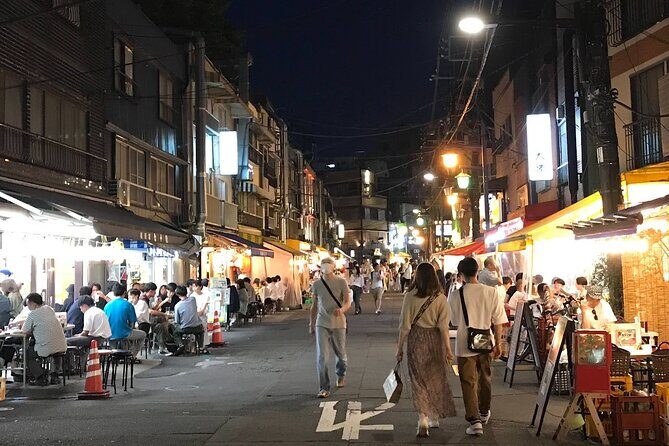
- A history-first route in Asakusa that sets the scene before you start eating and drinking
- Sensoji Temple and both main gates (Kaminarimon and Hozomon) plus Asakusa Shrine nearby
- Nakamise Shopping Street for that classic approach to Sensoji, with shops along the way
- Hoppy Street’s 80-meter izakaya lineup with lanterns and outdoor street seating
- Kamiya Bar’s 1880 legacy as the oldest Western-style bar in Japan
- A practical sake stop where your guide explains why sake developed in Japan and ingredient roles
Tokyo’s Asakusa Meets Izakaya Nightlife: What This 4-Hour Mix Delivers
This is not a bar crawl. It’s a guided Asakusa walking tour that uses food and drink as a natural finish to the neighborhood’s history. You start with landmarks and temple areas, so the stories actually connect to what you see. Then the evening pacing shifts into izakaya mode: stop, eat, drink, talk, repeat.
The value comes from the structure. In a few hours, you get a dense tour loop of the Asakusa sights most first-timers want, but you’re not left to wander hungry at the end. The tour includes dinner-style eating: about 3–4 drinks and 3–4 dishes during the izakaya portion, which is designed to be enough for a full meal.
You can also read our reviews of more historical tours in Tokyo
Starting at Burger King Azumabashi: Pace, Timing, and Getting Oriented
The tour meets at Burger King Asakusa Azumabashi in the Kaminarimon area (Taito City). Since the start time is 3:00 pm, you’re catching that sweet transition window: you can enjoy temple sightseeing without it being too crowded with peak-night energy, and you still have time for a proper izakaya sequence.
The group stays small with a maximum of 8 travelers. That matters more than you’d think. When you’re moving through busy temple approaches and shopping streets, a small group helps you keep your bearings fast and follow along without feeling like you’re being dragged.
Also, it ends back at the meeting point. That’s a small detail, but it removes the stress of planning your own route after your last drink.
From Sumida Park to Sensoji: The History Stops That Set the Mood
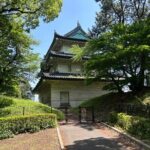
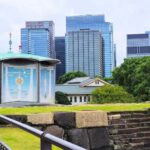
The itinerary starts with Sumida Park, right by the river that matters to the origin story of Sensoji. If you’ve ever walked around Tokyo temples and wondered how the site relates to the city’s geography, this first stop gives you that anchor quickly. The park visit is short, but the point is to set context before you hit the gates and crowds.
Next comes the Asakusa Culture Tourist Information Center, a place built by a known Japanese architect. The tour uses it as a quick preview—seeing Asakusa from higher up can make the rest of your walk feel way more connected. Even if you don’t read every detail inside, you’re mentally mapping the route as you go.
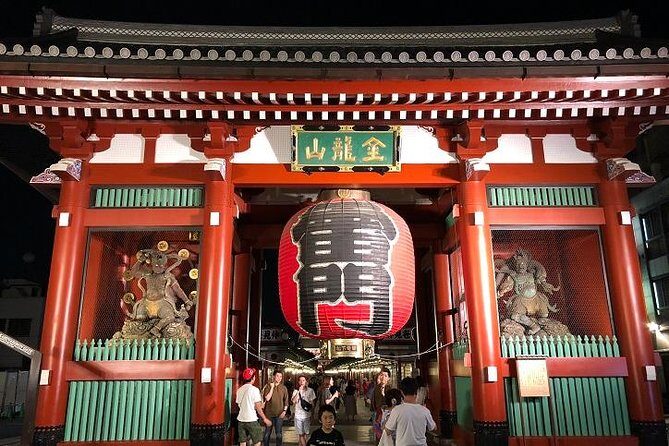
Then you roll into Kaminarimon (Thunder Gate), the iconic entrance with its giant red lantern. This gate is your threshold into the temple/shrine world, and it’s worth paying attention to the way the area changes right after it. You’re not just passing through a landmark; you’re entering a whole different rhythm.
Nakamise to Hozomon: Street Energy Meets Temple Architecture
Right after Kaminarimon, the tour goes along Nakamise Shopping Street, the approach toward Sensoji. The interesting thing here is the contrast: it doesn’t feel like a silent museum hallway. It feels like a lively street built for visitors, with shops and snacks along the way.
A common mistake in Asakusa is treating Nakamise as only a shopping street and moving too fast. Here, the timing is better: you get to experience the atmosphere, then continue deeper toward the inner gates.
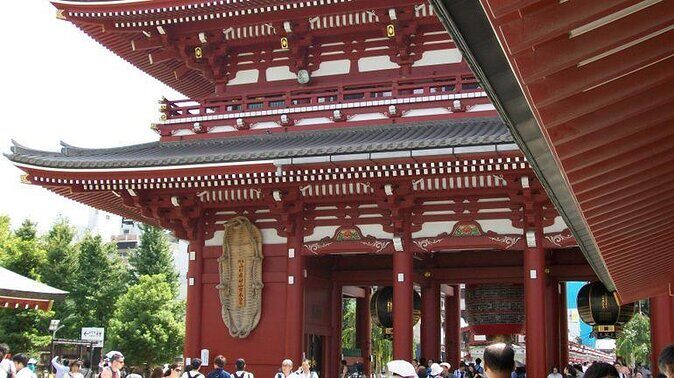
Then comes Hozomon (Treasure-House Gate), the inner of two major entrance gates. It’s a two-story gate area, and the upper story houses many of the gate’s features. Practically, this stop also gives you a breather between the main approach street and the main temple area—good if you want to keep energy for the izakaya later.
Sensoji and Asakusa Shrine: Two Religions Side by Side
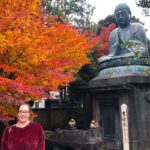
At Senso-ji Temple, the main part of the tour begins. Sensoji is Tokyo’s oldest temple, and the guide’s job is to help you understand what you’re looking at, starting from Kaminarimon and moving inward. The biggest payoff is that you’re not just collecting photos—you’re getting context for what matters and why it’s there.
Just next to Sensoji is Asakusa Shrine, a Shinto shrine on the same grounds. It’s a neat reminder that Japan’s religious spaces can overlap in ways that don’t always match what you expect if you’re used to separate, fenced-off religious sites. Your guide helps explain that coexistence, turning what looks like a simple extra stop into something more meaningful.
If you like your travel with a little logic behind the sights, these two stops help the day click.
You can also read our reviews of more drinking tours in Tokyo
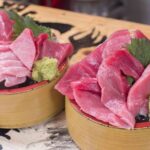
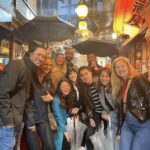
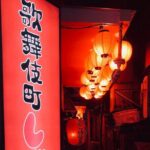
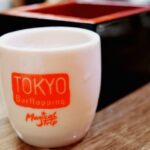


Asakusa Demboin-dori: The Rokku Entertainment District Walk
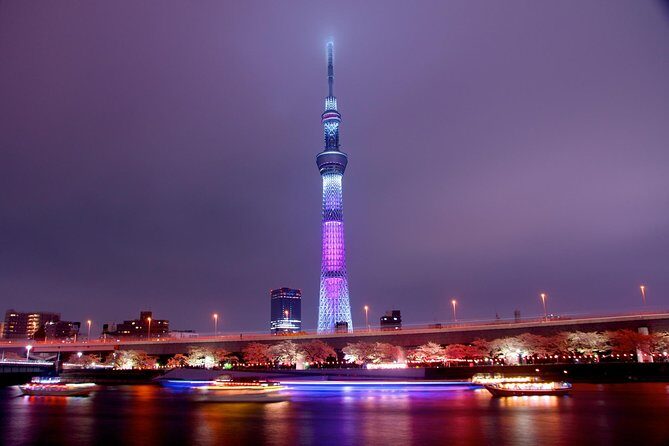
After Sensoji, the tour takes a turn into Asakusa Demboin-dori in the Rokku area. This is where the tone shifts from solemn temple entry to the feel of a traditional entertainment zone. You’ll walk through areas that reflect the Meiji period into more modern times, with stops along the way to connect the era changes to what you see.
This part is valuable because it’s not just another temple photo stop. It helps explain why an izakaya night makes sense here. In other words: the bars aren’t random add-ons—they’re part of the neighborhood’s everyday story.
Hoppy Street Izakayas: 80 Meters of Lantern-Fueled Options
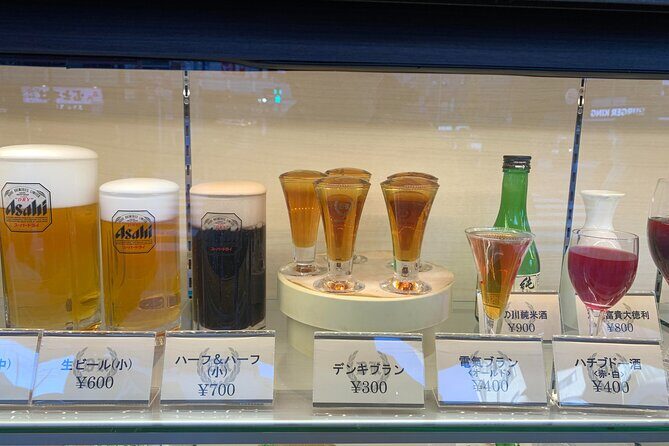
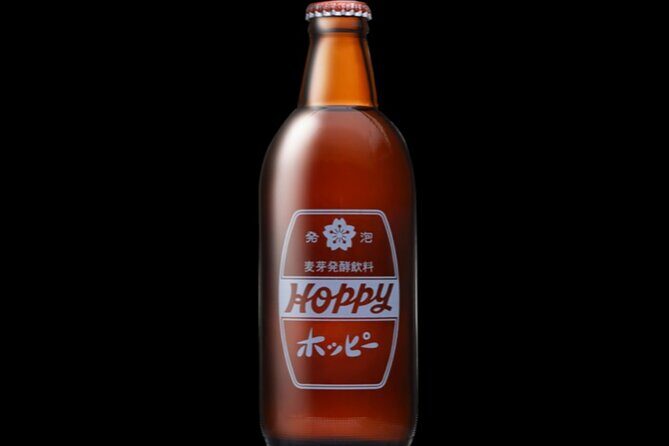
Your first izakaya stop is at Hoppy Street. It’s an 80-meter strip lined with izakayas, and the vibe is all about those lantern-lit storefronts and the outdoor street-side seating. It’s open throughout the day and night, but it gets especially festive later.
The practical win: you don’t have to decide anything on your own. Snacks and drinks are included, and your guide helps pace the group through the meal flow. This is the moment where the tour becomes more social. You’ll likely find you’re chatting with the people in your group as much as you’re eating.
If you’re picky about food, it helps to know the tour is planned around multiple small dishes rather than one single heavy meal. That gives you some variety without committing to just one thing.
Kamiya Bar: A Western-Style Legend From 1880
Next up is Kamiya Bar, described as established in 1880 and known as the oldest Western-style bar in Japan. Even if you’re not a bar history nerd, this stop adds a time-travel feel to the evening. Asakusa can be a temple-and-tradition neighborhood, and then suddenly you’re in a Western-style bar narrative that explains how Tokyo’s drinking culture also evolved in layers.
One thing I’d pay attention to here is the contrast in atmosphere: compared to Hoppy Street’s street-facing energy, this is more like settling into a bar interior experience while still keeping the tour moving. Since drinks and snacks are included, you can focus on taste and conversation rather than constantly checking the menu.
The Final Sake Stop: What You Learn About Ingredients and Origins
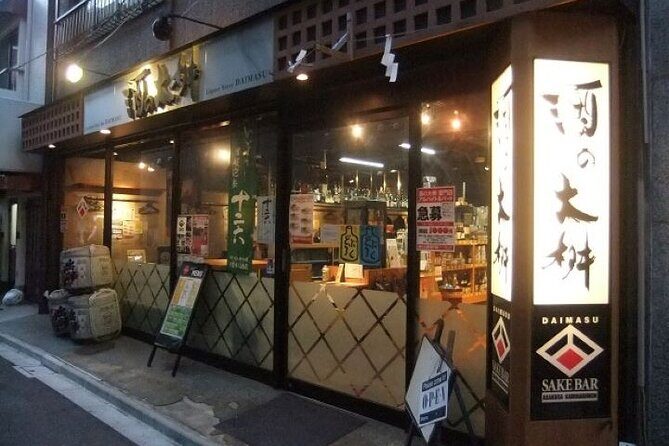
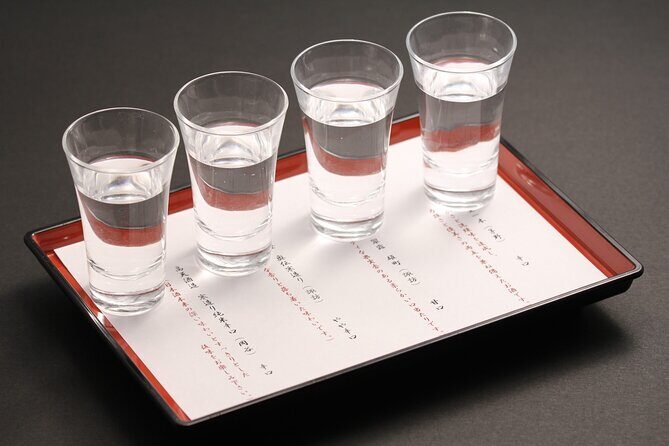
The last izakaya stop focuses on sake, with a wide variety in stock. The guide helps you understand key factors about sake, including:
- why it developed in Japan
- which ingredients play a key role
That’s a rare thing on casual food tours. A lot of tasting experiences stop at what to drink. Here, you get the framework behind the choices. Even if you don’t memorize every detail, it changes how you think about flavor and tradition as you sip.
Practical tip for this part: pace yourself. Three izakaya stops means your taste buds will get tired if you slam every pour at once. If you’re trying multiple sake styles, take smaller tastes and keep the group chat going—your guide’s explanations work best when you’re not racing through the last stop.
Price and Value: What $156.07 Buys You in Real Terms
At $156.07 per person for about 4 hours, you’re paying for three big categories of value:
1) Guide time and routing. You get help navigating a specific Asakusa loop—history landmarks first, then practical food stops. Without a guide, you could do this alone, but you’d lose the context and the friction of deciding where to eat when you’re already tired and hungry.
2) Small-group experience. With a maximum of 8, the tour can keep up a steady pace without turning into a line of people. That matters at places like Kaminarimon and Nakamise.
3) Included dinner-style tasting. The tour averages 3–4 drinks and 3–4 dishes in the izakaya portion. That shifts this from paying for snacks to essentially paying for a guided dinner plus cultural context.
A booking tip: the tour is often booked about 26 days in advance. If you’re visiting during busy periods, planning a few weeks out makes sense.
What Your Guide Adds (Beyond Facts)
The tour shines when your guide turns sights and flavors into conversation. One of the best parts of this experience is how the guide can connect history, neighborhood layout, and taste in a way that keeps the walk feeling alive rather than like a lecture.
You’ll also notice that the pace supports Q&A. Temple areas can be overwhelming if you’re trying to read everything yourself. In a small group, the guide can answer questions as you move, so you don’t have to wait until the next stop.
And the evening portion keeps that same energy. You’re not just receiving drinks—you’re getting context for what you’re tasting.
Who This Tour Fits Best (And Who Might Prefer Something Else)
This tour is a strong match if you:
- want Asakusa basics (Sensoji, Kaminarimon, Hozomon, Nakamise) in a single afternoon
- like walking tours but don’t want to handle route planning
- want a planned izakaya experience where food and drink are included
- enjoy learning a little about sake without turning it into a formal class
It might not fit as well if you hate walking on uneven sidewalks or you prefer to choose every meal on your own. Also, since the experience needs good weather, rainy days can affect the schedule.
Should You Book This Asakusa History + Izakaya Tour?
If you’re doing Asakusa for the first time and you want a smart mix of landmark viewing and eating, this is a good bet. It reduces decision fatigue. You get a clean storyline: river and temple origins, gates and architecture, then the neighborhood’s food and drink culture.
I’d book it if you want that one-stop evening solution—something that feels local, not touristy, and still covers the major sights efficiently. The small group size plus the included drink-and-snack dinner is where the value really shows.
If you’re the type who already knows exactly where you want to eat, you could skip the tour. But if you want the day to run smoothly from temple gates to bar doors, this one earns its spot.
FAQ
How long is the Asakusa history and izakaya tour?
It runs for about 4 hours.
What does the price include?
The tour includes snacks and drinks at three izakayas, and you can expect about 3–4 drinks and 3–4 dishes on average. Entry tickets for the listed sightseeing stops are free.
How big is the group?
The tour has a maximum of 8 travelers.
Where does the tour start?
It starts at Burger King Asakusa Azumabashi in the Kaminarimon area (Taito City). The tour ends back at the meeting point.
What happens if the weather is bad?
This experience requires good weather. If it’s canceled due to poor weather, you’ll be offered a different date or a full refund.
Can I cancel for a full refund?
Yes. You can cancel up to 24 hours in advance for a full refund. If you cancel less than 24 hours before the start time, the amount paid will not be refunded.