REVIEW · HIROSHIMA
Hiroshima Peace Park & Atomic Bomb Dome Guided Walk
Book on GetYourGuide →Operated by Adina · Bookable on GetYourGuide
Hiroshima makes you slow down. This 2-hour Peace Memorial Park walk strings together the key landmarks in one guided route, with a thoughtful stop at the Prayer Fountain and clear context at the museum. What I really like is how the guide (Adina, who’s known for patient explanations) helps you connect the sites to what happened on August 6, 1945. One possible drawback: it’s emotional and the pace is brisk, so if you want long quiet time at every monument, you may feel a bit rushed.
You’ll cover a lot of ground without needing to plan anything beyond getting to the meeting point. And at $21, you’re not just sightseeing—you’re getting museum entry plus guided visits to major memorials, including the Atomic Bomb Dome area.
A note before you go: the listing says wheelchair accessible, but it also says it’s not suitable for wheelchair users. If mobility is a concern, I’d confirm with the operator directly.
In This Review
- Key Highlights You’ll Remember
- Getting Your Bearings at the Gates of Peace
- Dr. Marcel Junod, the Prayer Fountain, and the Human Side
- Museum Time: Learning What Happened on August 6, 1945
- Flame of Peace, the Peace Memorial, and the Meaning of Hope
- Children’s Peace Monument and the Korean Victims Memorial
- Peace Bell and Peace Tower: A Ritual Moment
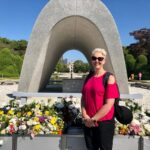
- Atomic Bomb Dome and the Hypocenter Monument Moment
- Price and Value: What $21 Really Buys You
- What to Bring (And What to Skip)
- Who This Guided Walk Fits Best
- Should You Book This Hiroshima Peace Park Guided Walk?
- FAQ
- Where do I meet for the tour?
- How long is the Hiroshima Peace Park guided walk?
- What language is the live tour guide?
- What does the ticket price include?
- Is museum entry included?
- What should I bring?
- Is food or drink allowed in the museum?
- Is the tour wheelchair accessible?
Key Highlights You’ll Remember
- Adina’s explanations that connect the science and the story in plain language, including the nuclear reaction details
- Prayer Fountain reflection time that centers the human impact, not just the dates
- Monument of Dr. Marcel Junod for the Swiss doctor who aided survivors
- Peace Bell and Peace Tower for a ritual moment tied to global harmony and hope
- Children’s Peace Monument and Korean Victims Memorial that broaden the story beyond one nationality
- Atomic Bomb Dome and the Hypocenter Monument for the “this is where history pivoted” feeling
Getting Your Bearings at the Gates of Peace
The tour starts at the Gates of Peace, and that opening matters. You’re not stepping into a random park with statues. You’re entering a place built for remembrance, with the gates signaling global unity right away. It’s a quick guided moment, about 10 minutes, but it helps you get your mental map before you start moving.
If you’re arriving early, take a second to orient yourself. Find the entry area, check where the flow of visitors is going, and set your expectations: this is a walking tour through memorials. A good rule for this kind of place is to wear shoes you can walk in for two hours without thinking about it—because you’ll stop, listen, and then walk again.
Meeting point tip: you’ll meet by the Gates of Peace in front of an Italian restaurant (coordinates: 34.3906308, 132.4516662). If you rely on offline maps, pin that spot first so you don’t end up circling the wrong entrance.
You can also read our reviews of more walking tours in Hiroshima
Dr. Marcel Junod, the Prayer Fountain, and the Human Side
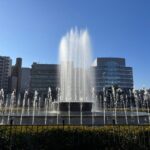
After the gates, you head toward the early “heart” stops: the Monument of Dr. Marcel Junod and the Fountain of Prayer. These two are a powerful pairing. The Junod monument is about care—honoring a Swiss doctor who aided survivors. The Prayer Fountain is about grief and reflection.
What I like here is that the guide doesn’t treat the memorials like photo backdrops. Adina’s style, as described in the tour experience, focuses on making the meaning land. You’re pushed to look at the site and then connect it to the people it represents.
The practical side: these areas are still part of a visitor park, so bring your attention down from screen-mode. If you’re taking photos, do it quickly and cleanly, then give the message your full attention. You’ll get more out of the stop by not treating it like a checklist.
Museum Time: Learning What Happened on August 6, 1945
The route then includes the Hiroshima Peace Memorial Museum, with guided time allocated for learning. This is where the tour shifts from “seeing” to “understanding,” because you’ll hear the history of August 6, 1945 in a structured way.
The museum entry is included, which makes the tour feel more like a curated path than a group shuffle. Also, there’s a clear on-site rule you’ll want to follow: food and drinks aren’t allowed inside the museum. Plan for that by keeping a bottle of water with you outside and saving snacks for after the tour if you need them.
The museum visit can feel intense, but the benefit of having a guide is simple: you don’t have to figure out what matters most. You can focus on the story being told, and you’re not stuck translating everything by yourself.
Small tip that helps a lot: bring your camera, but also bring your ability to pause. Even if you love photography, give your eyes a chance to read what you’re being directed to notice.
Flame of Peace, the Peace Memorial, and the Meaning of Hope
Next comes a cluster of landmarks that turns remembrance into a forward-looking message.
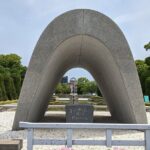
You’ll visit the Flame of Peace—which represents a commitment to a nuclear-free world. That’s not vague symbolism. It’s a statement of intent, and the guide helps you understand how this idea is woven into the park’s layout and purpose. You’ll also spend time at the Hiroshima National Peace Memorial, which keeps the focus on the park’s broader mission.
These stops are about more than slogans. They give you a way to hold two thoughts at once:
1) what was done,
2) what should be prevented from happening again.
This is where the tour pacing helps. Each landmark gets a guided moment (about 10 minutes), so you keep moving, but you’re never completely cut loose. If you go to Hiroshima on your own, it’s easy to bounce from site to site with no connective tissue. Here, the connections are spoken.
Children’s Peace Monument and the Korean Victims Memorial
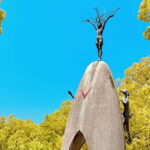
One of the most important benefits of this route is that it broadens the narrative. You’ll visit both the Children’s Peace Monument and the Korean Victims Memorial.
- The Children’s monument honors young lives lost.
- The Korean memorial pays tribute to Koreans who perished.
Why this matters for your experience: it prevents the history from becoming too narrow in your head. Hiroshima’s story is often told through a single lens in popular summaries. In this guided walk, you’re nudged to see the wider human reach of the event.
Emotionally, these stops can hit hard. If you need a reset, take one slow breath before moving on. And don’t rush your reading. The point isn’t speed; it’s recognition.
If you’re traveling with family, this is also one of the stops where kids (or adults who care about them) will have questions. The guide’s patient explanations are a big part of why this tour can work even when the topics are difficult.
You can also read our reviews of more guided tours in Hiroshima


Peace Bell and Peace Tower: A Ritual Moment
Then comes a very specific, memorable action: you’ll ring the Peace Bell and visit the Peace Tower.
This part is different from the memorials of loss. The bell ritual is about global harmony, and the tower visit keeps the message going—turning reflection into something that feels like a promise.
If you’re the kind of person who likes to participate instead of just observe, this is a great inclusion. It gives you a moment with your hands in the experience, which helps memory stick. Even if you keep your expectations low, you’ll likely find this section one of the more memorable parts of the walk.
You’ll also be glad this stop is guided, because you understand what the bell and tower represent rather than just when and where to stand.
Atomic Bomb Dome and the Hypocenter Monument Moment
The tour ends at the places people come for, but with a key difference: you’re not seeing them cold.
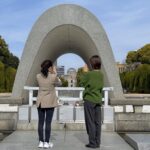
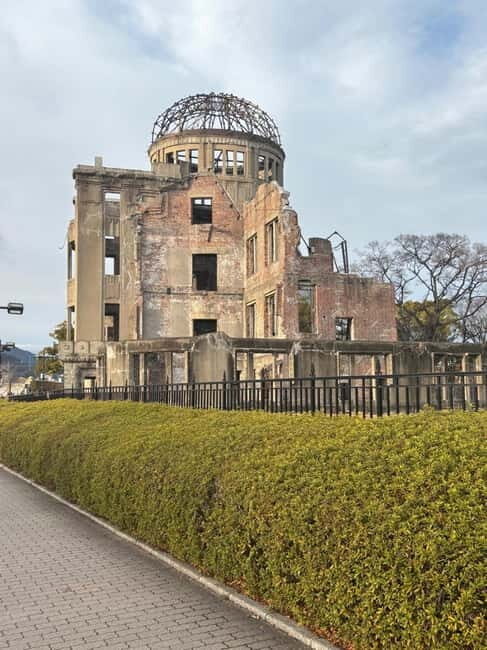
You’ll visit the Atomic Bomb Dome, described in the tour as a solemn reminder of the devastation. You’ll also pause at the Hypocenter Monument, where you reflect on the moment that changed history.
This is the “turning point” area of the whole tour. After learning context in the museum and seeing multiple memorials, the Dome and Hypocenter stop feel less like a postcard and more like a marker you can’t unsee.
Be ready for this section to feel quiet. Even if other visitors are around, you’ll probably want a few moments of personal stillness. If you’re taking photos, aim for less noise. One good photo is enough. Let the rest of the moment land without your camera covering it.
Price and Value: What $21 Really Buys You
At $21 per person for a 2-hour guided walk, you’re paying for a structured route and guided interpretation, not just entry to one place.
Here’s the value equation as I see it:
- Museum entry is included, so you’re not paying extra once you’re already on-site.
- You get guided visits to multiple major stops, from the Gates of Peace to the Atomic Bomb Dome.
- The guide language options (English, Urdu, Hindi) mean you’re more likely to get clear explanations rather than piecing together meaning on your own.
Also, this kind of tour saves time. Instead of choosing what to skip and hoping you didn’t miss the most meaningful stop, the route is planned for flow. That’s worth something when you have limited time.
One more value detail: the stops are guided for about 10 minutes each, which helps you keep the pace reasonable. It’s enough time to absorb, and not so long that you’re stuck in one place.
What to Bring (And What to Skip)
This walk is straightforward, but you’ll enjoy it more if you show up prepared.
Bring:
- Comfortable shoes
- Camera
- Sunscreen
- Water
Skip:
- Thinking you’ll snack inside the museum. Food and drinks aren’t allowed inside the museum, so plan accordingly.
If you’re sensitive to bright light, consider sunglasses too. Some memorial areas can be exposed, and you’ll do better when you’re not squinting through explanations.
Who This Guided Walk Fits Best
This is best for you if you want:
- a guided understanding of August 6, 1945
- a route through major memorials without planning every stop
- a guide who explains meaning (Adina’s explanations are described as patient and detailed)
You may want to reconsider if:
- you need a fully wheelchair-friendly route, since it’s marked not suitable for wheelchair users in the provided details
- you prefer long silent time at each location over a paced walk through many stops
For most people who can comfortably walk, the guided structure is the real win. You’ll leave with a stronger grasp of what each site is meant to communicate, and you won’t have to guess what to focus on.
Should You Book This Hiroshima Peace Park Guided Walk?
Yes, I’d book it if you can handle the emotional weight and you want your visit to be guided by meaning, not just location. The $21 price makes sense because the museum entry and many major stops are rolled into one experience, and the guide’s approach (patient, detailed explanations, including science and context) helps the park’s message click.
If you’re short on time in Hiroshima, this tour is a practical way to cover the core sites in two hours. If you’re someone who needs very slow, quiet pacing—or if mobility needs are a major issue—I’d confirm accessibility details directly before you commit.
In Hiroshima, the point is not speed. But this tour helps you slow down in the right places, while still seeing what you came for.
FAQ
Where do I meet for the tour?
You meet at the Gates of Peace, in front of an Italian restaurant. The coordinates given are 34.3906308, 132.4516662.
How long is the Hiroshima Peace Park guided walk?
The duration is 2 hours.
What language is the live tour guide?
The tour guide is available in English, Urdu, and Hindi.
What does the ticket price include?
It includes guided visits to the Gates of Peace, Dr. Marcel Junod monument, Fountain of Prayer, Flame of Peace, Peace Memorial Museum entry, Rest House, Children’s Peace Monument, Korean Victims Memorial, Peace Bell experience, Peace Tower, Atomic Bomb Dome, and Hypocenter Monument.
Is museum entry included?
Yes. Peace Memorial Museum entry is included.
What should I bring?
Bring comfortable shoes, a camera, sunscreen, and water.
Is food or drink allowed in the museum?
No. Food and drinks are not allowed inside the museum.
Is the tour wheelchair accessible?
The information given includes both wheelchair accessibility and a note that it’s not suitable for wheelchair users. If you use a wheelchair or have mobility concerns, check directly with the operator before booking.