REVIEW · ISHIGAKI
Ishigaki Island: Blue Cave Snorkeling & Taketomi Sightseeing
Book on GetYourGuide →Operated by ISHIGAKI ADVENTURE PiPi · Bookable on GetYourGuide
Snorkeling in Ishigaki feels almost unfair. You’ll get Blue Cave snorkeling with colorful fish in clear water, plus underwater photo data taken for you, and then you head to Taketomi where you’re on your own. The main consideration: the Taketomi island portion isn’t guided, so you’ll want to plan how you want to spend your free time.
I like that this is run with real structure. You meet at ユーグレナ石垣港離島ターミナル, get safety and gear squared away, and go in with a guide who keeps the group moving at a comfortable pace—often with the careful, patient approach you’d hope for in the ocean.
This tour also leans into eco habits instead of treating the sea like a theme park. You’ll follow marine rules (like no touching) and wear the required safety gear, which means less risk and less chaos under the surface—especially when the water is doing its thing.
In This Review
- Key things to know before you go
- Blue Cave snorkeling in Ishigaki: clarity, fish, and a guide who keeps you calm
- What “eco-friendly” means here: no touching, and real safety rules
- Gear and comfort: what you’ll wear and what you should pack
- The timing: snorkeling for 1.5 hours, then Taketomi on your schedule
- Taketomi Island: traditional streets and beach time without a guide
- Guides and photos: why the right instructor changes the whole day
- Who should book this Blue Cave + Taketomi combo?
- Price and value: why $69 can feel fair here
- Quick tips to make your day smoother
- Should you book Ishigaki Blue Cave snorkeling + Taketomi sightseeing?
- FAQ
- Where is the meeting point for this tour?
- How long is the Blue Cave snorkeling portion?
- What’s included for Taketomi Island?
- What snorkeling gear do I need?
- Will I get a wetsuit?
- What should I wear and bring?
- Is hot shower access included?
- Is the tour offered in English?
Key things to know before you go
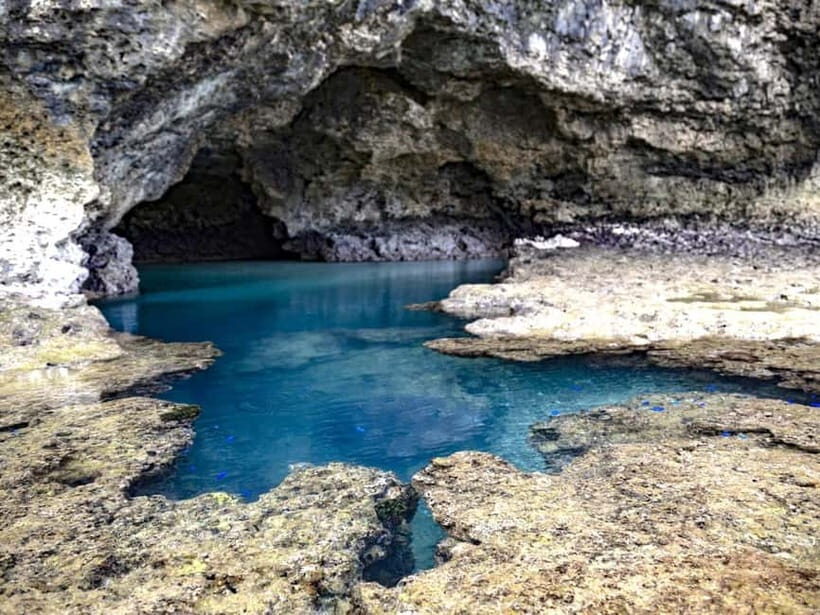
- Blue Cave snorkeling runs about 1.5 hours at a designated spot, with a guide in the water
- Waterproof camera photo data is included, so you don’t have to manage your phone in saltwater
- Taketomi Island is self-guided, with no guide on the island (a big difference from the snorkel part)
- Mandatory safety gear includes life jacket, fins, and mask, plus special shoes
- Hot showers near the port are included, useful after you’ve been wet and sandy
- Not everyone can join: the tour isn’t for pregnant people or those with certain medical conditions
Blue Cave snorkeling in Ishigaki: clarity, fish, and a guide who keeps you calm
The Blue Cave stretch around Ishigaki has a reputation for clear water, but what matters on the ground is how you get there and how you handle it once you’re floating. This tour is designed around a guided snorkeling session at a designated spot. That means you’re not wandering around trying to guess where the best view is—you’re going with someone who knows the area and can point out what you’re actually seeing.
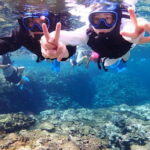
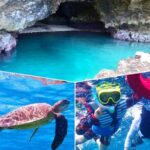
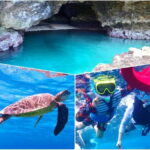
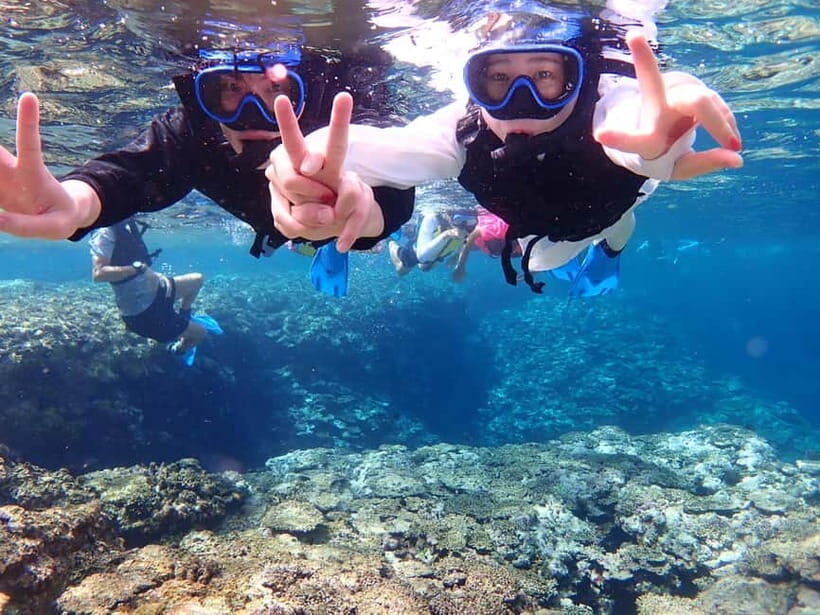
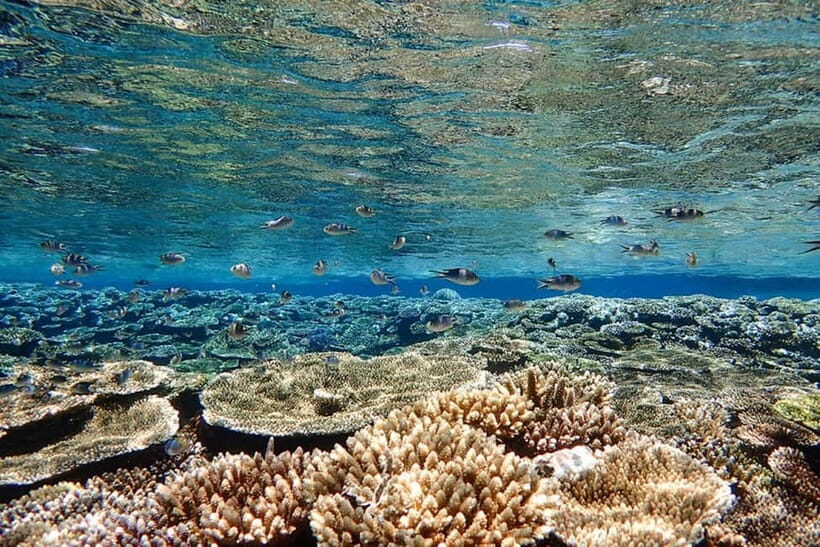
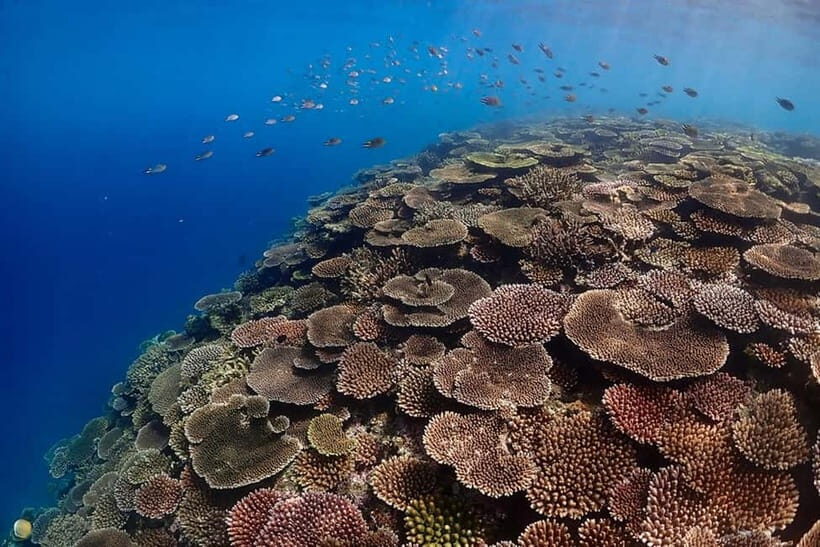
The biggest win here is the fish-and-coral payoff. Expect a guided swim where you can spot lots of marine life and colorful reef creatures, with the guide keeping you oriented and making sure the group stays together. If you’ve never snorkeled before, this format helps. If you have snorkeled before, it still works because you’re not wasting time figuring out the basics while the best water moment passes.
I also like the way the tour handles the photo problem. You’re not responsible for capturing the big moments while you’re trying to breathe, float, and watch fish. The guide uses a waterproof camera and you receive photo data, which makes the whole experience feel more complete afterward.
One practical note: the experience is water time, not just “stand on a beach and look.” So if you’re the type who gets easily chilled, you’ll want the right gear. The tour includes a wetsuit for winter season, which is a smart inclusion when the air and water feel cooler.
You can also read our reviews of more snorkeling tours in Ishigaki
What “eco-friendly” means here: no touching, and real safety rules
People love the idea of snorkeling in a fragile place, but it’s the rules that show whether a tour respects the environment. In this case, you get direct guidance and clear boundaries. You’ll be instructed not to touch marine life, and you’re expected to follow the guide’s instructions at all times.
That matters because coral and sea life can be harmed quickly—one casual touch is all it takes. So the vibe is less about grabby sightseeing and more about careful observation. If you want the reef to stay healthy for the next person (including you), this is the kind of behavior you’ll end up practicing naturally.
Safety is equally serious. The tour requires life jackets, fins, and masks. You also wear special shoes for the wet areas. If you show up without the required safety setup or ignore instructions, the operator may refuse participation. It’s not a small detail—this is the difference between a fun snorkel and a stressful one.
The tour is also designed to keep things controlled weather-wise. It runs in light rain, but it may be canceled if conditions are unsafe. Translation: don’t plan on being able to “will it to happen” if the sea is rough. You’ll be better off with a mindset of flexible weather.
Gear and comfort: what you’ll wear and what you should pack
Your comfort comes from the basics being taken care of. Snorkeling gear is included, and you’ll get the safety items you need. Since life jackets, fins, and masks are mandatory, you can expect the staff to check gear before you get into the water.
You still have homework: bring a towel, sunscreen, drinks, and a swimsuit. The tour also asks for flip-flops and cash. That sounds old-school, but in remote island settings it’s often the simplest way to avoid payment headaches.
A couple more practical touches that I’d plan around:
- There are no restrooms at the tour site, so use facilities in advance.
- Hot showers are available near the port afterward, and it’s included in the package.
- Alcohol isn’t allowed, and if you arrive under the influence, entry/service can be refused.
If you’re sensitive to sun (or you’re traveling with a family member who is), sunscreen matters more than you think. The combination of salt air, reflective water, and bright Okinawan light can sneak up fast.
The timing: snorkeling for 1.5 hours, then Taketomi on your schedule
This is a one-day, 3-hour combo experience: snorkeling first, island time second. The Blue Cave session is listed as 1.5 hours, guided and focused on getting you into the water safely and into the right viewing conditions.
Then you return to Ishigaki Port and take a round-trip ferry to Taketomi Island. Here’s the part that changes the whole feel of the day: there is no guide on Taketomi Island. You do your exploration at your own pace.
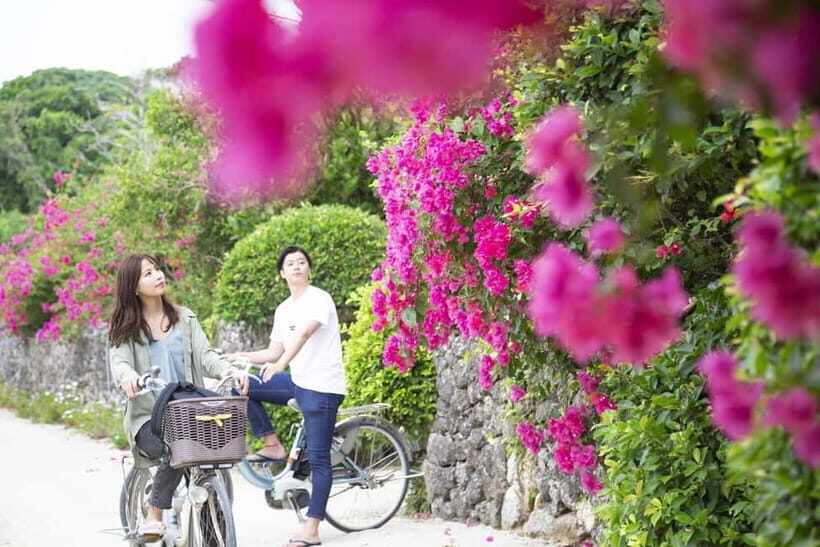
That can be a good thing. If you like wandering slowly, stopping for photos, and choosing your own beach break, Taketomi’s self-guided portion gives you space to do exactly that. Taketomi is known for traditional streets and houses, and there’s time to relax by the beaches. You can return to Ishigaki at any time you prefer once you’re done.
If you’re the type who loves structure and interpretation, you’ll get less of that on Taketomi itself. The guide is with you for the snorkel segment, not for your walking time on the island.
Taketomi Island: traditional streets and beach time without a guide
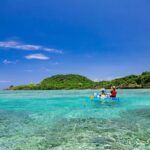
Once you arrive on Taketomi Island, you’re in “discover at your pace” mode. The tour gives you a ferry ticket and a chance to see the traditional houses and streets, plus beach time.
This is the portion of the tour that feels most like real travel instead of a checklist. You can stroll, pause for photos, and just enjoy the island rhythm. Since the snorkeling part is the guided highlight, Taketomi becomes your decompression segment—water time is done, and now you get to be a tourist.
One helpful detail: the snorkeling ends back at Ishigaki Port, and you’ll board the ferry round-trip with the included ticket. But the tour does not provide direct transportation other than that ferry connection, so you’ll rely on your own plans once you’re on Taketomi.
If you’re hoping for a nonstop narrative tour on the island, you might feel a bit under-led there. If you’re happy to explore and take in the atmosphere, this is a very pleasant balance.


Guides and photos: why the right instructor changes the whole day
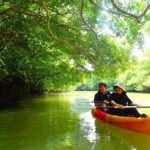
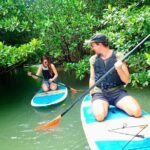
The snorkeling experience lives or dies on your guide. In the feedback for this operator, the common theme is how attentive the guides are to the group’s comfort level and safety. You’ll see that in the way instructors describe your pace, monitor how you’re doing, and keep everyone together.
Names that come up include Akari, Yuki, Makoto, Diego, and Aoi. It’s a mix of personalities, but the thread is consistent: they focus on making you feel safe while still showing you the good stuff underwater.
That matters because snorkeling isn’t just about looking. It’s about breathing, controlling your buoyancy, and not getting panicked when you can’t see what you expect. A patient, responsive guide can turn a “hope this goes well” moment into something you actually remember with a grin.
Then there’s the photo part. The waterproof camera setup means you can look at coral and fish without juggling a phone or camera. After the tour, you get the photo data, which is a nice souvenir that feels earned.
Who should book this Blue Cave + Taketomi combo?
This is a great match if you want:
- A guided snorkeling session with equipment handled
- Real time in and around the water (not just a quick look)
- A second act that’s slower and self-paced on Taketomi
It’s also a good choice for people who like learning facts but don’t need a guide to accompany them every step for hours. You’ll get instruction during snorkeling. Then you get freedom after ferry arrival.
It may not be the right pick if you:
- Need a fully accessible, guided experience on Taketomi Island
- Get anxious in the sea and want even more handholding than a group format allows
- Have health limits or mobility constraints listed by the operator
Age and health rules are strict. You must be between 5 and 59 years old, and it’s not available for pregnant individuals or people with pre-existing medical conditions. The tour also says it’s not recommended for those with conditions such as high blood pressure, epilepsy, heart conditions, asthma, and certain physical disabilities. People over 60 are also listed as not suitable.
If you’re unsure, don’t guess. Ask before you book so you avoid a last-minute rejection.
Price and value: why $69 can feel fair here
At $69 per person for a 3-hour experience, the value hinges on what’s included. You’re not just paying for snorkeling time. The package includes:
- Snorkeling gear and safety equipment (life jacket, fins, mask, plus special shoes)
- A wetsuit for winter season (when applicable)
- The waterproof camera photo data
- A hot shower near the port
- A round-trip ferry ticket to Taketomi Island
- Liability insurance
- Tax and small participant benefits like restaurant coupons and local spot information
If you tried to piece this together yourself—gear rental, guided snorkeling, ferry transport, and the little extras—you’d likely end up paying more or spending more time organizing. The “combo” part matters. You get one guided activity plus one island visit without needing to arrange everything separately.
Still, it’s worth calling out the tradeoff: you pay for guidance mainly on the snorkeling side. Taketomi is self-guided. If you expected a full day of interpretation on the island, you might judge the price differently.
Overall, for a structured snorkeling + classic island stroll pairing, $69 feels like a reasonable deal.
Quick tips to make your day smoother
These are the small things that help the experience feel easy:
- Arrive on time and confirm where to meet. Meeting details are sent the day before the tour, and if you don’t receive them by 6:00 PM the day prior, you’ll need to contact ISHIGAKI ADVENTURE PiPi.
- Wear your swimsuit under your clothes before meeting your guide. You’ll change before you head out.
- Bring a towel and sunscreen. Light rain is possible, so quick-dry comfort helps.
- Plan to use the restroom before you go. There are no restrooms at the tour site.
- If you’re carrying any prescriptions or personal items, keep them minimal. Saltwater days are not the time for fragile gadgets.
And if you’re nervous about the sea, it’s totally worth asking questions ahead of time. The tour explicitly invites people to consult if you’re worried about physical fitness or fear of the sea.
Should you book Ishigaki Blue Cave snorkeling + Taketomi sightseeing?
I’d book this if you want a compact day that mixes guided underwater time with traditional Taketomi island atmosphere, without spending your whole day in transit or organizing gear.
I’d skip it if you need a guided itinerary for Taketomi too, or if you fall into the listed medical/age restrictions. Snorkeling is fun, but it’s not a casual activity for everyone.
If you’re flexible, follow the safety rules, and show up prepared, this tour delivers what most people come to Okinawa for: clear water, sea life, and a classic island experience with a little independence baked in.
FAQ
Where is the meeting point for this tour?
You meet at ユーグレナ石垣港離島ターミナル.
How long is the Blue Cave snorkeling portion?
The snorkeling portion is about 1.5 hours.
What’s included for Taketomi Island?
You get a round-trip ferry ticket to Taketomi Island. There is no guide on the island, so you explore at your own pace.
What snorkeling gear do I need?
Snorkeling gear is included, but life jacket, fins, and a mask are mandatory. You’ll also use special shoes provided for safety.
Will I get a wetsuit?
A wetsuit is included for winter season.
What should I wear and bring?
Wear your swimsuit, and bring a towel, drinks, sunscreen, flip-flops, and cash. Weather-appropriate clothing is also recommended.
Is hot shower access included?
Yes. Hot showers are available near Ishigaki Port Remote Island Terminal.
Is the tour offered in English?
The tour is conducted in Japanese or English, depending on booking conditions. It may be Japanese only depending on availability.