REVIEW · FUJIYOSHIDA
Mount Fuji – Private Tour with English Speaking Chauffeur
Book on GetYourGuide →Operated by SLUZEB Tours · Bookable on GetYourGuide
Ten hours, one big Fuji focus.
This private ride pulls together the iconic Mount Fuji region—Oshino Hakkai, Chureito Pagoda, Lake Kawaguchiko viewpoints, and the classic Fuji 5th Station area—with private transportation and a bilingual English/Japanese chauffeur who can help you with photos and video. You’ll also have admissions arranged for one person, plus bottled water to keep the day rolling.
One key consideration: this is a chauffeur-led experience, not a full-on guided lecture at every stop. If you want lots of history, behind-the-scenes stories, or deep explanation in English, you’ll want to set that expectation clearly.
In This Review
- Key things to know before you go
- How a private Tokyo-to-Fuji day really feels
- Oshino Hakkai’s eight springs and why locals care
- Chureito Pagoda photos and the memorial meaning
- Lake Kawaguchiko viewpoints: Oishi Park and the lavender timing
- Arakura Fuji Sengen Shrine: prayers, views, and cherry blossoms
- Saiko Iyashi no Sato Nemba: a rebuilt village with real storm history
- Mt. Fuji 5th Station: the classic half-up feeling
- Don’t miss the ropeway add-on near Tenjo
- Gotemba Premium Outlets: when time meets shopping goals
- Price and value: is $967 per group a fair deal?
- Photo and video help, plus a quick expectation check
- Who should book this private Mount Fuji tour
- Should you book this private Mount Fuji tour?
- FAQ
- How long is the Mount Fuji private tour?
- Where do you get picked up?
- What’s the price for the tour?
- Is the chauffeur English-speaking?
- Is lunch included?
- What attractions are included with admission tickets?
- Is private transportation included?
- What’s the photo/video support like?
- Can you visit both Mt. Fuji 5th Station and Gotemba Premium Outlets?
- Is there a cancellation policy?
Key things to know before you go
A private day for up to 5 people starting from Tokyo
English and Japanese photo/video help so you’re not fiddling with your phone alone
World Heritage-area stops around Oshino Hakkai and the Fuji region views
Included tickets for major attractions like Saiko Iyashi no Sato Nemba and the Mount Fuji Panoramic Ropeway (plus Fuji 5th Station)
Time trade-off between Mt. Fuji 5th Station and Gotemba Premium Outlets
Lunch is on you, so plan snacks and a simple meal strategy
How a private Tokyo-to-Fuji day really feels
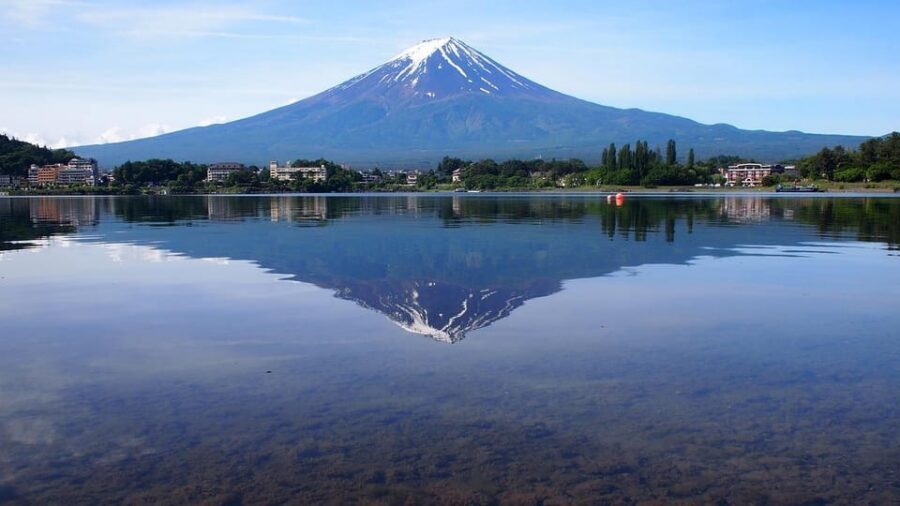
A private Mount Fuji tour can mean two very different things. Some are guide-heavy. Some are car-heavy. This one is very clearly the “car takes you, the chauffeur helps you” style. That can be great if you’re tired of trains, transfers, and schedule math. In a 10-hour window, it also helps you see more than you would on your own.
You’re traveling in an air-conditioned vehicle with bottled water included. For most people, that comfort matters on a long day—especially when weather can shift fast around Fuji. And because it’s private for a group of up to 5, you can keep your pace: linger for photos, walk a bit slower, or take one extra scenic pause if timing allows.
The only downside is mental. If your hope is that every stop comes with a detailed talk in English, you might feel like you’re mostly in “drive and drop-off” mode. The chauffeur is bilingual, but the experience can lean toward logistics rather than guided narration.
You can also read our reviews of more private tours in Fujiyoshida

Oshino Hakkai’s eight springs and why locals care
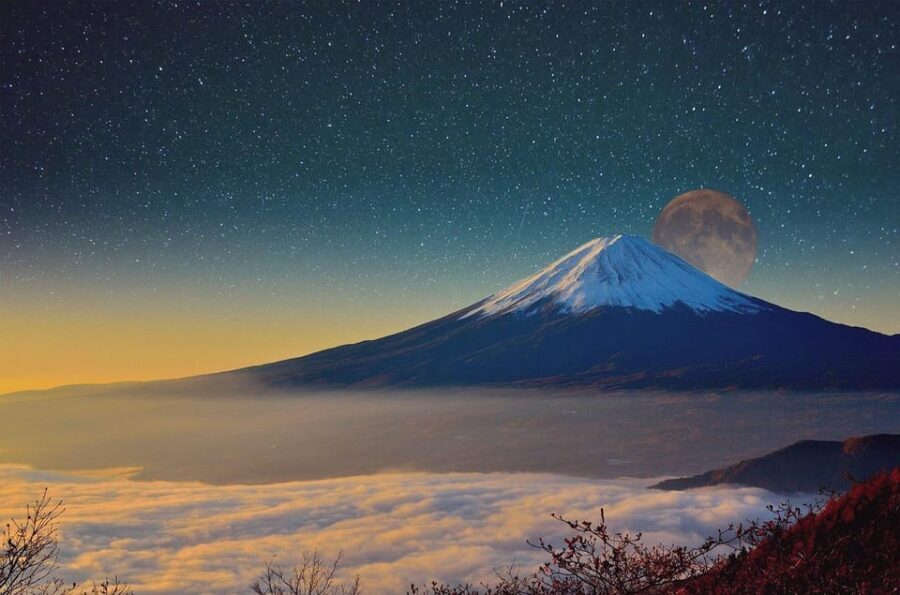
Oshino Hakkai is one of the most recognizable Fuji-region visits for a reason: it’s all about water. You’ll spend around 30 minutes here, walking and sightseeing and getting a photo stop in as you go.
The headline is simple and impressive—these are the eight springs found in Oshino, and they’re treated as a Natural monument of Japan. They’re also tied into the Mount Fuji World Heritage Site area, which helps you understand why this isn’t just a cute postcard village. The spring system is part of what makes the Fuji area special beyond the mountain view.
Practical tip: wear comfortable shoes. This is a walk-and-pause stop, not a sit-down attraction. If you’re the type who likes to read small signs, this place gives you enough to look at without needing a guide script.
Also, treat this as a “reset moment.” Early in the day is when your eyes are most alert, so Oshino Hakkai is a good time to slow down, get clear photos, and then move on with a calmer head.
Chureito Pagoda photos and the memorial meaning
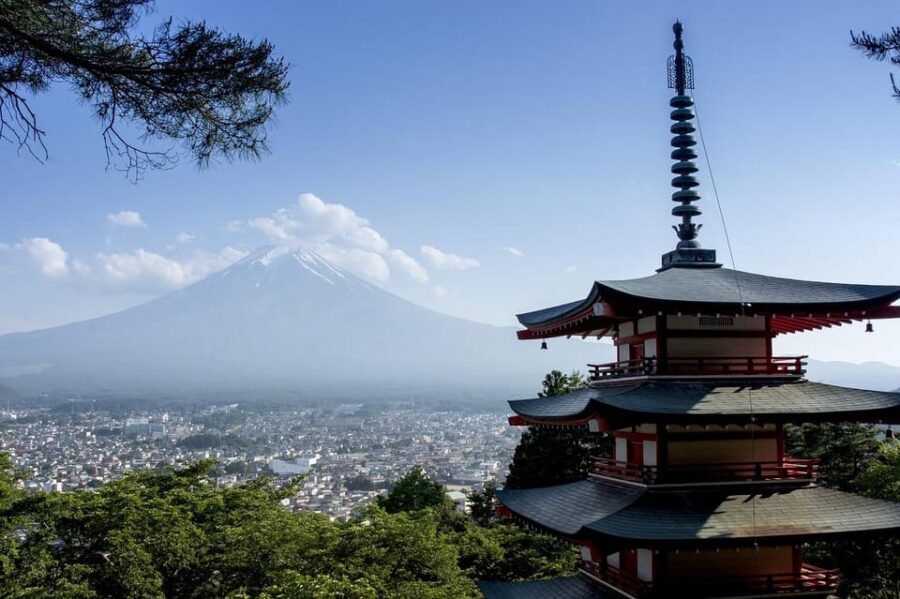
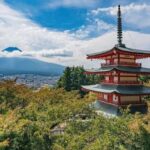
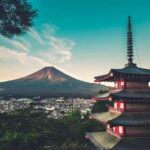
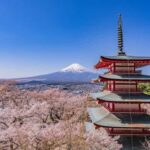
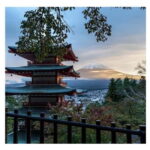
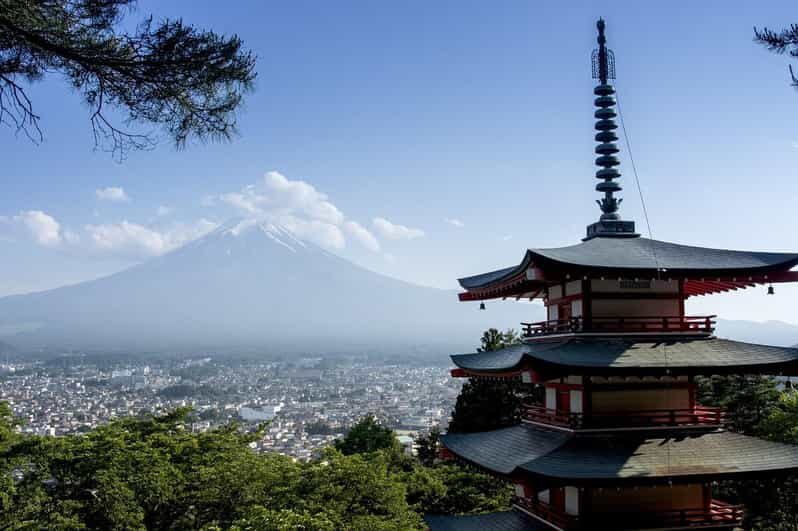
Next comes Chureito Pagoda, one of the classic skyline matches for Mount Fuji. You’ll have about 30 minutes with photo stops and time to walk around for sightseeing and views.
Here’s what makes this pagoda more than just a great photo angle. It honors people lost from the First Sino-Japanese War in 1868 through World War II. That history is tied to why the pagoda is such a meaningful spot for many visitors, not just a “look, it’s pretty” stop.
In real life, the pagoda view depends on timing and weather. Even on clear days, crowds can be intense. A private chauffeur helps because you can be ready for your moment—quick photos, then move so you’re not stuck waiting with everyone else for the same shot.
If you’re traveling with someone who cares about symbolism and meaning, this is one of the better stops to lean into. If you mostly care about pictures, you’ll still get your payoff.
Lake Kawaguchiko viewpoints: Oishi Park and the lavender timing
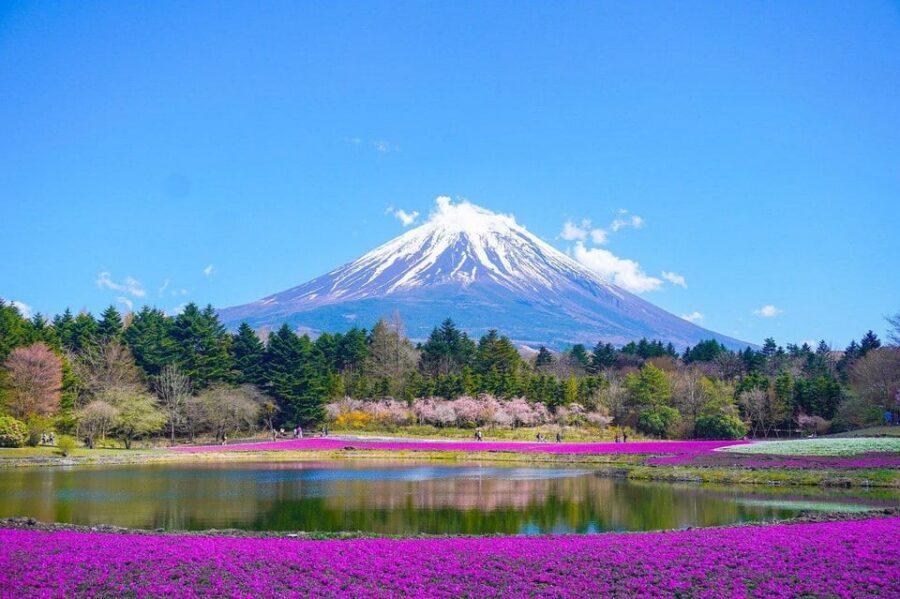
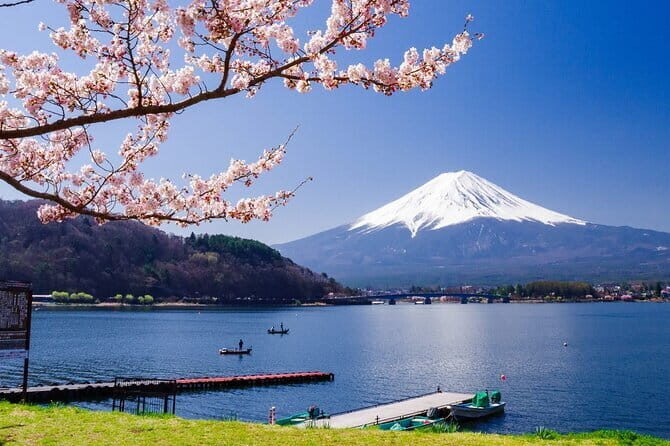
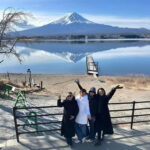
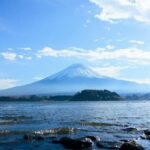
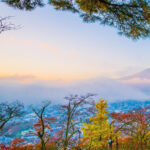
After Chureito, the day shifts to Lake Kawaguchiko. You’ll spend about 30 minutes at Oishi Park, which is widely loved for how Fuji shows up in the background when conditions cooperate.
Oishi Park is especially tied to lavender. The bloom window runs from about mid-June to mid-July, and the key detail for you is timing: during that period, you’re less likely to see Mount Fuji with a snow cap. That means you may get a different mood of the mountain—more summer texture than winter sparkle.
Even if you’re not there during lavender season, Oishi Park is still useful because it’s built for viewpoints. You’re getting a curated “look at the mountain from here” experience with minimal hassle. And because this is private transport, you’re not dealing with complicated bus connections when you’re trying to catch the best light.
A small reality check: the mountain can hide. When Fuji is clear, it’s jaw-dropping. When it’s not, you still get lake-side scenery and a chance to enjoy the area around the eastern end, where you’ll find more tourist activity.
Arakura Fuji Sengen Shrine: prayers, views, and cherry blossoms
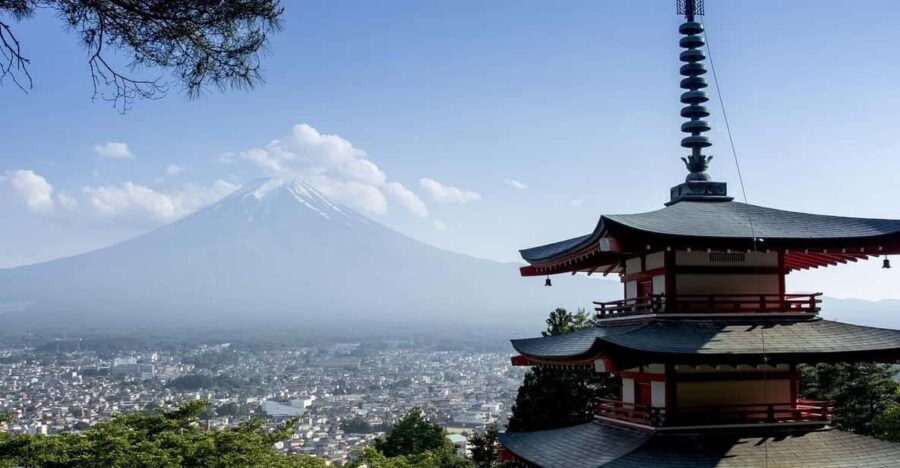
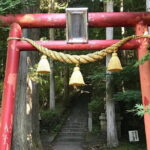
Arakura Fuji Sengen Shrine is another fast, meaningful stop—about 30 minutes for photo ops, visiting, and walking. The big draw here is that visitors come to pray for family happiness and safe childbirth, and also to ward off evil.
You don’t need to be religious to appreciate why people return to this spot. The shrine sits in a place built for views, and when the season lines up, the visuals get even stronger.
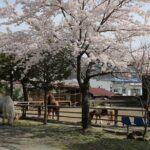
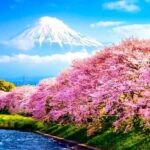
If you’re traveling in spring, cherry blossom trees bloom around the area and crowds tend to gather for the view with Fuji in the background. It’s one of those seasonal timing moments where your trip month matters as much as your route.
Because your time here is limited, go in with a plan:
- Decide if you want the classic angle first, then wander.
- Don’t burn your whole stop “figuring it out.” Use your first minute to find your photo position, then enjoy the rest.
Saiko Iyashi no Sato Nemba: a rebuilt village with real storm history
You should expect time for Saiko Iyashi no Sato Nemba. The tour includes admission for it, and this stop is one of the most interesting “character” experiences in the Fuji area.
The story is that it’s a replica of an old Japanese village. What makes it especially compelling is that the thatched-roof buildings were rebuilt with attention to detail after the original village was destroyed by a landslide during a typhoon in the late sixties.
So you’re not just walking through pretty houses. You’re stepping into a place that reflects how communities recover—and how they choose to preserve memory. That history is exactly the kind of context that turns a short photo stop into an experience that sticks with you.
If you enjoy atmosphere and slower walking, this is the part of the day where you can comfortably slow down without feeling like you’re “behind schedule.” Even with a private tour format, it’s one of the best chances to move at human pace.
Mt. Fuji 5th Station: the classic half-up feeling
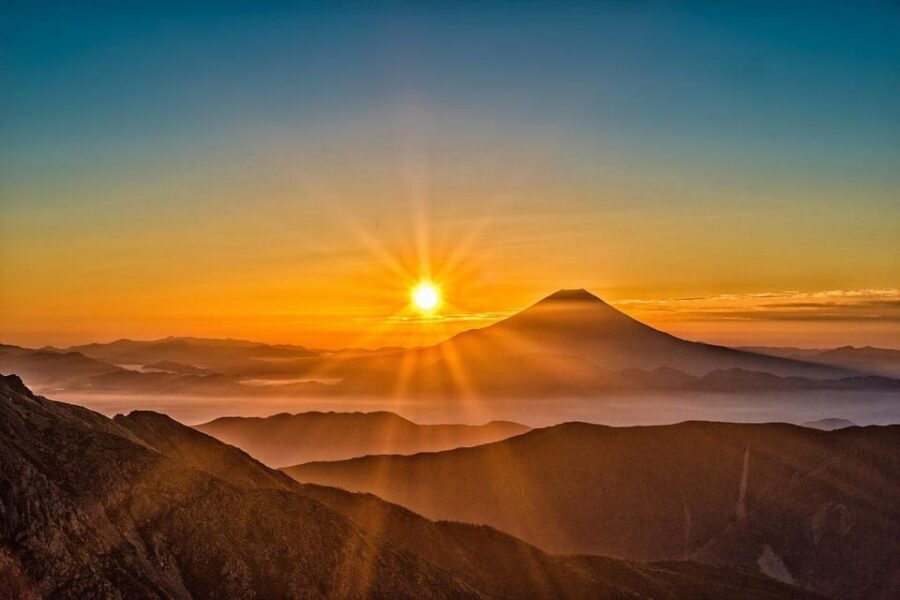
This is the big bucket-list moment for many people. The day includes Mt. Fuji 5th Station, and you’ll have about 2 hours there.
You have options in how to experience it. Most hikers start their ascent at the 5th station, and you can either climb upward or simply drive to Subaru Line 5th Station to enjoy the atmosphere and views. Even if you’re not hiking, the environment changes your perspective. You’re up in the zone that feels like the mountain’s “work space.”
Important note for planning: this stop can be excluded if you choose to spend time at Gotemba Premium Outlets instead due to time constraints. In other words, you have to choose what matters more to you:
- Prioritize Mt. Fuji 5th Station, and Gotemba may be skipped.
- Prioritize shopping at Gotemba, and Mt. Fuji 5th Station may be skipped.
Before you book, I’d make that decision based on your travel style. If you’re chasing Fuji itself, the 5th Station is usually the better investment of limited time.
Don’t miss the ropeway add-on near Tenjo
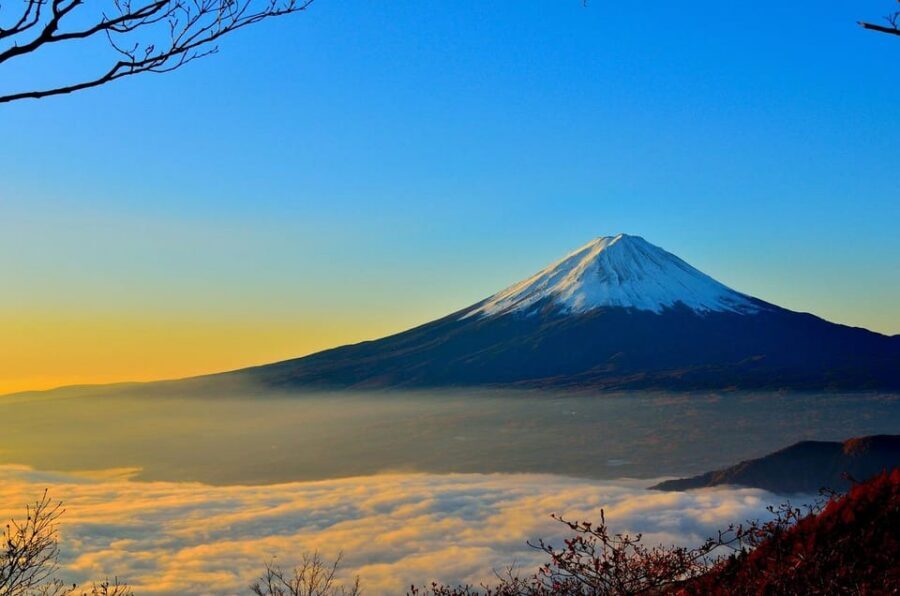
The tour also includes admission for the Mt. Fuji Panoramic Ropeway. The ropeway goes up about 400 meters from the eastern shore of Lake Kawaguchiko to an observation deck near the peak of Mount Tenjo.
If the weather is uncertain, this kind of viewpoint option is smart. You’re aiming for a higher vantage without needing to commit to a long hike. And if clouds drift in and out, you still get a solid shot at seeing wide mountain and lake views.
This is also one of those experiences where timing helps. If your day is already packed, you’ll want to treat the ropeway as a “go when you’re there” moment—not something to postpone while you rethink everything.
Gotemba Premium Outlets: when time meets shopping goals
Gotemba Premium Outlets is a popular stop, and it’s included with about 2 hours for walking and shopping. The vibe is simple: you come for convenience and brands, and you leave lighter.
There’s also a local angle worth knowing. Gotemba is considered a premium green tea growing area around the foot of Mount Fuji, and the region is known for horseradish (wasabi) as well. So even though it’s a shopping mall, you’re still in the Fuji foothills with agricultural identity in the background.
The key trade-off is time. If you want Mt. Fuji 5th Station, Gotemba can be excluded. If you want Gotemba, the 5th station can be excluded. Two must-dos for the same day can’t always both win.
If shopping is genuinely part of your trip plan—maybe you’re bringing home gifts—this stop can be a nice payoff. If you’re purely chasing Fuji, you may feel like you’re spending time where the mountain doesn’t improve.
Price and value: is $967 per group a fair deal?
The price is $967 per group, up to 5 people, for a 10-hour private outing. That means you’re paying for convenience, flexibility, and time efficiency more than you’re paying for the attractions themselves.
Here’s what that price covers based on what’s included:
- Private transportation in an air-conditioned vehicle
- Bottled water
- Fuel, parking, and toll charges
- Photo/video assistance
- Admissions for one person to key sights, including Saiko Iyashi no Sato Nemba, the Mt. Fuji Panoramic Ropeway, and Mt. Fuji 5th Station
- Admission for one person overall, with lunch not included
Is it good value? For families or small groups, it often is, because splitting cost makes the day feel close to what you’d pay for multiple private rides or taxis plus your own navigation time. For solo travelers, it can feel pricey—especially if you’re comfortable using transit and don’t mind planning your own route.
The “value risk” is the style of the chauffeur. If you end up in mostly drive-and-drop-off mode, you’ll still get the sights, but you may feel you paid for flexibility rather than education. That’s not wrong. It just changes what you should expect.
Photo and video help, plus a quick expectation check
The tour includes free picture-taking and video-making assistance. That’s a real benefit for anyone traveling with a phone, a camera, or both. You won’t have to hunt down strangers or ask someone who doesn’t know what Fuji angle you’re chasing.
Just know how to get the most out of it. Ask for a plan before you stop—where you want to stand, when you want to start shooting, and what kind of shot you want. Even a chauffeur who isn’t doing formal guiding can still help you position quickly.
And take seriously the language reality check. The chauffeur is listed as bilingual in English and Japanese, which is excellent on paper. But in a chauffeured format, the amount of conversation can vary. If you want specific explanations—history behind Chureito, why certain prayer rituals matter, or how the spring water system works—start with a direct question early. It helps set the tone for the day.
Who should book this private Mount Fuji tour
This tour fits best if you want:
- A simple, private way to hit multiple Fuji highlights without transit stress
- A small group plan (up to 5) where you’re splitting the cost
- Photo help at major stops, plus admissions already arranged
- A day focused on the Fuji region between Tokyo departure and return
It might be less ideal if you want:
- Constant, detailed guiding at every single location
- A flexible itinerary full of last-minute detours (this is timeboxed by design)
- A more educational museum-style experience
If you’re the type who loves walking areas like Oshino Hakkai, appreciates shrine culture, and wants the “up-close Fuji” moment at 5th Station, you’re likely to enjoy the structure.
Should you book this private Mount Fuji tour?
I’d book it if your priority is a Fuji-heavy day with minimal logistics, and you’re okay with the experience being mainly chauffeur-led rather than lecture-led. The included admissions reduce planning friction, and the private transport is a big quality-of-life upgrade for a 10-hour schedule.
I’d think twice if you mainly want deep English storytelling throughout the day, or if you’re traveling solo and feel the cost isn’t offset by added value. In that case, you’d want to verify how interactive the English support will be during stops.
If you do book, choose your priority between Mt. Fuji 5th Station and Gotemba Premium Outlets before you go. That decision shapes your day more than you’d expect.
FAQ
How long is the Mount Fuji private tour?
The tour runs for 10 hours.
Where do you get picked up?
Pickup is from Tokyo.
What’s the price for the tour?
It’s $967 per group for up to 5 people.
Is the chauffeur English-speaking?
Yes. The chauffeur is listed as bilingual in English and Japanese.
Is lunch included?
No. Lunch is not included.
What attractions are included with admission tickets?
Admission is included for one person for Saiko Iyashi no Sato Nemba, the Mt. Fuji Panoramic Ropeway, and Mt. Fuji 5th Station.
Is private transportation included?
Yes. You get private transportation in an air-conditioned vehicle, with fuel, parking, and toll charges included.
What’s the photo/video support like?
The tour includes free picture-taking and video-making assistance if needed.
Can you visit both Mt. Fuji 5th Station and Gotemba Premium Outlets?
Time constraints can affect this. If you want Mt. Fuji 5th Station, Gotemba may be excluded, and if you want Gotemba, Mt. Fuji 5th Station may be excluded.
Is there a cancellation policy?
Yes. You can cancel up to 24 hours in advance for a full refund.