REVIEW · TOKYO PREFECTURE
Cook Everyday Japanese Home Meals with Your Tokyo Mom
Book on Viator →Operated by Tokyo Mom's Kitchen · Bookable on Viator
A Tokyo home kitchen changes everything. This small-group class lets you cook everyday Japanese meals inside a real lived-in home with a Tokyo Mom, learning the rhythms and little habits that make home cooking feel like home.
What I love most is how hands-on it is, from making the broth base to shaping rice balls, and how clearly you get to make it your own with a main dish choice that fits what you like.
One possible consideration: you’ll start with dashi, a stock made from seaweed and dried fish. If you avoid fish-based flavors, you’ll want to think hard before booking.
In This Review
- Key highlights worth planning around
- Stepping Into a Real Tokyo Home (Not a Performance Kitchen)
- What the setting means for you
- Your Menu Choices: Saikyo Yaki, Teriyaki, or a Personal Request
- Main dish options you’ll pick from
- Why this menu structure is great value
- Dashi: The Secret That Makes Everything Taste Like Japan
- The technique mindset I’d bring
- Onigiri, Tamagoyaki, and the Rhythm of Everyday Cooking
- Onigiri: rice balls shaped by hand
- Tamagoyaki: fluffy rolled omelet
- A seasonal vegetable dish and miso soup
- What Happens in the Kitchen: Hands-On, With English Support
- Instructors matter, and it shows
- Enjoying the Meal Like a Guest (Shoes Off, Dishes On)
- Getting There in Tokyo: Koganei Meeting Point and Timing Sense
- A small practical tip
- Price and Value: Why $99 Can Make Sense Here
- Not included items that affect budgeting
- Who Should Book This Cooking Class (And Who Might Skip It)
- You might skip if
- FAQ
- FAQ
- How long is the cooking experience?
- How many people are in a group?
- Is the instructor available in English?
- What dishes will I learn to make?
- Can I request my own favorite Japanese dish?
- What main dish styles can I choose from?
- Are ingredients and cooking utensils included?
- Is transportation included in the price?
- Does the experience include alcohol?
- What if I need to cancel?
- Should You Book Tokyo Mom’s Kitchen?
Key highlights worth planning around

- Real-home etiquette: you’ll learn basics like removing your shoes and setting dishes out in a home-style way
- Dashi first: understanding the seaweed-and-dried-fish stock helps everything else make sense
- Pick your main, then match the ingredients: saikyo yaki, teriyaki, or a dish you request, plus meat, fish, or vegetables
- Core “everyday” items: onigiri, tamagoyaki, a seasonal vegetable dish, and miso soup
- Small group size (max 6): more time for questions and hands-on help
- English-speaking instruction: guidance is available throughout, including recipe materials and loaned apron/hand towels
Stepping Into a Real Tokyo Home (Not a Performance Kitchen)
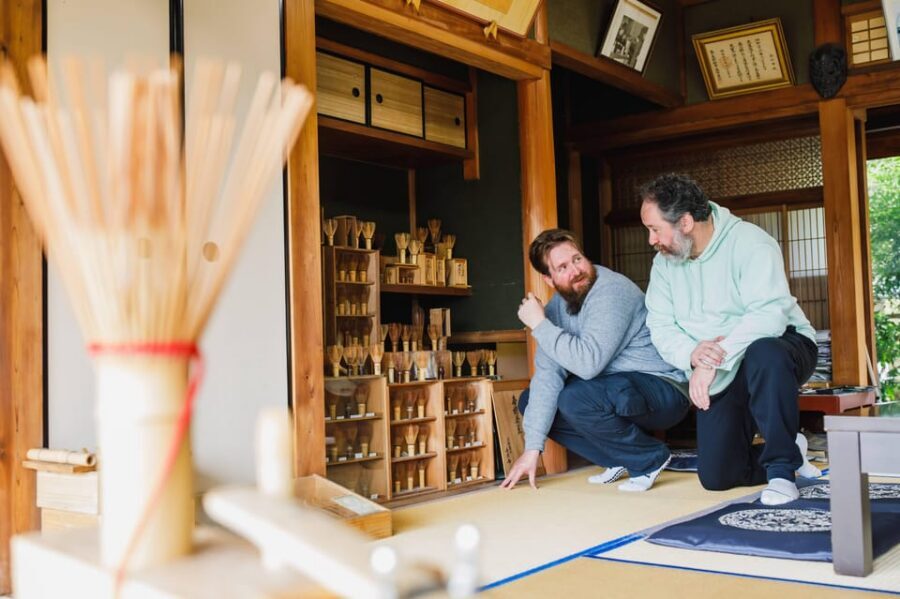
This experience is built around one simple idea: you cook Japanese home meals in a real Tokyo house, not a staged demo space. You step into either a charming retro-feeling home or a cozy lived-in family home, depending on the session. Either way, the vibe is quiet and normal—exactly what you want if your goal is to understand daily life instead of collecting photo ops.
And yes, you’ll notice the little rules right away. A big one is removing your shoes at the entrance. It sounds minor, but it sets the tone: you’re not just watching cooking. You’re participating in the home’s way of doing things.
I also like that the class emphasizes culture at the same time as cooking. You’ll learn how dishes get arranged and served, and that helps you understand Japanese meals beyond the ingredients. When you later see onigiri or tamagoyaki in a shop, you’ll connect it to what you practiced here.
You can also read our reviews of more tours and experiences in Tokyo Prefecture.

What the setting means for you
You get a more “Japan in practice” feeling. The learning sticks because it comes with sensory details—smells from the grill or pan, the sound of rolling egg for tamagoyaki, and the slow patience of making broth.
Your Menu Choices: Saikyo Yaki, Teriyaki, or a Personal Request

The heart of the class is choosing a main dish. You’ll get three options for the style, and then you can choose the ingredient category to match your preferences.
Main dish options you’ll pick from
- Saikyo yaki: miso-marinated and grilled, known for a rich but delicate flavor
- Teriyaki: glazed in a sweet and savory soy-based sauce
- Your request: tell your instructor your favorite Japanese dish, and they do their best to make it happen
For each style, you can choose meat, fish, or vegetables. That matters if you travel with dietary preferences or just don’t eat certain things. Even if you’re not sure what you’ll want, the structure makes the decision easy: choose a flavor direction first (miso-grilled, soy-sweet glaze, or request), then pick what you want protein-wise or vegetable-wise.
Why this menu structure is great value
A typical cooking class can feel like you’re doing a single recipe. Here, you’re steering the experience. For a flat $99 per person over about 2 hours 30 minutes, the price feels reasonable because you’re not only cooking side dishes—you’re also making the main plus the “daily-life staples” that round out a Japanese meal.
If you want one class that gives you both technique and food variety, this setup is built for that.


Dashi: The Secret That Makes Everything Taste Like Japan

Before you jump into rice balls or egg, you’ll start by making dashi, the essential foundation stock in Japanese cooking.
Dashi here is specifically made from:
- seaweed
- dried fish
Even if you’ve had dashi before, learning it step-by-step helps you see why so many Japanese dishes share that same gentle, umami backbone. It’s not just “tasty soup.” It’s the base layer that makes miso soup, sauces, and everyday flavors work.
The technique mindset I’d bring
Don’t rush the broth stage. Think of it as building the flavor base. When you treat dashi like the important first ingredient, everything afterward feels more logical—like you’re cooking in layers, not throwing ingredients together.
And if you’re the type who likes to understand food systems, this part delivers. You leave knowing what gives the taste its identity.
Onigiri, Tamagoyaki, and the Rhythm of Everyday Cooking

After the broth foundation, the class moves into the home meal components you’ll actually recognize from Japanese daily life.
Onigiri: rice balls shaped by hand
You’ll make onigiri and shape the rice balls by hand, then wrap them with seaweed. This is one of those skills that looks quick from afar but is oddly satisfying to learn. When you shape them yourself, you start paying attention to texture and form—the point isn’t just that it’s rice. The point is how it holds together.
Tamagoyaki: fluffy rolled omelet
You’ll learn to make tamagoyaki, the Japanese rolled omelet. The class focuses on getting you to the “home kitchen result,” not just understanding theory. Rolling egg takes patience, and that patience is part of the charm—this is exactly the kind of cooking that feels calming after a day of city walking.
A seasonal vegetable dish and miso soup
You’ll also prepare:
- a seasonal vegetable dish
- miso soup
Seasonal vegetables are one of those quiet Japanese choices that make meals feel current, not stuck in “always the same.” Even if you don’t obsess over ingredients at home, it helps you understand how Japanese cooking thinks: what’s fresh and fitting now matters.
And pairing the seasonal dish with miso soup turns this into a complete home-style spread. You’re not just making snacks—you’re building an actual meal.
What Happens in the Kitchen: Hands-On, With English Support

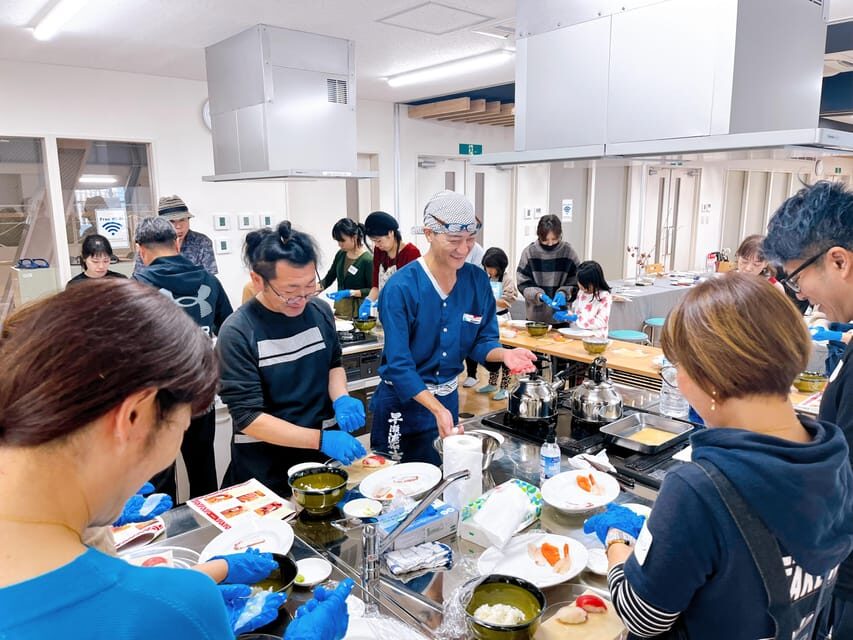
This is an intimate class with a maximum of 6 travelers. That small group size changes the experience. You’re not lost in a crowd, and you’re more likely to get quick, direct help when something doesn’t go as planned.
The experience includes:
- all necessary ingredients
- cooking utensils
- recipe and instruction materials
- an English-speaking instructor
- loan of apron and hand towels
In other words, you don’t need to bring equipment or hunting-the-right-ingredient skills. You can show up focused on learning.
Instructors matter, and it shows
From past sessions, instructors have been described as kind, cheerful, and attentive, with teaching that works even for beginners. In at least some cases, classes have been taught by people like Aki-san and Ali, who emphasize making the food feel doable—not intimidating. That’s a big deal if you’re worried you won’t cook well in a new kitchen.
Enjoying the Meal Like a Guest (Shoes Off, Dishes On)

The best cooking classes don’t just teach techniques. They teach how the meal fits into daily life. Here, you’ll share stories and enjoy your homemade meal together. You’re learning with your hands, then switching to social time.
You’ll also learn practical home-table details, like arranging dishes properly. That might sound fussy if you’re used to grab-and-go travel meals. But it’s simple and meaningful. It shows how Japanese dining often treats the table as a mini system: different dishes, ordered placement, and food that comes together as a set.
If you care about cultural context, this part is where the class becomes more than food.
Getting There in Tokyo: Koganei Meeting Point and Timing Sense

The meeting point is:
4-chōme-15-17 Nakachō, Koganei, Tokyo 184-0012, Japan
The activity ends back at the meeting point.
It’s near public transportation, but it is still a Tokyo suburb location. That means you’ll want to plan buffer time so you arrive calm, not sprinting. Also, since the class includes a mobile ticket, have it ready on your phone at the start.
A small practical tip
If you’re doing this on a packed sightseeing day, place it so you’re not rushing across town afterward. You’ll be cooking, eating, and likely you’ll want some breathing room after.
Price and Value: Why $99 Can Make Sense Here

At $99 per person for about 2 hours 30 minutes, you’re paying for more than a list of recipes. You’re paying for:
- a real home setting (not a commercial kitchen)
- an instructor who guides you step-by-step in English
- ingredients and utensils
- multiple core items that add up to a full meal
- a small group (max 6), which increases attention and help
If you’ve paid for cooking classes that were basically “watch and snack,” this is different. The structure includes making the broth base and then turning that into a meal with onigiri, tamagoyaki, seasonal vegetables, and miso soup. That’s a lot of work and a lot of learning for one session.
Not included items that affect budgeting
- transportation and any parking fees
- alcoholic beverages
If you were hoping the cost would cover travel across the city and drinks, it won’t. But if you already planned for transit and you’re fine with skipping alcohol, the value lines up well with what you actually do.
Who Should Book This Cooking Class (And Who Might Skip It)
This class is a strong fit if you:
- want everyday Japanese cooking, not a “tourist version”
- like hands-on learning and small group teaching
- enjoy the idea of learning dashi and Japanese staples you can later recreate
- want a culture-and-food experience that feels normal and personal
You might skip if
- you avoid seaweed and dried-fish flavors, since dashi is part of the process
- you dislike structured cooking activities and would rather watch only
FAQ
FAQ
How long is the cooking experience?
It runs for about 2 hours 30 minutes.
How many people are in a group?
The class has a maximum of 6 travelers.
Is the instructor available in English?
Yes. There is an English-speaking instructor available.
What dishes will I learn to make?
You’ll make dashi first, then onigiri, tamagoyaki, a seasonal vegetable dish, and miso soup. You’ll also cook a main dish you choose.
Can I request my own favorite Japanese dish?
Yes. You can tell the instructor your favorite Japanese dish, and they will do their best to make it happen.
What main dish styles can I choose from?
You can choose between saikyo yaki, teriyaki, or your request. For each style, you can select meat, fish, or vegetables.
Are ingredients and cooking utensils included?
Yes. All necessary ingredients and cooking utensils are included, along with recipe and instruction materials.
Is transportation included in the price?
No. Transportation costs or parking fees are not included.
Does the experience include alcohol?
Alcoholic beverages are not included.
What if I need to cancel?
You can cancel for a full refund if you cancel up to 24 hours in advance of the experience’s start time.
Should You Book Tokyo Mom’s Kitchen?
If you want a cooking class that feels like stepping into day-to-day Japan, this is a great choice. You’ll practice real home staples—onigiri, tamagoyaki, miso soup, plus a main dish you choose—while learning the logic behind Japanese flavors through dashi.
Book it if you enjoy hands-on classes and you’re curious about small home habits like removing shoes and arranging dishes. Skip or think carefully if fish-and-seaweed-based dashi is a problem for your tastes or diet. If you’re on the fence, the small group size (max 6), English instruction, and the fact you leave with a complete homemade meal make this one of the more practical “Japan by living” experiences for the money.