REVIEW · TOKYO PREFECTURE
Vegan/Vegetarian Ramen and Gyoza by Bentoya cooking
Book on Viator →Operated by BentoYa Cooking,Japanese Vegan/Vegetarian Cooking School · Bookable on Viator
Vegan ramen in Tokyo can be hands-on. This BentoYa Cooking class teaches you to make vegan/vegetarian ramen soup from scratch and craft gyoza, with a local supermarket stop to learn the ingredients that make Japanese food work. It runs in a small group setting (max 6), so you get real attention rather than rushing through steps.
I particularly like the skill focus: you work on cutting, cooking techniques, seasoning, and even presentation. I also like the ingredient education, because hosts guide you through Japanese basic items at a nearby supermarket so you’re not just copying a recipe you can’t find later at home.
One consideration: Japanese vegetarian cooking can be tricky because dashi is traditionally made from fish stock (bonito flakes). This class is explicitly vegan/vegetarian, but it’s still worth going in expecting that you’ll learn how to handle the dashi problem thoughtfully.
Key things that make this class worth your time
- Ramen soup from scratch so you understand the base, not just the toppings
- Local supermarket ingredient tour to learn what to buy in Japan
- Small group size (max 6) for clearer guidance and less waiting
- Gyoza technique practice for shaping, seasoning, and cooking the dumplings
- Hosts with strong English who explain steps in a way you can repeat later
- Instruction files after class so you can recook the meal at home
In This Review
- Getting to BentoYa from Komae Station without stress
- What you’re actually making: vegan/vegetarian ramen and gyoza
- The smartest part: shopping for Japanese ingredients with a real plan
- Inside the kitchen: learning ramen soup from scratch
- Gyoza class: from filling to dumpling-cooking confidence
- Why the teaching style matters for your food results
- Timing and Tokyo logistics: a 2.5-hour class that fits real days
- Price and value: is $75 reasonable for this class?
- Who should book BentoYa’s vegan ramen and gyoza class
- Should you book this Tokyo vegan ramen and gyoza cooking class?
- FAQ
- Where does the class meet?
- How long is the cooking class?
- What’s the price per person?
- How big is the group?
- When does the class run?
- Will I get confirmation after booking?
- Is the meeting point near public transportation?
- What if weather is bad?
- What should I expect to cook?
Getting to BentoYa from Komae Station without stress
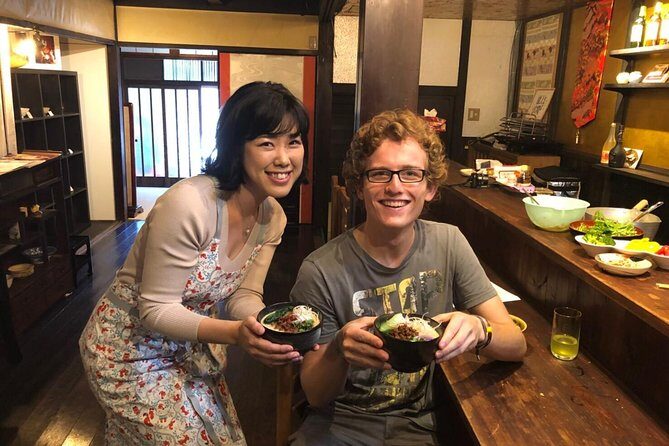
This experience starts at Komae Station (1 Chome-7 Motoizumi, Komae, Tokyo). That location matters because it’s easy to anchor your day in Tokyo: you’re not trying to navigate a far-off meeting spot after travel.
The class also ends back at the meeting point. So you don’t have to plan a complicated “last mile” ride afterward—perfect if you want to roll straight into lunch, shopping, or a quick neighborhood walk.
The schedule is set up for a daytime window (listed as 10:00 AM to 1:00 PM). The activity duration is about 2 hours 30 minutes, which fits neatly into a Tokyo itinerary without eating your whole morning or afternoon.
What you’re actually making: vegan/vegetarian ramen and gyoza
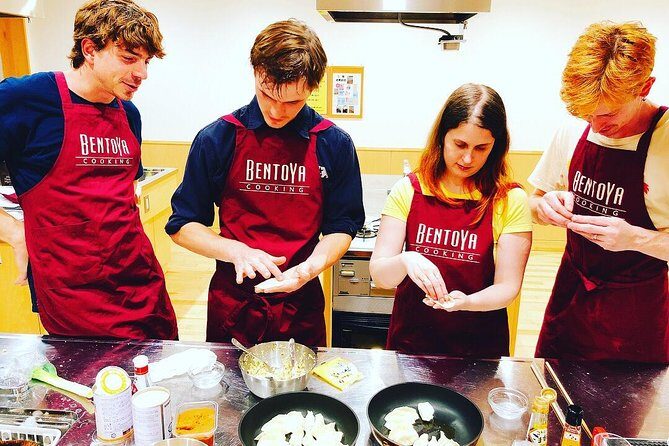
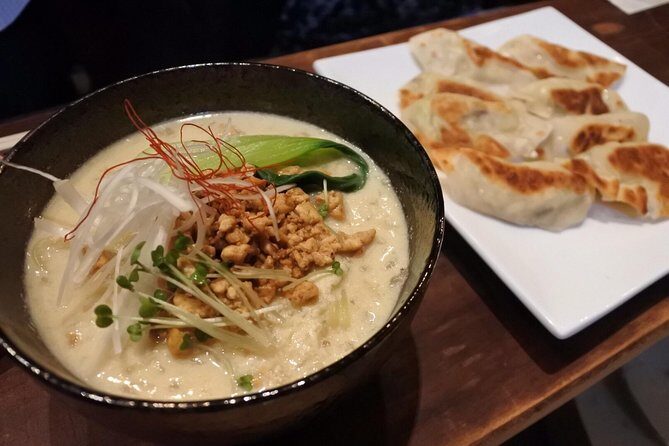
Ramen is more than noodles. You’ll learn how the soup comes together and how toppings build the final bowl. Gyoza are dumplings made from a minced filling, and the joy here is that you get hands-on with both the preparation and the end result.
What I like about combining ramen and gyoza is that they teach different skill sets. Ramen trains your sense of balance—soup base, seasoning, and how flavors sit together. Gyoza trains the practical side: texture, shaping, and how dumplings cook up when you apply heat correctly.
This is also a rare opportunity to build Japanese comfort food that fits vegan/vegetarian needs. Japan can be tough on this front because traditional stock often relies on fish-based ingredients. Here, the whole class is designed around vegan/vegetarian Japanese cooking, so you’re not just “substituting”—you’re learning the approach.
You can also read our reviews of more tours and experiences in Tokyo Prefecture.
The smartest part: shopping for Japanese ingredients with a real plan
Before you cook, you’ll visit a local supermarket with your instructor. That stop is more valuable than it sounds, because Japanese ingredient shopping is its own skill.
You’ll be introduced to Japanese basic ingredients and how to recognize what you need. Even if you already cook at home, you’ll likely discover that some things are easier to buy in Japan than to hunt down later (or that you’ll want a better substitute than the first one you can find online).
This also helps you understand what you’re tasting while you cook. When you can connect a flavor to an ingredient you actually saw and selected, the recipe sticks. It stops being a blur of steps and becomes something you can repeat.
One more practical win: it’s a guided walk through a grocery setting, so you don’t have to “figure it out” while hungry and surrounded by Japanese labels.
Inside the kitchen: learning ramen soup from scratch
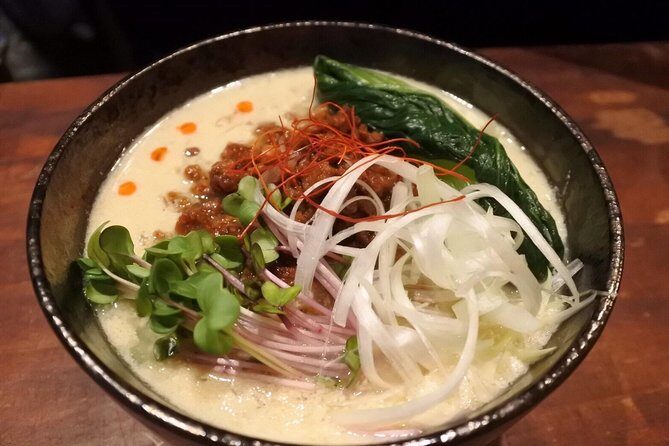
The heart of the lesson is the ramen soup made from scratch. That’s where you learn the foundation—how the base is built and why certain seasonings matter.
Hosts (commonly Kaori and others like Miwa) keep the instruction organized. The best part is that you’re not just being told what to do; you’re learning how to do it—things like cutting technique and basic cooking flow. If you’ve ever cooked from a recipe but felt lost when the texture or aroma didn’t match expectations, this kind of training is exactly what helps.
You’ll also get attention to seasoning and presentation. Presentation sounds “extra” until you realize it affects how you experience the dish. A bowl that looks right also helps you notice what you cooked correctly—and what you might tweak next time.
And because the class is explicitly vegan/vegetarian, it’s set up for you to deal with the real-world issue of Japan’s typical dashi approach (bonito-based fish stock). Instead of pretending that problem doesn’t exist, you learn within a vegan/vegetarian framework.
Gyoza class: from filling to dumpling-cooking confidence
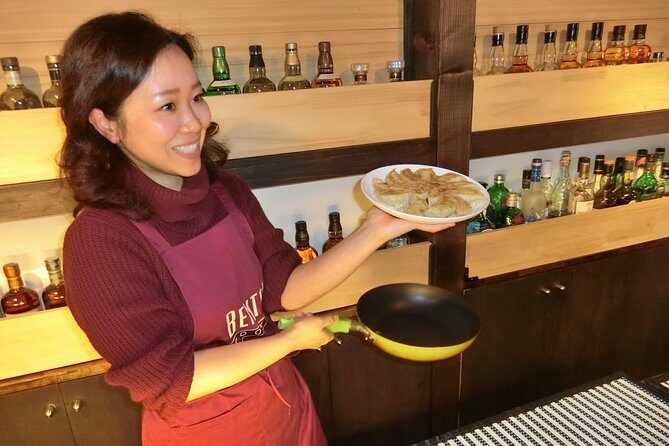
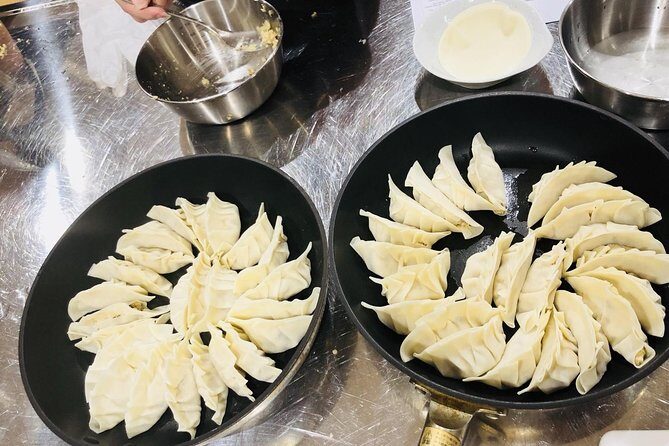
After ramen basics, you switch gears to gyoza. This part is hands-on and satisfying because gyoza rewards technique quickly—you can see progress while you work.
You’ll learn how to make the filling, how to shape the dumplings, and how to cook them so you get that classic dumpling result. The skill here isn’t just following a step-by-step checklist—it’s understanding how seasoning and handling affect the final bite.
In past lessons with hosts like Kaori, participants have mentioned learning basics clearly enough to recook later. That lines up with what you’d want from a dumpling class: gyoza should become something you can reproduce, not just something you enjoyed once.
Also, gyoza is a smart pairing with ramen because it gives you a second flavor lane. Even if your soup is slightly off on the first attempt at home, you can still feel confident about the dumplings and adjust from there.
Why the teaching style matters for your food results
Cooking classes can be two things: either you get a nice meal with some instructions, or you get real confidence. This one leans hard toward the second.
A recurring theme from the experience is that hosts explain with excellent English and a friendly, welcoming vibe. You’re guided through the process, and you’re given a sense of what to watch for as things change in the pan and pot.
Another practical element: you get instruction files afterward. That matters because cooking is easier when you can refresh the steps and measurements later. Without that kind of takeaway, you usually end up with a vague memory and a half-fixed recipe.
I also like that the lesson is structured for a max group size of 6 travelers. Smaller group teaching usually means faster clarification when you get stuck with a step, like getting the right dumpling shape or adjusting soup seasoning.


Timing and Tokyo logistics: a 2.5-hour class that fits real days
The lesson runs roughly 2 hours 30 minutes, and it starts in the Komae area near public transportation. That’s a relief in Tokyo, where time-sink detours can happen fast.
Since the class begins around 10:00 AM and ends back near the start, it’s a good fit for:
- A food-focused morning when you still want time for temples or neighborhoods later
- Travelers who want a hands-on break from endless walking
- Anyone building a “Tokyo skills” memory, not just a photo set
You’ll also receive a mobile ticket, which is convenient once you’re already juggling transit apps and reservations.
One thing to keep in mind: the class is said to require good weather. That doesn’t mean you’ll be stuck waiting forever, but it’s a reminder that part of the experience includes going out to shop and move around a bit.
Price and value: is $75 reasonable for this class?
At $75 per person, the price sits in the “you’re paying for teaching” range. The value comes from what’s included and what you learn.
You’re not only cooking. You’re:
- Getting guided instruction on ramen soup building
- Making gyoza with technique coaching
- Visiting a local supermarket to learn Japanese ingredients
- Working in a small group setting
- Taking home instruction support (the mentioned detailed files help you recook)
If you’ve ever tried to learn Japanese cooking on your own with a random recipe and a trip to an unfamiliar grocery, you know how much time and frustration that can cost. Here, the class compresses that learning into a single, well-organized morning.
In other words, you’re paying for the shortcut: fewer wrong turns, clearer guidance, and a realistic chance you’ll cook it again at home.
Who should book BentoYa’s vegan ramen and gyoza class
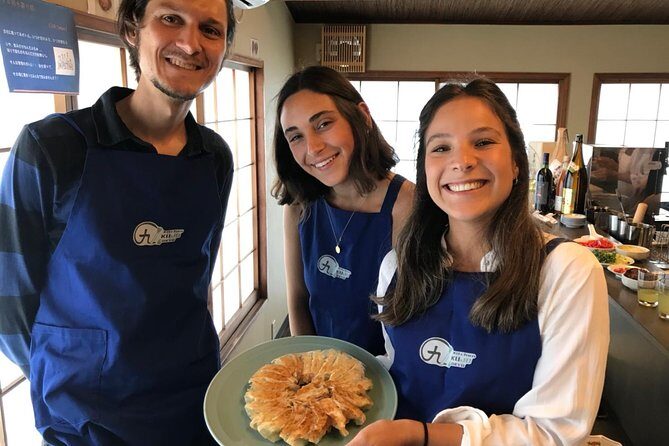
I’d point you toward this class if you want Japanese food that fits your dietary needs and your ethics. It’s also ideal if you care about learning, not just eating.
This is a strong fit for:
- Vegans and vegetarians who want a proper Japanese meal, not a generic “salad with noodles” situation
- Cooks who want replicable technique, especially ramen-soup fundamentals and gyoza shaping
- Travelers who like structured experiences with a friendly local host
- Families or groups under the cap of 6 who benefit from hands-on guidance
If you’re completely new to cooking, you’ll likely still do fine, as the class emphasis is on clear technique and organized steps. Just come ready to chop, season, and follow instructions closely.
Should you book this Tokyo vegan ramen and gyoza cooking class?
If your goal is to leave Japan with more than memories—if you want skills—you should seriously consider booking BentoYa Cooking’s vegan/vegetarian ramen and gyoza lesson.
The biggest reasons to book are simple:
- You learn ramen soup from scratch and gyoza technique, not just assembling toppings
- You get a supermarket ingredient tour, which makes the recipe usable later
- The small group size and clear instruction (often led by hosts like Kaori, with others such as Miwa, and guidance that includes detail and English support) help you actually finish with confidence
If you’re someone who wants zero dinnertime cooking labor and only sightseeing, this might feel like work. But if you’re the type who loves cooking, this class turns a Tokyo morning into a transferable skill.
FAQ
Where does the class meet?
The experience starts at Komae Station, 1 Chome-7 Motoizumi, Komae, Tokyo 201-0013, Japan.
How long is the cooking class?
It runs for about 2 hours 30 minutes (approximately).
What’s the price per person?
The price is $75.00 per person.
How big is the group?
The maximum group size is 6 travelers.
When does the class run?
The listed opening hours show Monday through Sunday from 10:00 AM to 1:00 PM.
Will I get confirmation after booking?
Confirmation is received within 48 hours of booking, subject to availability.
Is the meeting point near public transportation?
Yes, it’s near public transportation.
What if weather is bad?
The experience requires good weather. If it’s canceled due to poor weather, you’ll be offered a different date or a full refund.
What should I expect to cook?
You’ll learn to make vegan/vegetarian Japanese food including ramen soup from scratch and gyoza.