REVIEW · FUJIYOSHIDA
Mount Fuji & Hakone Private Tour with Bullet Train Return
Book on GetYourGuide →Operated by Xplor Japan · Bookable on GetYourGuide
Steam, shrines, and Fuji views in one day. This private tour stacks Mt Fuji icons like Chureito Pagoda with Hakone’s volcanic Owakudani, and the Shinkansen return keeps the logistics simple. I love the way you get Fuji photo stops built into the day instead of rushing between them, and the guide quality (Ryu from Xplor Japan is a standout example) makes every stop feel more meaningful. The main drawback is that it’s a tight schedule, and traffic can push the ride 10–30 minutes, so you’ll want a flexible mindset.
Pickup is from your hotel or Airbnb in Tokyo’s 23 wards, and you’re with a private group plus a live English guide (also available in Urdu, Punjabi, and Hindi). You choose 3 of the 5 classic Fuji-area options, then the tour funnels into Hakone for the Hakone Ropeway, Lake Ashi, and Owakudani Valley.
One logistics detail that matters: the tour ends at Odawara Station, and your guide won’t travel with you on the train back to Tokyo. You’ll handle transportation from Tokyo Station to your hotel on your own.
In This Review
- Key highlights at a glance
- Private pacing with a guide who keeps the day on track
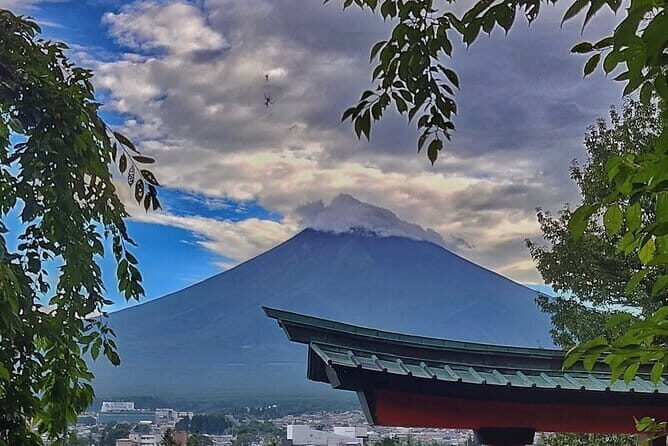
- Chureito Pagoda and Fuji Sengen Shrine: your Mt Fuji setup
- Chureito Pagoda photo stop and guided viewing
- Kitaguchi-hongu Fuji Sengen Shrine: the spiritual angle
- Oshino Hakkai plus Fuji lakes: ponds, waterlines, and calm breaks
- Oshino Hakkai ponds: snowmelt-fed clarity
- Fuji lakes stop(s): Fujikawaguchiko and/or Lake Yamanaka
- Crossing into Hakone: ropeway views over Lake Ashi
- Hakone Ropeway: aerial mountain and lake views
- Lake Ashi: a calmer payoff after steam and altitude
- Owakudani Valley: steam, mud pools, and strong sulfur air
- Price and logistics: what $280 really buys you
- Tips to make the schedule feel easier (not rushed)
- Should you book this private Mt Fuji and Hakone day?
- FAQ
- How long is the tour?
- Where does the tour start and end?
- Is the Shinkansen ticket included?
- Will the guide travel with you on the train back to Tokyo?
- What languages are available for the live guide?
- What’s included in the price?
- What is not included?
- Do I need to bring cash?
- Where will I meet the driver?
- Is there flexibility for cancellations?
Key highlights at a glance
- Ryu-style storytelling with a private guide: English live guiding with added language options (Urdu, Punjabi, Hindi).
- Built-in Mt Fuji moments: Chureito Pagoda plus shrine and Fuji-side lake/pond stops for repeated viewing chances.
- Owakudani’s real volcanic power: steaming hot springs, bubbling mud pools, and sulfur fumes as part of the experience.
- Hakone Ropeway and Lake Ashi views: aerial views into the mountains and calm water scenery afterward.
- Round-trip Shinkansen convenience: bullet train tickets are included, with the trip ending in Odawara.
Private pacing with a guide who keeps the day on track
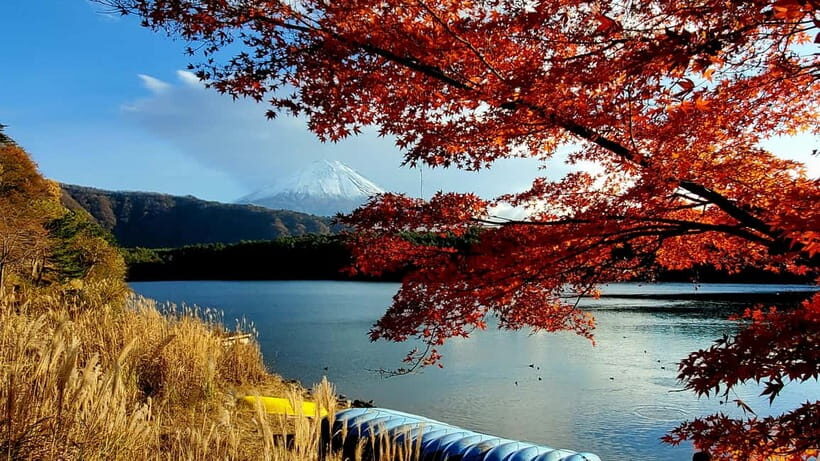
This is the kind of tour you book when you want Japan to feel organized but not stiff. You’re in a modern, clean vehicle with hotel pickup and drop-off in Tokyo’s 23 wards, and you don’t have to share the day with strangers. That private setup makes a difference the minute you hit a busy area, because your guide can manage timing and keep things flowing.
The guide experience is also a big part of the value. In the strongest examples from past tour days, the guide—Ryu from Xplor Japan—was praised for being entertaining and for offering clear perspective on Japanese culture. There’s also a real-world service test baked in: on at least one day, traffic was unexpectedly disrupted after a royal-family-related situation shut roads down, and the guide handled the problem-solving while still delivering a great outing.
If you like having someone to explain what you’re looking at—rather than just being dropped at spots and told to take photos—this tour fits well.
You can also read our reviews of more private tours in Fujiyoshida

Chureito Pagoda and Fuji Sengen Shrine: your Mt Fuji setup
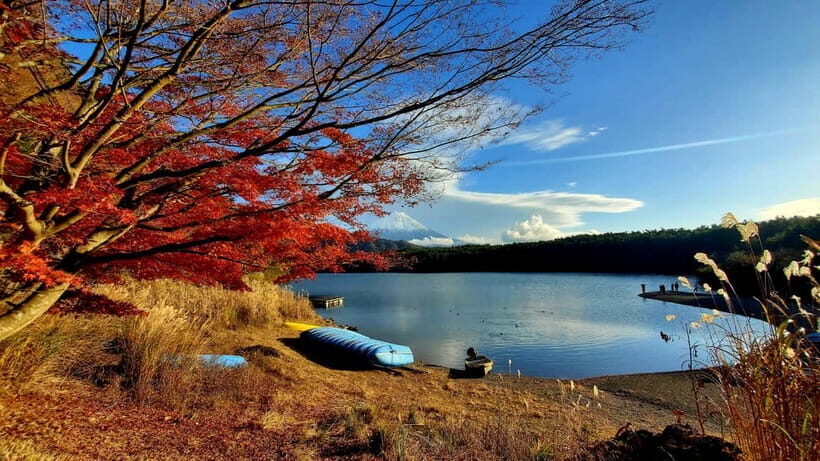
Most day trips start with a scramble. This one starts with two stops that do the job of getting you oriented quickly: Chureito Pagoda and Kitaguchi-hongu Fuji Sengen Shrine.
Chureito Pagoda photo stop and guided viewing
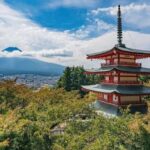
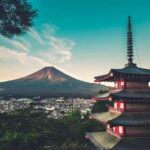
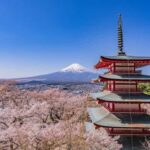
You’ll spend about 1 hour at Chureito Pagoda for photos, a guided walk/tour, plus free time. The key here is pacing. Instead of rushing past the view, you get time to move around, take pictures, and soak in the framing of the pagoda against Mt Fuji.
Practical tip: wear shoes you can walk in comfortably. Even at a photo stop, you’ll likely do a bit of moving uphill and around viewpoints.
Kitaguchi-hongu Fuji Sengen Shrine: the spiritual angle
Next is a 30-minute stop at Kitaguchi-hongu Fuji Sengen Shrine. This is a Shinto shrine dedicated to Mount Fuji, and the guided portion helps you understand the spiritual bond local people have with the mountain.
Why this matters: Fuji isn’t only a scenic backdrop here. The shrine stop adds meaning, so the later volcanic and lake sights don’t feel random. They start to feel like parts of the same story—water, faith, nature, and weather all tied to the mountain.
Oshino Hakkai plus Fuji lakes: ponds, waterlines, and calm breaks
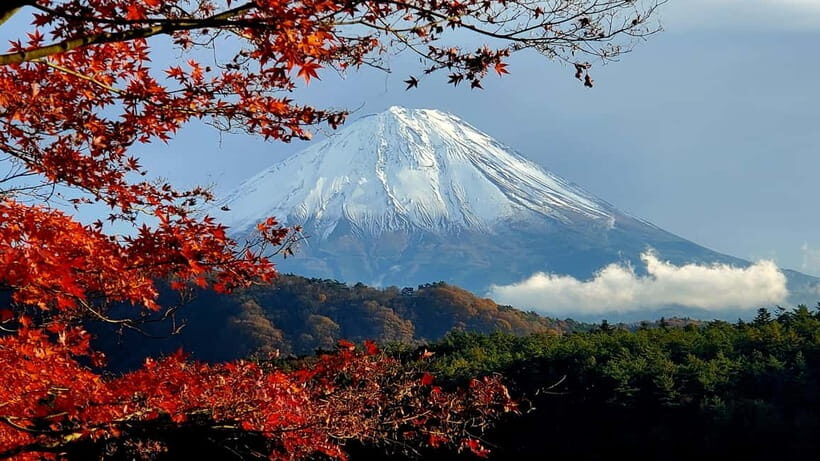
After the shrine, you move into the Fuji-side water world. This is where the tour balances “big sights” with places that feel quieter and more specific.
Oshino Hakkai ponds: snowmelt-fed clarity
You’ll spend about 1 hour at Oshino Hakkai, known for its collection of ponds fed by melting snow from Mt Fuji. The focus is on the clear water and the way the ecosystem manages to thrive there.
Two things to keep in mind:
- This is a short stop, so don’t plan to treat it like a long museum day. Go in with a photo and stroll mindset.
- If you want optional add-ons, note that the Oshino Hakkai museum is not included (listed as a separate fee).
Fuji lakes stop(s): Fujikawaguchiko and/or Lake Yamanaka
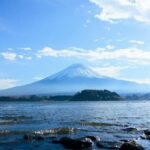
From there, the day typically includes Fujikawaguchiko (about 1 hour) and Lake Yamanaka (about 1 hour), with time for sightseeing and a guided portion. These lake stops are part of the rhythm: you get a shrine/spiritual stop, then ponds, then lakes—each one giving a slightly different relationship to Mt Fuji and the surrounding terrain.
Small planning note: you choose 3 of the 5 Fuji-area options. The full route described here covers multiple Fuji stops, but your exact combination can vary. If Mt Fuji views are your top priority, ask your guide how they plan to structure your chosen trio so you maximize your chances across the morning.
Crossing into Hakone: ropeway views over Lake Ashi
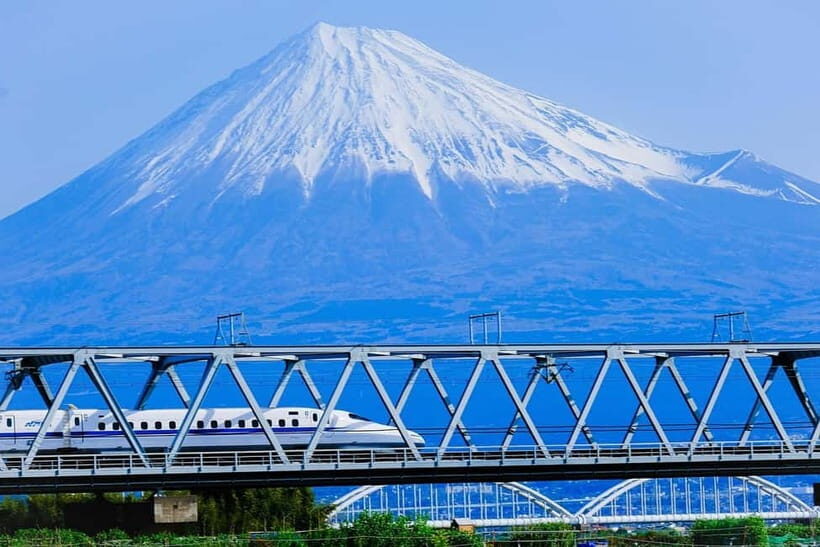
Once you head toward Hakone, the mood changes from calm water to dramatic geology. Hakone is famous for that shift, and this tour uses two key moments to get you there: the Hakone Ropeway and Lake Ashinoko.
Hakone Ropeway: aerial mountain and lake views
You’ll have about 1 hour for the Hakone Ropeway, including photo stop moments and guided context on the way. The ropeway is the “you’re above it now” experience—views stretch across mountains and down toward the shimmering lake.
One practical budgeting item: the ropeway fee (listed as 3000 yen) is not included, so have cash ready if you want to ride.
Lake Ashi: a calmer payoff after steam and altitude
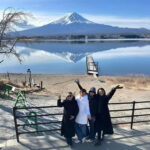
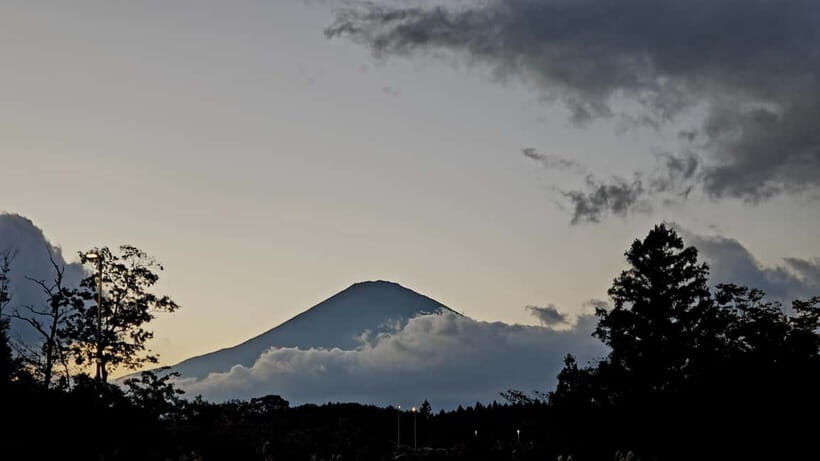
After the ropeway, you reach Lake Ashi for about 1 hour, with sightseeing and a walk plus guided time. You’ll also get a photo stop with views toward Mt Fuji across the water.
Optional add-on: a cruise ship ride is listed separately (also 3000 yen not included). If the weather is good and you want a slower pace, it can be worth adding. If clouds roll in, prioritize the viewpoints and keep your energy for Owakudani, where you’ll see the volcanic action up close.
Owakudani Valley: steam, mud pools, and strong sulfur air
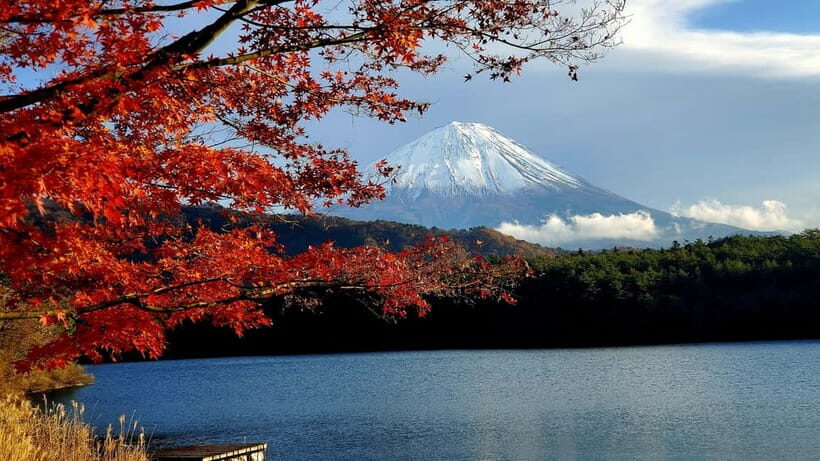
This is the stop most people remember. Owakudani Valley is volcanic reality, not a postcard.
You’ll spend about 45 minutes there for sightseeing. The experience includes the sight and smell of geothermal activity: steaming hot springs, bubbling mud pools, and sulfurous fumes. You’ll also do a bit of hiking through the valley.
What to watch for:
- The air can smell strong. If you’re sensitive to odors, bring a mask or plan to keep your time brief.
- Wear shoes with grip. Even short walking areas can be uneven, and you don’t want to slip while dealing with steam vents and steam-affected ground.
- This is not a museum stop. Go for the sensory experience—sights and smells included.
Price and logistics: what $280 really buys you
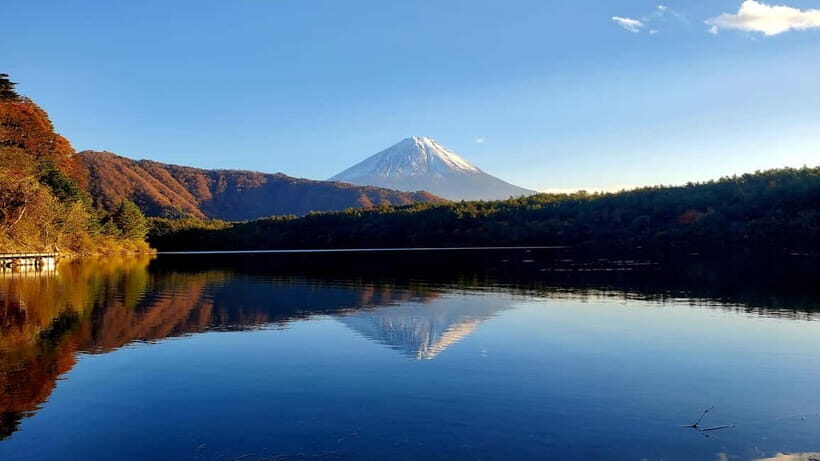
At $280 per person for a 10-hour private tour, the real question is value: you’re paying for time, convenience, and transportation—not just sightseeing.
Here’s what’s included:
- English guided tour service
- Bullet train tickets
- Hotel pickup and drop-off
- Petrol/gas and highway tolls
- A modern, clean vehicle and parking fees
Here’s what’s not included:
- Meals, drinks, snacks
- Optional/paid activities and entrance fees like Hakone Ropeway (3000 yen), cruise ship (3000 yen), and Oshino Hakkai museum (300 yen)
Also, a logistics detail you should plan around: the tour ends at Odawara Station, and you take the Shinkansen back to Tokyo Station on your own. The guide won’t stay on the train. So yes, the train ticket is included—but your last-mile ride back to your actual hotel is on you.
If your hotel is close to Tokyo Station, that’s simple. If it’s far away, factor in that extra time and cost. This tour is priced like a “major transportation day,” and planning your Tokyo-side return will keep things smooth.
Tips to make the schedule feel easier (not rushed)
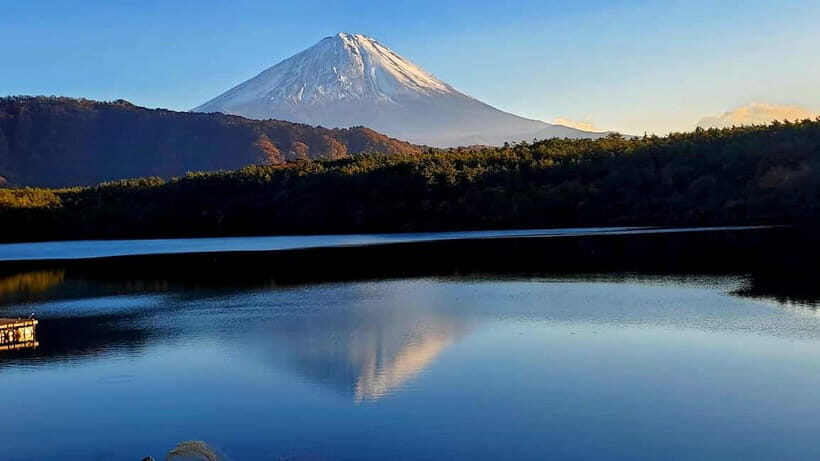
This day moves. It has to, because it combines multiple classic Fuji stops with Hakone plus the return train.
A few practical tips that help:
- Wear comfortable shoes. You’ll be walking at pagoda areas, shrines, lake areas, and the volcanic valley.
- Bring cash for the optional fees listed (ropeway, cruise, and any museum/entrance you choose).
- Expect that the driver might be 10–30 minutes late at times due to road conditions, traffic congestion, or accidents.
- Meet-up matters: the provider asks for a WhatsApp contact so they can send your live meetup location.
- Pack lightly. There’s a rule set that includes no smoking in the vehicle, no food in the vehicle, and no alcohol and drugs.
If you’re choosing your Fuji-area trio, tell the guide what matters most to you: quick photo moments, more cultural stops, or more time around water. Because it’s private, you can usually align the selection better with your priorities.
Should you book this private Mt Fuji and Hakone day?
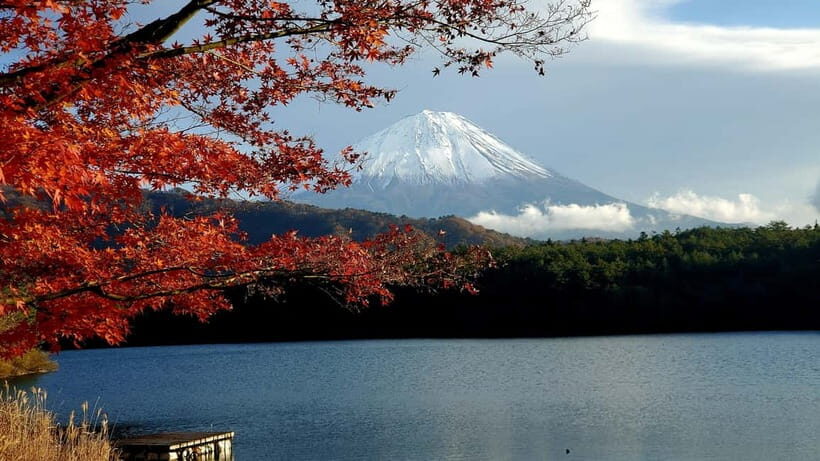
Book it if:
- You want Mt Fuji and Hakone in one day without juggling train schedules yourself.
- You prefer a private guide who can explain what you’re seeing.
- You like a structured “see the highlights” plan, but still want flexibility within that structure.
Consider skipping or comparing options if:
- You don’t do well with packed schedules and time-sensitive hopping between stops.
- You’re very budget-focused. With optional fees like ropeway and cruise, your final spend will rise.
- You’re worried about the end-of-tour handoff. You’ll finish at Odawara Station, then handle your own ride from Tokyo Station back to your hotel.
If your goal is one efficient, high-impact day that hits pagoda views, shrine meaning, Fuji water features, Hakone ropeway scenery, and real volcanic atmosphere, this tour is a strong fit.
FAQ
How long is the tour?
The tour runs for 10 hours, including pickup and drop-off.
Where does the tour start and end?
It starts with pickup in Tokyo and ends with drop-off at Odawara Station.
Is the Shinkansen ticket included?
Yes. Bullet train tickets are included, and you’ll take the train from Odawara Station back to Tokyo Station.
Will the guide travel with you on the train back to Tokyo?
No. The tour ends at Odawara Station, and the guide won’t be traveling with you on the Shinkansen.
What languages are available for the live guide?
The live guide is offered in English, and also supports Urdu, Punjabi, and Hindi.
What’s included in the price?
Included: English guided service, bullet train tickets, petrol/gas, highway tolls, hotel pickup and drop-off, a modern clean vehicle, and parking fees.
What is not included?
Meals, drinks, snacks, and separate paid activities/entrance fees such as Hakone Ropeway (3000 yen), cruise ship (3000 yen), and Oshino Hakkai museum (300 yen).
Do I need to bring cash?
Yes. Cash is specifically listed as something to bring, especially for optional fees and activities.
Where will I meet the driver?
Pickup is arranged from your hotel or Airbnb, and you’re asked to provide a WhatsApp contact so they can send your live meetup location.
Is there flexibility for cancellations?
Yes. Free cancellation is available up to 24 hours in advance for a full refund.