REVIEW · KYOTO
Private Tour Kyoto-Nara w/Hotel Pick Up & Drop off from Kyoto
Book on Viator →Operated by Unemoto LLC · Bookable on Viator
One day, two ancient cities, zero transit stress. This private tour packs hotel pickup into a smooth, air-conditioned ride while hitting Kyoto and Nara highlights with private pacing. I like that you get to choose how long to linger at key spots, but one thing to watch is the total cost: major temple tickets and lunch are not included.
The best part for me is how the day feels designed for real sightseeing, not just checking boxes. I’ve seen guides like Dan, Ben, and Yoshimura mentioned for taking strong care of the flow—and in one case, even showing up with umbrellas when rain popped up. The tradeoff is that this is an English-speaking driver/host setup, so if you want deep, licensed-guide style commentary at every stop, you should ask ahead.
In This Review
- Key highlights at a glance
- Why this private Kyoto-Nara day works so well
- The pickup + AC ride: your secret weapon against wasted time
- Todai-ji: plan for the Great Buddha, plus the ticket reality
- Nara Park deer time: short window, big payoff
- Fushimi Inari-taisha: the torii shrine stop you’ll remember
- Kinkaku-ji (Golden Pavilion): iconic views, extra ticket cost
- Arashiyama Kimono Forest + Bamboo Forest: two looks, one area
- Kimono Forest: a quick, photo-friendly stop
- Arashiyama Bamboo Forest: the classic slow walk
- Price and value: what $350 buys, and what it doesn’t
- Expectations about the guide/host: private doesn’t always mean lecture
- How to get the most out of your 6–10 hour day
- Who should book this tour, and who might want a different style
- Should you book this Kyoto-Nara private tour?
- FAQ
- What time does the tour start?
- How long is the Kyoto-Nara private tour?
- Is this a private tour or a shared group?
- Does it include hotel pickup and drop-off?
- Are attraction tickets included in the price?
- Is lunch included?
- What kind of English support do I get?
- Is it suitable for most travelers?
- Can I cancel for a full refund?
- What happens if the tour is canceled due to weather?
Key highlights at a glance
- Hotel pickup and drop-off so you start the day fresh, not hunting trains
- Todai-ji + Nara deer in one morning stretch (plan for big emotions and close-up animals)
- Fushimi Inari and Kinkaku-ji for iconic Kyoto views with a realistic time plan
- Arashiyama Bamboo Forest + Kimono Forest for scenery that feels different within minutes
- English-speaking host who helps keep the day moving without drowning you in logistics
- Tickets extra at two temples (budget for ¥600 each)
Why this private Kyoto-Nara day works so well
If you’re short on time in Kansai, Kyoto and Nara can feel like they deserve their own trips. This tour solves that problem with a simple promise: one day, both cities, and a ride that handles the hard parts—getting you there, getting you back, and bouncing between neighborhoods without the stress.
You also get a schedule that’s built around sightseeing rhythm. The day is long enough to matter (about 6 to 10 hours), but the individual stops aren’t so long that you feel trapped. That’s a sweet spot when you’re juggling temple time, photos, and the real-world need to find lunch.
The value angle is also worth understanding. On paper, it’s $350.16 per person, which sounds like a lot until you remember you’re paying for private transport with parking, fuel, and tolls included. Then you add what’s not included—temple admission at Todai-ji and Kinkaku-ji and lunch—and suddenly the price makes more sense. It’s not cheap, but if you compare it to taxi-hopping or paying for separate tours, it can land in the “worth it” zone.
You can also read our reviews of more private tours in Kyoto

The pickup + AC ride: your secret weapon against wasted time
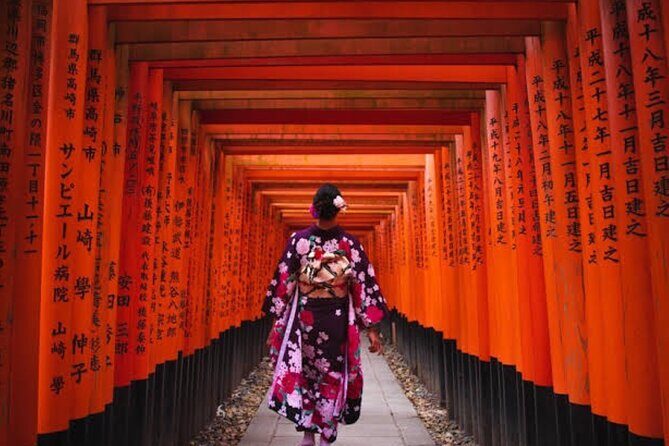
Starting at 8:30 am with hotel pickup is a big deal in Kyoto. Early mornings reduce the pain of slow streets, long walks from stations, and the constant backtracking you get when you’re figuring out transit on the fly. With this tour, your base plan is already mapped into a route, and your host helps keep it moving.
Another practical win: the vehicle is air-conditioned and includes parking fees, fuel surcharge, and toll fees. Those little “surprise costs” are exactly what make self-guided days feel expensive fast.
Just be aware of one nuance: the package includes an English-speaking driver/host, not automatically a licensed national guide. Some hosts give clear, useful explanations and adjust well to your pace. Others may stay closer to general orientation. If you want deep history at every stop, message in advance and ask what kind of guiding you’ll get.
Todai-ji: plan for the Great Buddha, plus the ticket reality
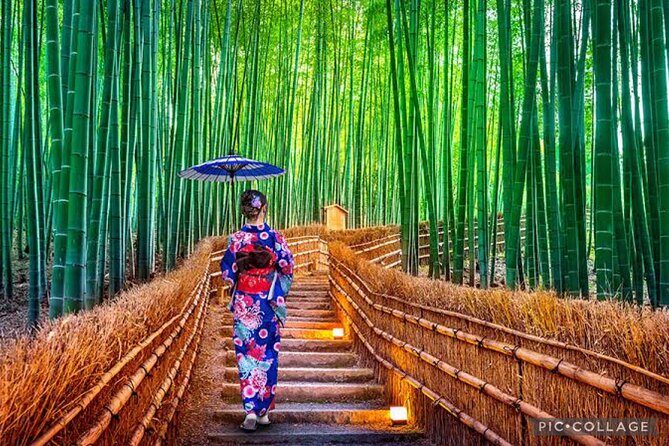
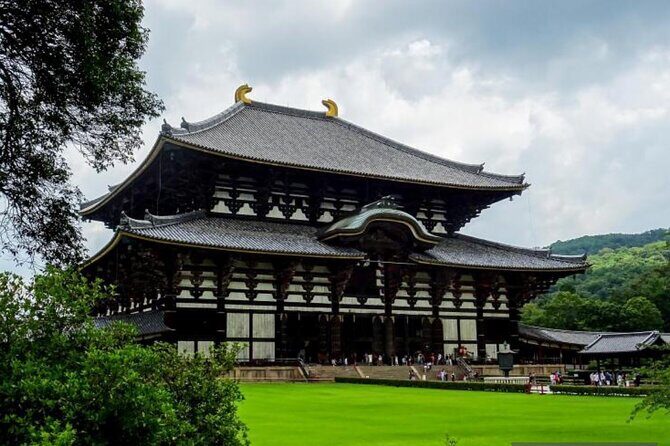
Todai-ji is the reason many people day-trip to Nara in the first place. It’s a Buddhist temple complex tied to the UNESCO World Heritage site listing for the Historic Monuments of Ancient Nara. Translation: you’re going to feel the weight of the place the moment you step inside.
This stop is scheduled for about 1 hour 30 minutes, and that’s usually enough to do two things without rushing: take in the big-view moments and slow down for the details you’ll actually remember later. You’ll be looking at one of Japan’s best-known temple experiences, often centered on the temple’s famed Great Buddha.
Budget tip: Todai-ji admission is not included, and the ticket price listed is ¥600. That means you’re effectively paying for this stop on top of the tour price, so don’t assume the sightseeing is “all included.” I recommend setting aside a bit of cash for tickets so you don’t end up stressed while everyone else is calmly moving through lines.
Nara Park deer time: short window, big payoff
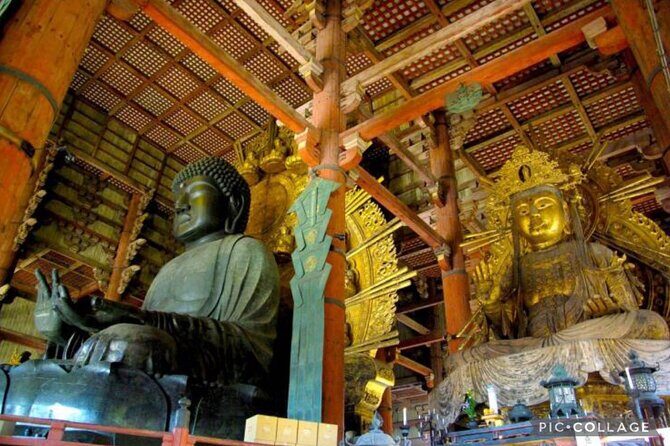
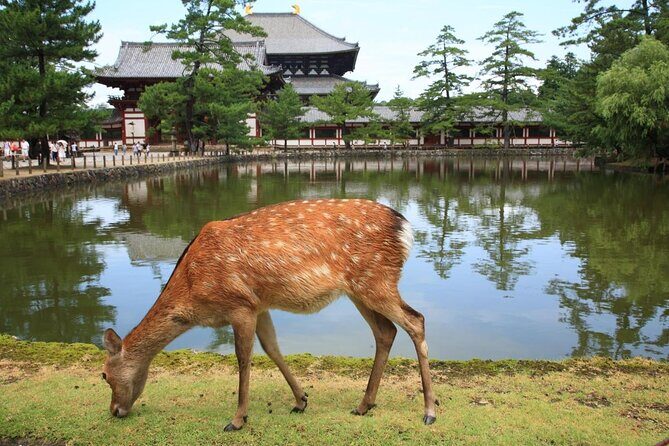
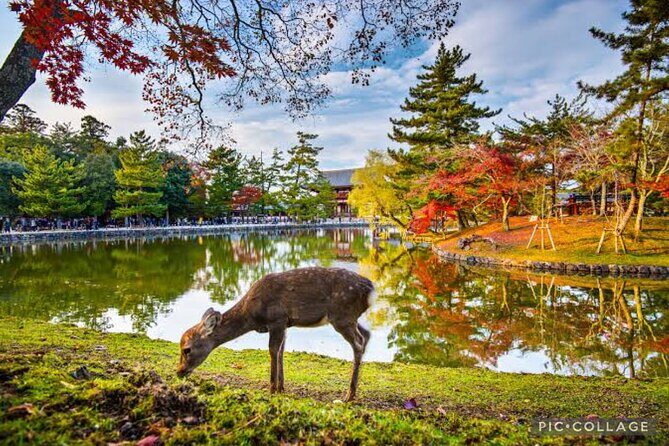
Nara Park is famous for one thing in particular: free-roaming deer. The tour also includes deer feeding, and the stop is about 30 minutes. That time limit is both a blessing and a limitation.
Why it works: 30 minutes is enough to see the deer in action and feel the atmosphere without burning your whole morning. Why it can feel short: if you’re the type who loves lingering for photos or you get pulled into the deer crowd, you may wish you had another half hour.
Practical advice that will help: keep your belongings secure and stay aware of where the deer are moving. When feeding is involved, you want to follow your host’s lead and keep hands and bags under control. It’s fun, but it’s not a zoo exhibit where things stay neatly in place.
The tour’s choice of Nara Park also helps your day flow. After Todai-ji, Nara Park gives you a more open, less enclosed feeling—then you transition back into Kyoto highlights later.
Fushimi Inari-taisha: the torii shrine stop you’ll remember
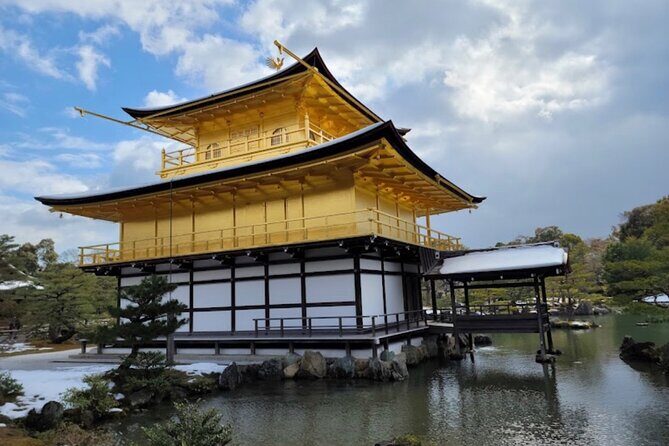
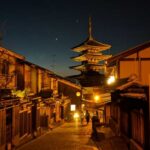
Fushimi Inari-taisha is one of those Kyoto places people talk about constantly, and for good reason. The shrine is designated as an Important Cultural Property, and the main shrine building includes five shrines—each tied to the virtues of Inari Okami.
This stop runs about 1 hour 30 minutes, which is a comfortable window. You can spend time soaking in the shrine atmosphere, take photos from multiple angles, and still have time to step back from the busiest parts.
A small but important value note: this stop has free admission listed. That means you’re not paying an extra ticket cost on top of the tour for this leg. When you’re budgeting a day that includes both free and paid attractions, those free stops really help.
If you like your photos with fewer people, go slower than you think you need to. Inari’s popularity can stack up quickly, but moving at a steady pace makes a bigger difference than you’d expect.

Kinkaku-ji (Golden Pavilion): iconic views, extra ticket cost
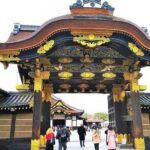
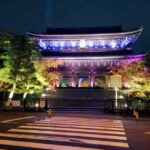
Kinkaku-ji is famous for the Golden Pavilion, a pagoda-shaped structure that houses sacred relics of the Buddha—hence the nickname Temple of the Golden Pavilion. This is one of those Kyoto visuals you can recognize instantly in photos, and it’s even better when you see it in person.
Your time at Kinkaku-ji is about 1 hour. That’s a good length because you want time for both the main photo moments and a slower walk that helps you understand how the pavilion sits within its setting. If you rush, you miss the best angles.
Like Todai-ji, admission here is not included, and the listed ticket price is ¥600. So by the time you reach Kinkaku-ji, you’ll have already “ticked off” one paid temple and likely another on the same day. I recommend thinking of the day as a mix: you’re paying for two big-ticket temple experiences, and everything else supports those anchors.
Arashiyama Kimono Forest + Bamboo Forest: two looks, one area
Arashiyama gives you that Kyoto feeling of changing scenes fast. This part of the day is split into two linked stops that many people love because they feel like different worlds.
Kimono Forest: a quick, photo-friendly stop
Kimono Forest is an art installation near the Arashiyama terminal station of the Keifuku Randen Tram Line. It’s made of 600 clear acrylic cylinders, each about 2 meters tall. It’s listed as free, and the time is about 30 minutes.
This stop is short on purpose. It’s visual, it’s easy to photograph, and it works as a palate cleanser between shrine/temple moments and the bamboo scenery ahead.
Arashiyama Bamboo Forest: the classic slow walk
Then you switch to the Bamboo Forest itself, scheduled for about 1 hour. The focus here is the scenery and atmosphere: bamboo leaves rustling with gentle breezes, and a welcome break from heat.
This is the part of the day where I’d slow down. Not because you’re required to, but because bamboo changes minute to minute. Light shifts. People move. Shadows stretch. If you’re in a hurry, you’ll still get the photo, but you’ll miss the calm feeling that bamboo is known for.
Both the Bamboo Forest and Kimono Forest are listed as free, which helps the “what you pay for” logic of the overall tour.
Price and value: what $350 buys, and what it doesn’t
At $350.16 per person, this is a premium day. But you’re buying a few specific things:
- Private transportation with hotel pickup/drop-off
- An air-conditioned vehicle with parking, fuel surcharge, and toll fees handled
- An English-speaking driver/host to keep the day coordinated
- A route that covers major Kyoto and Nara highlights without public-transport juggling
What you’re not getting in the base price:
- Lunch (not included)
- Temple admissions at Todai-ji and Kinkaku-ji (both listed at ¥600 each)
So the best way to judge value is to convert the day into choices you’d otherwise make. If you’d normally spend time switching trains, walking between stops, and paying for separate transportation, this private ride can feel more reasonable. If you already plan to explore Kyoto and Nara by transit, then the price has to compete with your savings—and that’s where the value debate pops up.
Also, watch expectations about guiding. Some hosts provide more explanation than others, and one complaint I’ve seen is that people expected deeper, site-by-site commentary. This is where you can protect yourself: ask whether you can have a licensed national tour guide rather than a driver/host, and confirm in advance what level of detail you’ll get.
Expectations about the guide/host: private doesn’t always mean lecture
This tour is private, but it’s not automatically a full-on, deep-history lecture series. The included role is an English speaking driver/host, and the format can be more about logistics and general orientation.
That can be great if you want freedom and a stress-free day. Several people also describe guides who were flexible, patient, and helped with planning around rain, kid needs, or walking pace. Names that came up include Ben, Dan, Ben again in multiple contexts, Yoshimura, and Christine.
Where it can go wrong: if you specifically want detailed, licensed-guide style explanations at every stop, you should confirm that before you go. Some operators differentiate between an experience guide (general info) and a national licensed guide (in-depth detail), and the in-depth option typically costs more.
My practical advice: send a message before your date with your expectations. Ask for the kind of guiding you want. Then you won’t end up paying a premium price for a day that feels too light on commentary.
How to get the most out of your 6–10 hour day
With a schedule this full, your success comes down to pacing and preparation.
Wear comfortable shoes. You’ll be walking through temple and shrine areas, and Arashiyama can involve extra steps depending on how you route yourself once you’re there.
Have a small plan for photos. If you try to photograph everything at the loudest, busiest angles, you’ll lose time. Instead, take the key “must-have” shots first, then wander a little and slow down for the quieter moments.
And for the practical reality: weather matters. The experience notes it requires good weather, and if it’s canceled due to poor weather you’ll be offered a different date or a full refund. Rain is common in Japan, so pack something light that keeps you comfortable.
Who should book this tour, and who might want a different style
This tour is a strong match if:
- You want Kyoto + Nara highlights in one day without transit stress
- You prefer a private setup over a bus group schedule
- You’re traveling with kids or anyone who benefits from fewer transfers
- You want time savings—especially with an early start and a fixed route
It may be less ideal if:
- You’re on a tight budget and hate paying for two separate temple admissions
- You expect nonstop in-depth commentary at every site without needing to ask for it
- You’re very picky about vehicle type and condition, since experiences can vary between what’s described as a van vs a private car
Should you book this Kyoto-Nara private tour?
I’d book it if you value convenience, early starts, and a day that feels organized without feeling rigid. The blend of Todai-ji, Nara Park deer feeding, Fushimi Inari, Kinkaku-ji, and Arashiyama bamboo plus Kimono Forest is a solid “greatest hits” mix, and the hotel pickup/drop-off is genuinely time-saving.
Just do two things before you pay:
1) Budget for tickets at Todai-ji and Kinkaku-ji (¥600 each) and plan lunch.
2) Message ahead about the guiding level you want—driver/host general orientation is included, and if you want a licensed, detailed guide, ask for that option and confirm the cost.
If you get those aligned, this can be a smooth, memorable day where you spend your energy on the sights—not on the route.
FAQ
What time does the tour start?
The tour starts at 8:30 am.
How long is the Kyoto-Nara private tour?
It runs about 6 to 10 hours, depending on the day’s flow and conditions.
Is this a private tour or a shared group?
This is a private tour/activity. Only your group participates.
Does it include hotel pickup and drop-off?
Yes, hotel pickup and drop-off are included.
Are attraction tickets included in the price?
Some admissions are not included. Todai-ji and Kinkaku-ji require admission tickets (¥600 each, listed for adult/youth/senior). Nara Park, Fushimi Inari-taisha, Kimono Forest, and Arashiyama are listed as free.
Is lunch included?
No, lunch is not included.
What kind of English support do I get?
An English speaking driver/host is included.
Is it suitable for most travelers?
The tour states that most travelers can participate.
Can I cancel for a full refund?
Yes. You can cancel up to 24 hours in advance for a full refund, and cancellations less than 24 hours before the start time are not refunded.
What happens if the tour is canceled due to weather?
The experience requires good weather. If canceled due to poor weather, you’ll be offered a different date or a full refund.